Adaptive & Inclusive Fitness: Breaking Barriers at the Gym
Gym attendance by people with disabilities has doubled, and adaptive fitness is reshaping who gyms serve. What everyday consumers need to know.
Key Takeaways
- Gym attendance by people with disabilities has doubled, yet they still represent only 2.5% of the total gym-going population, signaling both urgent need and major market opportunity as adaptive fitness facilities expand nationwide.
- Inclusive Fitness Specialist certifications are reshaping the trainer workforce, with ACSM and NCHPAD partnering to equip fitness professionals with skills to create safe, effective environments for people with disabilities, physical differences, and varying abilities.
- Plus-size, body-positive, and LGBTQ+ affirming gyms are breaking traditional fitness molds, with studios like Solcana Fitness, Prism Moves, and Body Arc centering mental strength, affirming identities, and offering sliding-scale memberships to broaden access.
- Adaptive equipment innovation is now part of smarter facility planning, with cable machines rated the gold standard for adaptive training and wheelchair-accessible gear like KOMPAN's color-contrasted stations improving usability without full floor redesigns.
- Community and social connection drive retention more than equipment alone, with gym-only members 56% more likely to cancel than those in community-led formats, making inclusive culture a business advantage.
- Beginner-friendly, low-pressure environments are addressing self-consciousness, as 58% of people report feeling intimidated trying new fitness activities and YMCAs and community gyms gain recognition for welcoming cultures and affordable family memberships.
Why Adaptive and Inclusive Fitness Is Reaching a Tipping Point in 2026
A record 81 million Americans belonged to a gym, studio, or other fitness facility in 2025, pushing membership penetration to 26.1% of the US population ages 6 and older. Yet despite this growth, gym attendance by individuals with disabilities has doubled, though they still represent only 2.5% of the total gym-going population. This gap signals both an urgent need and a massive market opportunity as fitness professionals increasingly pursue credentials like ACSM's Inclusive Fitness Specialist Certificate, designed to help professionals create safe and effective fitness environments for people with disabilities.
At the same time, adults 65 and older are the fastest-growing gym cohort, up 8.6% year over year, forcing gyms and studios to rethink who their spaces serve. For everyday consumers, this means there has never been a better time to find a fitness space that meets them where they are, whether that is adaptive needs, body size, neurodivergence, or beginner status.
Pioneer Gyms Leading the Adaptive and Inclusive Movement
A handful of gyms and studios across the United States are reshaping what "fit" means by centering accessibility, body diversity, and affirming culture. Everybody Los Angeles and Radially Fit Oakland offer gender-neutral spaces, accessible workouts, and inclusive programming. SPIRIT Club provides adaptive fitness programs for adults with disabilities, families, and anyone seeking a welcoming gym, with thousands of members across the Mid-Atlantic and Rocky Mountain regions.
In Greater Boston, Inclusive Fitness delivers adaptive fitness, functional strength training, and expert coaching for autistic and neurodivergent athletes, as well as individuals with intellectual and developmental disabilities, featuring individualized programming and a sensory-friendly environment. Benefitness offers personalized fitness programs for adults with varying abilities, health needs, and chronic conditions, while Special Strong West Houston is one of the only gyms in the country offering science-based adaptive and inclusive fitness programs for children, adolescents, and adults with mental, physical, or cognitive challenges.
Why Inclusive Fitness Specialist Certifications Are Booming
ACSM partnered with the National Center on Health, Physical Activity and Disability (NCHPAD) to create an online Inclusive Fitness Specialist Certificate Course covering disability advocacy, exercise adaptations, and adaptive training protocols. In 2026, specialization pays: families are willing to invest in coaches who keep their loved ones safe and motivated, and gyms and community programs hire trainers who can expand services without increasing liability.
The National Center on Health, Physical Activity and Disability has also partnered with ACSM to create the Certified Inclusive Fitness Trainer Certification to help professionals work with people with physical, sensory, or cognitive disabilities. This credentials boom reflects both consumer demand and smarter business strategy as gyms seek to serve broader populations.
Plus-Size, Body-Positive, and LGBTQ+ Affirming Fitness Spaces Gain Traction
Studio Three is a boutique fitness studio that allows members to access three types of workouts with a community valuing inclusivity as a core value, where people of all sizes work out together and instructors focus messaging on mental strength, not weight. Solcana Fitness offers accessible classes for the community, with affinity classes like Trans Strength and Fat Fitness, taught by those who share that lived experience.
Prism Moves, an inclusive Portland gym, states there is too much weight talk in the fitness industry, and their priority is building strong, joyful bodies of all shapes and sizes. Prism Moves also offers sliding-scale memberships and free weekly classes for BIPOC participants. Body Arc, Richmond's first queer-owned gym, is an inclusive fitness space that blends movement and art to support all bodies, especially those often excluded by traditional gyms, centering queer, disabled, and marginalized communities with a creative, welcoming environment.
Inclusive fitness locations collaborate with local LGBTQ+ communities to build inclusive relationships, empowering gyms and coaches as vocal leaders for LGBTQ staff and members, leading the movement toward sustainability of LGBTQ+ community health and fitness.
Adaptive Equipment and Accessible Design Innovations
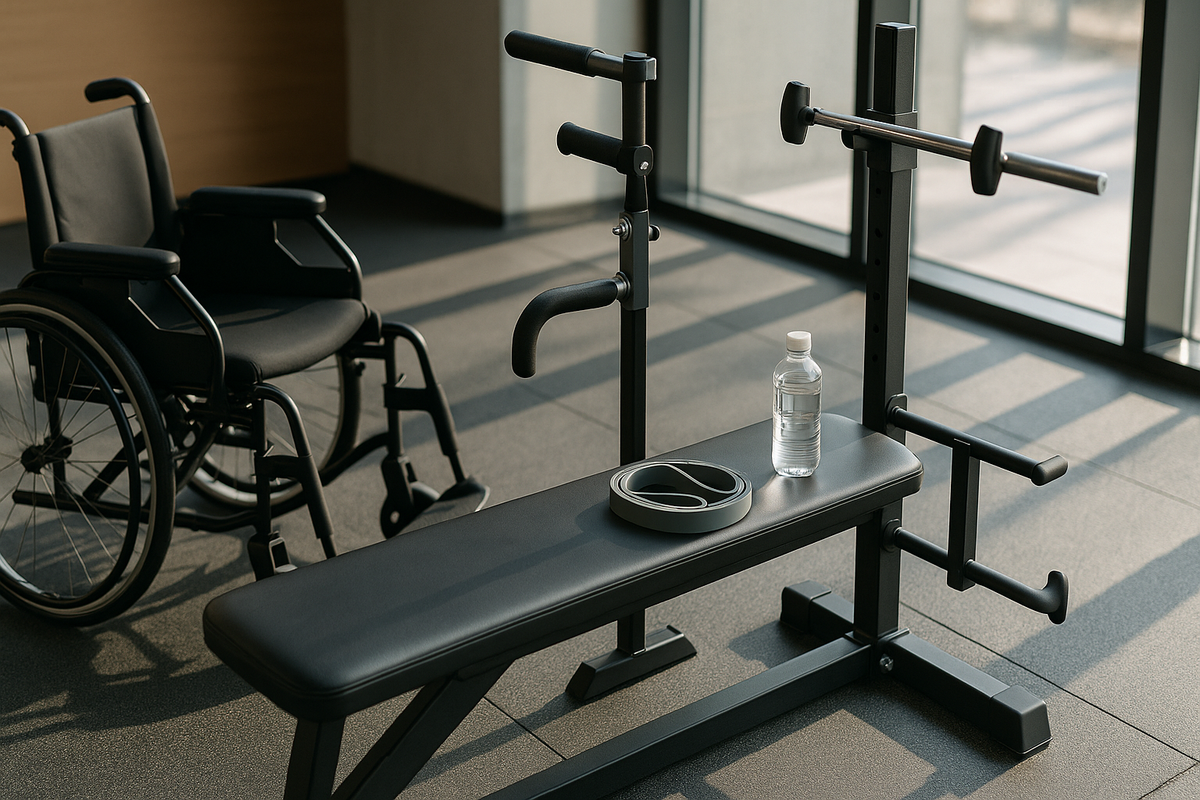
KOMPAN's inclusive fitness equipment can be utilized directly from a wheelchair, with bright colors creating contrast for users with visual impairment to guide them in their movement for a safe and effective workout. The functional trainer, or cable machine, is considered the gold standard for adaptive fitness because of its ability to adjust the height of the pulleys and freedom of movement.
Ability360 is a state-of-the-art fitness center that offers programs empowering people with disabilities to lead independent lifestyles, includes an area where wheelchair-using athletes can exchange their wheelchair for a sports wheelchair, and features locker rooms with wide doorways for easier navigation. Adaptive training for wheelchair users is becoming part of smarter facility planning, better member experience, and stronger long-term business strategy, especially when versatile tools like cable machines can create more usable training options without requiring a complete floor redesign.
Beginner-Friendly Gyms and the Low-Pressure Advantage
58% of people report feeling self-conscious when trying new fitness activities, and gyms are increasingly focusing on creating a more inclusive and supportive environment for beginners. Community gyms and YMCAs are underrated, with the YMCA tending to have a genuinely welcoming culture, affordable family memberships, and a wide range of classes in a low-pressure, inclusive environment.
Classes designed for beginners move at a slower pace and focus on in-depth instruction, with workouts tailored to any fitness level and complex lifts done safely and slowly. This approach addresses the intimidation barrier that keeps many people from starting or sticking with a fitness routine.
Community and Social Connection as the Retention Secret
Clients are more likely to stay consistent when they feel accepted and understood, and when clients feel seen, they stay longer and tell their friends. Consumers rate a sense of community and social experiences as leading motivators when choosing a gym, citing connectivity, relationships, and support as key features they seek. Gym-only members are 56% more likely to cancel than those in group or community-led formats.
Inclusive fitness communities are cultivated through clear policies establishing an inclusive and fair environment, with gym etiquette creating a harmonious space where all fitness levels are supported, with modifications in classes and trainers checking in on beginners. This social foundation is not just good culture; it is good business.
What This Means for Readers
Editorial analysis — not reported fact:
If you have felt excluded from traditional gym spaces because of body size, disability, age, gender identity, fitness level, or simply anxiety about not fitting in, the landscape has shifted in your favor. Adaptive and inclusive gyms are no longer niche; they are increasingly recognized as smarter, more sustainable business models that retain members and build loyal communities.
For parents of children with developmental disabilities, older adults managing chronic conditions, plus-size individuals tired of weight-centric messaging, LGBTQ+ folks seeking affirming spaces, or complete beginners intimidated by intimidating gym culture, there are now gyms, studios, trainers, and programs explicitly designed to welcome you. Look for facilities with Inclusive Fitness Specialist-certified trainers, equipment like adjustable cable machines, clear inclusivity policies, affinity classes, sliding-scale pricing, and community-driven programming.
Start by researching local YMCAs, community recreation centers, and independent studios with body-positive or LGBTQ+ affirming missions. Ask potential gyms about trainer certifications, accessibility features, beginner class offerings, and whether they offer trial sessions or tours. Fitness is for everyone, and in 2026, more spaces than ever are proving it.
As always, consult a qualified healthcare professional before beginning any new fitness program, especially if you have a disability, chronic condition, or other health considerations that may require adaptive programming.
Sources & Further Reading
- IHRSA: Gym membership penetration hits record 26.1% in 2025 — industry data on US gym membership trends and demographic growth
- ACSM Inclusive Fitness Specialist Certificate — online certification program for fitness professionals working with people with disabilities
- National Center on Health, Physical Activity and Disability (NCHPAD) — resources and certification for adaptive fitness professionals
- Everybody Los Angeles — gender-neutral, accessible fitness studio
- Radially Fit Oakland — inclusive fitness programming and coaching
- SPIRIT Club — adaptive fitness programs for adults with disabilities across the Mid-Atlantic and Rocky Mountain regions
- Inclusive Fitness Greater Boston — adaptive fitness and coaching for autistic, neurodivergent, and developmentally disabled athletes
- Benefitness — personalized adaptive fitness programs for varying abilities
- Special Strong West Houston — science-based adaptive fitness for children, adolescents, and adults
- Studio Three — boutique fitness studio with body-inclusive, mental-strength-focused programming
- Solcana Fitness — affinity classes including Trans Strength and Fat Fitness
- Prism Moves — inclusive Portland gym prioritizing joyful, strong bodies of all shapes and sizes
- Body Arc — Richmond's first queer-owned gym centering marginalized communities
- KOMPAN Inclusive Fitness Equipment — wheelchair-accessible and visually impaired-friendly gym equipment
- Ability360 — state-of-the-art adaptive fitness center empowering people with disabilities
- YMCA — nationwide community fitness centers with inclusive culture and affordable memberships
- Mindbody: Beginner fitness class tips — research on self-consciousness and beginner gym anxiety
Editorial coverage of publicly reported health, fitness, wellness, nutrition, and active living developments. Move Weekly has no commercial relationship with any companies, gyms, studios, brands, events, experts, products, or organizations named.