Adaptive & Inclusive Fitness: Gyms Built for Every Body
From neurodivergent-focused training to body-positive spaces, specialized gyms are scaling nationwide to meet surging demand for accessible, weight-inclusive fitness.

Key Takeaways
- Adaptive fitness demand is surging: Over ten million monthly online searches seek adaptive fitness solutions, yet there's a significant gap in providers offering specialized services for neurodivergent athletes, people with disabilities, plus-size bodies, and LGBTQ+ communities.
- Specialized gyms are expanding nationwide: Inclusive Fitness, which has delivered over 25,000 sessions to more than 450 neurodivergent athletes, opened a second location in 2026 serving Greater Boston from Dedham and Burlington facilities.
- Body-positive fitness spaces are filling market gaps: With over 70% of U.S. adults living in larger bodies, gyms like All Bodies Strong and Every Body Plus are creating inclusive communities that focus on strength and confidence without weight loss pressure.
- Weight-inclusive coaching is becoming industry standard: Trainers educated in Health at Every Size, trauma-informed communication, and adaptive approaches are increasingly recognized as essential for client trust, retention, and long-term health outcomes.
- 61 million disabled Americans represent untapped market potential: Accessible equipment, staff training, and ADA-compliant facilities are business imperatives as adaptive fitness transitions from niche to mainstream industry trend.
Why Adaptive and Inclusive Fitness Is Moving Mainstream in 2026
The U.S. fitness industry is undergoing a fundamental shift away from one-size-fits-all gym models toward specialized, welcoming spaces designed for communities historically excluded from traditional fitness environments. Over 70% of U.S. adults live in larger bodies, and 61 million disabled Americans represent a significant customer base that has long been underserved by conventional gyms and studios.
This isn't just a moral imperative. It's a market opportunity driven by consumer demand. Over ten million online searches each month seek adaptive fitness solutions, yet there's a documented gap in providers offering these services. Gyms, studios, and independent trainers who can meet this demand with expertise, empathy, and properly equipped spaces are positioned to capture loyalty in an increasingly competitive wellness market.
Neurodivergent-Focused Gyms Scale Across the United States
Inclusive Fitness, founded by parents of an autistic young man, created a welcoming space where neurodivergent athletes can build real strength for life, not just the gym. As of 2026, the organization has delivered over 25,000 sessions to more than 450 athletes, running over 650 sessions each month. In spring 2025, they opened a second location, and in 2026 relocated to a new Dedham facility, now serving teens and adults throughout Greater Boston from Dedham and Burlington locations.
Other adaptive models are expanding as well. Benefitness offers personalized fitness programs for adults with varying abilities, health needs, and chronic conditions. Ability360 operates a state-of-the-art fitness center with programs empowering people with disabilities, including an area where wheelchair-using athletes can exchange their wheelchair for a sports wheelchair. The Adaptive Fitness Coalition currently serves gyms and coaches across the United States, with their mentorship and certification course fully online.
Body-Positive and Plus-Size Fitness Spaces Build Community and Confidence
Big Fit Girl, founded by Louise Green, champions body diversity and encourages women of all sizes to embrace fitness without the pressure to lose weight, focusing on building strength, confidence, and community. Online workouts and resources help women feel empowered in their own bodies.
All Bodies Strong in Portland has curated an inclusive safe space for all body shapes, and members have discovered a community that celebrates diversity in body shapes and sizes. Every Body Plus in Buffalo is the city's first and currently only Latina-owned gym, proudly leading with diversity, inclusion, and community, offering diverse fitness classes and wellness services promoting body positivity.
For informal movement meetups, the Sport2Gether app offers free, community-organized "Hotspots," though events organized by trainers or clubs may have fees.
LGBTQ+ and Affinity-Based Training Spaces Prioritize Safety and Belonging
OutBox Gym is a queer- and trans-centered boxing and fitness studio founded by LGBTQ+ coaches, offering a welcoming, beginner-friendly space for all bodies and identities, prioritizing safety, inclusivity, and community. Solcana Fitness in Tacoma focuses on accessible classes for the community, with affinity classes like Trans Strength and Fat Fitness, taught by those who share that lived experience. Beginners can find classes like [Em]Power Strength in a judgment-free environment.
The OUT Foundation registers inclusive fitness providers and LGBTQ+ safe spaces, empowering gyms and coaches as vocal leaders for LGBTQ staff and members, working intentionally toward change as these spaces lead the movement toward LGBTQ+ community sustainability in health, fitness, and wellness.
Trainer Education and Body-Positive Certification Programs Expand
Women's Health and Men's Health introduced the Strength in Diversity initiative, which offers trainers from marginalized communities the chance to be mentored by elite fitness professionals and gain valuable knowledge from leaders across the wellness industry.
Clarity Fitness in Georgia is the only gym with trainers specifically trained in Health at Every Size, Body Positive, and Eating Disorder informed movement. All trainers sign off on the Health at Every Size pledge and take intensive body positive, diversity, and inclusion training. The Body Positive Fitness Alliance is a nonprofit organization working to create a fitness industry that is accessible, joyful, and empowering for people of all shapes, sizes, and abilities, with its mission rooted in inclusive education and community-driven resources that promote diversity, equity, and well-being.
Physical Accessibility Goes Beyond ADA Compliance to Universal Design
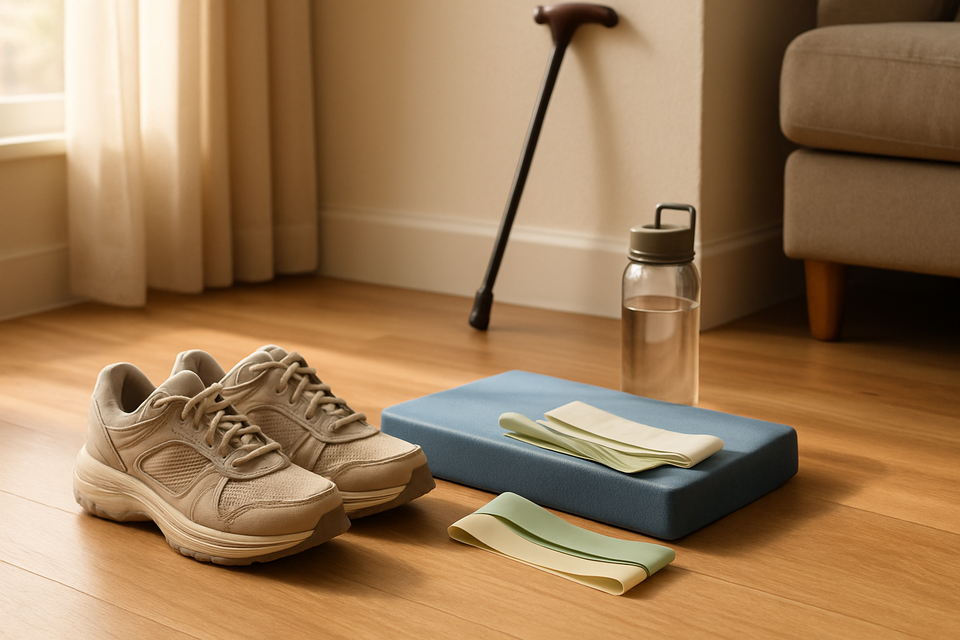
Accessible equipment doesn't always mean expensive or specific adapted equipment. Universally designed equipment is often the most useable by the largest variety of people. Some equipment manufacturers sell inclusive equipment where the seat is removable or swings away so an individual can self-select whether they want to transfer to the provided seat or remove it and remain in their wheelchair.
Adjustable benches, lowered weight stacks, and hand-operated resistance machines are modifications that can make a difference. Swimming pools should have lifts or sloped entries to accommodate individuals with limited mobility. ADA guidelines stipulate that each type of exercise machine must have clear floor space measuring at least 30 by 48 inches to accommodate mobility devices and that accessible routes connect all equipment. However, equipment alone doesn't make a gym inclusive: knowledgeable staff do.
Staff training is a vital component in fostering inclusive fitness spaces. Educating trainers and gym personnel on how to assist individuals with disabilities respectfully and effectively can make a significant difference in client experience and retention.
What This Means for Readers
Editorial analysis — not reported fact:
If you've ever felt unwelcome in a traditional gym, dismissed by a trainer who didn't understand your body or ability level, or struggled to find equipment you could actually use, you're not imagining barriers. The fitness industry has, for decades, designed spaces for the most confident and able-bodied users in the room, leaving significant populations without safe, supportive access to movement and strength training.
That's changing. Whether you're neurodivergent, living in a larger body, managing a disability or chronic condition, part of the LGBTQ+ community, or simply new to fitness and intimidated by conventional gym culture, there are now gyms, studios, apps, and certified trainers actively working to meet you where you are. These aren't token gestures. They're business models built on the reality that more people are looking for weight-inclusive fitness approaches, adaptive options, trauma-informed communication, and coaching that honors different bodies, abilities, and backgrounds.
When considering a new gym, studio, or trainer, look for explicit inclusive language on their website, ask about staff training in adaptive or weight-inclusive methods, check for physical accessibility features like adjustable equipment and clear floor space, and inquire whether they offer affinity classes or beginner-safe environments. The opportunity is realistic: listen more, assume less, and choose training that meets you exactly where you are. When people feel safe and supported, they get comfortable, stay consistent, and build long-term health habits.
If you have a disability, chronic condition, or are managing an injury, consult with a qualified healthcare professional before starting any new fitness program, and communicate openly with trainers about your needs and goals.
Sources & Further Reading
- Inclusive Fitness — Neurodivergent-focused gym serving Greater Boston with adaptive strength training programs
- Benefitness — Adaptive fitness programs for adults with varying abilities and chronic conditions
- Ability360 — State-of-the-art fitness center empowering people with disabilities
- Adaptive Fitness Coalition — Online mentorship and certification for adaptive fitness coaches
- Big Fit Girl — Body-positive fitness resources and online workouts for women of all sizes
- All Bodies Strong — Inclusive fitness space in Portland celebrating body diversity
- Every Body Plus — Buffalo's first Latina-owned gym promoting body positivity and community
- Sport2Gether — Free community fitness meetups and informal movement events
- OutBox Gym — Queer- and trans-centered boxing and fitness studio
- Solcana Fitness — Accessible classes and affinity programming in Tacoma
- OUT Foundation — Registry of LGBTQ+ inclusive fitness providers and safe spaces
- Women's Health Strength in Diversity initiative — Mentorship program for trainers from marginalized communities
- Clarity Fitness — Georgia gym with Health at Every Size and eating disorder-informed training
- Body Positive Fitness Alliance — Nonprofit advancing inclusive education and resources in fitness
- ADA guidelines for accessible fitness facilities — Federal accessibility standards for gyms and exercise spaces
- National Institute of Diabetes and Digestive and Kidney Diseases — Data on body size demographics in the United States
- CDC disability and health data — Statistics on disability prevalence in the U.S.
Editorial coverage of publicly reported health, fitness, wellness, nutrition, and active living developments. Move Weekly has no commercial relationship with any companies, gyms, studios, brands, events, experts, products, or organizations named.