Building Strength & Confidence: A Beginner's Workout Guide
Strength training dominates 2026 fitness. Learn why beginners need just 2–3 weekly sessions, how to conquer gym anxiety, and what actually works.

Key Takeaways
- Strength training dominates 2026 fitness priorities. Beginners only need 2–3 full-body sessions per week to see real results, with research showing 3 weekly workouts produce 40% more muscle gain than 4-day splits.
- Recovery is now a planned training variable, not a weakness. Sleep, nutrition, rest days, and deload weeks are treated as performance tools that enable harder training and reduce injury risk.
- HIIT and steady-state cardio both work for fat loss. HIIT achieves similar results in 40% less time but requires 48–72 hours recovery between sessions; steady-state is lower impact and easier to sustain long-term for beginners.
- The polarized training model is reshaping cardio programming. In 2026, the trend is 80% low-intensity (Zone 1) and 20% high-intensity (Zone 3) work, while avoiding the "grey zone" (Zone 2) that's too hard to recover from but too easy to drive adaptation.
- Gym anxiety is real but conquerable through action. Confidence follows action, not the other way around—practical strategies include off-peak visits, gym orientations, learning foundational movements in advance, and bringing a workout buddy.
- Home fitness equipment purchases are surging among younger adults. Sixty-three percent of 18- to 29-year-olds plan to buy fitness equipment in the next 30 days, with free weights, treadmills, and general home gym gear leading purchases.
Why Strength Training Became the Foundation of Beginner Fitness in 2026
Strength training has taken center stage in 2026, marking a significant cultural shift from decades of cardio-focused fitness. The widespread use of GLP-1 medications has fundamentally changed the nature of weight loss, elevating the personal trainer's role in muscle preservation, strength training, and metabolic support. This isn't a niche concern—it's reshaping how mainstream fitness professionals structure programs for everyday Americans.
For beginners specifically, the message is clear: women are lifting smarter, not harder, with strength training being one of the smartest ways to boost metabolism, build confidence, and feel stronger. Most beginners only need 2–3 days per week to see real results, starting by learning foundational movement patterns, choosing weights that feel challenging (not easy), and focusing on clean form before increasing load.
The science supports this focused approach. Research published in February 2026 in the Journal of Strength and Conditioning Research shows beginners benefit most from 3 full-body workouts per week, which produces 40% more muscle gain than 4-day splits. Compound exercises such as squats, presses, and rows recruit more muscle fibers and create greater hormonal response than isolation work for beginners, making them the most efficient starting point.
Recovery and Deload Weeks Are Now Mandatory Training Tools
One of the most important shifts shaping modern programming is the recognition that training doesn't create strength—recovery does. Sleep, nutrition, rest days, and deloads are now treated as planned variables rather than signs of weakness. In 2026, smarter programming is replacing burnout culture, with recovery and mobility now recognized as performance tools.
When your body moves well and recovers properly, you train harder and stay injury-free longer. This mindset shift contradicts the "more is better" mentality many beginners adopt when starting a fitness routine. For practical application, this means scheduling rest days between strength sessions, prioritizing 7–9 hours of sleep, and planning deload weeks every 4–6 weeks where training volume or intensity is reduced by 30–50%.
Hybrid Strength Plus Conditioning Is the New Standard Approach
In 2026, hybrid strength training isn't a trend—it's a standard approach. Lifters are blending compound barbell movements with unilateral work, tempo control, and targeted accessories to stay strong and pain-free. Conditioning is now seen as a support system that improves recovery and work tolerance rather than something that "steals gains."
Short finishers, loaded carries, sled work, and interval conditioning are becoming staples in beginner programs. This approach prepares the body for real-world demands while building a broader fitness base than pure strength or pure cardio programming alone.
HIIT Versus Steady-State Cardio: What Actually Works for Beginners
For beginners, the choice between high-intensity interval training and steady-state cardio matters—but perhaps not in the way most people think. Cardio is usually steady-state, meaning you move at a consistent pace for 30 to 90 minutes, while HIIT uses interval training, alternating short bursts of very hard effort with recovery, often lasting 10 to 30 minutes total.
The research nuance is important: for fat loss, both work about the same, with the bigger differences being in time, fitness, and how hard each is to recover from. HIIT wins on efficiency, achieving similar fat loss in about 40 percent less training time than steady-state. However, steady-state cardio is lower impact and easier to regulate, making it accessible for beginners and sustainable for long-term training.
Recovery requirements also differ significantly. High-intensity exercise creates significant physiological stress that requires 48–72 hours of recovery before the same muscle groups and cardiovascular system should be stressed at that intensity again, with most research-supported HIIT protocols performed one to three times per week at most. Steady-state can be performed more frequently without overtaxing recovery capacity.
The Polarized Training Model: Slowing Down to Speed Up
In 2026, a major shift in cardio programming is moving away from the "moderate intensity trap." The Polarised Training model dictates a strict distribution of effort: 80% Low Intensity (Zone 1) building your aerobic engine, and 20% High Intensity (Zone 3) driving your VO2max and top-end speed, while avoiding the "Grey Zone" (Zone 2) that is too hard to allow recovery, but too easy to elicit peak adaptations.
This approach is particularly valuable for beginners who tend to train everything at a moderate pace—working too hard on easy days and not hard enough on hard days. The polarized model creates clear training zones: truly easy sessions that build aerobic capacity without taxing recovery, and truly hard sessions that drive adaptation, with almost nothing in between.
Gym Anxiety Is Real, But Action Comes Before Confidence
Gym anxiety is the nervousness or self-consciousness many people feel when stepping into a gym environment, often stemming from fear of judgment, unfamiliarity with equipment, or not knowing where to start. Research and industry trends show that gym anxiety and beginner intimidation remain the biggest barriers to entry for everyday Americans in 2026.
But here's the breakthrough insight: confidence doesn't precede action—it follows it. The first step through those gym doors, guided by the right coach, can change everything. The anxiety does not disappear and then you start. You start, and then the anxiety disappears. Confidence in the gym is not a mood you wait to feel—it is a byproduct of doing the thing a few times until it becomes normal.
Practical Strategies to Reduce First-Time Gym Nervousness
Several evidence-based approaches help beginners navigate initial gym anxiety:
- Request a gym tour or orientation. Many gyms offer tours for new members. Familiarizing yourself with the layout can ease those first-time jitters and help you feel more at home, so you'll know exactly where to find the machines, free weights, and stretching areas.
- Bring a workout buddy or hire a trainer for initial sessions. Everything feels easier with a friend by your side. Partnering up with someone—whether it's a workout buddy or a trainer—can make the gym feel less intimidating, plus it's a great way to stay accountable and motivated.
- Visit during off-peak hours. Early afternoon or late evening tends to be quieter, giving beginners more space to learn equipment without feeling watched.
- Learn foundational movements in advance. Squats, rows, presses, and planks form the foundation for almost every machine or free-weight exercise. Watching instructional videos or practicing bodyweight versions at home builds familiarity before entering the gym.
The Home Workout Surge Among Younger Adults in 2026
Home fitness is experiencing a significant resurgence in 2026, particularly among younger adults. Sixty-three percent of 18- to 29-year-olds plan to buy fitness equipment in the next 30 days, nearly double the rate among the general population. Free weights are the most likely item among these planned purchases, followed by treadmills, general home gym equipment, and yoga accessories.
This trend reflects both the lasting impact of pandemic-era home fitness adoption and the growing preference for flexible, on-demand training among busy professionals and younger adults. For beginners, home workouts offer a judgment-free environment to learn foundational movements and build consistency before transitioning to a gym—or as a permanent training solution when equipped appropriately.
What This Means for Readers
Editorial analysis—not reported fact:
If you're considering starting a fitness routine in 2026, the research is clear: you don't need to train every day, you don't need advanced equipment, and you don't need to feel confident before you start. What you do need is a simple, sustainable plan focused on 2–3 full-body strength sessions per week, a mix of low-intensity and occasional high-intensity cardio, and the willingness to show up before you feel ready.
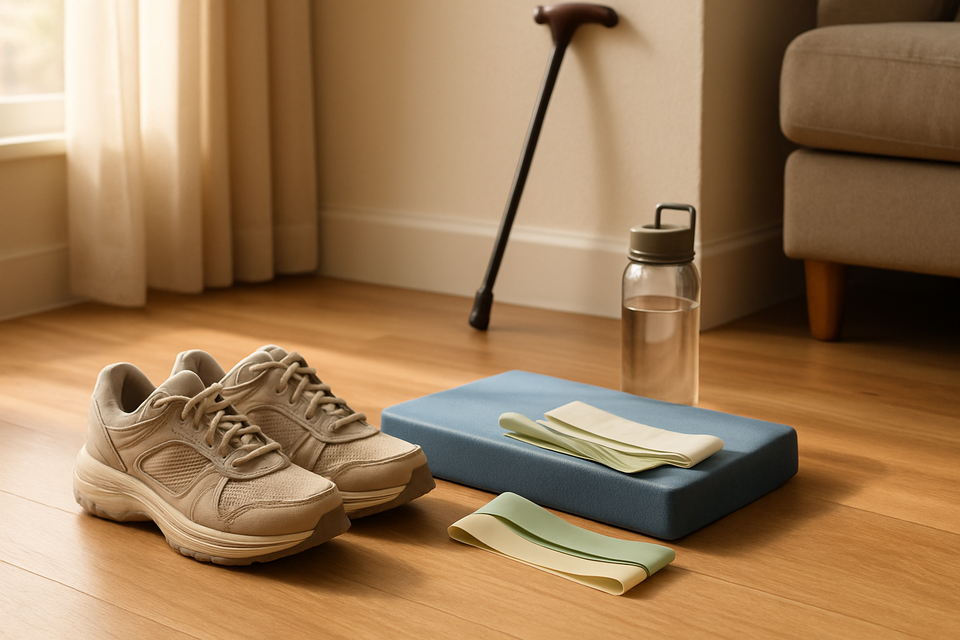
For those experiencing gym anxiety, the most powerful step is simply walking through the door during a quiet hour, requesting an orientation, and learning three to five foundational movements. Confidence will follow action, not the other way around. For those preferring home workouts, investing in a set of adjustable dumbbells or resistance bands provides enough equipment to build real strength and fitness without leaving your living room.
Recovery is not optional—it's when your body actually gets stronger. Plan rest days, prioritize sleep, and resist the urge to do more simply because you feel motivated. Sustainable progress over months and years will always outpace unsustainable intensity over weeks.
Most importantly, strength training in 2026 is not about aesthetics alone. It's about building a body that moves well, feels capable, and supports the life you want to live—whether that's playing with your kids, hiking on weekends, or simply feeling strong and confident in everyday activities. The best workout program is the one you'll actually do, and the best time to start is today.
As with any new fitness program, especially if you have existing health conditions, prior injuries, or specific medical concerns, consult a qualified healthcare professional or certified personal trainer before beginning.
Sources & Further Reading
- GLP-1 medications and the evolving role of personal trainers in muscle preservation — how weight-loss drugs are reshaping fitness programming
- Beginner strength training guidelines for women in 2026 — why lifting smarter, not harder, drives better results
- Journal of Strength and Conditioning Research, February 2026 — study showing 3 full-body workouts produce 40% more muscle gain than 4-day splits
- Modern recovery protocols in strength training — sleep, nutrition, and deload strategies
- Hybrid strength and conditioning programming — blending barbell work with conditioning for complete fitness
- HIIT versus steady-state cardio explained — definitions and practical differences
- Fat loss research comparing HIIT and steady-state cardio — similar outcomes, different time and recovery demands
- HIIT efficiency and time savings — achieving results in 40% less training time
- HIIT recovery requirements and frequency recommendations — why 48–72 hours between sessions matters
- The Polarised Training model explained — 80/20 intensity distribution and avoiding the grey zone
- Understanding gym anxiety and its causes — why nervousness around fitness environments is normal
- Why confidence follows action in fitness — the psychological shift from intimidation to capability
- How gym orientations reduce first-time anxiety — practical familiarization strategies
- The accountability and motivation benefits of workout partners — social support in fitness settings
- 2026 fitness equipment purchase trends among 18- to 29-year-olds — 63% plan purchases in next 30 days
- Most popular home fitness equipment categories in 2026 — free weights, treadmills, and yoga accessories lead
Editorial coverage of publicly reported health, fitness, wellness, nutrition, and active living developments. Move Weekly has no commercial relationship with any companies, gyms, studios, brands, events, experts, products, or organizations named.