Cycle Syncing Myth vs. Science: What Women Should Know
Cycle syncing has 294 million TikTok views, but experts say there's no scientific evidence it improves strength or energy. Here's what actually works.
Key Takeaways
- Cycle syncing lacks strong scientific support: Despite 294 million TikTok views, experts say there is no scientific evidence that aligning workouts to menstrual phases improves strength outcomes or energy, and much cycle syncing advice is based on inconclusive research rarely disclosed to consumers.
- Strength training during menopause is evidence-based and essential: As estrogen declines, resistance training counteracts muscle loss, protects bone density, boosts metabolism, and may reduce hot flashes and night sweats, with the American College of Sports Medicine recommending two to three days per week of major muscle group work.
- Postpartum recovery now emphasizes function over aesthetics: The cultural shift from "bounce back" to "rebuild" prioritizes gradual strength restoration and pelvic floor health, with experts recommending 20 to 30 minutes of gentle movement daily after medical clearance at six weeks postpartum.
- Resting based on cycle phases may harm long-term health: Extended rest periods aligned to menstrual phases could lead women to miss critical resistance training sessions that support bone health and longevity, according to fitness professionals.
- Hormonal fluctuations do influence performance, but mainstream content oversimplifies: Research confirms menstrual cycle hormones affect athletic output, yet complexity and lack of accessible monitoring tools mean these insights remain underutilized outside elite sports, while social media spreads reductive and unsupported claims.
Why Cycle Syncing Went Viral Despite Weak Science
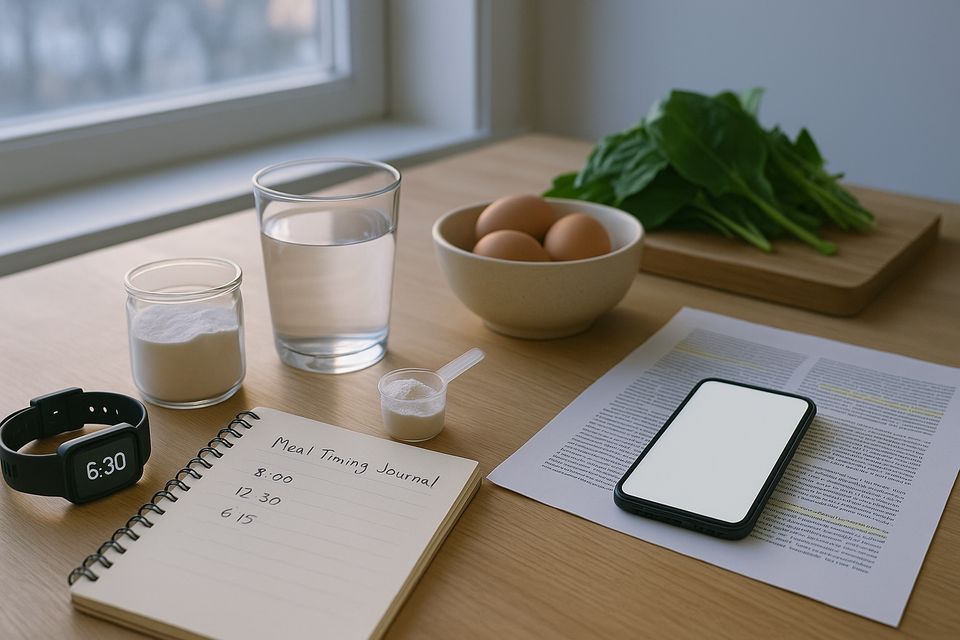
Cycle syncing has become one of the most visible wellness trends of 2025 and 2026, racking up over 294 million views on TikTok and saturating social media feeds with color-coded workout calendars, phase-specific meal plans, and promises of optimized energy. The premise is seductive: align your exercise intensity, nutrition, and daily routine to the four phases of your menstrual cycle, do gentler workouts during menstruation, and save high-intensity efforts for ovulation when estrogen peaks.
Yet the scientific foundation is shaky at best. A 2025 review found that positive beliefs surrounding cycle syncing were sourced from inconclusive scientific literature, and that this inconclusive status was almost never disclosed in the content circulating on social media. Experts are blunt: "There is no scientific evidence to support the practice," and "there's never been any literature that said, hey, women who follow cycle thinking have better strength outcomes or have more energy."
The gap between viral wellness content and evidence-based practice has never been wider. Women are being sold a personalized wellness narrative built on oversimplification, while legitimate advances in hormonal health, menopause fitness, and postpartum recovery remain under-discussed.
The Real Risk: Missing Out on Strength Training That Matters
The concern goes beyond misinformation. Planning workouts around the menstrual cycle adds another layer of complexity to maintaining a healthy lifestyle, and resting for extended periods based on cycle phases could lead women to miss important resistance training that supports bone health and longevity, according to fitness professionals.
Extensive research does confirm that hormonal fluctuations during the menstrual cycle significantly influence female athletic performance, with profound implications for public health, including promoting equitable access to sports and enhancing women's overall physical and mental well-being. The science exists, but these insights are rarely applied in practice due to the complexity and invasiveness of existing methods for monitoring hormones. Elite athletes and fitness professionals are exploring more sophisticated approaches, but mainstream wellness content has weaponized and oversimplified the concept into rigid rules unsupported by long-term clinical evidence.
Strength Training for Menopause: Where the Science Is Actually Clear
While cycle syncing dominates social feeds, the real game-changer for women's long-term health is happening in a different life stage entirely. Doctors, researchers, and fitness professionals are now talking more openly about what menopause does to the body and what women can do about it. One message keeps rising to the top: Don't stop moving. In fact, this may be the best time to start lifting weights.
As estrogen declines during menopause, women lose muscle, bone density, and metabolic efficiency. Without the anabolic stimulation of estrogen, you need to make up the difference, and strength training recommended by the American College of Sports Medicine does exactly that. The benefits are profound and evidence-based:
Bone Health and Fracture Prevention
Estrogen plays a key role in maintaining bone density, and its decline during menopause increases the risk of osteoporosis. Strength training promotes bone remodeling by stimulating osteoblast activity, helping to prevent fractures and maintain skeletal integrity.
Muscle Preservation and Metabolic Rate
Aging and hormonal changes contribute to sarcopenia, the gradual loss of muscle mass and strength. Resistance exercises counteract muscle atrophy by stimulating protein synthesis and neuromuscular adaptation, preserving functional independence. Postmenopausal metabolic rate declines, increasing the likelihood of weight gain and visceral fat accumulation. Strength training enhances resting metabolic rate by increasing lean muscle mass, which burns more calories even at rest.
Symptom Relief and Hormonal Regulation
Strength training has a direct impact on hormonal regulation, including increased secretion of androgenic hormones like testosterone and growth hormone, which are known to increase muscle protein synthesis, muscle retention, and strength gains in both men and women, as well as decreased frequency and severity of symptoms associated with menopausal changes such as hot flashes and night sweats.
Cardiovascular and Brain Health
Strength training has been shown to improve insulin sensitivity, lower blood pressure, and reduce cardiovascular disease risk, concerns that become more prominent after menopause. Additionally, resistance training supports brain health by promoting neuroplasticity and reducing the risk of cognitive decline.
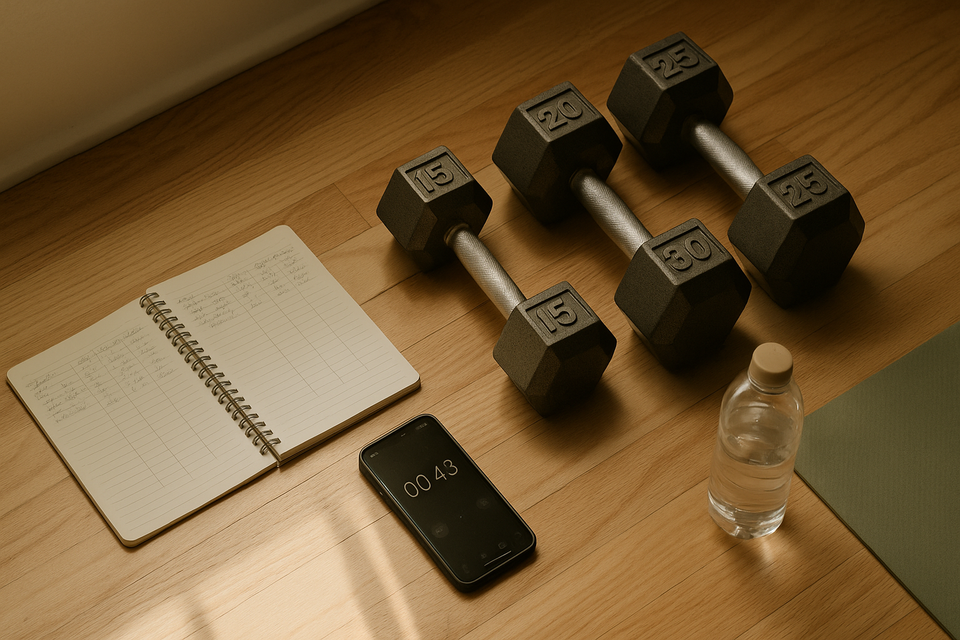
The American College of Sports Medicine recommends at least two to three days per week of strength training for major muscle groups. Compound movements such as squats, lunges, deadlifts, and push-ups are effective for building functional strength. Resistance levels should be moderate to high, 60 to 80 percent of one-rep max, with 8 to 12 repetitions per set. Progressive overload is key: gradually increasing weight, repetitions, or resistance ensures continued adaptation.
Postpartum Recovery: From Bounce Back to Rebuild
A major cultural shift is underway in how fitness professionals and healthcare providers talk about postpartum recovery. Fitness is no longer about shrinking bodies or chasing visual ideals. Research-informed approaches now prioritize how the body works, supporting daily movement, long-term strength, and real life demands through pregnancy, postpartum, and beyond.
Strength training has moved from optional to essential. Recovery is not a linear race back to a pre-baby body. It is a continuum of adaptation, influenced by research showing long-term pelvic and musculoskeletal changes after childbirth.
Most experts recommend waiting for your six-week postpartum checkup before diving into a structured program. For C-section recovery, many women need 8 to 12 weeks of healing before safely engaging in core-heavy workouts. According to the American College of Obstetricians and Gynecologists, aiming for 20 to 30 minutes of exercise per day supports postpartum recovery. Studies show this gentle movement can reduce stress, boost energy, and even lower the risk of postpartum depression.
Strength training serves as the foundation of successful postnatal fitness plans. A well-designed strength program rebuilds muscles that weakened during pregnancy and childbirth, offering advantages over cardio-focused routines by restoring core stability, pelvic floor function, and full-body strength needed for daily tasks like lifting a car seat or carrying a toddler.
What This Means for Readers
Editorial analysis — not reported fact:
If you are scrolling through cycle syncing content on TikTok or Instagram, approach it with healthy skepticism. The viral promise of perfectly timed workouts and optimized energy is not backed by strong science, and rigidly following cycle-based rest periods may actually cost you the resistance training sessions that protect your bones and metabolism long-term.
If you are in perimenopause or menopause, this is the moment to prioritize strength training, not step back from it. Two to three sessions per week of compound movements like squats, deadlifts, and push-ups can counteract muscle loss, protect bone density, ease symptoms like hot flashes, and support cardiovascular and brain health. Progressive overload, meaning gradually increasing weight or resistance over time, is key. If you are new to lifting, consider working with a trainer who understands menopause-specific needs, or explore programs designed for midlife women.
If you are postpartum, give yourself permission to rebuild rather than bounce back. Wait for medical clearance at six weeks, or 8 to 12 weeks after a C-section, before returning to structured strength work. Start with 20 to 30 minutes of gentle movement daily, focusing on pelvic floor health and core stabilization before progressing to heavier loads. A well-designed strength program will serve you better than chasing pre-pregnancy aesthetics or following generic cardio plans.
For all life stages, consult a qualified healthcare provider, physical therapist, or certified trainer before starting a new exercise program, especially if you have a history of pelvic floor issues, joint pain, osteoporosis, or chronic conditions. Hormonal health is nuanced, and personalized guidance beats one-size-fits-all social media advice every time.
Sources & Further Reading
- TikTok cycle syncing content — social media hub with over 294 million views on the trend
- American College of Sports Medicine — evidence-based recommendations for strength training frequency, intensity, and progression
- American College of Obstetricians and Gynecologists — postpartum exercise guidelines and recovery timelines
Editorial coverage of publicly reported health, fitness, wellness, nutrition, and active living developments. Move Weekly has no commercial relationship with any companies, gyms, studios, brands, events, experts, products, or organizations named.