Fitness Experience Economy: Run Clubs to Wellness Festivals
Americans are moving fitness from solo workouts to experiential group events like run clubs, HYROX races, and wellness festivals, spending more than ever.
Key Takeaways
- Fitness spending is surging: Americans now spend an average of $101.80 per month on gym memberships, up 19% from 2024 to 2025, as wellness becomes a necessity rather than discretionary spending.
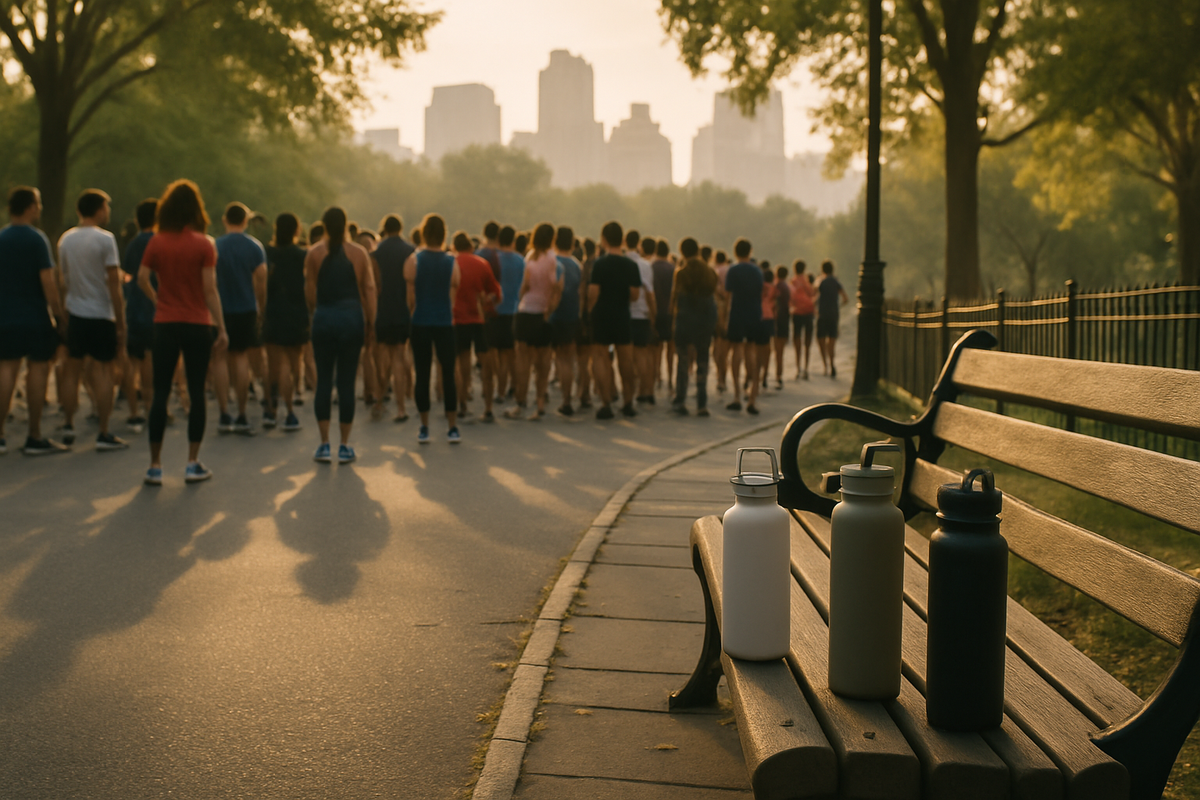
- Run clubs are redefining community fitness: Free weekly run clubs have exploded in popularity since the pandemic, with events that once drew 100 participants now attracting 200-plus, offering genuine connection without membership fees and powered by Instagram and Strava discoverability.
- HYROX is reshaping competitive fitness: With over 100 global events in 2026, HYROX combines functional exercises with running intervals in a race format accessible regardless of age or ability, becoming one of the fastest-growing fitness competitions worldwide.
- Wellness festivals prioritize experience over perfection: Multi-day wellness gatherings, sober morning dance events, and fitness expos emphasize collective energy, human connection, and judgment-free participation in response to digital overload and social fragmentation.
- Wellness retreats are booming: The Wellness Retreat Market grew from $248.09 billion in 2025 to $273.15 billion in 2026 and is projected to reach $398.99 billion by 2030, driven by demand for personalization, preventive healthcare, and outdoor endurance challenges.
- Group fitness attendance is climbing: In 2026, 34% of all U.S. health club visits are group fitness classes, with approximately 28% of gym-goers attending regularly for community, accountability, and structured routines.
Why Americans Are Trading Solo Workouts for Shared Fitness Experiences
Fitness in America is becoming less about what you do alone and more about who you do it with. From free weekly run clubs to paid wellness festivals, competitive races, and multi-day retreats, the collective fitness experience is taking center stage in 2026. This shift marks what trend forecasters call the "festivalization of wellness", a movement that prioritizes human connection, emotional release, and identity-driven participation over isolated gym sessions or solo home workouts.
The numbers tell the story. Gym membership spending jumped 19% from 2024 to 2025, with Americans now spending an average of $101.80 per month. Beyond membership fees, 86% of Americans say access to gyms, studios, or other fitness facilities will be important to reaching their 2026 goals, treating health and wellness spending as a necessity rather than discretionary expense. Meanwhile, the Wellness Retreat Market grew from $248.09 billion in 2025 to $273.15 billion in 2026, and is projected to reach $398.99 billion by 2030, growing at a 9.9% compound annual growth rate.
Run Clubs: The Free, Social Fitness Phenomenon Sweeping Cities
Interest in run clubs surged after the pandemic, as social distancing drove residents to search for accessible communities outside of their computer screens. Mill City Running events that attracted 100 people years ago now draw twice as many, and the trend shows no signs of slowing. Run clubs offer something gyms cannot: genuine connection without a membership fee.
Instagram and Strava turned local run clubs into discoverable communities, complete with their own aesthetics, merch drops, and event calendars. Strava's 2025 Year In Sport release describes an ecosystem with over 180 million users across more than 185 countries, noting how clubs have surged in popularity. Outdoor groups like November Project, born in Boston and built around free early workouts, turn public spaces into reliable meeting points. Parkrun adds a predictable weekly 5K ritual led by volunteers, welcoming beginners without demanding a membership card.
HYROX and the Rise of Mass-Participation Fitness Competitions
HYROX, with over 100 global events in 2026, is where training meets community and effort meets experience. HYROX has swept the fitness world by combining functional exercises with running intervals in a challenging yet achievable format, regardless of age or ability. The race has become one of the fastest-growing fitness competitions in the world.
The United States is one of the most significant markets in the HYROX competition season, hosting large-scale events that attract thousands of athletes from across the country and abroad. Divisions ranging from Open and Pro to Doubles and Relay formats cater to a wide range of fitness levels. Fueled by a boom in recreational running and the rise of mass-participation fitness events, this trend shows no signs of stopping.
Wellness Festivals and the Festivalization of Wellness
Wellness festivals respond to widespread economic stress, social fragmentation, and digital overload by prioritizing human connection, collective energy, and emotional release. These gatherings include wellness raves, sober morning dance events, and multi-day immersions that reframe wellbeing as experiential, social, and identity-driven rather than prescriptive or perfection-oriented.
Spanning movement, music, sauna culture, learning, and creative expression, they emphasize participation over performance and lower barriers to entry by creating judgment-free spaces where people explore what intuitively feels good. Events like FitFest Tampa Bay offer Florida's ultimate sports festival and fitness expo, featuring live competitions, wellness vendors, special guests, and family fun in the heart of Tampa Bay's thriving fitness community. Top wellness conferences in 2026 include major events like IDEA World, FIBO, CanFitPro, NSCACon, and large fitness trade shows like the Arnold Sports Festival.
Wellness Retreats and Fitness-Oriented Travel
According to McKinsey & Company's 2025 wellness report, demand for in-person services such as boutique fitness classes has increased within the travel sector, with 60% of consumers who have traveled for health and wellness treatments planning to continue doing so, and 30% willing to spend even more in 2026. Wellness retreats in 2026 are fully focused on personalization, with customized programs for each individual ensuring results that feel authentic and long-lasting.
The growth of the fitness-oriented travel and retreats market is primarily driven by the increasing emphasis on preventive healthcare, with rising stress levels, sedentary lifestyles, and the growing need for physical and mental rejuvenation as key factors contributing to demand. If 2025 was the year of longevity retreats and digital detoxing, 2026 is all about returning to the elements, which could mean plunging into glacial waters, swapping spa hotels for cabins in the woods, taking on outdoor endurance challenges, or exploring ancient healing practices.
Local Community Fitness Events and Group Classes
In 2026, group fitness class attendance across U.S. health clubs has risen to 34% of all gym visits, with around 28% of U.S. gym-goers attending group fitness classes, drawn by community, accountability, and structured routines. Free outdoor bootcamps and outdoor fitness classes are popular ways to engage communities.
Outdoor runs, hikes, and biking events are some of the best ways a facility owner can promote itself to the community, with these free, inclusive events attracting individuals of a wide variety of fitness levels. In 2025 and 2026, branded group classes and pop-up experiences tied to festivals, product launches, and collaborations are expected, with fitness brands co-creating signature class formats with influencers to boost exposure.
What This Means for Readers
Editorial analysis — not reported fact:
If you've been struggling to stick with home workouts or feel disconnected from your gym routine, the rise of experiential fitness offers a clear path forward. Free run clubs, accessible through Instagram or Strava, provide an entry point with zero cost and built-in accountability. For those seeking more structure, HYROX events and local 5Ks offer goal-oriented training with a celebratory finish line. If you're looking for deeper immersion, wellness festivals and weekend retreats combine movement, community, and self-care in one package.
The practical takeaway is this: fitness spending is rising because Americans are investing in experiences that deliver connection alongside physical results. Whether you're a beginner looking for a welcoming run club, an experienced athlete ready to tackle a HYROX competition, or someone craving a weekend wellness retreat, the infrastructure is expanding rapidly in 2026. Start local, explore free community events, and consider treating fitness experiences as a core part of your wellness budget rather than an add-on.
As always, consult a qualified healthcare professional before beginning any new fitness program, especially if you have underlying health conditions or are new to structured exercise.
Sources & Further Reading
- CNBC report on gym spending increase from 2024 to 2025 — data on average monthly membership costs and consumer attitudes toward wellness spending
- Grand View Research Wellness Retreat Market report — market size, growth projections, and key drivers for wellness retreats through 2030
- Runner's World on run club popularity and community — participation trends and the social fitness phenomenon
- Strava's 2025 Year In Sport release — global user data and club ecosystem insights
- HYROX official website — event schedule, competition formats, and participation information
- Mindbodygreen on the festivalization of wellness — analysis of wellness festivals, community gatherings, and experiential fitness trends
- FitFest Tampa Bay — details on Florida's sports festival and fitness expo
- McKinsey & Company 2025 wellness report — consumer spending on wellness travel and in-person fitness services
- IHRSA group fitness participation trends — data on class attendance and gym visit patterns in 2026
- Parkrun USA — information on free weekly 5K community runs
Editorial coverage of publicly reported health, fitness, wellness, nutrition, and active living developments. Move Weekly has no commercial relationship with any companies, gyms, studios, brands, events, experts, products, or organizations named.