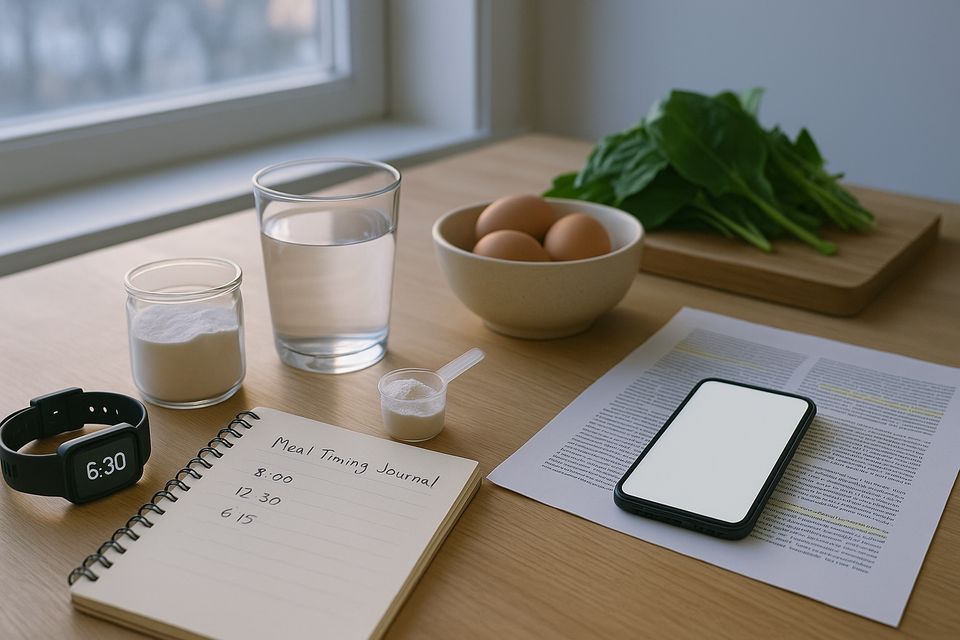
Functional Beverages: From Wellness Niche to Daily Essential
The U.S. functional beverage market reached $67–70 billion in 2026 as consumers shift from generic wellness to targeted benefits like protein coffee, electrolytes, and probiotic sodas.
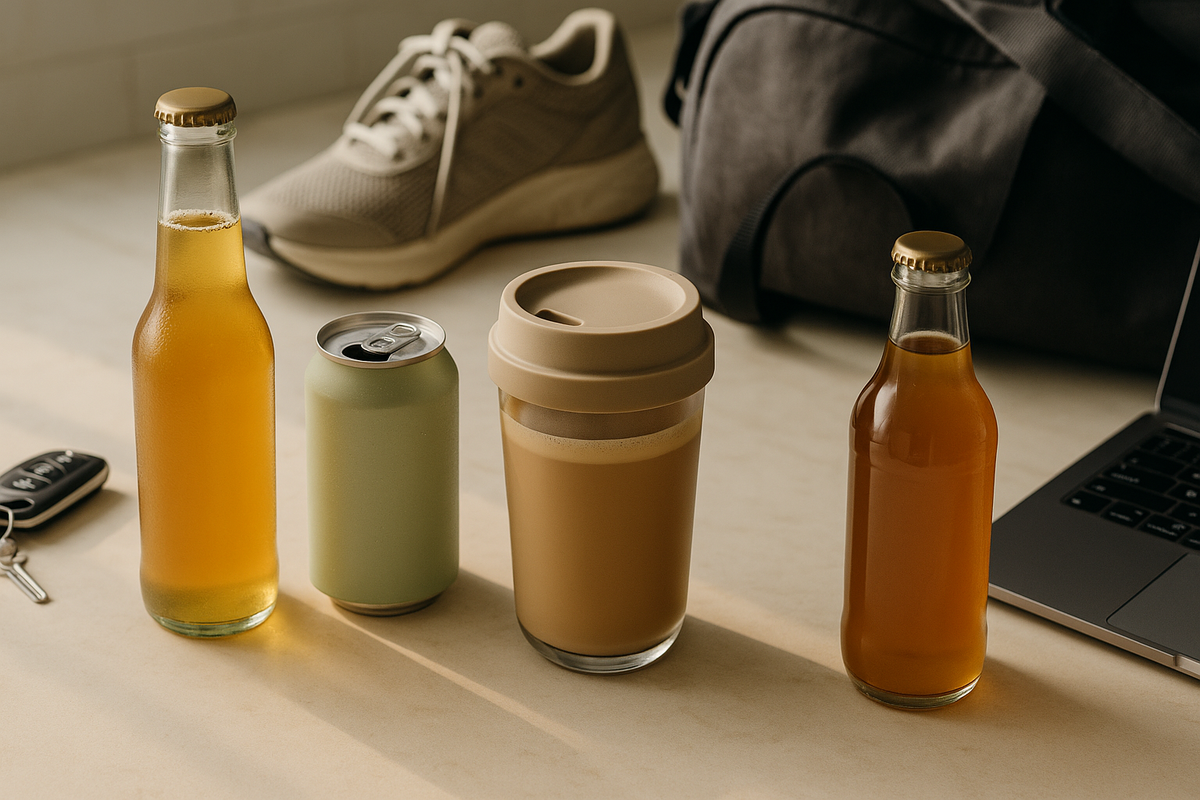
Key Takeaways
- Functional beverage market growth: The U.S. functional beverage market is projected to reach $67–70 billion in 2026, growing 7–9% annually as consumers shift from general wellness to targeted health outcomes like energy, immunity, and gut health.
- Targeted benefits over broad claims: Consumers now seek beverages formulated for specific, measurable outcomes such as defined protein amounts for recovery, prebiotic fiber for digestive health, or melatonin and magnesium for sleep, rather than generic "wellness" promises.
- Protein coffee and hydration lead growth: Protein coffee is experiencing 31.7% year-over-year growth driven by TikTok popularity, while the U.S. electrolyte drinks market reached $11.01 billion in 2026, with electrolyte product sales up 31% over the prior year.
- Kombucha and probiotic soda surge: The U.S. kombucha market is projected to grow from $681.42 million in 2026 to $3.57 billion by 2034 at 23% annual growth, with probiotic sodas like Poppi and Olipop turning traditional soda into functional wellness beverages.
- Adaptogens and greens powders mainstream: Beverages with adaptogens represent a $1.6+ billion opportunity, up 18% in the 52 weeks ending February 2026, while the U.S. accounts for 38% of global greens powder consumption, with 57% of supplement users incorporating greens into daily routines.
- Consumer willingness to pay premium prices: 58% of U.S. consumers now pay closer attention to beverage ingredients, and 52% are willing to pay premium prices for drinks that support specific health goals, reflecting a fundamental shift in how Americans view beverages as functional tools.
Why Functional Beverages Have Moved From Niche to Mainstream
The U.S. functional beverage market is undergoing a fundamental transformation in 2026, projected to reach $67–70 billion with 7–9% annual growth as consumers increasingly view what they drink as functional tools rather than simple refreshment. This shift is driven by concrete lifestyle changes: 66% of consumers report exercising more, 64% are making healthier food choices, and 52% prioritize sleep.
The beverage-for-wellness trend reflects more than market expansion. It represents a fundamental change in consumer behavior, fueled by rising healthcare costs that drive preventative wellness strategies, aging demographics seeking joint health and cognitive support, and post-pandemic focus on stress management that normalized ingredients like adaptogens and nootropics. According to market research on consumer behavior, Americans now view beverages as functional tools for cognitive enhancement, stress management, gut health, and active longevity.
Social media visibility has accelerated this shift dramatically. Searches for functional beverages increased 14.1% on Google, 43.3% on TikTok, and 171.1% on Instagram in 2025 versus 2024, signaling that wellness drinks have moved from specialty health food stores to everyday consumer consciousness.
The Shift From Generic Wellness to Targeted Benefits
The most significant change in functional beverages is the move away from vague "wellness" claims toward single, measurable outcomes. Instead of general health halos, brands are now formulating around specific goals: a defined amount of protein for post-workout recovery, particular prebiotic fiber strains for gut health, or precise melatonin and magnesium doses for sleep support.
This targeted approach is winning consumer trust because it slots into routines people already have. Protein coffee replaces the morning cup while adding recovery support. Prebiotic soda satisfies fizzy drink cravings while contributing to digestive health. Functional teas provide afternoon energy without the crash. According to industry analysis, products built on "small, convenient, targeted benefits" demonstrate more robust business models than drinks built around single trending ingredients.
Protein Coffee and Ready-to-Drink Protein Beverages
Protein coffee has emerged as one of 2026's fastest-growing functional beverage categories, with 31.7% predicted year-over-year growth and 85.1% of its popularity tied to TikTok visibility. The format appeals to morning multitaskers who want caffeine and protein in a single convenient drink.
Major chains including Starbucks, Dunkin', and Chobani have entered the protein coffee space, while niche brands like Clean Simple Eats and Jordan's Skinny Mixes cultivate loyal followings. The broader plant-based protein beverage market alone generated $568.1 million in U.S. demand in 2026, reflecting consumer appetite for alternatives to traditional dairy-based protein drinks.
Protein Water Gains Momentum
Protein water has carved out its own niche, reaching $20 million in annual U.S. sales with high momentum from both current users increasing consumption and new users entering the category. The format appeals to consumers seeking post-workout recovery without the thickness or sweetness of traditional protein shakes.
Electrolytes and Hydration Products Expand Beyond Sports
The U.S. electrolyte drinks market reached $11.01 billion in 2026, driven by consumers viewing hydration as a daily wellness essential rather than a sports-specific need. Electrolyte drinks and powders saw sales increase 31% over the prior year, reflecting growing awareness of hydration's role in energy, cognitive function, and recovery.
Sports drinks as a category grew sales 8.5% in the trailing 12 weeks through June 2026, with brands like Electrolit surging while earlier viral sensations like PRIME experienced declines, according to beverage industry sales data. The shift suggests consumers are moving toward products with functional hydration claims backed by ingredient transparency rather than celebrity endorsements alone.
Kombucha and Probiotic Soda Drive Gut Health Focus
The U.S. kombucha market is experiencing explosive growth, projected to expand from $681.42 million in 2026 to $3.57 billion by 2034, growing at 23% annually. This surge reflects rising consumer demand for probiotic and gut-health beverages, increasing preference for natural and organic drinks, and growth in functional and fermented beverage consumption.
Flavored kombucha varieties are gaining popularity, with brands adding functional ingredients like adaptogens, vitamins, and plant-based extracts to distinguish their products. The broader U.S. kombucha market analysis projects growth from $1.20 billion in 2024 to $2.96 billion by 2033, with a 10.56% compound annual growth rate.
Probiotic Soda Turns Traditional Soda Into Wellness
Probiotic sodas have transformed the soft drink category, with brands like Poppi and Olipop turning fizzy beverages into gut-health statements. Poppi alone averages 28.0 million weekly views on TikTok, with 80.1% of the category's popularity tied to the platform. These beverages appeal to consumers seeking the sensory experience of soda while aligning with wellness goals, particularly as two-thirds of U.S. consumers say they would choose lower-sugar or lower-calorie drink options.
Adaptogens, Social Tonics, and Mood-Focused Drinks
Beverages featuring adaptogens represent a $1.6+ billion opportunity, up 18% in the 52 weeks ending February 14, 2026. The category includes mushroom coffee, kava beverages, and branded "social tonics" designed to provide functional escapism without alcohol or THC.
Brands like Kin, Moment, and Spacegoods are positioning adaptogen-infused beverages as alternatives for social occasions, stress management, and cognitive support. According to consumer research on functional escapism beverages, 29% of Gen Z and 26% of Millennials report consuming a functional wellness drink without THC on premise in the past six months, suggesting these products are finding use cases beyond home consumption.
Greens Powders Become Daily Supplement Staples
The United States accounts for approximately 38% of global greens powder consumption, with 57% of Americans who actively consume dietary supplements including greens in morning or pre- and post-workout routines. The global green powder market reached $415.1 million in 2026 and is projected to hit $1.24 billion by 2035, growing at 12.9% annually.
Product innovation is driving growth, with about 52% of new green powder products now featuring probiotics, collagen, or adaptogens for added functionality beyond basic vegetable and fruit extracts. These additions reflect the broader trend toward targeted benefits, allowing greens powders to address gut health, skin health, or stress management alongside foundational nutrition.
What This Means for Readers
Editorial analysis — not reported fact:
The functional beverage shift offers everyday consumers more tools to support specific health goals, but it also requires more careful label reading and realistic expectations. A protein coffee can genuinely help meet daily protein targets if it contains 15–20 grams per serving, making it a practical choice for busy mornings or post-workout recovery. Electrolyte drinks can support hydration during hot weather, intense exercise, or illness recovery, particularly if they contain sodium, potassium, and magnesium in meaningful amounts.
Probiotic sodas and kombucha may contribute to gut health as part of a diet that includes diverse fiber sources, though a single beverage cannot replace whole food nutrition. Adaptogens and greens powders show promise in research, but individual responses vary, and these products work best as complements to, not replacements for, balanced eating, regular movement, adequate sleep, and stress management strategies.
When evaluating functional beverages, look for specific ingredient amounts rather than proprietary blends, check sugar content even in "healthy" drinks, and consider whether the product fits naturally into your existing routines. A beverage you will actually drink consistently delivers more value than one with impressive claims you rarely consume. For questions about how functional beverages fit individual health conditions, dietary restrictions, or wellness goals, consult a registered dietitian or healthcare provider familiar with your specific situation.
Sources & Further Reading
- Grand View Research U.S. Functional Beverages Market Analysis — Market size, growth projections, and key trends driving the functional beverage category in 2026
- Nutrition Insight on Functional Beverage Market Growth — Consumer behavior shifts, targeted benefits strategy, and lifestyle drivers
- Winsight Media on TikTok Trends Shaping Functional Beverages — Social media influence on protein coffee, probiotic soda, and energy drink popularity
- Expert Market Research U.S. Electrolyte Drinks Market Report — Electrolyte beverage market size and hydration category trends
- Data Bridge Market Research U.S. Kombucha Market Analysis — Kombucha growth projections, flavor trends, and functional ingredient additions
- Future Market Insights Global Green Powder Market Report — Greens powder consumption patterns and market growth forecasts
- Mordor Intelligence Plant-Based Protein Beverages Market — Plant-based protein beverage demand and category trends in the U.S.
- Nutrition Insight on Protein Water Market Momentum — Protein water sales growth and consumer adoption patterns
Editorial coverage of publicly reported health, fitness, wellness, nutrition, and active living developments. Move Weekly has no commercial relationship with any companies, gyms, studios, brands, events, experts, products, or organizations named.