Functional Food Trends Reshape U.S. Grocery in 2026
High-protein snacks hit $34.44 billion, functional drinks reach $178.9 billion, and gut health products surge as American consumers redefine healthy eating.
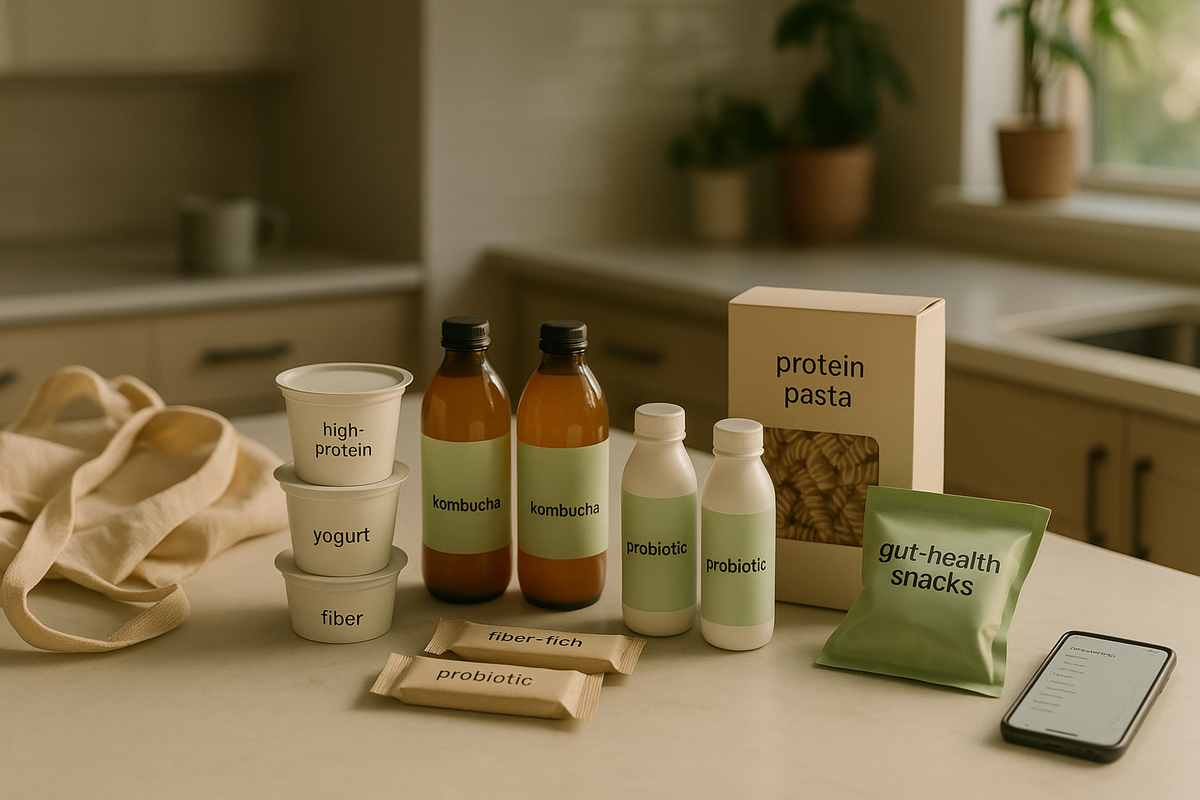
Key Takeaways
- Protein snacks dominate U.S. grocery baskets: Over 60% of American consumers are actively trying to eat more protein, driving the protein snacks market to $34.44 billion in 2026, with chips and crisps the fastest-growing high-protein format through 2033.
- Functional ingredients beyond protein are surging: Collagen-fortified snacks saw 80% year-over-year dollar growth, fiber supplements jumped more than 700%, and gut health products including sauerkraut and kimchi posted double-digit retail gains as consumers prioritize digestive wellness.
- Functional drinks hit $178.9 billion in 2026: Energy drinks and electrolyte beverages lead the category, with 74 million Americans consuming functional drinks weekly and prebiotic sodas doubling in size over the past year despite holding just 2% of the U.S. soft drink market.
- GLP-1 medications are reshaping snack aisles: Rising use of weight management drugs has increased demand for high-protein, portion-controlled snacks, as patients are advised to prioritize protein intake, accelerating the shift away from traditional carb-based options.
- Clean label expectations create high product failure rates: Despite strong consumer interest, many high-protein products fail because they do not meet clean label standards, transparent sourcing, or brand authenticity, underscoring the importance of ingredient integrity alongside functional benefits.
How American Shoppers Are Redefining Healthy Groceries in 2026
American grocery baskets are undergoing a structural transformation in 2026, driven by a nationwide pivot toward high-protein diets, functional ingredients, and snacks designed to deliver specific health benefits alongside taste. According to the International Food Information Council, over 60% of U.S. consumers are actively trying to consume more protein, with nearly 61% seeking snacks high in protein as part of their daily eating patterns. This shift reflects the mainstreaming of sports nutrition, the influence of fitness culture, and a broader consumer preference for foods that align with health goals rather than indulgence alone.
The convergence of these trends is playing out across every grocery aisle. Fresh, protein-forward categories are growing while snacks, desserts, and sugary beverages decline. Meanwhile, functional drinks, gut health products, and fiber-enhanced foods are posting triple-digit growth rates, signaling that "healthy" now means nutrient-dense, purpose-driven, and aligned to specific wellness priorities.
The High-Protein Snack Boom Reshaping Grocery Aisles
The protein snacks market is booming. Worth $34.44 billion in 2026, the category is growing at a compound annual growth rate of 7.58% and is projected to reach $49.62 billion by 2031, with some forecasts placing the global market at $72.2 billion by 2033. Chips and crisps represent the fastest-growing product type through 2033, as manufacturers pair the world's most popular snack format with high-protein functionality.
Consumer demand is intense. Nearly 49% of Americans snack three or more times daily, and protein-forward snack conversations have increased by 17% over the past 12 months, with low-sugar pairings particularly popular among Gen Z and Millennial shoppers. One in five high-protein snack buyers repurchase within 30 days, a higher rate than traditional carb-based alternatives, signaling strong category loyalty.
Trending formats include protein bars with low sugar content, Greek yogurt-based snacks, roasted chickpeas and plant protein snacks, beef and turkey jerky, plant-based jerky, protein cookies and baked goods, carnivore sticks, high-protein desserts, and ready-to-drink protein shakes. The category's growth is partly fueled by the uptick in people taking GLP-1 medications for weight management, as patients are advised to increase protein intake to preserve muscle mass during weight loss.
However, success is not guaranteed. Industry observers note a "graveyard" of high-protein products that failed because they did not meet consumers' clean label expectations, sourcing standards, or brand alignment, underscoring the importance of ingredient integrity alongside functional claims.
Functional Ingredients Beyond Protein Gain Mainstream Traction
Protein is just the opening act. SPINS retail data shows an 80% year-over-year uptick in dollar growth for snacks with collagen ingredients, a 48% increase for super mushroom ingredients, a 41% boost for added hemp protein, and a 10% rise for super green ingredients. Fiber supplements surged more than 700%, while fiber-enhanced breakfast foods jumped 85%, as consumers prioritize digestive health and satiety.
Gut health has become a sleeper retail category in 2026, with more than 80% of consumers considering gut health important and over half planning to prioritize it even more in the coming years. Fermented foods are trending nationwide, with sauerkraut and kimchi posting strong regional gains. Amazon's grocery unit reported about 12% year-over-year growth in cabbage sales in 2025, with a 25% increase for fermented cabbage products such as sauerkraut and kimchi.
Emerging functional ingredients are crossing over from supplements into everyday food and beverage products. SPINS reports triple-digit growth for colostrum, up nearly 785%, and sea moss, up more than 200%, signaling strong crossover potential as consumers seek proactive health solutions in familiar grocery formats.
Functional Drinks Lead the Beverage Aisle Transformation
The global functional drinks market reached $178.9 billion in 2026 and is projected to grow to $315.9 billion by 2033, at a compound annual growth rate of 8.5%. The United States is expected to grow at the fastest rate, 8.0% from 2026 to 2033, reflecting strong domestic demand for energy drinks, electrolyte beverages, and prebiotic sodas.
Energy drinks and shots led the market with the largest revenue share of 51.8% in 2025. More than 74 million consumers in the United States consume functional beverages weekly, with energy drinks accounting for 44% of national consumption and sports drinks 31%. The energy beverages segment is evolving beyond traditional stimulants, with growing consumer preference for natural energy drinks and clean energy solutions that reflect a broader trend toward proactive health management.
In February 2026, Coca-Cola entered the fast-growing prebiotic soda market with Simply Pop, a new functional beverage targeting health-conscious consumers. The prebiotic soda category has doubled in size over the past year, yet still makes up only 2% of the $42.4 billion U.S. soft drink market, indicating significant runway for growth.
Enhanced waters with electrolytes such as sodium, potassium, and magnesium are replacing traditional sports drinks, particularly among fitness enthusiasts and remote workers seeking hydration without added sugar. Around 67% of consumers prefer sugar-free or low-calorie formulations, driving product innovation in ready-to-drink coconut water with added calcium, electrolyte powders, and flavored electrolyte waters.
What This Means for Readers
Editorial analysis — not reported fact:
If you have noticed grocery aisles looking different lately, you are not imagining it. The rise of high-protein snacks, functional drinks, and gut health products reflects a fundamental shift in how Americans think about food. Snacking is no longer just about convenience or indulgence; it is increasingly about hitting specific nutritional goals, whether that is 20 grams of protein to support an afternoon workout, added fiber for digestive health, or electrolytes for hydration without sugar.
For everyday shoppers, this creates both opportunity and complexity. The explosion of high-protein chips, collagen-infused snacks, and prebiotic sodas means more options aligned to health priorities, but it also requires closer attention to labels, sourcing, and ingredient lists. Not all functional products deliver on their promises, and the "graveyard" of failed launches suggests that branding alone does not guarantee quality.
Practically, this means reading nutrition panels, comparing protein and fiber content per serving, checking for clean label ingredients, and being skeptical of products that rely on buzzwords without transparent sourcing. If you are taking GLP-1 medications or managing specific dietary needs, the current grocery landscape offers more targeted options than ever, but consulting a registered dietitian or healthcare provider remains important for personalized guidance, especially when navigating high-protein diets, functional supplements, or new ingredient categories like colostrum or sea moss.
For active adults, busy professionals, parents, and wellness-curious consumers, the functional food shift is creating real convenience. High-protein snacks with low sugar can support energy and satiety between meals. Fermented foods and fiber-enhanced products may support digestive health. Electrolyte drinks without added sugar offer hydration for workouts or long workdays. The key is matching products to your specific needs rather than chasing every trend, and prioritizing whole foods alongside functional packaged options.
Sources & Further Reading
- International Food Information Council — consumer survey data on protein consumption and snacking patterns in the U.S.
- SPINS retail market data — year-over-year growth figures for functional ingredients including collagen, fiber, colostrum, and sea moss
- U.S. Food and Drug Administration — guidance on GLP-1 medications and nutrition labeling standards
- The Coca-Cola Company — February 2026 launch of Simply Pop prebiotic soda and category context
- Amazon grocery sales data — year-over-year growth in cabbage and fermented cabbage products
Editorial coverage of publicly reported health, fitness, wellness, nutrition, and active living developments. Move Weekly has no commercial relationship with any companies, gyms, studios, brands, events, experts, products, or organizations named.