Home Fitness Goes AI: Smart Apps & Gear Now Majority Mode
More than 50% of Americans now use home fitness as their primary workout mode, driven by AI apps, compact smart equipment, and wearable integration.
Key Takeaways
- Home fitness is now the primary workout mode: More than 50% of Americans now use home fitness as their main training method, driven by Gen Z and Millennials seeking flexibility and personalized digital experiences.
- AI personalized fitness apps dominate the market: AI-driven apps hold 59.4% of the product type segment in 2026, using adaptive algorithms and real-time biometric data to create daily workout plans that improve adherence and retention.
- Smart equipment has gone compact: Devices like Tonal 2 and Speediance Gym Monster 2 deliver 250-300 pounds of digital resistance, real-time form feedback, and hundreds of guided workouts in space-saving designs that fit small apartments.
- Hybrid fitness is now standard: Nearly 60% of gym members prefer hybrid models combining in-person and virtual offerings, with 40% wanting seamless access to workouts in the gym, at home, and on the go simultaneously.
- Subscription fatigue is reshaping pricing: Monthly churn for fitness apps climbed from 8.2% in 2023 to 11.7% in 2025, pushing consumers toward one-time unlock models and driving 34% growth in searches for lifetime-purchase workout apps.
- Wearable integration is essential: Apps that sync heart rate, sleep quality, and activity data from devices like Apple Watch and Oura Ring see higher engagement, with AI-assisted virtual coaching now capturing 31% of the $46.3 billion personal training market.
Home Fitness Crosses the Majority Threshold in 2026
For the first time, home fitness has become the primary workout mode for a majority of Americans. This shift represents a fundamental change in how people approach their fitness routines, moving from gym-centered training to integrated digital experiences that combine AI coaching, connected equipment, and wearable data.
The numbers tell the story: the US fitness apps market reached $2.49 billion in 2025 and is projected to hit $2.6 billion in 2026, while the global health and fitness app market grew from $13.8 billion in 2024 to an estimated $15.9 billion in 2026, reflecting compound annual growth averaging 14.7% since 2020. Driving this expansion are smartphone penetration in emerging markets, post-pandemic normalization of home training, and growing accessibility of wearable integration.
According to the Health & Fitness Association's 2026 Consumer Report, total consumer penetration of fitness facilities rose to 33.5% in 2025, but members now expect far more than basic facility access. They want choice, digital convenience, and personalization that follows them wherever they train.
Why AI Personalized Apps Now Dominate the Market
AI personalized fitness apps hold 59.4% of the product type segment in 2026, supported by adaptive training algorithms, real-time biometric integration, and significantly higher subscription retention rates compared to static workout libraries. These apps analyze body metrics, goals, and progress to create personalized daily workout plans that improve adherence and workout relevance.
The impact extends beyond apps. AI-assisted virtual coaching platforms now capture 31% of the $46.3 billion global personal training services market and are growing at a rate nearly three times faster than traditional in-person training. This represents a fundamental shift in how coaching is delivered and consumed.
Deeper integration of wearable device biometric data including heart rate, sleep quality, and activity patterns into personalized training algorithms is increasing user engagement and retention. Home workouts are increasingly linked to a broader quantified self movement, with smart bikes, Oura rings, and nutrition apps now communicating with each other to provide a holistic view of health and performance.
Smart Equipment Gets Compact and Space-Conscious
The stereotype of the home gym as a room full of bulky machines is outdated. Today's smart fitness equipment prioritizes compact design, digital resistance, and AI-powered feedback that fits into apartments and spare bedrooms.
The Tonal 2 smart home gym delivers up to 250 pounds of digital resistance and includes an integrated camera for Smart View coaching tools providing real-time feedback on form and performance. Meanwhile, the Speediance Gym Monster 2 delivers AI-powered real-time coaching, 300+ guided workouts, and advanced performance data without an ongoing monthly charge, with all core features unlocking at purchase.
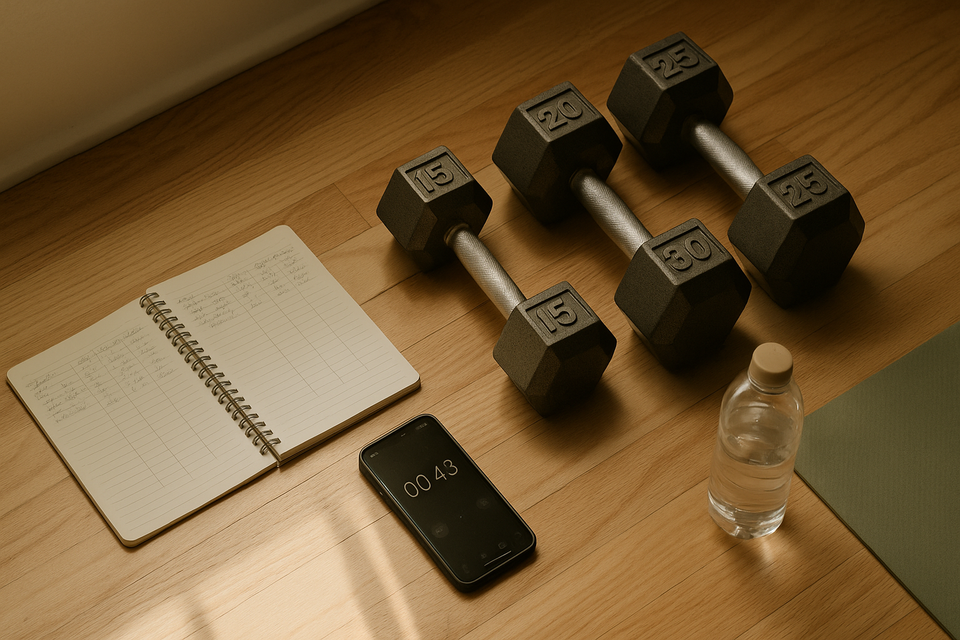
For those seeking even simpler setups, consumers increasingly prefer short, effective routines using only dumbbells, with exercises like squats, presses, and lunges targeting the entire body without requiring expensive machines. This approach addresses both budget constraints and space limitations common in urban living.
Hybrid Fitness Becomes the New Standard
The either-or choice between gym and home training has collapsed. Nearly 60% of gym members now prefer hybrid models combining in-person and virtual offerings, with 40% wanting access to fitness in the gym, at home, and on the go simultaneously.
The flow works both ways. Approximately 35% of Americans who started with virtual fitness classes have since added in-person gym memberships, suggesting that digital tools serve as an onramp rather than a replacement for facility-based training. Members increasingly arrive at the gym with performance data in hand, creating demand for coaches and equipment that meet data-informed training goals.
Smart gym equipment that integrates with wearables is becoming a key differentiator for premium facilities, as consumers expect seamless continuity between their home workouts tracked via Apple Watch and their gym sessions logged by connected strength equipment.
YouTube Fitness Creators Drive Health Decisions
87.6% of people watch health-related content on YouTube, and 84.7% make decisions based on what they watch. This makes YouTube one of the most influential platforms for fitness education and motivation, spanning science-based creators like Jeff Nippard who breaks down anatomy for gym-goers, motivation-driven influencers like Chloe Ting and Pamela Reif, mind-body channels like Yoga With Adriene, and high-energy personalities like Body Coach TV's Joe Wicks.
84% of fitness content viewers report being influenced in their health or purchase decisions by creators, and the financial incentives are substantial. Established fitness creators with 500K+ subscribers can maintain 20 to 100+ active coaching clients, generating $4,000 to $50,000 per month in coaching revenue alone, as fitness creators earn most income from personal coaching and digital products rather than ad revenue.
Subscription Fatigue Reshapes Pricing Models
The proliferation of fitness apps has created a backlash. Fitness app subscription churn rates increased from 8.2% per month in 2023 to 11.7% in 2025, with users citing cost consolidation and data privacy as the two most common reasons for cancellation.
The math is stark: a user subscribing to a training app ($9.99/month), a nutrition app ($7.99/month), and a recovery app ($8.99/month) is spending $322 per year on fitness software alone, which at the median gym membership cost of $58 per month in major cities equals 46% of their facility cost.
Consumers are responding by seeking alternatives. One-time unlock models have seen a 34% increase in App Store search volume for "lifetime" and "one-time purchase" workout apps between 2023 and 2025, signaling growing demand for pricing transparency and ownership rather than perpetual subscriptions.
What This Means for Readers
Editorial analysis — not reported fact:
If you're deciding where to invest your fitness dollars in 2026, the data suggests a few clear pathways. First, prioritize equipment and apps that integrate with wearables you already own. The quantified self movement isn't hype anymore; it's infrastructure. Apps that can't read your heart rate variability, sleep patterns, and activity data from your Apple Watch or Oura Ring will feel increasingly outdated.
Second, think hybrid from day one. Whether you start with a gym membership and add home workouts or vice versa, plan for both. The majority of active Americans now train across multiple locations, and the best apps and facilities are designed to support that fluidity rather than lock you into one mode.
Third, watch for subscription creep. Before adding another $9.99 monthly app, audit what you're already paying. The shift toward one-time purchase models and bundled offerings reflects real consumer frustration, and voting with your wallet may accelerate better pricing. Apps like Speediance that unlock features at purchase rather than behind perpetual paywalls may offer better long-term value if you're committed to home training.
Finally, if you're space-constrained or budget-conscious, remember that effectiveness doesn't require complexity. A solid dumbbell-only program can deliver total-body strength without a smart mirror or digital resistance system. YouTube remains free and influential for a reason: millions of people have built sustainable routines around great coaching content that costs nothing but attention and effort.
As always, if you have existing health conditions, injuries, or are new to strength training, consult a qualified healthcare professional or certified personal trainer before starting a new workout program.
Sources & Further Reading
- Grand View Research: US Fitness App Market Report — market size, growth projections, and 2025-2026 valuations
- Allied Market Research: Health and Fitness App Market — global market size, compound annual growth rates, and emerging market trends
- Precedence Research: Home Fitness App Market Growth to 2036 — AI personalization share, subscription churn data, and pricing model trends
- Grand View Research: Personal Training Services Market — AI-assisted coaching market share and growth rates versus traditional training
- Health & Fitness Association 2026 Consumer Report — hybrid fitness adoption, facility penetration, and member expectations
- NBC Select: Best Home Gym Equipment — Tonal 2 and Speediance Gym Monster 2 features, pricing, and smart integration details
- Verywell Fit: Best Dumbbell-Only Workout for Total Body Strength — minimalist home training approaches and equipment-free routines
- Influencer Marketing Hub: Fitness YouTube Statistics — viewer influence data, creator revenue models, and platform impact on health decisions
Editorial coverage of publicly reported health, fitness, wellness, nutrition, and active living developments. Move Weekly has no commercial relationship with any companies, gyms, studios, brands, events, experts, products, or organizations named.