Match Your Nutrition to Your Goal: Muscle, Energy, Recovery
Protein distribution, carb timing, and recovery nutrition strategies for muscle gain, endurance, weight loss, and GLP-1 medication users in 2026.
Key Takeaways
- Protein distribution matters as much as total intake: Spreading 25-40g of protein across 3-4 meals produces better muscle protein synthesis than consuming most of your daily protein in one sitting, with active adults typically needing 1.4-2.2g per kilogram of body weight daily.
- Carbohydrate timing fuels endurance performance: Endurance athletes benefit from 5-12g of carbohydrates per kilogram of body weight daily, with periodized intake matched to training volume and 30-120g per hour during longer sessions to prevent energy crashes.
- Recovery nutrition accelerates adaptation: Consuming a 3:1 to 4:1 carb-to-protein ratio within 30 minutes to two hours post-workout enhances muscle repair and glycogen restoration, with hydration requiring replacement of 150% of fluid lost through sweat.
- GLP-1 medication users need strategic protein intake: People taking weight loss medications like Wegovy or Mounjaro should aim for 1.6-2.2g of protein per kilogram daily to preserve muscle mass during appetite-suppressed eating, with protein-rich drinks and shakes helping meet intake targets despite smaller portions.
- Fiber is the 2026 nutrition priority alongside protein: Increasing fiber intake supports digestive health, weight management, and reduces colorectal cancer risk, representing a shift from protein-only focus to balanced, goal-specific nutrition strategies.
Why Goal-Specific Nutrition Replaced Generic "Eat Healthy" Advice in 2026
American consumers are moving beyond one-size-fits-all dietary guidance toward nutrition strategies tailored to specific fitness and health objectives. The shift is urgent: 79% of Americans don't know their daily protein needs, yet 70% are trying to consume more protein, revealing a significant gap between intention and knowledge.
Two parallel trends define the 2026 nutrition landscape. First, the rapid rise of GLP-1 weight loss medications like Wegovy and Mounjaro has changed the role of protein, with focus now on preserving muscle mass during caloric deficits. Second, viral social media discussion around "fibermaxxing" and expert recommendations have broadened attention beyond muscle growth toward digestion, well-being, and sustainable health.
Protein for Muscle Gain: Distribution Beats Timing Alone
The protein conversation in 2026 shifted from "eat more" to "eat smarter." Spreading 25-40g of protein across 3-4 meals produces better muscle protein synthesis than cramming 80g into dinner and eating 10g at breakfast, according to recent sports nutrition research.
The International Society of Sports Nutrition recommends 1.4-2.0 grams of protein per kilogram of body weight daily for active individuals, with some research suggesting up to 2.2 g/kg/day may be beneficial. The RDA of 0.8g/kg is increasingly viewed as a floor, not a target, with many dietitians now recommending 1.2-1.6g/kg for adults over 40 and 1.6-2.2g/kg for active individuals.
While consuming protein and carbs around workouts benefits recovery, the anabolic window is wider than once thought, with total daily protein intake being more critical for long-term muscle growth than precise timing. For simultaneous muscle gain and fat loss, aim for 1.5-2.0g of protein per kg of body weight with a moderate calorie deficit of 250-500 calories per day, allowing sustainable fat loss without sacrificing muscle.
Carbohydrates for Endurance Performance and Consistent Energy
Carbohydrates are the main energy source for working muscles and the brain, with proper pre-exercise meals helping to top off the body's carbohydrate stores, maintain normal blood glucose during exercise, and delay fatigue. The Mayo Clinic suggests averaging 5-12 grams of carbohydrates per kilogram of body weight daily while training and competing in endurance sports.
Periodized carbohydrate intake matched to weekly training volume prevents energy crashes and supports metabolic flexibility for endurance athletes. During longer sessions, fueling with 30-120g of carbohydrate per hour, combined with systematic gut training, maximizes absorption and performance without gastrointestinal distress.
Technology is helping athletes optimize fuel timing. Continuous glucose monitoring is gaining popularity among fitness enthusiasts, with endurance athletes using CGM data to avoid energy crashes by timing carbohydrate intake before and after workouts. Devices like Nix Hydration Biosensor analyze sweat to determine fluid and sodium loss, helping endurance athletes fine-tune their hydration strategy mid-race.
Recovery Nutrition: The Post-Workout Window and Hydration Strategy
Consuming proteins and carbohydrates within 30 minutes to two hours post-exercise significantly enhances muscle protein synthesis and glycogen restoration, facilitating faster and more effective recovery. Aim for a 3:1 to 4:1 carb-to-protein ratio after harder efforts, and choose low-fiber, low-fat options when speed of refueling matters.
Training depletes fluids and electrolytes through sweat, and dehydration impairs recovery at every level, including nutrient transport, waste removal, and cellular repair. Guidelines recommend replacing about 150% of fluid lost, or roughly 16-24 ounces per pound lost, spread across the hours following your session. Hydration goes beyond water, with electrolytes lost through sweat, especially sodium and potassium, needing replenishment.
Recovery supplements are one of the biggest supplement and vitamin trends, designed to help the body recover faster after exercise. These products often contain protein for muscle repair, electrolytes for hydration, and other nutrients that reduce soreness and replenish energy levels.
Weight Management and GLP-1 Medications: Protecting Muscle During Fat Loss
For those managing weight, especially people using GLP-1 medications, aim for 1.6-2.2 grams of protein per kilogram of body weight daily to protect muscle during weight loss. Due to the appetite-suppressing effect of GLP-1 medications, many people are eating less, which increases the risk of unwanted muscle loss. Protein-rich drinks, shakes, and creamy supplements help ensure sufficient protein intake despite smaller portions.
GLP-1 medications have ignited change across the entire health ecosystem, with industries offering meal planning for muscle retention, personalized supplementation to avoid nutrient deficiencies, and supplements to minimize side effects such as constipation. Nestlé introduced Boost Pre-Meal Hunger Support and Boost Advanced protein drinks in the United States, specifically designed for GLP-1 medication users to manage hunger, stabilize blood sugar, and preserve muscle mass during weight loss.
Product innovation is accelerating across the market. High-protein foods, including desserts and snacks like Quest Chips, have become one of the fastest-growing nutrition trends. US sales of extruded protein snacks have grown by 36%, protein cereal by 24%, and protein bars by 13%, with high-protein bars containing 15 grams or more up 29%.
What This Means for Readers
Editorial analysis — not reported fact:
If you're strength training three to five times per week, focus on distributing protein evenly throughout the day rather than loading it all into one post-workout shake. A breakfast with 30g of protein, a lunch with 35g, and a dinner with 40g will support muscle repair more effectively than skipping protein at breakfast and eating 80g at night.
For runners, cyclists, and other endurance athletes, match your carbohydrate intake to your training volume for the week. On a rest day or easy 30-minute recovery run, 3-5g of carbs per kilogram may be sufficient. During a high-volume week with multiple long runs or rides, scale up to 8-12g per kilogram to maintain energy and avoid the dreaded mid-afternoon crash or bonking during workouts.
If you're using a GLP-1 medication or managing weight loss through calorie restriction, make protein your non-negotiable priority at every meal. Since your appetite is likely reduced, start with the protein portion of your plate first. Consider a high-quality protein shake or Greek yogurt as a snack to help you reach 1.6-2.2g per kilogram daily without forcing large meals. Consult your healthcare provider or a registered dietitian to tailor protein targets to your specific medication, activity level, and body composition goals.
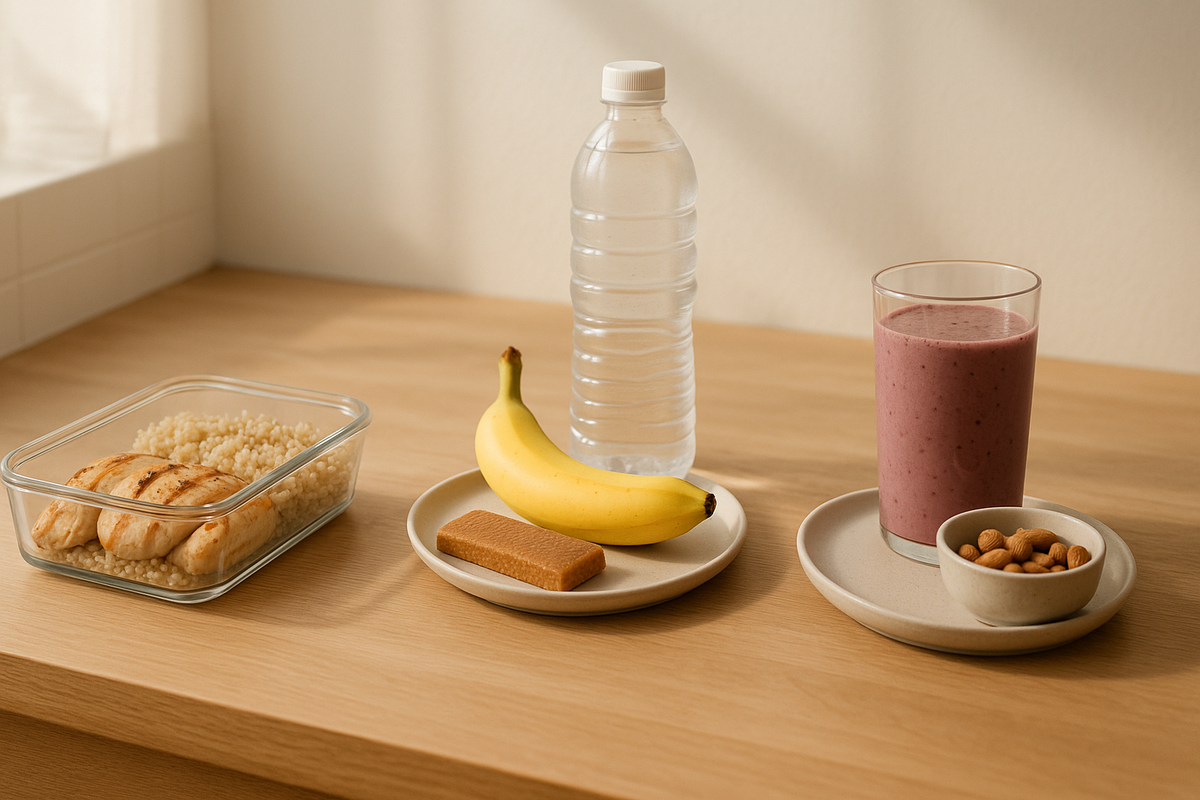
For everyone prioritizing recovery, think of the two-hour window after a hard workout as your metabolic opportunity. A smoothie with a banana, scoop of protein powder, and a handful of berries hits the 3:1 carb-to-protein ratio quickly. Pair it with 16-24 ounces of water or an electrolyte drink for every pound of sweat lost. If you're not sure how much you're sweating, weigh yourself before and after a typical workout to establish your baseline fluid loss.
Sources & Further Reading
- Consumer protein knowledge gap and intake trends — survey data on American protein awareness and consumption behavior
- GLP-1 medications and the focus on muscle preservation — how weight loss medications changed nutrition priorities in 2026
- Protein distribution research and muscle protein synthesis — evidence on meal timing and total daily intake
- International Society of Sports Nutrition protein guidelines — recommendations for active individuals and athletes
- Anabolic window and nutrient timing research — updated understanding of post-workout nutrition
- Carbohydrate's role in endurance performance — how carbs fuel working muscles and the brain
- Mayo Clinic carbohydrate intake guidance for endurance athletes — daily intake recommendations by body weight
- Periodized carbohydrate intake for endurance athletes — matching carb intake to training volume and metabolic flexibility
- Continuous glucose monitoring in athletic populations — how athletes use CGM data to optimize fueling
- Nix Hydration Biosensor technology — wearable sweat analysis for hydration strategy
- Post-exercise recovery nutrition and the anabolic window — timing and macronutrient ratios for muscle repair
- Hydration and electrolyte replacement for recovery — fluid and electrolyte loss through sweat and replacement guidelines
- Recovery supplement trends — product category growth and consumer demand
- Protein intake for weight loss and muscle preservation — recommendations for calorie restriction and fat loss
- GLP-1 medication effects on appetite and muscle loss risk — how appetite suppression increases need for strategic protein intake
- GLP-1 medication impact on health and nutrition ecosystem — industry response and product innovation
- Nestlé Boost products for GLP-1 users — targeted nutrition products for medication users
- High-protein snack and food product growth — sales trends and market expansion
Editorial coverage of publicly reported health, fitness, wellness, nutrition, and active living developments. Move Weekly has no commercial relationship with any companies, gyms, studios, brands, events, experts, products, or organizations named.