Meal Prep Revolution: High-Protein, Budget-Friendly 2026
The meal prep market hits $36.4 billion in 2026 as Americans embrace high-protein, budget-friendly eating. What the data shows about cottage cheese, freezer methods, and fitness-focused meal strategies.
Key Takeaways
- Meal prep market growth: The global meal prep market is anticipated to reach $36.4 billion in 2026, driven by urban consumers facing work schedules exceeding 40 hours per week and seeking time-saving meal solutions.
- High-protein demand dominates: 44% of meal prep customers demand high-protein recipes, with cottage cheese delivering 51% year-on-year growth and Greek yogurt servings providing 15–20 grams of protein per serving.
- Budget-friendly proteins are essential: Eggs, chicken thighs, canned fish, lentils, beans, and tofu anchor affordable high-protein meal prep strategies, with 83% of shoppers reporting frozen foods make meal planning easier.
- Time investment pays off: Most meal preppers spend one to two hours per session weekly, with research showing people who spend over an hour daily on food preparation consume significantly more fruits, vegetables, and whole grains.
- Hybrid and freezer methods gain traction: Freezer meal prep can reduce grocery shopping trips by up to 50%, with meals lasting up to six months and hybrid approaches combining batch cooking, ingredient prep, and freezer backups.
- Fitness-focused breakfasts fuel performance: Pre-workout meals with 20–30 grams of protein, healthy fats, and fiber-rich carbohydrates stabilize blood sugar, replenish energy stores, and prevent muscle breakdown.
Why Meal Prep Became a Mainstream Wellness Strategy in 2026
Meal prep is no longer a niche habit reserved for bodybuilders and ultra-organized households. In 2026, it has become a practical necessity for millions of Americans juggling long work weeks, fitness goals, and tight grocery budgets. The global meal prep market is anticipated to reach $36.4 billion in 2026, with more than 1.4 billion prepared meal portions consumed weekly worldwide through meal prep services, packaged kits, and home-cooked solutions.
This surge is fueled by real-world pressures. According to market research, approximately 46% of urban consumers prefer meal prep options due to time constraints associated with work schedules exceeding 40 hours per week. When the Food Marketing Institute asked consumers about meal preparation preferences, fast preparation time ranked second only to comfort food, and one-quarter of consumers overall reported they don't have the money to experiment with food choices.
For Move Weekly's fitness and wellness audience, meal prep directly enables consistency. It removes daily decision fatigue, supports weight management, and ensures nutrition aligns with training goals without the stress of figuring out what to eat after a long workout or workday.
High-Protein Eating Drives Consumer Demand
Protein has become the star macronutrient of 2026 meal prep. According to industry surveys, 44% of meal prep customers demand high-protein recipes, trailing only the 51% who prefer plant-based meals. This protein priority shows up across grocery aisles and social media feeds alike.
Cottage cheese exemplifies the trend. Cottage cheese is delivering more than 51% year-on-year growth, fueled by shoppers actively seeking high-protein, low-ultra-processed foods. According to MULU, the hashtag #cottagecheese has surpassed half a billion views on TikTok, with users transforming it into protein-rich cookie dough, smoothies, mac and cheese, and savory dips. Cottage cheese is one of the highest-protein snack foods and a complete protein source containing all essential amino acids.
Greek yogurt remains another go-to option, with a single serving often containing 15–20 grams of protein. Specialty Food Association trend reports note that cultured classics are claiming dairy aisle spotlight as customers experiment with cottage cheese and Greek yogurt in meals beyond breakfast, reimagining fermented favorites into functional formats like savory dips and protein-rich desserts.
Budget-Friendly Strategies Make High-Protein Meal Prep Accessible
High-protein eating doesn't require expensive steaks or specialty supplements. According to practical meal prep guidance, you can hit high protein on a budget by anchoring meals to eggs, chicken thighs, canned fish, lentils, beans, and tofu, planning around cheap staples and what's on sale, cooking in batches, and wasting nothing.
Consumers are leaning into convenient shortcuts to keep costs down. Many are using pre-made pasta sauce, opting for canned or frozen vegetables they can have on hand at all times, and meal-prepping to have affordable meals ready to grab throughout the week. The National Frozen & Refrigerated Foods Association highlights that 83% of surveyed shoppers say frozen foods make meal planning easier.
This approach resonates particularly with budget-conscious Gen Z consumers, 40% of whom report they don't have the money to experiment with food, according to FMI research. Batch cooking staple proteins and relying on shelf-stable or frozen ingredients creates a repeatable, low-stress system that fits tight schedules and tighter budgets.
Fitness-Focused Breakfast and Quick Meal Strategies
Eating breakfast before your workout replenishes your energy stores, stabilizes blood sugar, and improves focus and mood, with a carbohydrate-rich meal giving muscles quick access to fuel while protein helps prevent muscle breakdown. A fitness-focused breakfast should include high-quality protein (20–30 grams) to support muscle maintenance and growth, healthy fats for sustained energy and hormone production, and fiber-rich carbohydrates that stabilize blood sugar.
Omelet muffins are highlighted as the best quick grab-and-go breakfast, with eggs bringing protein and vegetables adding nutrients and necessary fiber. These can be batch-cooked on Sunday and reheated throughout the week, eliminating morning decision-making and ensuring consistent pre-workout nutrition.
Social media meal prep content frequently features structured daily menus, such as overnight oats for breakfast, ground turkey spaghetti for lunch, and honey garlic salmon with rice for dinner. As one TikTok creator described it, meal prepping is "the cheat code when trying to reach certain gym goals," with workouts only being as effective as the food you eat.
How Much Time Does Meal Prep Actually Take
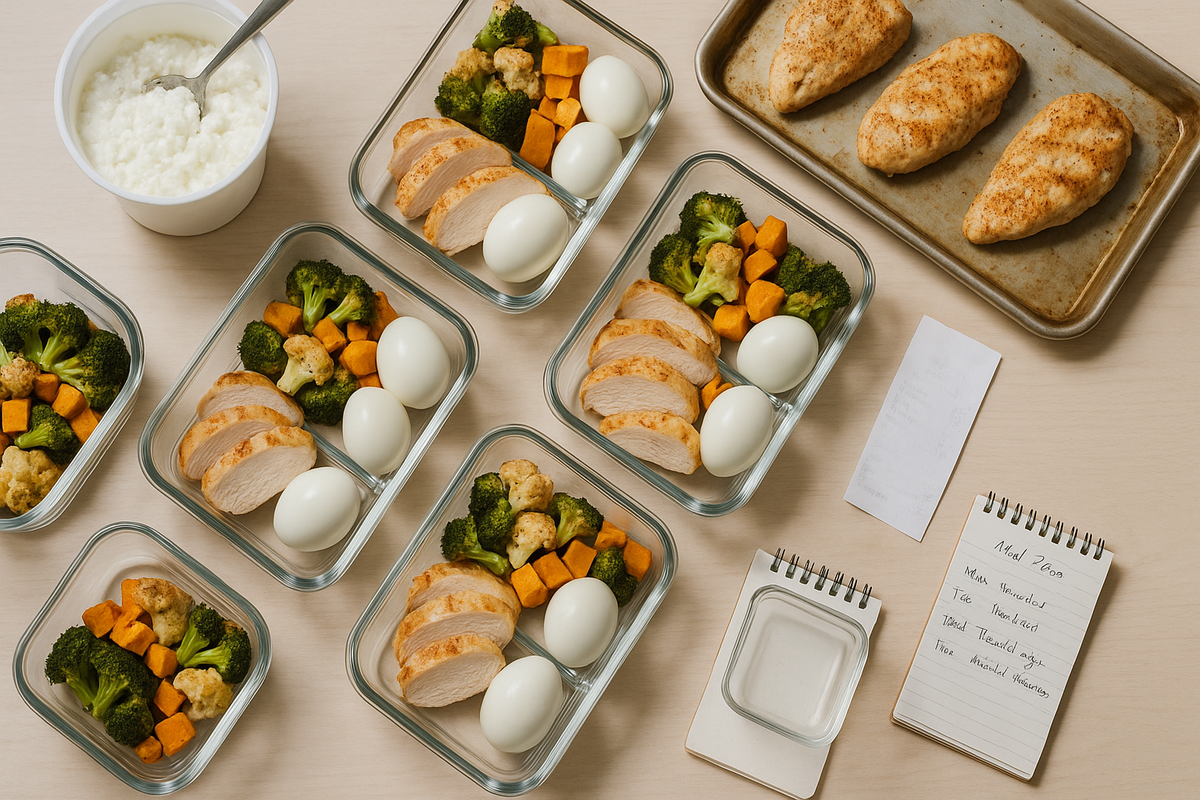
The time commitment is more manageable than many assume. Most people spend one to two hours per prep session, with some prepping once a week while others split it into two shorter sessions. This concentrated effort pays dividends in daily convenience and nutrition quality.
Research from the American Journal of Preventive Medicine found that people who spent more than an hour per day on food preparation consumed significantly more servings of fruits, vegetables, and whole grains. Meal preppers achieve the same nutritional benefits by concentrating this time into focused sessions, making it far more sustainable for busy lifestyles than cooking from scratch every evening.
Meal prepping is mainly about saving time, reducing stress, and avoiding last-minute food decisions while building consistency and convenience into healthy eating habits.
Hybrid and Freezer Methods Expand Meal Prep Options
Freezer meal prep has gained enormous popularity in 2026, especially among busy professionals and parents. This approach involves preparing and freezing complete meals that can last up to six months, with the beauty being you can do it less frequently—perhaps spending one Saturday per month preparing 30–40 meals. Research indicates that meal prepping can reduce grocery shopping trips by up to 50%, saving both time and money, and freezer meal prepping helps control portions, reducing food waste.
The hybrid method, which combines elements of multiple approaches, is gaining traction as the most sustainable long-term strategy. This involves batch cooking a few complete meals for the week's lunches, doing ingredient prep for flexible dinners, and keeping a stash of freezer meals for emergencies. Many successful meal preppers evolve toward this hybrid model because it prevents overwhelm while building sustainable habits.
Peak search interest for meal prep containers occurred in February 2026, likely reflecting New Year's resolutions and increased focus on healthy eating and organization, according to Google Trends data.
Emerging Trends: Fiber, Fermentation, and Functional Foods
Looking ahead within 2026, expect continued interest around protein paired with fiber, especially from younger consumers experimenting with GLP-1 drugs, fiber maxing, and functional foods. The Specialty Food Association notes opportunities to promote broccolini, cabbage, and other fiber-rich, fermentation-friendly crops, with protein finding its perfect nutritional pair with fiber in 2026.
Current trends shaping healthy meal preps include heightened focus on sustainability, transparency in sourcing, and personalization based on individual health data, with consumers demanding meals tailored to specific goals with verified nutritional content. Approximately 27% of meal prep customers prefer customizable meal prep menus, according to market research, with 38% requesting gluten-free options and 32% prioritizing organic ingredients.
What This Means for Readers
Editorial analysis — not reported fact:
The 2026 meal prep revolution offers a practical on-ramp for anyone struggling to align their eating with fitness goals, budget constraints, or time-starved schedules. If you work more than 40 hours a week, train regularly, or simply want to stop making dinner decisions at 7 p.m. when you're already exhausted, meal prep may be the single highest-leverage habit you can build.
Start small. Choose one method: batch cook three dinners on Sunday, prep breakfast omelet muffins for the week, or dedicate one Saturday per month to freezer meals. Anchor your prep to budget-friendly, high-protein staples like eggs, chicken thighs, Greek yogurt, cottage cheese, canned tuna, lentils, and frozen vegetables. Plan around what's on sale, cook once and eat multiple times, and waste nothing.
For active adults, the protein and fiber focus matters. A pre-workout breakfast with 20–30 grams of protein and fiber-rich carbs supports energy, muscle maintenance, and recovery. Having those meals prepped and ready removes the friction that derails consistency. The hybrid approach—batch cook some meals, prep some ingredients, keep freezer backups—offers the most flexibility without requiring perfection.
Before making significant dietary changes, especially if you have specific health conditions, nutritional needs related to training, or are managing weight, consult a registered dietitian or qualified healthcare professional to ensure your meal prep strategy aligns with your individual goals and health status.
Sources & Further Reading
- Global Meal Prep Market Size to Grow USD 36.4 Billion by 2026 — Market size and growth projections
- Meal Prep Market Report 2024 — Consumer preferences and demand for high-protein recipes
- Specialty Food Trends 2026 — Cottage cheese growth, protein and fiber pairing, and functional food trends
- Cottage Cheese Protein Content and Benefits — Nutritional profile and complete protein source
- Greek Yogurt Protein Content — Protein per serving and snack benefits
- National Frozen & Refrigerated Foods Association — Frozen foods and meal planning ease
- Pre-Workout Breakfast Benefits — Energy, blood sugar, and muscle breakdown prevention
- Meal Prep Time and Frequency Guide — Typical prep session durations
- American Journal of Preventive Medicine: Time Spent on Food Preparation — Association between cooking time and diet quality
- Freezer Meal Prep Strategies — Reducing grocery trips and food waste
Editorial coverage of publicly reported health, fitness, wellness, nutrition, and active living developments. Move Weekly has no commercial relationship with any companies, gyms, studios, brands, events, experts, products, or organizations named.