Older Adult Fitness: Strength, Balance & Community After 60
Fitness programs for older adults rank as the #2 trend for 2026. Why walking groups, resistance training, and fall prevention are redefining active aging.

Key Takeaways
- Fitness programs for older adults rank as the #2 fitness trend for 2026 according to the American College of Sports Medicine, reflecting a major shift in how the fitness industry serves aging Americans.
- Fall prevention through exercise is evidence-based: Tai Ji Quan interventions reduced falls by 31–58%, the Otago Exercise Program by 23–40%, and multimodal strength-balance training by 20–45%, addressing the approximately 28% of Americans aged 65 and older who experience a fall each year.
- Resistance training with heavier loads can be performed safely by older adults when properly screened, coached, and progressed gradually, countering sarcopenia—the progressive loss of muscle mass that accelerates after age 60.
- Walking groups offer more than exercise: older adults who walk regularly with a social group live longer, maintain sharper cognitive function, experience fewer falls, and report significantly higher life satisfaction than those who exercise alone.
- Joint-friendly options like water aerobics, Tai Chi, and chair yoga help the over 54 million U.S. adults with arthritis increase lower extremity strength, decrease pain, and improve function without excessive joint strain.
- Programs labeled "low intensity," "functional," or "active aging" consistently attract more participants than those called "senior fitness," reflecting a preference for strength-focused, community-oriented fitness over stigmatizing labels.
Why Older Adults Are Leading the 2026 Fitness Landscape
Baby boomers are leading gym attendance in 2026, and the fitness industry is responding with programming that emphasizes function, community, and independence rather than age. Fitness programs for older adults rank as the #2 fitness trend for 2026 according to the American College of Sports Medicine, reflecting a fundamental shift in how gyms, studios, and wellness centers serve aging Americans.
The stakes are real. Approximately 28% of Americans aged 65 and older experience a fall each year, resulting in over 36 million falls annually, leading to about 3 million emergency department visits and more than 950,000 hospitalizations. Fall-related injuries remain the leading cause of injury-related deaths among older adults. Yet many seniors remain unaware of evidence-based prevention strategies that work.
What's changing is how fitness is framed. Programs labeled "low intensity," "functional," or "active aging" consistently attract more participants than those called "senior fitness." The focus has shifted from managing decline to building strength, balance, and community well into the seventh, eighth, and ninth decades of life.
Strength Training After 60: Countering Sarcopenia With Heavier Loads
A natural result of aging is the gradual loss of muscle mass, a condition called sarcopenia. This progressive loss of skeletal muscle mass, strength, and function typically starts around age 30 and then increases after age 60. Without resistance training or intervention, this loss of strength can lead to reduced mobility, balance issues, and increased fall risk.
The good news: newer evidence and clinical commentary suggest that heavier resistance training can be performed safely by older adults when people are properly screened, coached, and progressed gradually. With personalized programs and expert guidance, seniors can safely enhance their strength, balance, and mobility, often seeing noticeable benefits in just a few weeks.
Resistance training with heavier loads, higher protein intake, vitamin D and magnesium adequacy, and balance and power-focused exercise become essential components of training for this demographic. Things like power training and high-intensity interval training, which were once thought of as important for athletes only, are now seen as vital elements of exercise programming for older adults when properly scaled, coached, and individualized.
Research shows more strength training and walking, lower sitting time, and higher physical fitness were strongly associated with reduced fall risk classification among women aged 75 years and older. Functional strength training preserves the ability to carry groceries, climb stairs, and get up from a chair without assistance.
Evidence-Backed Fall Prevention: What Actually Works
Exercise interventions consistently reduced fall incidence across studies. The most effective approaches show measurable, clinically meaningful results.
Tai Ji Quan interventions were associated with approximately 31–58% reductions in falls. The Otago Exercise Program showed 23–40% reductions, and multimodal strength-balance training showed 20–45% reductions. These are not marginal improvements. They represent real-world prevention of emergency room visits, hospitalizations, and loss of independence.
Functional strength and balance exercises improve daily movement, prevent falls, and maintain independence. Particularly useful approaches for this population include resistance training to preserve strength, balance and mobility exercises to reduce fall risk, and low-impact cardiovascular activity to support heart health. Programs that combine these elements deliver the strongest outcomes.
Joint-Friendly Exercise for Arthritis and Mobility Limitations
Arthritis impacts over 54 million adults in the U.S., making it one of the most common chronic conditions affecting joint health today. But multiple studies have shown that even with arthritic conditions, those who increase lower extremity strength can decrease pain and increase function.
Popular joint-friendly modalities in 2026 include water aerobics, where exercising in water reduces strain on joints while providing a great cardiovascular workout. The buoyancy of water minimizes the risk of injury, making it an ideal workout for seniors with arthritis, osteoporosis, or other joint concerns. Water aerobics classes include exercises like jogging, leg lifts, and arm movements performed in shallow or deep water.
Incorporating gentle, arthritis-friendly exercises like stretching, water aerobics, and Tai Chi can help reduce pain and improve mobility. Chair yoga and other seated exercises are excellent options for those with severe mobility restrictions. For resistance work, focus on controlled movements with light resistance rather than heavy weightlifting, performing strengthening exercises 2-3 times per week with at least one day of rest between sessions to prevent overuse.
Readers managing arthritis or joint pain should consult a healthcare professional or physical therapist before starting a new exercise program to ensure movements are appropriate for their individual condition.
Walking Groups: The Community Advantage for Longevity and Cognitive Health
Walking groups represent one of the most accessible and effective senior fitness trends in 2026. Older adults who walk regularly with a social group live longer, maintain sharper cognitive function, experience fewer falls, and report significantly higher life satisfaction than those who exercise alone or don't exercise at all.
The Centers for Disease Control and Prevention identifies walking as the most accessible form of physical activity for adults over 50, and social fitness for over 50 produces health benefits that solo exercise simply doesn't replicate. Walking is easy, it's free, it's relatively risk-free, and it doesn't require costly equipment, a gym membership, or training. According to the CDC, more people than ever are walking for physical activity, making it the most popular aerobic activity.
Examples of successful programs include NYRR Striders, a free walking and fitness program that offers physical activity for older adults looking to lead a more active life and meet new people in their local community. The program offers a progressive curriculum that focuses on walking and functional fitness to support long-term older adult mobility, with activities including walking, pacing, strength training, balance, and agility.
For those wanting to start a group, three to five people is the ideal founding size. Smaller than three lacks the social dynamic that makes group walking motivating. Many community centers, parks departments, and senior living communities now facilitate walking groups, and starting one independently requires only a consistent meeting place, time, and a few committed participants.
Studio and Class Formats: Beyond Chair Exercises
Gone are the days when senior fitness meant generic chair exercises in a recreation room. In 2026, senior wellness emphasizes variety, personalization, and fun. Today's fitness programs for older adults include everything from strength training and aqua aerobics to dance classes and outdoor walking groups.
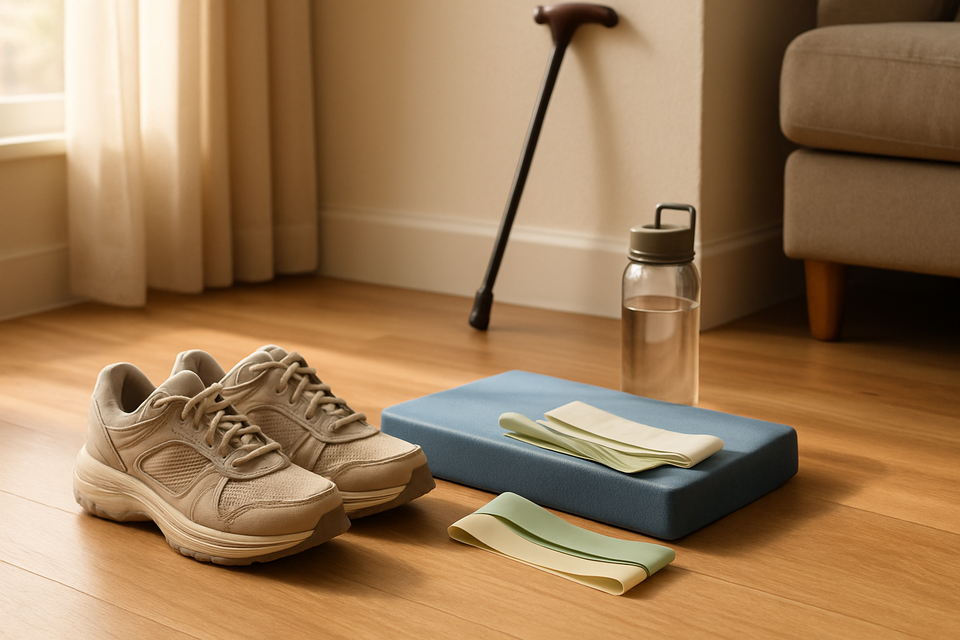
Walking clubs, aqua aerobics, Tai Chi, and adaptive yoga sessions are popular for seniors to improve endurance and flexibility. Many centers integrate wearable technology that monitors vitals during workouts, providing safe and personalized fitness. Functional mobility classes are the cornerstone of senior fitness because they address critical areas for maintaining independence and preventing injuries, focusing on exercises that mimic everyday movements and improve the ability to perform daily tasks with ease. Using resistance bands, light weights, or body weight, these classes build real-world strength.
The shift toward functional, community-oriented programming reflects what older adults actually want: fitness that supports independence, social connection, and quality of life rather than programming that feels patronizing or overly cautious.
What This Means for Readers
Editorial analysis—not reported fact:
If you're over 60 or caring for someone who is, the evidence is clear: strength, balance, and community-based fitness are among the most powerful tools available to maintain independence and quality of life. The fitness industry's embrace of older adult programming in 2026 means more options, better coaching, and less stigma than ever before.
Start with what's accessible. If you're new to exercise or returning after time away, consider joining a walking group through a local community center, park, or organization like NYRR Striders. If you have arthritis or joint concerns, explore water aerobics or chair yoga classes. If you're ready for strength work, seek out a certified trainer with experience in older adult fitness who can design a progressive resistance program tailored to your abilities and goals.
Fall prevention is not a passive process. The 20–58% reductions in fall risk documented across Tai Ji Quan, Otago, and multimodal strength-balance programs represent real-world protection against injury, hospitalization, and loss of independence. These programs work because they build the strength, balance, and coordination your body uses every day.
For those managing chronic conditions, arthritis, or mobility limitations, consult with a healthcare provider or physical therapist before beginning a new exercise program. With proper guidance and progression, even those with significant joint concerns can safely build strength and reduce pain.
The takeaway: fitness after 60 is not about managing decline. It's about building resilience, maintaining independence, and staying connected to community. The programs, research, and community infrastructure exist. The question is whether you'll use them.
Sources & Further Reading
- American College of Sports Medicine: Fitness Trends for 2026 — ACSM's annual survey identifying fitness programs for older adults as the #2 trend
- National Center for Biotechnology Information: Fall Prevention and Exercise Interventions — peer-reviewed research on fall statistics, incidence, and evidence-based exercise interventions including Tai Ji Quan, Otago, and multimodal training
- American Council on Exercise: Senior Strength Training — clinical commentary on heavier resistance training, sarcopenia, and exercise programming for older adults
- Senior Fitness Guide for Beginners — overview of arthritis-friendly exercise, water aerobics, Tai Chi, and functional mobility classes
- Senior Living: Social Fitness Over 50 — research on walking groups, social exercise, and health benefits including longevity and cognitive function
- CDC: Physical Activity Basics — public health guidance on walking as the most accessible form of physical activity for adults over 50
- NYRR Striders Program — free walking and fitness program for older adults with progressive curriculum
Editorial coverage of publicly reported health, fitness, wellness, nutrition, and active living developments. Move Weekly has no commercial relationship with any companies, gyms, studios, brands, events, experts, products, or organizations named.