Protein & Fiber Revolution: Everyday Cooking Shifts in 2026
How 30-gram breakfasts, three-protein meal prep, and GLP-1 influence are reshaping American home cooking. Budget-friendly strategies and research-backed targets inside.
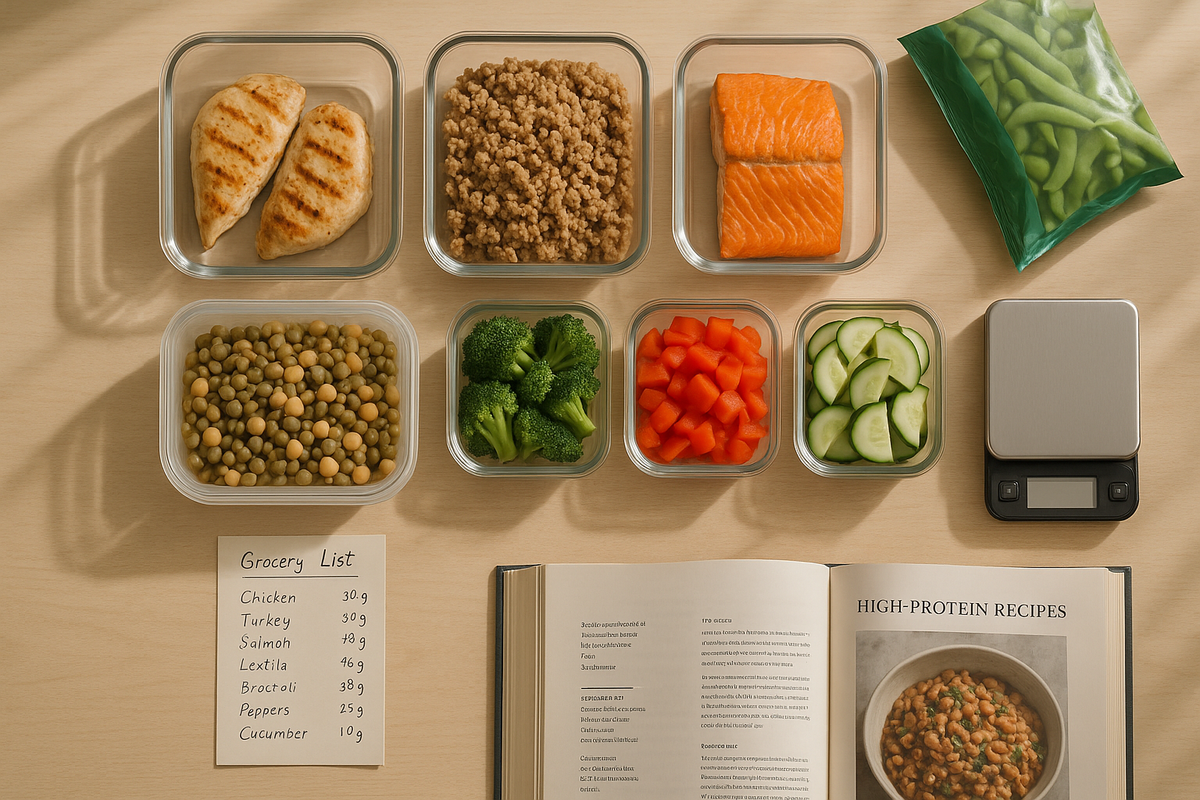
Key Takeaways
- Protein and fiber priorities: In 2026, 65% of Gen Zers and millennials are actively trying to consume more protein, while fiber demand has nearly doubled year-over-year with 13% of Americans prioritizing this nutrient, driven by the viral "fibermaxxing" trend.
- Meal prep market growth: The global meal prep market is projected to grow from $6.77 billion in 2026 to $15.37 billion by 2035, reflecting widespread adoption of batch-cooking strategies using three core proteins (chicken breast, ground turkey, hard-boiled eggs) for 15 meals per week.
- 30-gram breakfast benchmark: Research published in November 2025 found that consuming 30 grams of protein at breakfast significantly increases satiety hormones GLP-1 and PYY while suppressing appetite throughout the day, making high-protein breakfasts a performance gateway for active adults.
- Budget-conscious staples dominate: As of January 2026, 61% of consumers report being extremely or very concerned about grocery prices, driving demand for affordable protein sources including canned chickpeas, dried lentils, canned tuna, and frozen shrimp.
- GLP-1 drugs reshape eating patterns: With one in eight U.S. adults currently taking GLP-1 medications like Ozempic or Zepbound, and projections reaching 30 million users by 2030, consumer demand has shifted toward smaller, nutrient-dense portions that are protein- and fiber-heavy with fewer carbohydrates.
- Even protein distribution matters: A 2014 study in the Journal of Nutrition found that spreading 25 to 40 grams of protein evenly across three meals produces greater muscle protein synthesis compared to concentrating intake at dinner, supporting the shift toward protein-rich breakfasts and lunches.
Why Protein and Fiber Are Driving Everyday Cooking in 2026
American home cooking is undergoing a macro-nutrient realignment this year, with protein and fiber taking center stage in meal prep, grocery purchases, and breakfast routines. According to recent consumer surveys, 42.9% of consumers now associate healthy food with boosting energy or muscular performance, while nearly 39% link it to mental clarity. This functional lens has turned protein and fiber from background nutrients into headline priorities.
The term "fibermaxxing" has emerged as the defining food trend of 2026, with many consumers calling fiber "the new protein." Nearly twice as many Americans (13%) say they want to consume more fiber in 2026 as last year, fueled by viral TikTok trends and growing awareness of gut health. Meanwhile, around a quarter of consumers think they are not getting enough protein in their diet, a sentiment more popular among women (29%) than men (21%).
This shift is not aspirational or niche. This year, 65% of Gen Zers and millennials are trying to consume more protein, as are 49% of Gen Xers, and the market is responding at scale. The global meal prep market is anticipated to grow from $6.77 billion in 2026 to $15.37 billion by 2035, reflecting a steady compound annual growth rate of 9.2%.
The Three-Protein Meal Prep Blueprint That Works
High-protein meal prep has become democratized and practical in 2026, built around accessibility rather than complexity. A proven weekly meal prep structure uses three main ingredients—chicken breast, hard-boiled eggs, and ground turkey—to cover 15 meals with enough variety to avoid food fatigue. The approach involves cooking protein in bulk once or twice a week so something ready-to-eat is always available.
Portion targets have become clearer. Nutrition guidance recommends aiming for 25 to 40 grams of protein per meal, spread across three meals. This even distribution matters: a 2014 study in the Journal of Nutrition found that even protein distribution across meals produces greater muscle protein synthesis compared to skewed distributions, such as loading protein at dinner while skimping at breakfast and lunch.
Storage windows are part of the strategy. Cooked chicken breast and ground turkey last 3 to 4 days in the refrigerator, while hard-boiled eggs in the shell last up to 7 days. Cottage cheese and Greek yogurt last until their expiration date, typically 1 to 2 weeks, making them reliable breakfast and snack anchors.
Budget-Friendly Protein Sources Gain Mainstream Traction
Cost concerns are shaping what lands in shopping carts this year. Nearly two-thirds of consumers were extremely (31%) or very (30%) concerned about high food prices at grocery stores as of January 2026, making budget-conscious protein strategies essential rather than optional.
Budget-friendly staples include canned chickpeas, canned tuna, dried lentils, farro, rice, and canned coconut milk, while frozen shrimp and ground chicken are almost always cheaper than fresh. Plant-based proteins like lentils, chickpeas, and beans cost a fraction of meat while delivering comparable protein per serving, and they store for months in the pantry.
This affordability advantage has pushed legumes and canned fish into everyday meal rotation for active adults balancing fitness goals with household budgets. The shift reflects elastic consumer spending, where price sensitivity does not mean abandoning nutrition targets but rather finding smarter pathways to reach them.
The 30-Gram Breakfast Benchmark and Grab-and-Go Strategies
Breakfast has become the performance gateway for 2026, anchored by a specific protein target. A November 2025 study in the European Journal of Nutrition found that consuming 30 grams of protein at breakfast significantly increased satiety hormones (GLP-1 and PYY) and suppressed appetite compared to a low-protein breakfast. This research has translated into practical breakfast architecture: cottage cheese bowls, overnight oats with protein powder, and egg muffins have become staples for busy professionals.
A target of 20 to 30 grams is a solid benchmark for active individuals looking to build strength, and the "grab-and-go" format dominates because efficiency has become the ultimate luxury in 2026. These breakfasts are prepped on Sunday for the week ahead, stored in single-serve containers, and consumed cold or reheated in under two minutes.
The emphasis on breakfast protein is not a fad. It reflects an understanding that early-day satiety reduces mid-morning cravings, stabilizes energy, and sets the tone for even protein distribution across meals, all of which align with muscle-building and weight-management goals.
How GLP-1 Medications Are Reshaping Home Cooking Patterns
The influence of GLP-1 drugs like Ozempic and Zepbound on everyday cooking cannot be ignored in 2026. About one in every eight U.S. adults is currently taking a GLP-1 drug, and by 2030, more than 30 million Americans could be on a GLP-1 treatment, up from 10 million in 2026.
GLP-1 users are buying higher-protein, fiber-rich, and healthy-fat items while cutting back on high-carb and sugary foods. Importantly, these users seek out smaller portions packed with as many nutrients as possible, while having specific functions such as being protein- and fiber-heavy and containing fewer carbohydrates. Taste and texture still play a major role in evolving preferences, showing that indulgence can be redefined rather than eliminated.
This behavioral profile closely aligns with trends already gaining momentum among Gen Z: smaller portions, higher protein, more fiber, and greater nutrient density. GLP-1 medications are not creating new preferences as much as accelerating and reinforcing ones that were already taking shape, making high-protein, high-fiber meal prep relevant to a much broader audience than just medication users.
Functional Eating and the Food-as-Fuel Mindset
In 2026, consumers define healthy by how food makes them feel rather than by calorie counts alone. Tastewise data shows consumers are 8.3 times more likely to follow a specific diet (like anti-inflammatory or keto) than to prioritize recovery nutrition, but the goal is not weight loss—it is optimization. This shift fuels the trend of healthy food positioned as fuel: products and home-cooked meals that enhance focus, energy, or muscle recovery.
The concept of "food as medicine" recognizes that the foods we consume directly impact our health, with renewed emphasis on returning to the basics of whole, nutritious food. This is not about restriction but about intentionality. Meal prep in 2026 is less about cutting calories and more about packing each meal with nutrients that support mental clarity, sustained energy, and muscle performance.
What This Means for Readers
Editorial analysis — not reported fact:
The protein and fiber revolution is not a wellness trend reserved for influencers or athletes. It is now the default architecture for everyday cooking among Americans who want to feel better, move better, and manage energy across busy days. If you are meal prepping in 2026, the playbook is clear: buy three core proteins (chicken breast, ground turkey, hard-boiled eggs), batch-cook them once or twice a week, and aim for 25 to 40 grams of protein per meal spread evenly across breakfast, lunch, and dinner.
If grocery prices are a concern, canned chickpeas, dried lentils, canned tuna, and frozen shrimp deliver high protein at a fraction of the cost of fresh meat. If you are short on time in the morning, prep cottage cheese bowls or egg muffins on Sunday and grab them cold throughout the week. If you are taking a GLP-1 medication or simply want to eat in smaller, more nutrient-dense portions, the meal prep strategies that work for medication users are the same ones that work for anyone managing appetite, building muscle, or sustaining energy.
The 30-gram breakfast benchmark is worth adopting even if you are not tracking macros religiously. Research shows it reduces mid-morning hunger and stabilizes energy, which translates to fewer impulsive snack choices and better adherence to your overall eating pattern. For readers navigating specific health goals, chronic conditions, or medication interactions, consult a registered dietitian or healthcare professional to tailor protein and fiber targets to your individual needs.
Sources & Further Reading
- Food Dive: Protein, fiber, and GLP-1 food trends in 2026 — consumer survey data on protein and fiber priorities, GLP-1 user behavior, and functional eating trends
- BarBend: High-Protein Meal Prep Guide — three-protein meal prep blueprint, portion targets, storage windows, and research on even protein distribution
- Market Research Intellect: Meal Prep Market Size and Forecast — global market growth projections from 2026 to 2035
- EatingWell: Cheap High-Protein Foods — budget-friendly protein staples including legumes, canned fish, and frozen options
- Food Dive: Consumer concerns about food prices in 2026 — data on grocery price sensitivity as of January 2026
Editorial coverage of publicly reported health, fitness, wellness, nutrition, and active living developments. Move Weekly has no commercial relationship with any companies, gyms, studios, brands, events, experts, products, or organizations named.