Sleep & Energy: From Sleepmaxxing to Science-Backed Simplicity
Sleep optimization is shifting in 2026. Consumers are moving from obsessive tracking toward circadian rhythm fundamentals, morning light exposure, and strategic wearable use.
Key Takeaways
- Sleep deprivation affects 6 in 10 U.S. adults, with 35% getting less than 7 hours nightly and sleep disorders costing the economy over $411 billion annually.
- Sleepmaxxing culture is shifting toward simplicity in 2026, as consumers move away from obsessive tracking and supplement stacking toward evidence-based fundamentals like consistent wake times and morning light exposure.
- Circadian rhythm timing matters as much as sleep duration, with research showing irregular sleep patterns harm cardiovascular and metabolic health even when total hours are sufficient.
- Morning light exposure for 10 to 20 minutes outdoors anchors cortisol and melatonin rhythms more powerfully than supplements, making it the single most effective behavioral intervention for sleep quality.
- Wearable devices are being used strategically in 2026, with 76% of smart ring users prioritizing sleep tracking to identify patterns and test changes rather than pursuing indefinite optimization.
- Magnesium glycinate and L-theanine searches surged 22% and 50% year-over-year, but experts caution that supplement popularity has outpaced evidence for long-term universal use.
Why Sleep Optimization Is Reaching a Simplicity Turning Point
Between 50 to 70 million Americans struggle with sleep disorders, and the economic toll is staggering. Sleep deprivation costs the United States over $411 billion and 1.23 million working days annually, according to RAND Corporation research. Yet the wellness industry's response over the past two years has been a paradox: 45% of Americans now optimize sleep through supplements and tech, a practice known as sleepmaxxing, but 2026 is witnessing a critical countertrend.
Instead of piling on more rules, protocols, and data points, health-conscious consumers are stepping back. The sleepmaxxing movement, which treated rest as a performance metric through temperature manipulation, breathing protocols, and endless tracking, is giving way to evidence-based simplicity. Sleep experts are raising concerns about orthosomnia, an unhealthy obsession with perfect sleep that can itself create stress and worsen insomnia.
The shift reflects a maturation of consumer sleep culture. Rather than collecting data indefinitely, people are using wearables to spot patterns, test specific changes, and then rely on consistent habits and optimized environments. According to Grand View Research data, 76% of smart ring users wear their device primarily to track sleep, and 55% are willing to pay for monthly subscriptions for advanced health insights in 2026.
Circadian Rhythm Science Enters Mainstream Wellness Practice
The biggest insight shift of 2026 is the elevation of circadian health from academic research to everyday practice. The circadian rhythm is the body's master biological clock, governing not just sleep and waking but hormone production, metabolism, immune function, and cognitive performance, per the National Institutes of Health.
Recent studies show that irregular sleep timing, even when total sleep hours meet the recommended minimum, is associated with poorer cardiovascular health and reduced metabolic resilience. When you sleep matters almost as much as how long you sleep. A consistent wake time anchors your circadian rhythm more powerfully than any supplement, according to Harvard Medical School sleep education.
Bright morning light exposure for 10 to 20 minutes outdoors sets your cortisol rhythm and calibrates melatonin timing for the evening ahead. Light is one of the strongest regulators of the sleep-wake cycle, the Sleep Foundation notes, and morning light helps your body clock distinguish day from night, making it easier to feel sleepy at the appropriate hour.
Wearables Shift from Data Collection to Pattern Identification
The most-compared sleep trackers in 2026 are the Oura Ring for sleep staging accuracy and overnight recovery scores, Whoop for athletic strain and heart rate variability monitoring, and the Eight Sleep Pod for active temperature regulation. But the use case has changed.
Rather than chasing perfect sleep scores every night, users are deploying these devices strategically. Track for two to four weeks to understand baseline patterns, test a single intervention such as adjusting bedroom temperature or changing caffeine cutoff time, observe the response, and then step back. The goal is building sustainable habits informed by data, not dependency on nightly feedback.
Heart rate variability gauges nervous system recovery and readiness for physical or cognitive stress. Sleep stage architecture monitors deep and REM sleep cycles to optimize overnight cellular repair. Continuous glucose monitoring tracks real-time blood sugar responses to specific foods, helping avoid mid-day energy crashes. Together, these biometric tools enable personalized energy management when used with intention rather than obsession.
Sleep Supplements Surge in Popularity Despite Mixed Evidence
Consumer search behavior reveals explosive interest in sleep supplements. Magnesium glycinate now commands 823,000 monthly searches with 22% year-over-year growth, while L-theanine pulls in 301,000 searches at 50% growth, and the sleep supplements category overall is up 174%, according to Grand View Research market data.
Melatonin commands 36.7% product type share as the most extensively researched and clinically validated sleep supplement active. However, experts caution that melatonin regulates timing signals rather than acting as a direct sedative, and its transformation into a universal sleep solution has outpaced the evidence base supporting long-term or broad-spectrum use.
Sleep quality issues often have roots in micronutrient deficiency. 94.3% of Americans fall short of their daily vitamin D requirements, while 52.2% lack adequate magnesium, according to National Institutes of Health research. Addressing baseline nutritional status through whole foods and targeted supplementation where deficiencies exist is foundational before adding specialized sleep compounds.
Bedroom Environment Becomes a Clinical Intervention Tool
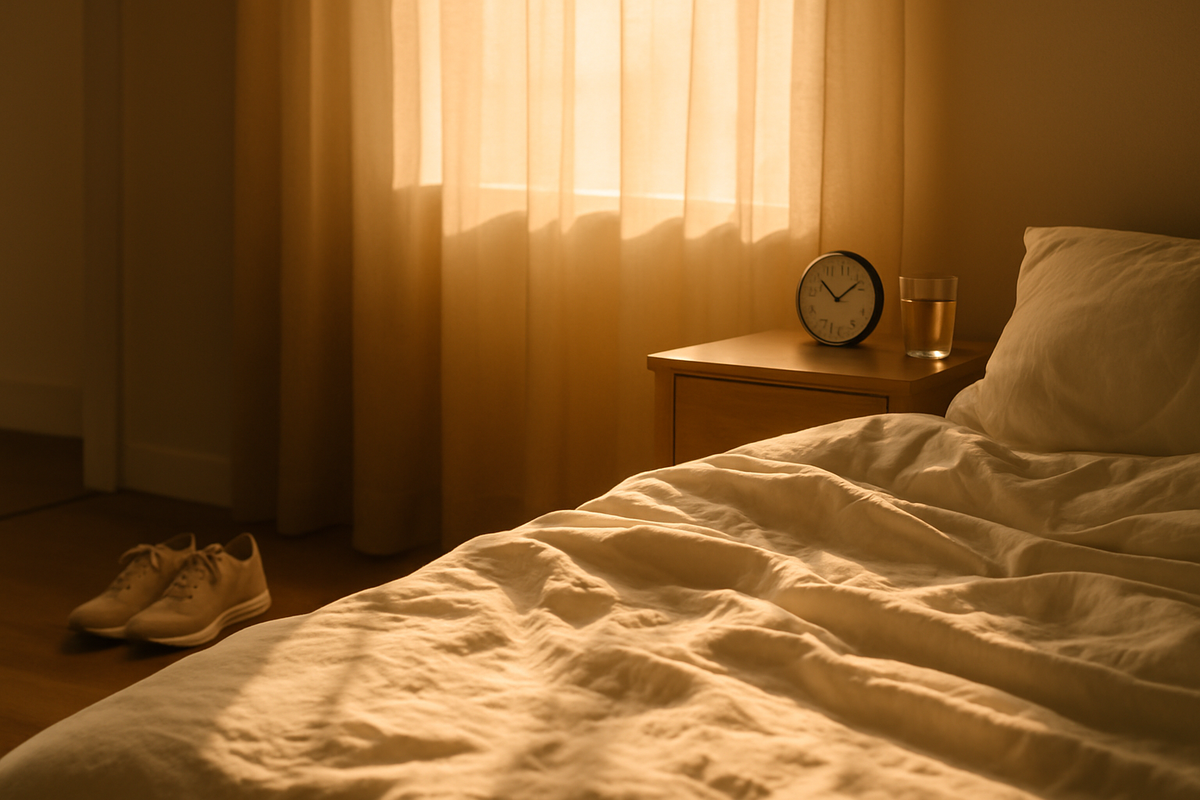
Design is meeting science. Mattresses engineered for personalized comfort and temperature regulation, breathable bedding materials, blackout systems, and acoustic management solutions are being integrated into what researchers now describe as the sleep ecosystem. Bedroom temperature between 60 and 68 degrees Fahrenheit supports the core body temperature drop that initiates deep sleep, per Sleep Foundation guidance.
Simple environmental changes often outperform complex protocols. Complete darkness signals the suprachiasmatic nucleus to release melatonin. Cool air facilitates the metabolic shift into restorative sleep stages. Consistent acoustic conditions prevent microarousals that fragment sleep architecture. For active adults prioritizing recovery, bedroom optimization is infrastructure, not indulgence.
Energy Management Apps Connect Calendar to Circadian Biology
Apps like Lifestack connect your calendar to your natural energy patterns, matching tasks to personal energy peaks throughout the day, making it the standout pick for scheduling-driven wellness in 2026. RISE is the best option when energy issues are tied to inconsistent sleep timing, offering sleep debt tracking and circadian rhythm alignment.
AI wellness tools can estimate fatigue and sickness in advance of symptoms, based on circadian heart rate variability and sleep stage data, and deliver personalized coaching that varies according to daily biometric information. For busy professionals juggling fitness routines, work demands, and recovery needs, these tools translate passive tracking into active energy management.
Behavioral Sleep Coaching Gains Professional Recognition
The American Academy of Sleep Medicine now recognizes behavioral sleep coaching as a valid treatment for chronic insomnia, meaning more people can access expert help without medication. This professionalization reflects a shift from DIY optimization to evidence-guided intervention. Cognitive behavioral therapy for insomnia remains the gold standard for persistent sleep disorders, and the barrier to access is lowering as telehealth platforms and certified coaches proliferate.
What This Means for Readers
Editorial analysis — not reported fact:
If you're an active adult struggling with energy or recovery, the 2026 sleep landscape offers a clear path forward. Start with timing, not supplements. Wake at the same time seven days a week, get outside for 10 to 20 minutes of morning light within the first hour, and protect your sleep window with a consistent bedtime. These free, evidence-backed behaviors anchor your circadian rhythm more powerfully than any device or pill.
Use wearables strategically. Track for a month to identify your personal patterns, test one variable at a time such as bedroom temperature, caffeine timing, or evening screen exposure, and then build sustainable habits based on what you learn. Avoid the trap of endless optimization; sleep quality improves when you stop obsessing over scores and start trusting consistent routines.
For parents managing family schedules, older adults noticing energy changes, or busy professionals balancing fitness and work, energy management apps that sync with your circadian biology can help you schedule high-focus tasks during natural peaks and protect recovery windows. Pair this scheduling intelligence with foundational nutrition, addressing vitamin D and magnesium adequacy before layering in specialized sleep supplements.
If you've tried behavior changes and environmental optimization for four to six weeks without meaningful improvement, consider consulting a healthcare professional or certified behavioral sleep coach. Persistent insomnia, excessive daytime sleepiness, and irregular breathing during sleep warrant medical evaluation rather than continued self-experimentation.
Sources & Further Reading
- CDC: How Much Sleep Do I Need? — Official guidance on sleep duration recommendations
- RAND Corporation: Why Sleep Matters — Economic impact and public health data on sleep deprivation
- Sleep Foundation: What Is Sleepmaxxing? — Overview of optimization trends and emerging concerns
- NIH: Circadian Rhythms Fact Sheet — Biological clock science and health impacts
- Harvard Medical School: Sleep and Health Education — Evidence on consistent wake times and circadian anchoring
- Sleep Foundation: Light and Sleep — How light exposure affects circadian timing
- Grand View Research: Smart Rings Market Report — Wearable device usage and subscription trends
- Grand View Research: Dietary Supplements Market — Consumer search data and supplement growth trends
- National Library of Medicine: Melatonin Research — Clinical evidence and mechanism of action
- NIH Research Matters: Essential Nutrient Deficiencies — Vitamin D and magnesium intake data
- Sleep Foundation: Best Temperature for Sleep — Bedroom environment optimization
- American Academy of Sleep Medicine — Professional standards for behavioral sleep coaching
Editorial coverage of publicly reported health, fitness, wellness, nutrition, and active living developments. Move Weekly has no commercial relationship with any companies, gyms, studios, brands, events, experts, products, or organizations named.