Wellness Myths 2026: Cold Plunges, Detox Teas & TikTok Trends
Cold plunges may help sleep but hinder muscle growth. Detox teas hit $3.7B despite FDA penalties. Nearly half of TikTok health videos contain misinformation.

Key Takeaways
- Cold plunges and ice baths may reduce stress and improve sleep for some users, but they can interfere with muscle growth when used daily after resistance training, and the evidence for immunity and mood benefits remains inconsistent.
- Detox teas reached $3.7 billion in U.S. market value in 2026, yet the FDA and FTC have penalized multiple brands for illegal ingredients and false health claims; any weight loss is typically temporary water weight from diuretic or laxative effects.
- TikTok health misinformation affects nearly half of health videos on the platform, with more than 50% of Gen Z users relying on the app for health advice despite the majority of misleading content coming from non-medical influencers.
- Red light therapy loses effectiveness when applied immediately after cold exposure because constricted blood vessels and lowered tissue temperature reduce photon penetration and limit the mitochondrial response.
- Wellness trends often contain a grain of truth but are amplified by marketing claims that outpace clinical evidence, making it essential to distinguish vendor promises from peer-reviewed research before investing time and money.
Cold Plunges and Ice Baths: What the Science Actually Shows
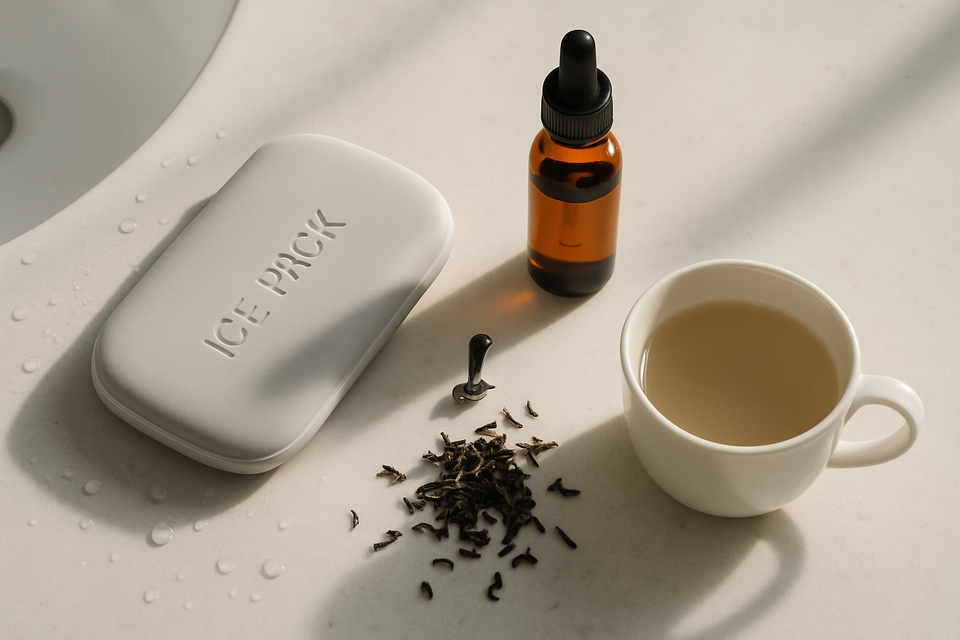
Cold water immersion has surged in popularity among everyday wellness enthusiasts, with ice bath sales on Amazon jumping from under 1,000 units in November 2022 to over 90,000 units in November 2023. The practice is marketed to reduce inflammation, boost metabolism, and enhance focus, but the research paints a more nuanced picture.
A 2025 analysis of cold water immersion studies found that regular ice baths or cold showers may help reduce stress levels, improve sleep, and increase quality of life, but with important caveats. Ice baths reduced stress only 12 hours after immersion, and men reported better sleep while women did not. There was no consistent evidence that cold immersion boosted mood or immunity.
For active adults focused on strength training, timing matters. Cold water immersion after intense resistance training may actually reduce muscle growth and hypertrophy, though it does not impair strength gains. Most experts now recommend occasional use rather than daily immersion, especially during periods when muscle adaptation is a priority.
Red Light Therapy and Cold Plunge Protocols: Sequencing Is Critical
Red light therapy is often bundled with cold plunge routines in wellness marketing, but the order of operations matters more than many realize. If red light therapy is applied to tissue immediately after cold exposure, constricted blood vessels and lowered tissue temperature reduce photon penetration and limit the mitochondrial response that red light aims to trigger.
Consumer-facing claims promise that combined cold and red light protocols accelerate muscle recovery by 30 to 50 percent and enhance cognitive function, but much of this messaging comes from vendor marketing rather than high-quality clinical trials. The disconnect between growing popularity and limited quality evidence underscores the need for more rigorous investigation before consumers invest in expensive equipment or memberships.
Detox Teas: A $3.7 Billion Market Built on Regulatory Gaps
The U.S. detox tea market reached $3.7 billion in 2026, yet federal regulators have repeatedly penalized brands for containing illegal ingredients and making false health claims. The FDA and FTC have taken action against detox tea companies for products that contain undeclared pharmaceutical agents, including sibutramine, as well as high levels of caffeine in teas marketed as natural weight loss products.
The most well-researched function of detox tea is its role as a diuretic. While many detox teas claim to be naturally caffeine-free, ingredients often increase urine production, flushing out excess water weight that is quickly regained. Any quick weight loss is typically water weight from caffeine or laxative effects, not lasting fat loss. Researchers have documented a "halo effect" phenomenon in which people attribute weight loss to detox tea when the actual cause is improved dietary choices made alongside tea consumption.
Because detox teas sold as dietary supplements are not regulated by the FDA for manufacturing quality or ingredient oversight, common side effects include nausea, anxiety, abdominal cramps, dehydration, and insomnia, with more severe risks like seizures and heart attacks reported. The FTC alleged that Teami, LLC made deceptive weight-loss and health claims for its teas, challenging claims that products could fight cancer, clear clogged arteries, and prevent common colds and the flu without reliable scientific evidence.
TikTok Health Trends: Why "SickTok" Worries Medical Professionals
Medical professionals have coined the term "SickTok" to describe a dangerous explosion of health misinformation on short-form video platforms. Nearly half of TikTok health videos contain inaccurate information, and the majority of misleading posts come from non-medical influencers. Yet more than 50% of Gen Z users get health advice from TikTok, with one-third calling the app their main source of health guidance.
Viral trends like dry scooping, mouth taping, and garlic use have gained millions of views, but not only do they often fail to achieve their claims, they can severely risk your health. For example, the bad-breath-fix and sharpened-jawline claims for mouth taping are mostly anecdotal. If you breathe through your nose, taping might reduce snoring, but if your nose is blocked or you have undiagnosed sleep apnea, you are putting duct tape on a medical problem.
Not every trend is harmful. Fibermaxxing, a viral movement dedicated to increasing fiber intake through foods like broccoli and beans, has earned cautious approval from registered dietitians because most Americans fall short of daily fiber recommendations. The challenge for readers is distinguishing between trends rooted in nutrition science and those driven by marketing hype or influencer partnerships.
Why Wellness Myths Persist: The Grain of Truth Problem
Many wellness myths contain a kernel of scientific truth that gets amplified and distorted through social media and vendor marketing. The general problem with the Internet is that it's sometimes hard to distinguish what's reliable from what's being spread for commercial, political, or other purposes, according to public health researchers.
People are vulnerable to questionable advice because they are hungry for a quick fix, looking for a one-pill type of solution even when that is rarely possible. In 2025, the majority of Americans, 67 percent, identified as biohackers, reflecting mainstream adoption of optimization strategies that range from evidence-backed sleep tracking to unproven nootropic stacks. The wellness industry capitalizes on this eagerness, bundling marginal scientific findings with bold marketing promises that outpace clinical validation.
What This Means for Readers
Editorial analysis — not reported fact:
Before investing in a cold plunge tub, detox tea subscription, or combined biohacking protocol, ask three questions: Is the claim supported by peer-reviewed research published in reputable journals? Does the source have a commercial interest in the product? And does the promised benefit align with your specific health goals and training phase?
For everyday fitness enthusiasts, occasional cold exposure after a hard workout may help with short-term stress relief and sleep quality, but daily ice baths can interfere with the muscle growth you are working toward in the gym. If you are curious about red light therapy, use it before cold exposure or on separate days to maximize photon absorption. Skip detox teas entirely; they offer no lasting weight loss, carry real health risks, and drain your wallet for water weight that returns within days.
When you encounter a viral health trend on TikTok or Instagram, check whether the creator has medical credentials and whether their claims link to primary research rather than other influencer posts. Prioritize foundational wellness habits—150 minutes of moderate-intensity activity per week, seven to nine hours of sleep, adequate protein and fiber intake, and stress management—over expensive gadgets and unregulated supplements. These evidence-backed strategies cost little and deliver the outcomes that viral trends promise but rarely provide.
If you are managing a chronic condition, injury, or specific health concern, consult a qualified healthcare professional before experimenting with cold immersion, herbal supplements, or other wellness interventions that interact with medications or underlying physiology.
Sources & Further Reading
- Cold water immersion research and market analysis — 2025 systematic review of ice bath efficacy, limitations, and consumer adoption trends
- FDA detox tea safety update — federal guidance on regulatory gaps, side effects, and enforcement actions
- FTC enforcement case against Teami, LLC — details on deceptive weight-loss and health claims for detox tea products
- TikTok health misinformation study — peer-reviewed analysis of accuracy rates and Gen Z reliance on social video platforms
Editorial coverage of publicly reported health, fitness, wellness, nutrition, and active living developments. Move Weekly has no commercial relationship with any companies, gyms, studios, brands, events, experts, products, or organizations named.