Wellness Myths 2026: Cold Plunges, Red Light, Detox Teas
Cold plunges may blunt muscle gains. Red light works for some conditions, not others. Detox teas are laxatives. What actually works in 2026 wellness trends.
Key Takeaways
- Cold plunges may build mental resilience through daily habit, but a 2025 study found 10 minutes in 50°F water failed to improve next-day recovery or athletic performance, and cold water applied immediately post-workout can actually blunt muscle gains by reducing dietary amino acid incorporation by about 30 percent.
- Red light therapy is safe and effective for certain types of ulcers, peripheral neuropathy, acute radiation dermatitis, and pattern hair loss as of 2025, but there is no scientific evidence supporting its use for weight loss, cancer, cellulite removal, or mental health conditions like depression or seasonal affective disorder.
- Detox teas do not flush toxins from the body; any weight loss comes from severe calorie restriction and laxative-driven fluid loss, which can lead to muscle loss, mood swings, digestive dependency, and rapid weight regain once normal eating resumes.
- Biohacking techniques with the strongest evidence—sleep optimization, regular aerobic exercise, intermittent fasting, and dietary pattern improvement—are the least commercially glamorous, while heavily marketed interventions often lack robust scientific support.
- TikTok health content presents significant risks, with nearly half of analyzed health videos containing non-factual information, much of it from nonmedical influencers, underscoring the need for critical evaluation of viral wellness claims.
Cold Plunges: The Gap Between Instagram Hype and Recovery Science
Cold plunges have exploded from an elite athlete recovery tool into one of the world's biggest wellness phenomena in 2026, with social media flooded by claims of life-changing benefits including better focus, faster recovery, improved sleep, and stronger mental toughness. Scientists are increasingly concerned by the flood of exaggerated claims surrounding this viral trend.
The research paints a more modest picture. A 2024 meta-analysis found that cold water application actually blunted muscular gains when applied immediately post-workout compared to no application. A 2025 study showed that a 20-minute cold plunge reduced blood flow to muscle by roughly 70 percent and lowered the amount of dietary amino acids incorporated into muscle during recovery by about 30 percent. Another 2025 study found that spending 10 minutes in 50°F water failed to improve next-day recovery or athletic performance.
What remains unproven: claims that ice bathing directly boosts the immune system, protects against depression, or reduces inflammation. A recent 2025 meta-analysis even showed that inflammation markers initially rise immediately after ice bathing. While cold exposure may support metabolism indirectly, it is not a miracle weight-loss solution.
The biggest long-term benefit may actually be the habit of voluntarily doing something difficult every day, according to researchers studying the phenomenon. That psychological resilience may matter more than any physiological effect.
Who Should Approach Cold Plunges with Caution
Pregnant women should avoid cold plunging unless specifically cleared by a physician. The cold shock response increases breathing, heart rate, and blood pressure, all of which could pose health risks for people who are susceptible to cardiac events.
Red Light Therapy: Modest Gains for Specific Conditions
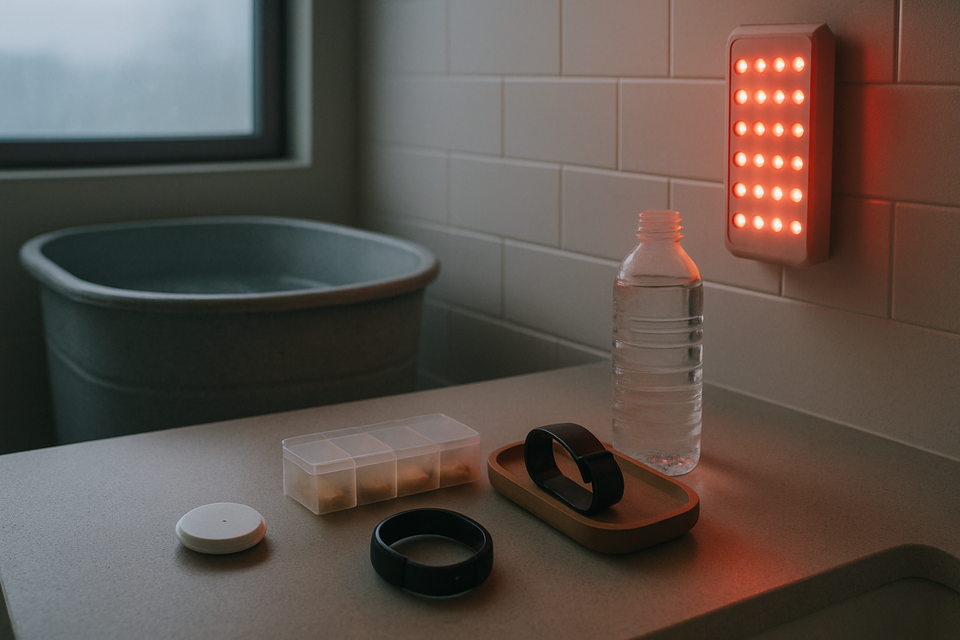
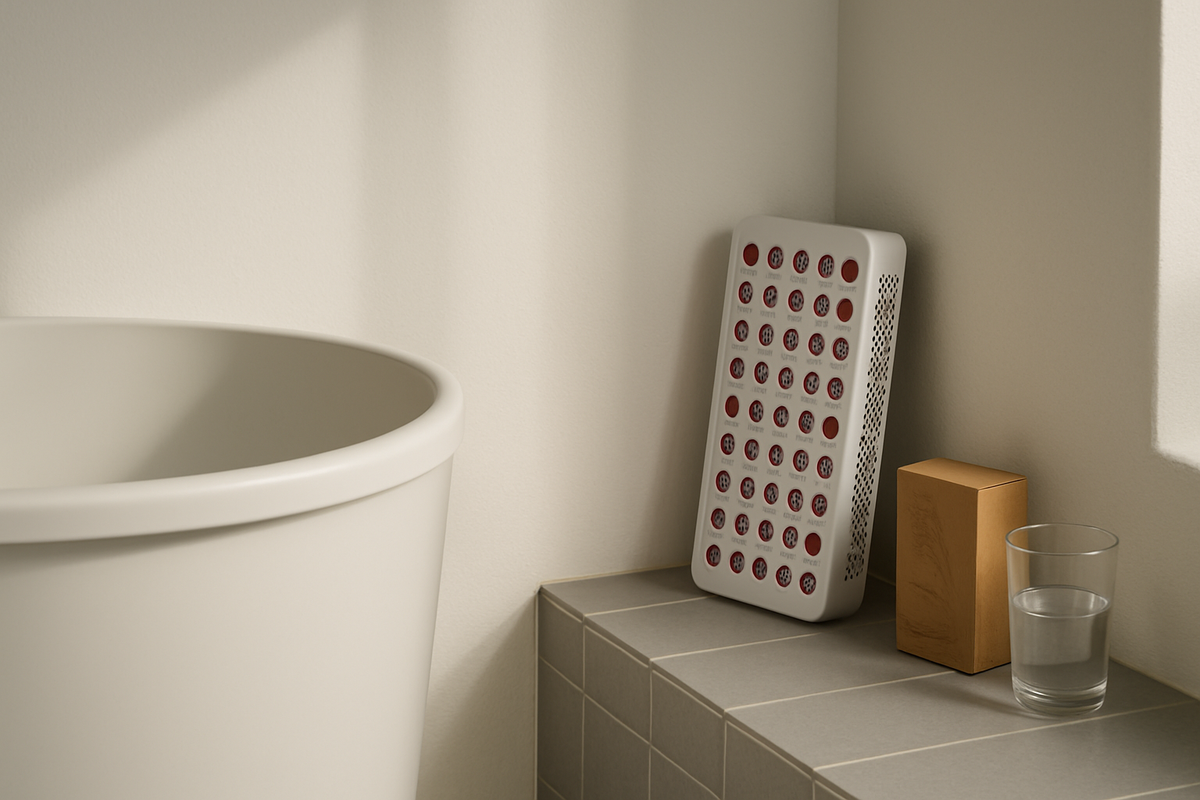
Red light therapy has gained mainstream attention as a low-risk wellness intervention, but the evidence shows it works for some conditions while falling flat for others. In 2025, experts concluded that the therapy was safe and effective for several types of ulcer, peripheral neuropathy, acute radiation dermatitis, and androgenic alopecia, a type of pattern hair loss.
Evidence shows red light therapy can help improve fine lines and wrinkles, though the effects are modest compared to more aggressive treatments like laser peels that dermatologists can perform in the office. There is also evidence the therapy can help with acne.
What does not work: There is no scientific evidence to support red light therapy use in weight loss, cancer, cellulite removal, or mental health conditions like depression and seasonal affective disorder.
The Device Quality Problem
Experts caution that the red light therapy device market is "a little bit like the Wild West." While many devices for sale are FDA cleared, that designation means they are safe but not necessarily effective. Some tested devices did not actually put out enough energy to have any effect, meaning consumers may be paying for placebo-level interventions.
Detox Teas: Laxatives Marketed as Wellness
There has not been any evidence that detox teas flush toxins out of the body, according to nutrition experts. The weight-loss claims that drive sales of these products rest on a combination of severe calorie restriction and diuretic or laxative ingredients, not fat burning or detoxification.
Makers of many detox teas target those who want to lose weight, so the products contain ingredients that are diuretics such as nettle leaf or dandelion leaf, or laxatives such as senna leaf. This does not facilitate increased fat burning, just temporary decreased weight due to loss of body waste and water weight.
Weight loss stems from drastic calorie reduction, often referred to as a "starvation diet," combined with laxative effects. In other words, you are taking in fewer calories than your body needs, leading to weight loss, and the tea's laxative properties accelerate fluid loss, leading to a deceiving number on the scale.
The Real Health Consequences
Detox tea protocols typically involve severe calorie restriction that can produce muscle loss, mood swings, and fatigue, along with weight regain once normal eating resumes. Many people regain the weight and often more once they stop severely restricting their diet.
Drinking these on a regular basis for a long period of time will cause digestive problems, as the consistent use of laxatives stimulates your bowels, signaling your body to stop performing that function itself. When you stop drinking the detox tea, you can feel constipated and may be forced into using laxatives to regulate bowel motion.
Under the Federal Food, Drug and Cosmetics Act, the makers of dietary supplements like these teas do not need approval from the Food and Drug Administration before selling their products.
Biohacking in 2026: Data-Driven or Just Expensive?
In 2026, biohacking is becoming more grounded, measurable, and data-driven, with the rise of wearables, routine lab assessments, and habit tracking shifting performance optimization from guesswork to observation. The biohacking health trend has moved from niche communities into mainstream wellness, blending technology, nutrition, and lifestyle experimentation.
The evidence hierarchy reveals a troubling pattern: Techniques with the strongest evidence bases, including sleep optimization, regular aerobic exercise, intermittent fasting, and dietary pattern improvement, are also among the least commercially glamorous and least profitable to market. The inverse relationship between commercial marketing intensity and scientific evidence quality is a recurring pattern in biohacking.
Techniques with moderate and growing evidence bases, including neurofeedback for ADHD, sauna for cardiovascular and possibly dementia risk, cold exposure for mood and norepinephrine, and photobiomodulation for mild cognitive impairment, warrant continued investigation and cautious adoption. Instances of adverse reactions from unregulated supplements underscore the need for evidence-based approaches.
TikTok Health Trends: The Misinformation Factory
US consumers are bombarded with aggressive wellness marketing that outpaces scientific evidence, and this gap between hype and reality is creating confusion and potentially risky behavior. Nearly half of health videos analyzed on TikTok contained non-factual information, with a large proportion of misleading videos coming from nonmedical influencers.
This misinformation environment makes critical evaluation of wellness claims more important than ever for consumers trying to make informed decisions about their health and fitness routines.
What This Means for Readers
Editorial analysis — not reported fact:
The wellness industry thrives on selling convenience, quick fixes, and the allure of optimization. But the evidence shows that the most effective interventions, like consistent sleep schedules, regular movement, and balanced eating patterns, are free or low-cost and require sustained behavior change rather than expensive gadgets or supplements.
If you are considering a trendy wellness intervention in 2026, ask three questions: Does peer-reviewed research support the specific claim being made? Is the source selling something? And does this intervention address a real need in my life, or am I chasing the promise of effortless transformation?
For cold plunges, the mental benefit of building a difficult daily habit may be real, but do not expect muscle recovery magic, and skip it entirely if you have cardiovascular risk factors or are pregnant. For red light therapy, modest skin and hair benefits exist for specific conditions, but verify your device actually outputs therapeutic energy levels. For detox teas, recognize them for what they are: laxatives and diuretics that produce temporary water weight loss at the cost of potential digestive harm.
Focus your time, energy, and money on the basics that work: seven to nine hours of quality sleep, 150 minutes of moderate-intensity activity per week, strength training twice weekly, whole-food nutrition with adequate protein and fiber, stress management practices, and hydration. These evidence-based habits may not generate viral content, but they form the foundation of genuine, sustainable wellness.
As always, consult a qualified healthcare professional before starting any new wellness intervention, especially if you have underlying health conditions, take medications, or are pregnant.
Sources & Further Reading
- 2024 meta-analysis on cold water application and muscular gains — research showing cold water blunts post-workout muscle development
- 2025 study on cold plunge effects on muscle blood flow and amino acid incorporation — quantifies the reduction in recovery markers
- 2025 expert review on red light therapy efficacy — identifies conditions with proven benefits and those without evidence
- FDA guidance on dietary supplements — regulatory framework for supplements including detox teas
- JAMA analysis of TikTok health misinformation — study quantifying non-factual health content on social media
Editorial coverage of publicly reported health, fitness, wellness, nutrition, and active living developments. Move Weekly has no commercial relationship with any companies, gyms, studios, brands, events, experts, products, or organizations named.