Wellness Myths 2026: Cold Plunges, Red Light & Detox Teas
What science actually says about cold plunges, red light therapy, detox teas, and viral TikTok health trends flooding social media in 2026.

Key Takeaways
- Cold plunges may help reduce muscle soreness and support mental alertness after workouts, but 2025 research shows a 20-minute ice bath reduced muscle protein synthesis by about 30 percent, and serious safety risks include hypothermia and cardiac events from cold shock response.
- Red light therapy has FDA-approved uses for skin conditions like acne, certain ulcers, and pattern hair loss, but there is no scientific evidence supporting weight loss, cancer treatment, or mental health claims.
- Detox teas do not improve liver function in healthy adults; the liver is already an efficient detoxification system, and a 2024 survey linked herbal supplements to 20% of liver damage incidents causing approximately 23,000 emergency department visits.
- Biohacking and viral TikTok health trends spread rapidly without credential verification; the algorithmic nature enables misinformation to reach millions, and healthcare professionals now use platform features to provide evidence-based corrections.
- Evidence-based wellness habits like adequate water intake, fiber-rich foods, regular physical activity, and limiting alcohol remain the most effective strategies; consumers should consult qualified healthcare professionals before trying trendy interventions, especially for chronic conditions.
Why Wellness Myth-Checking Matters More Than Ever in 2026
Cold plunges, red light therapy panels, detox teas, and viral biohacking claims dominate social media feeds and wellness influencer content across the United States as of September 2026. With biohacking becoming one of the most talked-about health topics of the year and cold plunges transforming from an elite athlete recovery tool into a mainstream wellness phenomenon, everyday consumers face an overwhelming flood of health claims that blur the line between science-backed evidence and marketing hype.
The challenge is urgent: Americans are making wellness purchasing decisions and adopting daily practices based on testimonials, before-and-after photos, and algorithmic recommendations rather than peer-reviewed research or guidance from qualified healthcare professionals. This evidence-based review separates what science actually supports from exaggerated claims across four of 2026's biggest wellness trends.
Cold Plunges: What the Research Actually Shows About Ice Baths
Videos of people submerging themselves in ice-filled tubs pack 2026 social media, with claims ranging from better focus and faster recovery to improved sleep and stronger mental toughness. Scientists are increasingly concerned by the flood of exaggerated claims that have transformed a once-niche practice into one of the world's biggest wellness phenomena.
The Proven Benefits
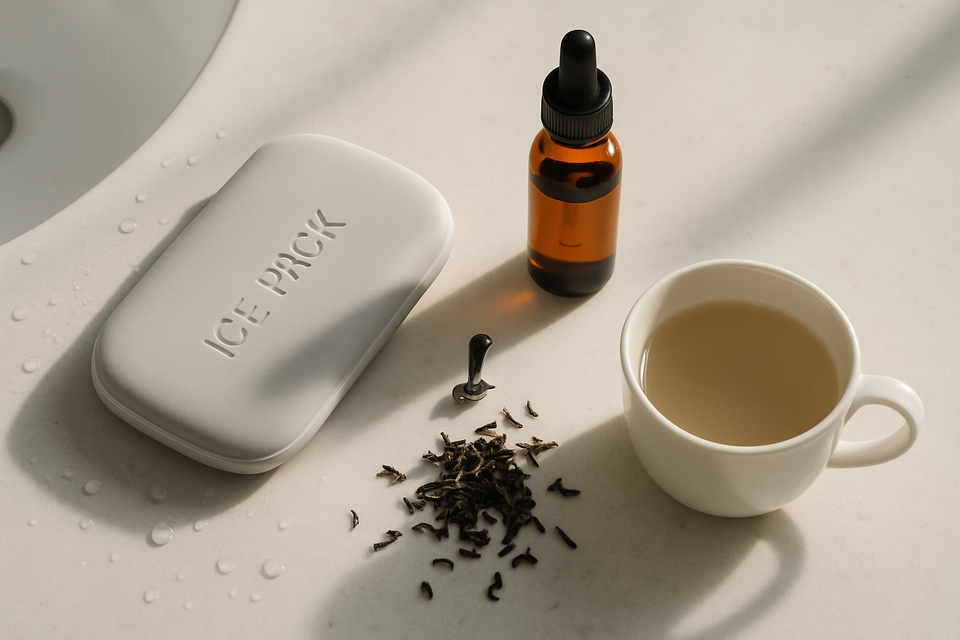
Slipping into frigid water may help reduce muscle soreness, especially after a tough workout, because the cold constricts blood vessels, temporarily reducing swelling and inflammation to aid recovery. Studies point to potential mental wellness benefits from taking an ice bath, with reductions in stress and gains in alertness and focus.
The Serious Limitations and Risks
The strongest current research in 2026 provides evidence for exercise recovery rather than broad claims about weight loss, immunity, or disease prevention. More concerning, a 2025 study showed that a 20-minute cold plunge reduced blood flow to muscle by roughly 70 percent and lowered the amount of dietary amino acids incorporated into muscle during recovery by about 30 percent.
Prolonged exposure to cold water can lower core body temperature, leading to hypothermia, when your body loses heat faster than it can produce it, causing shivering, confusion, and even unconsciousness. Sudden submersion in chilly water can trigger a cold shock response that causes you to gasp and hyperventilate; if your head is underwater, this involuntary gasp could lead to drowning, and the response also increases breathing, heart rate, and blood pressure, all of which could pose health risks for people susceptible to cardiac events.
Red Light Therapy: Separating FDA-Approved Uses from Marketing Hype
The red light therapy market is booming in 2026, with at-home panels and spa treatments promising everything from skin rejuvenation to weight loss. The science, however, is highly nuanced and condition-specific.
What Clinical Evidence Actually Supports
In 2025, more than 20 specialists in a major consensus review concluded that the therapy was safe and effective for several types of ulcer, peripheral neuropathy, acute radiation dermatitis, and androgenic alopecia, a type of pattern hair loss. The strongest evidence was found for acne, with additional data to support the efficacy of red-light therapy for cancerous lesions and chronic inflammatory conditions, while skin rejuvenation and anti-aging demonstrated variable success.
There is solid evidence that red light therapy can reduce inflammation in certain situations; it helps improve skin by boosting collagen, calms mild acne and redness, supports wound healing, and eases certain joint or muscle pain when used consistently and correctly.
What It Will Not Do
Evidence does not support meaningful effects on weight loss, hormone balancing, or serious disease treatment. There is no scientific evidence to support red light therapy use in weight loss, cancer, cellulite removal, or mental health conditions like depression and seasonal affective disorder.
This is not a one-time treatment for most skin conditions; you will likely need ongoing sessions one to three times a week for weeks or even months. Always be cautious of "miracle cure" language in marketing materials.
Detox Teas: The Persistent Myth That Science Has Debunked
There is very little scientific evidence that detox teas or liver cleanses improve liver function. Unless someone has liver disease, the organ does not need external help to detoxify the body; the liver is already an incredibly efficient detoxification system.
How the Marketing Deception Works
Many detox teas rely on laxatives or diuretics to produce quick, noticeable effects; ingredients like senna can stimulate bowel movements, while others increase urination. These visible effects create an illusion of "cleansing" but do not indicate actual toxin removal from the body.
The Real Risks
Some detox regimens can backfire. A 2024 survey study of 9,685 adults found that the use of herbal and dietary supplements like turmeric and green tea was associated with 20% of liver damage incidents, leading to serious side effects like hepatocellular injury with jaundice or even death, and approximately 23,000 emergency department visits and 2,154 hospitalizations.
Doctors caution that no supplement can replace evidence-based habits like limiting alcohol, maintaining a balanced diet, staying physically active, and managing conditions such as obesity or diabetes. The most effective "detox" strategies are drinking adequate water, eating fiber-rich foods, and allowing the body's natural metabolic systems to function normally.
Viral TikTok Health Trends and Biohacking Claims: The Verification Problem
The algorithmic nature of TikTok enables misinformation to spread rapidly, and users, incentivized by the potential to go viral and grow their followers, post content on health-related topics, often giving unverified advice about self-diagnosis, alternative treatments, nutrition, or vaccine avoidance.
Why Expert Credentials Matter
Healthcare professionals have begun using stitching and duetting features to refute false claims by highlighting inaccuracies and providing evidence-based corrections. However, TikTok does not verify expert qualifications or credentials; it only verifies the authenticity of a public figure, brand, or creator, and the blue checkmark indicates identity, not medical or scientific expertise.
Consumers should look for credentials from recognized professional organizations, consult primary sources like peer-reviewed journals or statements from public health agencies such as the CDC physical activity guidance, and discuss new interventions with qualified healthcare professionals before making significant health changes.
What This Means for Readers
Editorial analysis — not reported fact:
The 2026 wellness landscape rewards viral moments over rigorous evidence, leaving everyday consumers to navigate a minefield of exaggerated claims, partial truths, and outright misinformation. When deciding whether to invest time or money in a trending wellness practice, ask three questions: What peer-reviewed research supports this claim? What are the documented risks? What qualifications does the person promoting this actually hold?
For busy professionals, parents, and active adults, the most practical approach is to prioritize the unglamorous fundamentals that lack social media appeal but have decades of clinical validation. Drinking enough water, eating whole foods rich in fiber and protein, moving your body for 150 minutes of moderate-intensity activity per week, getting seven to nine hours of sleep, and managing stress through evidence-based practices like mindfulness or talk therapy will deliver more meaningful health outcomes than any ice bath, supplement, or biohacking protocol.
If you are drawn to cold plunges for post-workout recovery, understand that the evidence supports modest benefits for muscle soreness but also shows potential interference with muscle growth and serious risks for people with cardiovascular conditions. If you are considering red light therapy for a specific skin condition like acne or pattern hair loss, consult a dermatologist about FDA-approved protocols rather than purchasing an unregulated at-home device based on Instagram testimonials. If you are tempted by detox teas, recognize that your liver already detoxifies your body efficiently and that herbal supplements carry real risks of liver damage.
For any wellness trend that promises dramatic results, remember that extraordinary claims require extraordinary evidence. Consult your primary care physician, a registered dietitian, or a licensed physical therapist before adopting interventions that affect your metabolism, cardiovascular system, or recovery processes, especially if you have chronic conditions, take prescription medications, or are pregnant.
Sources & Further Reading
- Harvard Health: Cold water immersion benefits and risks — overview of evidence and safety concerns for ice baths
- Science: Cold plunge after workout may impair muscle growth — 2025 study on reduced protein synthesis following ice bath
- Mayo Clinic: Ice baths for recovery — expert answers on post-exercise cold water immersion
- American Red Cross: Cold water safety — hypothermia and cold shock response risks
- Harvard Health: Red light therapy science — 2025 consensus review of clinical evidence and FDA-approved uses
- Mayo Clinic: Red light therapy overview — what conditions have evidence and which claims lack support
- Johns Hopkins Medicine: Detoxing your liver fact versus fiction — why liver cleanses are unnecessary for healthy adults
- National Institute of Diabetes and Digestive and Kidney Diseases: Drug-induced liver injury — 2024 survey data on supplement-related liver damage
- National Center for Biotechnology Information: Health misinformation on TikTok — algorithmic spread and verification challenges
- CDC physical activity guidelines — evidence-based recommendations for adult movement
Editorial coverage of publicly reported health, fitness, wellness, nutrition, and active living developments. Move Weekly has no commercial relationship with any companies, gyms, studios, brands, events, experts, products, or organizations named.