Wellness Myths vs. Science: Cold Plunges, Red Light, Detox
Cold plunges, red light therapy, detox teas, and viral TikTok trends promise dramatic health gains. We separate evidence from hype in 2026's crowded wellness market.
Key Takeaways
- Cold plunges deliver modest real benefits for alertness, mood, and muscle soreness recovery in the first 1–3 minutes at 10–15°C (50–59°F), but viral claims about dramatic weight loss, testosterone boosts, and metabolic improvements are not supported by current evidence.
- Red light therapy has proven medical applications for specific conditions including certain ulcers, peripheral neuropathy, radiation dermatitis, and pattern hair loss, according to a 2025 consensus review of more than 20 specialists, but the consumer device market remains largely unregulated and claims about weight loss, hormone balancing, or curing serious disease lack credible scientific support.
- Detox teas offer no proven detoxification or lasting weight loss despite a $3.7 billion market in 2026, and multiple reports document serious adverse health outcomes including electrolyte disturbances, cardiovascular events, liver injury, and undeclared pharmaceutical ingredients in products marketed as natural.
- Biohacking has shifted from niche extreme practices to mainstream wellness with the North American market reaching $9.52 billion in 2026, but growing concerns about health perfectionism, privacy, and equitable access accompany the rise of personalized tracking technology.
- Viral TikTok health trends carry significant risks when practices like dry scooping, mouth taping, and other unconventional methods gain millions of views despite little to no scientific backing, though evidence-based trends like increasing fiber intake ("fibermaxxing") do align with legitimate nutritional guidance.
Cold Plunges: Real Recovery Benefits, Overblown Metabolic Claims
Cold-water immersion has genuine applications for muscle soreness reduction and mood support, with research suggesting meaningful effects appear in the first 1–3 minutes at a moderate 10–15°C (50–59°F). Those benefits include short-term alertness boosts and changes in mood-related brain chemicals.
But the conversation has shifted dramatically since influential podcasters including Joe Rogan and Andrew Huberman began discussing cold plunges at length. The hype now extends to claims about dramatic weight loss, testosterone increases, and improved libido that current science does not support. The total number of extra calories burned during a cold plunge appears much too small to produce meaningful or sustained weight loss, according to recent SELF reporting on cold plunge myths.
A 2025 study raised additional concerns, finding that cold exposure actually worsened glucose tolerance and insulin sensitivity in many participants, contradicting widespread metabolic health claims. Cleveland Clinic guidance on cold plunge safety emphasizes that people with heart, blood pressure, or breathing conditions should speak with a doctor before trying their first cold plunge, as the practice can pose risks to individuals with preexisting cardiovascular conditions.
Red Light Therapy: Proven Medical Uses in a Chaotic Consumer Market
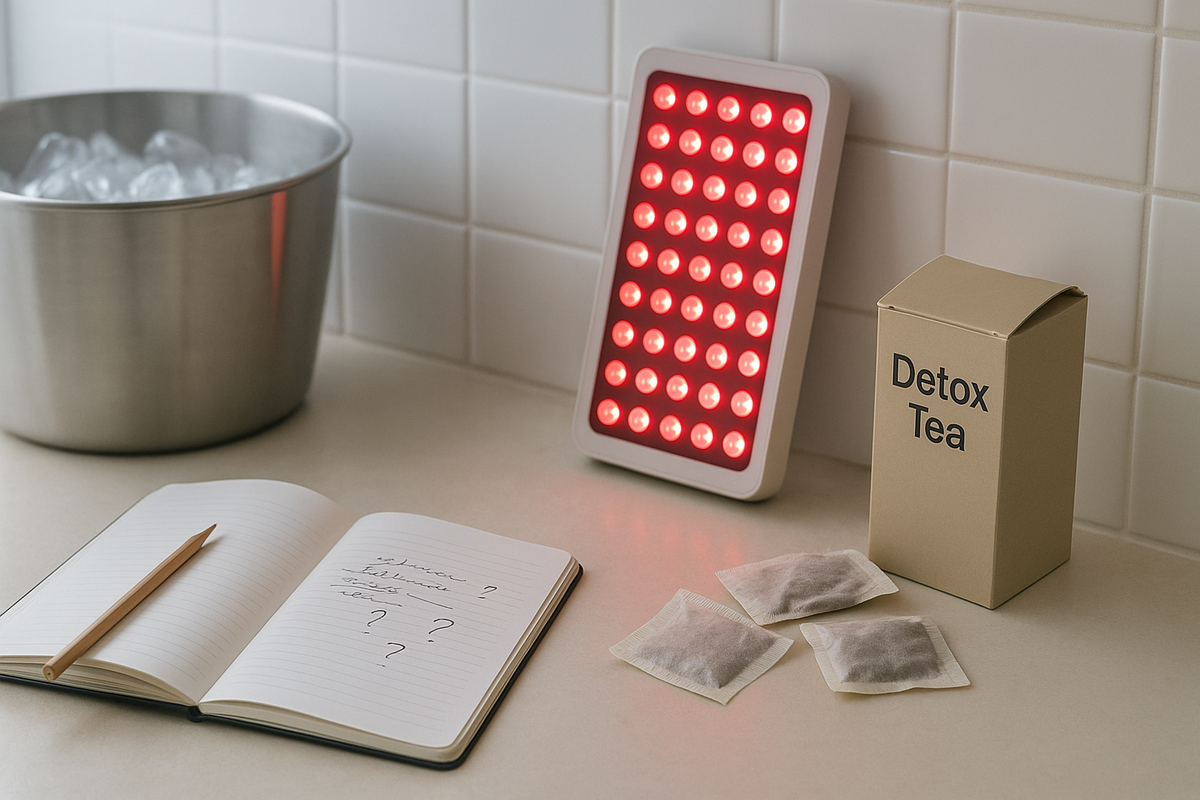
Red light therapy has moved from experimental to evidence-based for specific medical conditions. In 2025, Dr. David Ozog joined more than 20 specialists in a major consensus review that concluded the therapy was safe and effective for several types of ulcer, peripheral neuropathy, acute radiation dermatitis, and androgenic alopecia, a type of pattern hair loss.
The consumer device market, however, remains what Ozog describes as "a little bit like the Wild West." While many devices for sale are FDA cleared, that designation means they're safe but not necessarily effective. According to TIME's 2026 investigation into red light therapy science, Ozog has tested some consumer devices that didn't actually put out enough energy to have any effect.
There is no scientific evidence to support red light therapy use for weight loss, cancer treatment, cellulite removal, or mental health conditions like depression and seasonal affective disorder. If a product claims red light therapy can cure cancer, reverse autoimmune disease, or replace medication, that is not supported by credible research. Consumers should focus on devices and applications backed by clinical evidence for specific, validated medical uses.
Detox Teas: A $3.7 Billion Market Built on Myth and Risk
The detox tea market hit $3.7 billion in 2026, but there's no solid scientific evidence that these products detox the body or lead to lasting weight loss. More directly, there's no evidence that detox teas remove toxins from the body. For most people, the liver and kidneys already filter waste efficiently on their own, and detox teas don't switch on this process or make it work faster.
Current evidence suggests that diet and detox teas marketed for weight loss offer minimal demonstrated benefit and may pose meaningful health risks. Multiple reports described serious adverse health outcomes associated with diet and detox tea consumption, including electrolyte disturbances, cardiovascular events, and liver injury in otherwise healthy individuals.
Analytical studies identified undeclared pharmaceutical ingredients, high levels of stimulants, and inconsistencies between labeled and actual product contents in teas marketed as natural. Detox teas can cause short-term changes in digestion or water balance that may look or feel encouraging at first, but these temporary effects do not represent genuine detoxification or sustainable health improvements.
Biohacking's Mainstream Moment: Promise and Peril of Personalized Wellness
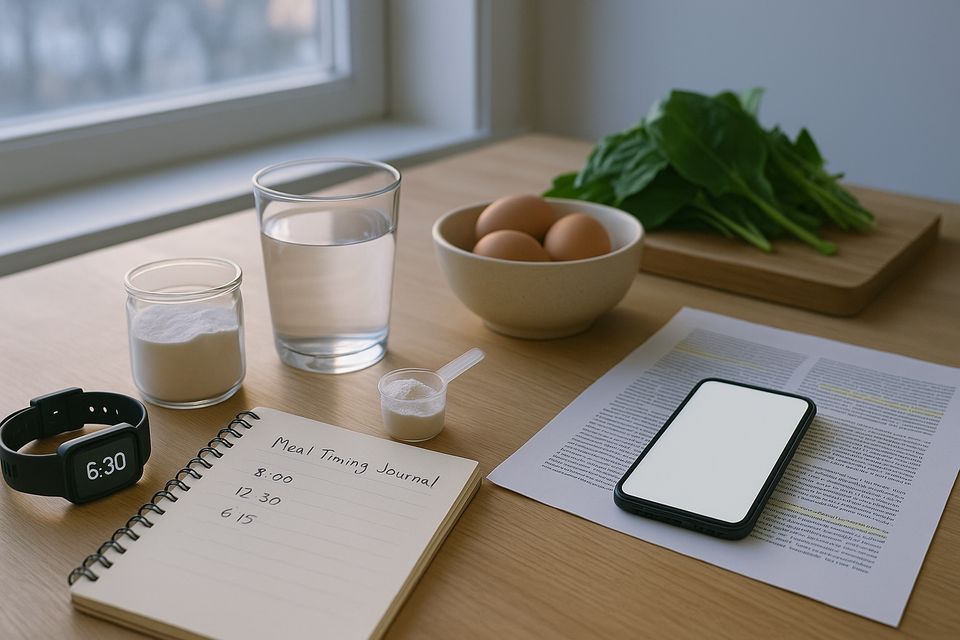
The biohacking health trend has moved from niche communities into mainstream wellness, blending technology, nutrition, and lifestyle experimentation. North America captured the dominating share of the global market in 2025, valuing at $8.71 billion, and took the leading share in 2026 with $9.52 billion, according to market research on the biohacking industry.
Longevity and metabolic health have shifted from niche biohacking topics to mainstream lifestyle concerns. Biohacking involves highly personalized tracking and optimization of a person's health data. While this approach can help tailor wellness routines to individual bodies and lifestyles, it can also result in health perfectionism and anxiety from constant tracking.
Critical ethical questions surround privacy, accessibility, and equitable usage. One of the key challenges is ensuring that advanced biohacking tools do not become exclusive to only a select group of individuals who can afford them. As the field matures in 2026, the shift appears to be from extreme experimentation toward more balanced, evidence-informed personalization.
Viral TikTok Health Trends: Separating Signal from Noise
Health trends like dry scooping, mouth taping, and unconventional garlic use have gained popularity on social media, but not only do they not achieve their claims, they can severely risk your health. There are thousands of videos promoting unconventional health and wellness trends that have little to no scientific backing and can often even be harmful if done incorrectly, according to Medical News Today's review of TikTok health trends.
Some trends align with legitimate nutritional guidance. Fibermaxxing, the viral trend dedicated to increasing fiber intake, has millions of videos on TikTok and has people eating foods like broccoli and beans. "This trend is one that I actually like," said dietitian Susan Greeley, MS, RDN, in Healthline's coverage of the fibermaxxing trend. The most recent statistics show about 9 out of 10 women don't get the recommended daily amount of fiber (25–28 grams) per day, making this a rare example of viral content that addresses a real nutritional gap.
The broader pattern involves widespread promotion and endorsement of detox and diet teas through social media, particularly by celebrities and influencers, often including health claims related to detoxification, rapid weight loss, and "natural" benefits that may not be supported by research. Readers should prioritize trends that align with established nutritional and fitness science over those driven purely by influencer endorsement.
What This Means for Readers
Editorial analysis — not reported fact:
Before investing time or money in trending wellness practices, ask three questions: What specific claim is being made? Who is making it, and do they have relevant credentials or financial incentives? Where is the supporting research, and does it come from credible medical or scientific sources?
For cold plunges, stick to short, moderate-temperature sessions focused on recovery and mood rather than chasing metabolic miracles. If you have cardiovascular concerns, consult your doctor before starting. For red light therapy, research FDA-cleared devices for specific validated conditions rather than purchasing based on broad cure-all claims. Skip detox teas entirely; your liver and kidneys handle detoxification without expensive supplements, and the documented health risks outweigh any temporary changes.
If you're exploring biohacking tools or wearable health tech, focus on sustainable habits rather than perfectionism. Tracking can inform better choices, but obsessive monitoring can create anxiety that undermines the wellness you're pursuing. On TikTok and other social platforms, look for trends that align with established guidance from organizations like the CDC or registered dietitians, such as increasing fiber intake, rather than unconventional practices with no clinical backing.
When wellness claims sound too dramatic, simple, or universal, they probably are. Real health improvements come from consistent, evidence-based habits: adequate sleep, regular movement, balanced nutrition, stress management, and social connection. These fundamentals lack the viral appeal of a cold plunge challenge or a celebrity-endorsed detox tea, but they deliver the sustainable results that hype cannot.
Sources & Further Reading
- SELF: Cold Plunge Myths Debunked — coverage of metabolic claims and calorie-burning realities
- Cleveland Clinic: Cold Plunge Benefits and Safety — guidance on cardiovascular risks and safe practice
- TIME: The Science of Red Light Therapy — 2025 consensus review findings and consumer device market analysis
- National Institutes of Health: Diet and Detox Teas Review — systematic analysis of health risks and undeclared ingredients
- Grand View Research: Biohacking Market Report — 2025–2026 market size and regional data
- Medical News Today: TikTok Health Trends Analysis — review of viral wellness practices and safety concerns
- Healthline: Fibermaxxing and Fiber Intake — dietitian perspectives on evidence-based viral trends
Editorial coverage of publicly reported health, fitness, wellness, nutrition, and active living developments. Move Weekly has no commercial relationship with any companies, gyms, studios, brands, events, experts, products, or organizations named.