Wellness Myths vs. Science: What Actually Works in 2026
Cold plunges, detox teas, biohacking, and viral TikTok trends: we separate evidence-backed wellness practices from expensive hype using the latest research.
Key Takeaways
- Cold plunges and red light therapy have legitimate biological effects when used consistently as part of a recovery routine, but consumer claims about detox and dramatic transformation outpace the science.
- Detox teas and liver cleanses are unnecessary and lack strong clinical evidence; most are primarily laxatives that can cause harm, and your liver already detoxifies your body 24/7.
- Biohacking spans a wide spectrum from evidence-backed practices like sleep optimization and cold exposure to risky interventions like unregulated peptide supplements and DIY gene editing.
- Viral TikTok health trends vary widely in safety and effectiveness; fibermaxxing and protein coffee align with nutrition science, while trends like dry scooping and mouth taping carry real health risks.
- Consumer skepticism is rising as the $6.8 trillion global wellness industry faces backlash over influencer misinformation and over-optimization fatigue.
- The most effective wellness practices including regular exercise, sleep consistency, and dietary pattern improvement are also the least commercially glamorous and hardest to monetize.
Why Wellness Myth-Busting Matters in 2026
The wellness industry now generates more than $6.8 trillion globally, with half of U.S. adults under 50 getting health and wellness information from influencers or podcasters. Fewer than 1 in 5 of those creators are conventional medical professionals. In mid-2026, American consumers face a critical choice: which wellness trends deliver real benefits, and which are just expensive marketing?
The Global Wellness Summit named the "Over-Optimization Backlash" one of its top 10 trends for 2026, confirming that tracking-everything culture is provoking a measurable counter-reaction. Science communicators now spend most of their time countering wellness misinformation rather than advancing public health knowledge. This is the moment to separate evidence-backed practices from performative hype.
Cold Plunges and Red Light Therapy: Real Benefits with Caveats
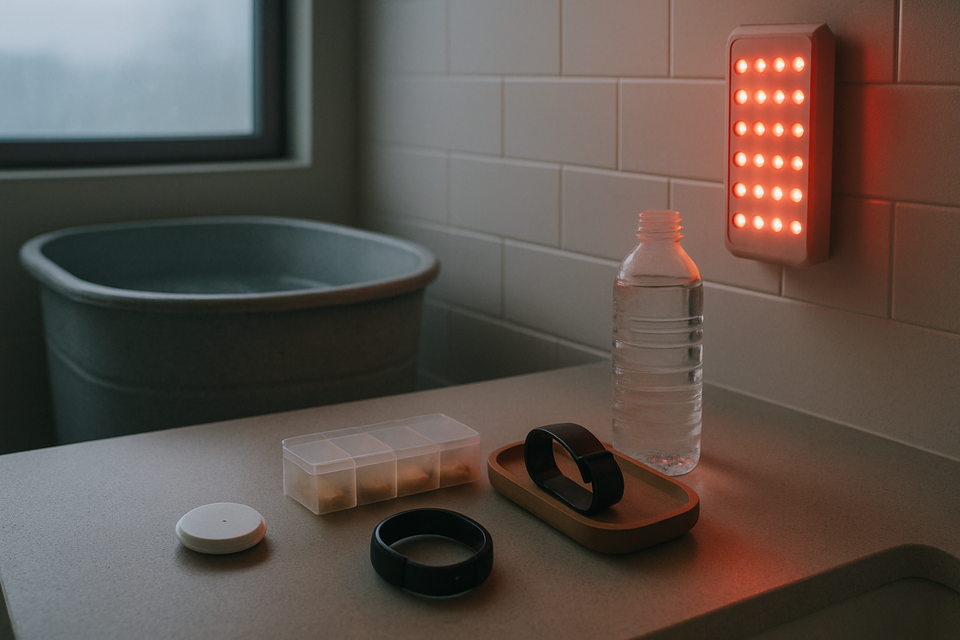
Cold plunges and red light therapy sit in wellness's middle ground: they have legitimate biological effects, but marketing claims often outrun the research. A long-term Finnish study found regular cold plunging decreased mortality by about 40% to 50%. However, context matters. These benefits appeared with consistent use over time, not from occasional Instagram-worthy ice baths.
Red light therapy research is more mixed. A 2026 systematic review in Lasers in Medical Science pooled five randomized trials with 240 participants and found modest improvements in sleep-quality scores, but the review emphasized wide confidence intervals and the need for larger standardized trials. A 2025 review comparing recovery methods found that red light therapy, particularly when used before exercise, reduced muscle soreness and supported next-day performance more consistently than passive rest.
The research on skin health and tissue support is among the most substantial in the recovery-wellness space when approached as a consistent habit rather than a quick fix. Red light studies often rely on small samples and inconsistent protocols. These modalities may help in limited ways, but consumer claims about deep detox and dramatic transformation remain well ahead of the science.
Detox Teas and Liver Cleanses: Almost No Evidence
This is where the science is clearest: liver cleanses are unnecessary and lack strong clinical evidence. These products are not regulated by the U.S. Food and Drug Administration and have not been proven to reverse damage caused by overeating or alcohol use. Your liver is already working 24/7 to detoxify your body.
A 2023 analysis of the top 10 selling liver detox products found no definitive evidence that they improved liver function or health. The National Center for Complementary and Integrative Health reports that there is no compelling research to support the use of special cleanses for removing toxins from your body. Most detox teas are primarily laxatives, relying on ingredients like senna or milk thistle to produce water loss and temporary digestive effects, not actual toxin removal.
More concerning, a 2024 survey study of 9,685 adults examined the use of herbal and dietary supplements like turmeric and green tea, which have been linked to liver damage. The study found these supplements were associated with 20% of liver damage incidents, approximately 23,000 emergency department visits, and 2,154 hospitalizations.
Biohacking: Where Science Ends and Hype Begins
The biohacking health trend has moved from niche communities into mainstream wellness, blending technology, nutrition, and lifestyle experimentation. From wearable devices to peptide therapies and AI-driven health insights, people are seeking ways to optimize performance, longevity, and daily well-being. The global biohacking market is expected to reach $63 billion by 2028, signaling a broader shift toward mainstream longevity optimization.
The critical distinction: techniques with the strongest evidence bases, including sleep optimization, regular aerobic exercise, intermittent fasting, and dietary pattern improvement, are also among the least commercially glamorous and least profitable to market. Biohacking's commercial exuberance frequently outpaces its scientific evidence base.
Evidence-backed approaches include cold exposure, red light therapy, circadian rhythm alignment, and nutrient optimization. Established modalities like pulsed electromagnetic field therapy, photobiomodulation, contrast therapy with sauna and cold plunge, and hyperbaric oxygen therapy are driven by consumer demand for at-home and performance-focused recovery tools. However, certain biohacking trends lack clinical research and safety oversight. Practices like DIY gene editing, extreme sun exposure, or unregulated supplements can disrupt hormonal balance or damage tissues.
Viral TikTok Health Trends: The Good and the Dangerous
Health trends like dry scooping, mouth taping, and garlic use have gained popularity on social media, but not only do they not achieve their claims, they can severely risk your health. The difference between helpful and harmful viral trends often comes down to whether they address a real gap in your existing habits or just chase engagement.
Some viral trends align with actual nutrition science. Fibermaxxing, the viral trend dedicated to increasing fiber intake, has millions of videos on TikTok and has people eating more foods like broccoli and beans. Dietitian Susan Greeley, MS, RDN said, "This trend is one that I actually like." Most Americans fall short on daily fiber intake; about 9 out of 10 women don't get the recommended 25 to 28 grams per day.
Protein-packed coffee, known as "profee" on TikTok, is another viral health trend experts say actually delivers real benefits. These examples show that not all social media wellness content is performative. The key is evaluating whether a trend fills a genuine nutritional need or simply looks good on camera.
The Broader Backlash: Consumer Skepticism is Rising
The wellness industry, now valued at $6.8 trillion, has become a target of its own success. Influencers promoting miracle supplements and unproven protocols have eroded trust, often providing little evidence to support their claims. NPR reports that science communicators now spend most of their time countering wellness misinformation rather than advancing public health knowledge.
This erosion of credibility has killed patience for performative health challenges designed more for social media engagement than actual physiological improvement. The Global Wellness Summit's identification of "Over-Optimization Backlash" as a top 2026 trend confirms that the tracking-everything era is provoking a measurable cultural counter-reaction among everyday consumers.
What This Means for Readers
Editorial analysis — not reported fact:
The wellness landscape in mid-2026 rewards skepticism and rewards boring consistency. If a trend requires expensive equipment, proprietary supplements, or dramatic lifestyle overhaul, ask what problem it solves that basic habits don't already address. The practices with the strongest evidence, like getting 150 minutes of moderate-intensity activity per week, sleeping 7 to 9 hours nightly, and eating more fiber and whole foods, are free or low-cost and decidedly unglamorous.
For cold plunges and red light therapy, think recovery ritual, not miracle cure. If you have access and enjoy the practice, consistent use may support muscle recovery and subjective sleep quality. But don't expect transformative detox or dramatic performance leaps. For detox teas and liver cleanses, skip them entirely. Your liver and kidneys already handle detoxification efficiently, and these products carry real risks with no proven benefit.
When evaluating biohacking tools, start with the fundamentals: optimize your sleep environment, track your activity with a basic wearable if helpful, and experiment with meal timing or cold showers before spending thousands on unregulated peptides or infrared pods. For viral TikTok trends, ask whether the practice addresses a real nutritional gap like fiber or protein intake, or whether it's simply performative. If a trend makes you anxious, requires extreme restriction, or carries physical risk, it's almost certainly hype over substance.
As always, if you're considering a new supplement, recovery modality, or significant dietary change, especially if you have a chronic condition, consult a qualified healthcare professional before starting.
Sources & Further Reading
- Global Wellness Institute — industry data on the $6.8 trillion wellness market
- Global Wellness Summit — 2026 trend report on over-optimization backlash
- Finnish cold plunge mortality study — long-term research on cold water immersion
- Lasers in Medical Science systematic review — 2026 meta-analysis of red light therapy for sleep
- 2025 recovery methods review — comparison of red light therapy and other modalities
- Johns Hopkins Medicine on liver cleanses — clinical perspective on detox product claims
- 2023 analysis of liver detox products — evidence review of top-selling supplements
- National Center for Complementary and Integrative Health — guidance on detox and cleanse claims
- 2024 survey study on supplement-related liver damage — analysis of 9,685 adults and emergency department visits
- Biohacking market projections — global market forecast through 2028
- Cleveland Clinic on viral health trends — expert assessment of TikTok wellness practices
- NPR reporting on wellness misinformation — coverage of science communicator challenges
Editorial coverage of publicly reported health, fitness, wellness, nutrition, and active living developments. Move Weekly has no commercial relationship with any companies, gyms, studios, brands, events, experts, products, or organizations named.