Adaptive & Inclusive Fitness Breaks Barriers to Movement
Inclusive fitness is now the mainstream expectation for 2026, with gyms investing in accessible equipment, trauma-informed coaching, and truly welcoming spaces for every body.
Key Takeaways
- Inclusive fitness is now mainstream expectation for 2026: Clients increasingly demand weight-inclusive programming, adaptive options, trauma-informed communication, and coaching that honors different bodies, abilities, and backgrounds, pushing the fitness industry beyond one-size-fits-all approaches.
- Plus-size sportswear demand is surging: The sportswear segment is projected to grow at 4.4% annually, driven by the body positivity movement and millennials and Gen Z consumers who actively seek brands featuring diverse body types in marketing campaigns.
- Gyms are investing in accessible design and staff training: Forward-thinking facilities are adding low step-up treadmills, adjustable strength machines, quiet zones for neurodiverse users, beginner-friendly group classes, and training staff in cultural competence and adaptive coaching techniques.
- Adaptive fitness has become transformative in the past 15 years: Programs now routinely modify exercises for different mobility levels, strength, and coordination, offering seated or supported versions of standing exercises and specialized equipment like handcycles and tandem bikes for riders with disabilities.
- Trauma-informed coaching is becoming table stakes: With 70% of U.S. adults having experienced a traumatic event, trainers are learning to design environments where bodies can show up without fear, using simple interventions like asking clients about their comfort with room positioning.
- Marketing language and imagery signal true inclusivity: Facilities that showcase all ages, body types, races, and abilities in their messaging, and speak to varied goals beyond weight loss such as energy, mobility, or mental health support, attract more diverse clientele and see higher retention.
Why Inclusive Fitness Became the New Industry Standard
The fitness industry is undergoing a fundamental shift in how it designs spaces, trains staff, and coaches clients. What was once considered a niche offering has become the mainstream expectation heading into 2026. Clients now actively seek fitness spaces where they feel welcome, respected, and understood, pushing personal trainers and gym operators to think beyond traditional programming models.
This cultural transformation is being driven by consumer demand, particularly from millennial and Gen Z users who reject traditional beauty standards and translate their advocacy for body acceptance into purchasing power. According to Grand View Research market analysis, the sportswear segment is projected to grow at the fastest rate of 4.4% annually, with the body positivity movement spurring demand for plus-size performance activewear that provides support and comfort. The women's leggings subcategory alone represents a $23.5 billion market, with plus-size the fastest-growing segment.
What Gyms and Studios Are Actually Building
Pioneering facilities across the United States are reshaping what "fit" means in practice. Gyms like Everybody Los Angeles and Radically Fit Oakland have built gender-neutral spaces with accessible workouts and inclusive programming, creating supportive communities that grow organically through word-of-mouth.
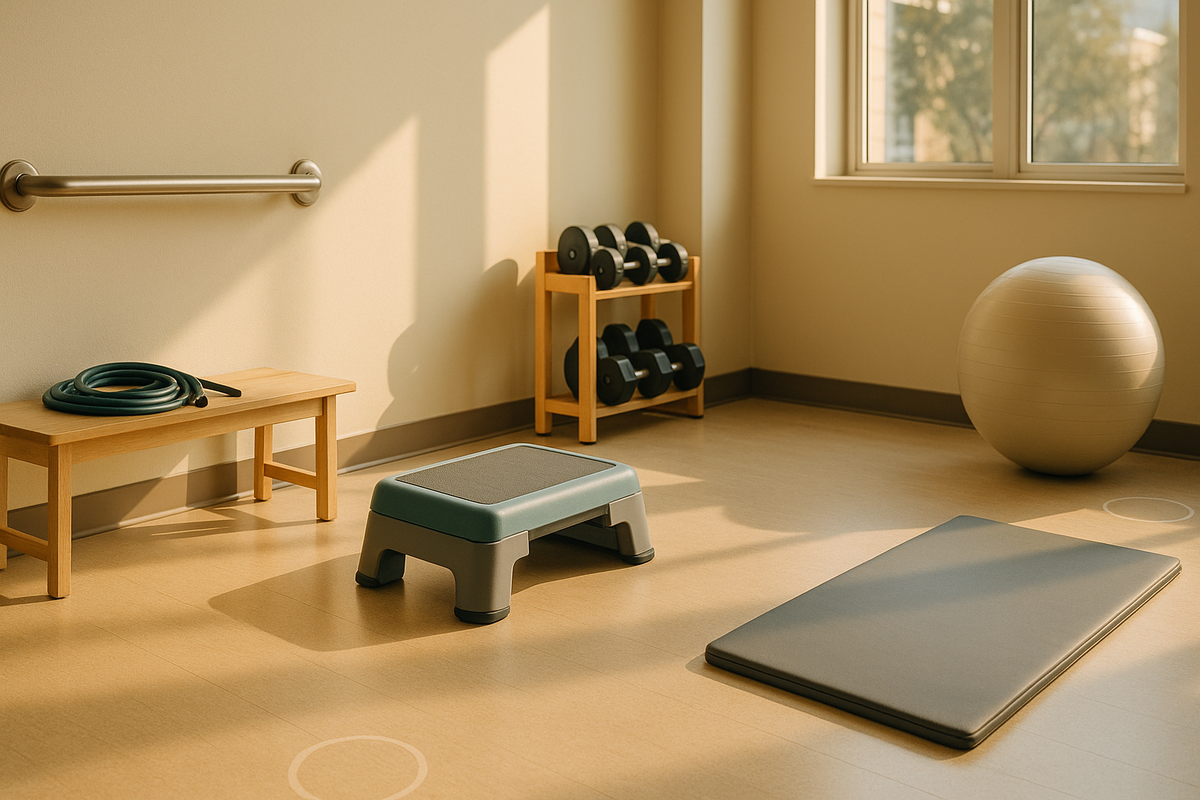
Forward-thinking clubs are making concrete investments in accessibility. These include low step-up treadmills and adjustable strength machines that accommodate different mobility levels, quiet zones designed for neurodiverse users or those managing mental health conditions, group classes geared specifically toward older adults or beginners, and comprehensive staff training in cultural competence and adaptive coaching techniques.
Several models demonstrate what full implementation looks like. OutBox Gym operates as a queer- and trans-centered boxing and fitness studio, offering beginner-friendly space for all bodies and identities with small group classes in boxing, kickboxing, and strength training that prioritize safety and community. Ascent Fitness in Tacoma explicitly supports individuals of all body sizes, identities, and backgrounds through joyful movement in a queer-friendly environment. Brooklyn's FORM FITNESS has built its entire brick-and-mortar training philosophy around all-inclusive fitness, while Hope Fitness offers dance classes, one-on-one training, and yoga in an accessible environment for all levels and ages.
Adaptive Programming for People with Disabilities
Adaptive fitness has arrived over the last 15 years as a transformative approach to exercise and well-being designed to accommodate individuals with disabilities. Gyms are now routinely modifying exercises and movements to accommodate different abilities, offering variations to cater to different levels of mobility, strength, and coordination. For example, facilities provide seated or supported versions of standing exercises for participants with mobility issues.
Real programs are operating across the country. The Achilles and Citi Bike Adaptive Cycling Program provides cycling sessions for individuals with disabilities using adaptive bikes, including handcycles designed for those with lower limb mobility impairments like amputation or paralysis that allow riders to propel themselves forward using their hands, and tandem bikes that allow a sighted person to guide blind or minimally sighted individuals. Ability Fitness serves all ages and training levels while specializing in working with people with cognitive and health disabilities. The Special Olympics Inclusive Gyms program offers free one-hour training for fitness professionals to maximize their skillset for working with people with intellectual disabilities, with certified trainers earning 0.1 ACE continuing education credits.
The Trauma-Informed Coaching Movement
Weight-inclusive mindsets, adaptive approaches, trauma-informed communication, and integrated mental-physical frameworks are becoming table stakes for trust and client retention. With 70% of U.S. adults having experienced a traumatic event in their lifetimes, personal trainers must have a basic understanding of trauma and how to coach these clients in a way that does not worsen their symptoms.
Organizations like Trauma-Informed Wellness offer certificate programs for both physical and mental health professionals and all those actively working with individuals and communities that have experienced trauma. Trauma-informed trainers don't just program workouts; they design environments where bodies can show up without fear. Sometimes the intervention is as simple as asking "Do you feel comfortable facing this way?" which can change someone's entire experience of a session.
Why Marketing Language and Imagery Matter for Retention
Marketing is often a client's first impression and should use imagery that includes all ages, body types, races, and abilities. Industry experts recommend avoiding showcasing only peak fitness models and instead speaking to varied goals, recognizing that not everyone wants weight loss. Some clients prioritize energy, mobility, or mental health support.
Clients are more likely to stay consistent when they feel accepted and understood. Inclusive language, visuals, and coaching help remove barriers to participation and increase engagement, attracting more diverse clientele. When clients feel seen, they stay longer and tell their friends, creating organic growth for facilities that get this right.
Creating Beginner-Safe Spaces That Actually Welcome New Exercisers
Beginning a new fitness journey can be daunting, and inclusive gyms strive to make the experience as welcoming and seamless as possible. These facilities understand that starting is difficult and design their onboarding and class structure accordingly. Beginners can find classes like EmPower Strength, where they can learn the basics of strength and conditioning in a judgment-free environment.
The distinction between accessibility levels matters. While "accessible" means people can physically get in the door, "universally designed" means people of all ages, abilities, and body types can independently access the space and use the features within the space. "Fully inclusive" means people with and without disabilities are able to access the space and its features and are made to feel welcome there as they use the facility together. An important question for any facility claiming inclusivity is whether efforts to be inclusive are truly welcoming or are just checking a box.
What This Means for Readers
Editorial analysis, not reported fact:
If you've ever felt unwelcome in a traditional gym, you now have more options than ever before. The proliferation of inclusive fitness spaces means you can find facilities and coaches who understand your specific needs, whether those relate to body size, disability, gender identity, mental health history, or simply being a complete beginner.
When evaluating a gym or trainer, look beyond their website claims. Visit the facility and observe whether the imagery in their marketing reflects the actual clientele. Ask staff about their training in adaptive coaching or trauma-informed practices. Notice whether equipment accommodates different body sizes and mobility levels. Check whether class descriptions speak to varied goals beyond weight loss and aesthetic outcomes.
For parents, older adults, people managing chronic health conditions, or anyone returning to fitness after a long break, seek out facilities that explicitly market beginner-friendly programming and show diverse bodies in their promotional materials. For those with disabilities, ask specifically about adaptive equipment availability and whether staff have completed any disability-inclusive training certification such as the Special Olympics program.
The market is responding to consumer demand. Your choice to support truly inclusive facilities sends a signal that accelerates industry change, making fitness more accessible for everyone who comes after you.
Sources & Further Reading
- Grand View Research plus-size clothing market analysis, projecting 4.4% annual growth in sportswear segment driven by body positivity movement
- Everybody Los Angeles, gender-neutral gym with accessible workouts and inclusive programming
- OutBox Gym, queer- and trans-centered boxing and fitness studio in beginner-friendly small group format
- Ascent Fitness Tacoma, supporting all body sizes, identities, and backgrounds through joyful movement
- FORM FITNESS Brooklyn, brick-and-mortar training gym with all-inclusive fitness philosophy
- Achilles and Citi Bike Adaptive Cycling Program, providing handcycles and tandem bikes for riders with disabilities
- Ability Fitness, specializing in accessible programs for people with cognitive and health disabilities
- Special Olympics Inclusive Gyms, offering free training for fitness professionals working with people with intellectual disabilities
- SAMHSA trauma and violence statistics, documenting that 70% of U.S. adults have experienced a traumatic event
- Trauma-Informed Wellness Learning, offering certificate programs for professionals working with individuals who have experienced trauma
Editorial coverage of publicly reported health, fitness, wellness, nutrition, and active living developments. Move Weekly has no commercial relationship with any companies, gyms, studios, brands, events, experts, products, or organizations named.