Calcium & Vitamin D Supplements Don't Prevent Fractures
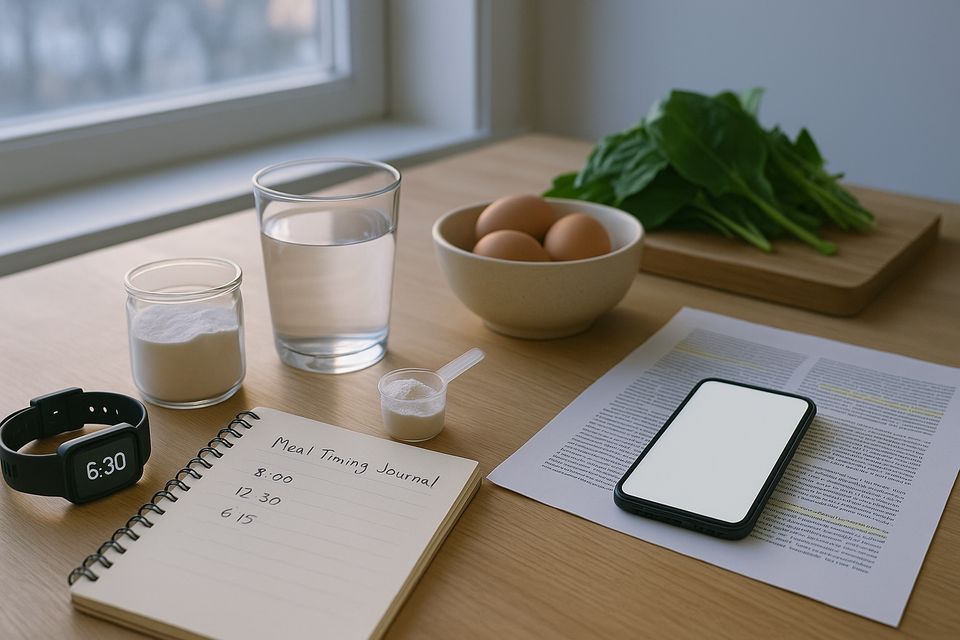
A major 2026 review of 153,000 adults found calcium and vitamin D supplements do little to prevent fractures or falls. Movement and balance training matter more.
Key Takeaways
- Calcium and vitamin D supplements don't prevent fractures in most older adults, according to a comprehensive review of 69 studies involving more than 153,000 people published in The BMJ in June 2026.
- Routine supplementation for bone health prevention is not supported by current evidence, and researchers recommend that clinicians and guideline panels re-evaluate general supplement recommendations.
- Balance training, resistance exercise, and mobility work show stronger evidence for reducing fall and fracture risk than passive supplementation, shifting focus from pills to movement.
- People with confirmed deficiencies or specific risk factors may still benefit from supplementation, but the blanket advice for healthy adults to take calcium and vitamin D for fracture prevention is not evidence-based.
- Common-sense fall prevention strategies such as vision checks, removing throw rugs, and installing night lights work alongside exercise to reduce injury risk in everyday settings.
Why Decades of Supplement Advice Is Being Overturned
For years, older adults in the United States have been told to take calcium and vitamin D supplements to protect their bones and prevent fractures. That advice is now in serious question. A major review published in The BMJ in June 2026 analyzed 69 studies involving more than 153,000 adults and found that calcium and vitamin D supplements, whether taken alone or together, did little to improve bone density or prevent fractures and falls in most older people.
The authors concluded that the findings "do not support routine supplementation with calcium or vitamin D, or combined supplementation to prevent fractures and falls." They called on clinicians, guideline panels, and regulatory agencies to re-evaluate their general recommendations in light of the current evidence. The research has gained renewed attention in September 2026 as health outlets and wellness communities process what this means for millions of Americans who have made daily supplementation a cornerstone of their health routines.
What the Research Actually Found
The review pooled data from dozens of randomized controlled trials and observational studies. Researchers examined whether calcium supplements, vitamin D supplements, or the two combined had any measurable effect on preventing bone fractures or reducing the likelihood of falls among older adults. The results were consistent: across the board, supplementation showed little to no meaningful benefit for the general population of healthy older adults.
This does not mean calcium and vitamin D are unimportant nutrients. Both play critical roles in bone health, muscle function, and overall metabolism. But the assumption that taking them in pill form will prevent fractures in people without diagnosed deficiencies or specific risk factors is not borne out by the data. Past research suggested supplements would work, but large-scale reviews now show that evidence was overstated or drawn from smaller, less rigorous studies.
Who Might Still Benefit from Supplementation
The study's findings challenge routine, blanket supplementation advice, but they do not apply equally to everyone. People with confirmed vitamin D or calcium deficiencies, those living in institutional care settings with limited sunlight exposure or dietary variety, and individuals with specific medical conditions or risk factors identified by a healthcare provider may still benefit from supplementation.
If you have osteoporosis, a history of fractures, malabsorption issues, or other clinical indications, supplementation may remain an important part of your care plan. The key distinction is between prevention in healthy adults and treatment or support for those with documented needs. Readers considering stopping or starting calcium or vitamin D supplements should consult a qualified healthcare professional, especially if they have underlying health conditions or take other medications.
What Actually Prevents Falls and Fractures
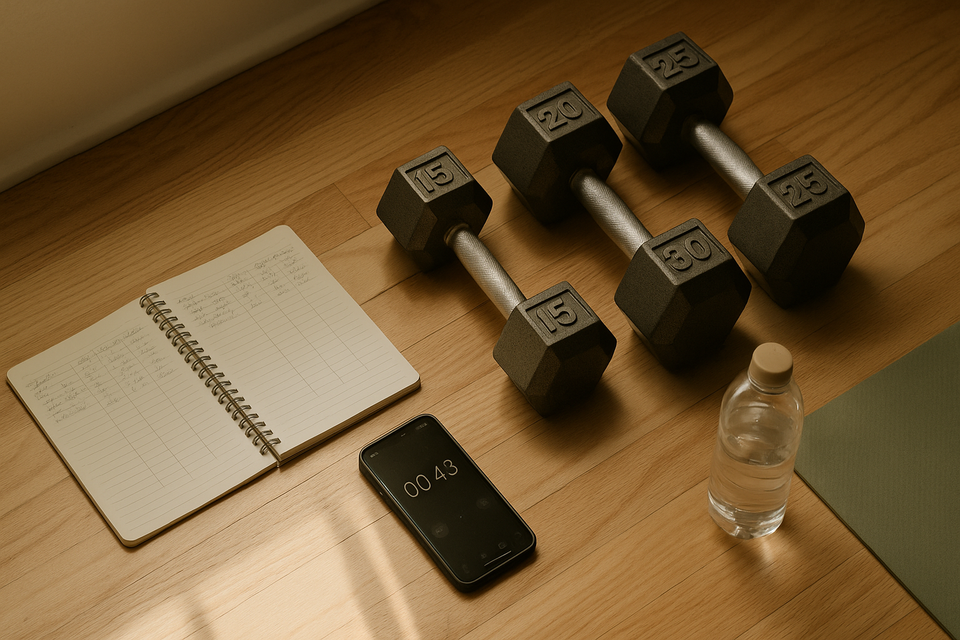
The research points toward a more active, movement-based approach to bone and fall prevention. Balance training, resistance exercise, and mobility work have stronger evidence for reducing fall and fracture risk than passive supplementation. Multiple studies have shown that interventions targeting strength, agility, and balance can meaningfully reduce both falls and the injuries that result from them.
Resistance training builds muscle mass and bone density through load-bearing stress on the skeleton. Balance exercises improve proprioception and reaction time, making it easier to catch yourself when you stumble. Agility drills and mobility work keep joints supple and improve overall movement quality. These strategies align with the broader physical activity goals many Move Weekly readers already pursue, whether through strength training sessions, yoga, Pilates, or functional fitness classes.
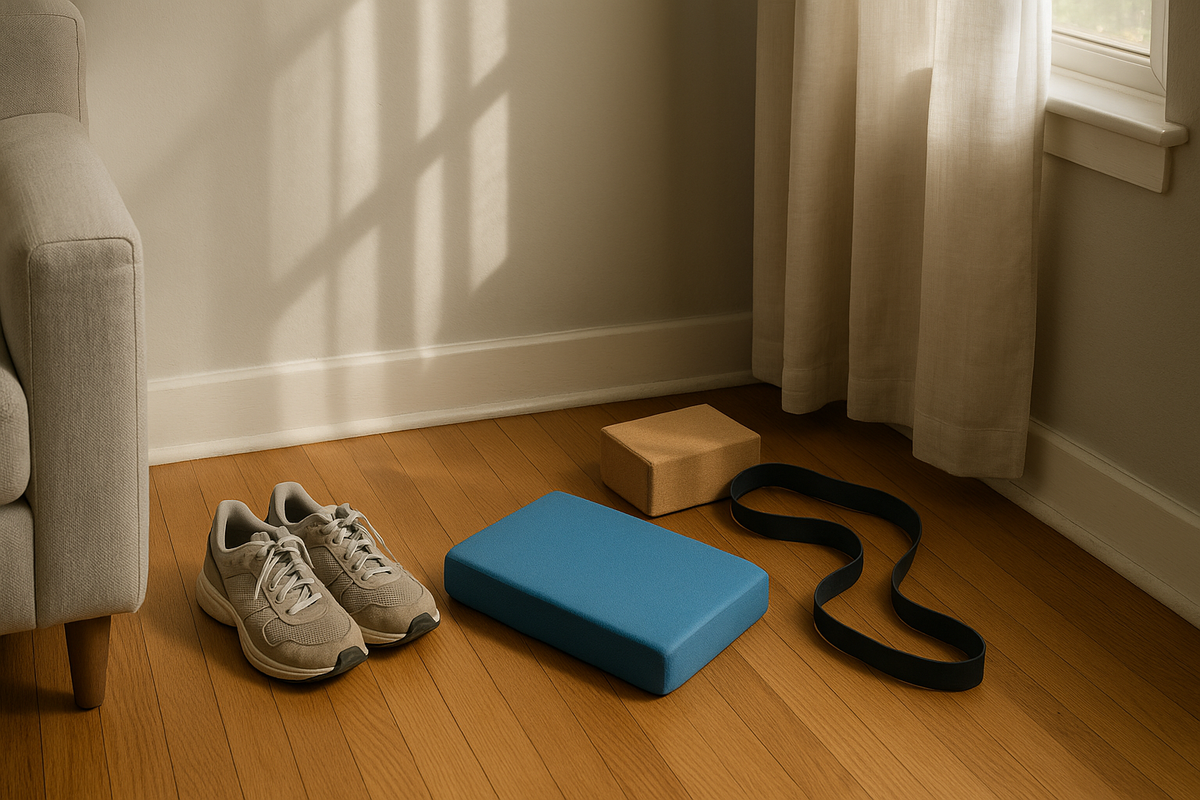
Beyond exercise, common-sense environmental changes also matter. Having your vision checked regularly, removing throw rugs and clutter from walkways, improving lighting with night lights, and wearing supportive footwear indoors can all reduce fall risk in everyday home settings. These practical interventions work alongside movement habits to create a safer environment for active aging.
How This Fits into Broader 2026 Health Trends
The calcium and vitamin D findings are part of a larger shift in health and wellness thinking in 2026. According to a U.S. News & World Report survey of 58 nutrition and health experts, there is a growing movement toward "food as medicine" and away from supplement-first strategies. Experts highlighted the Mediterranean diet, fiber intake, and whole nutrient-dense foods as more effective tools for disease prevention than isolated supplements.
The same survey found that 44% of Americans looking to change their wellness routines in 2026 are simplifying their approach by focusing on baseline habits such as quality sleep, regular movement, and foundational nutrition, double the 21% pursuing advanced optimization strategies. This simplification trend aligns with the calcium and vitamin D research: instead of relying on pills for prevention, the evidence supports going back to movement, real food, and common-sense lifestyle habits.
Meanwhile, CDC data released in April 2026 showed that 47.2% of U.S. adults met federal aerobic physical activity guidelines in 2024, with men at 52.3% and women at 42.4%. The gap underscores the opportunity for more people to adopt the kinds of strength, balance, and mobility routines that evidence now shows are more protective than supplementation alone.
What This Means for Readers
Editorial analysis — not reported fact:
If you have been taking calcium and vitamin D supplements because you thought they would keep your bones strong and prevent fractures as you age, this research suggests you may be spending money and effort on something that does not deliver as promised for most healthy adults. That does not mean you should immediately stop supplementing, especially if a doctor recommended it for a specific reason. But it does mean the default assumption that everyone over 50 should be popping calcium and vitamin D pills is not supported by the best available evidence.
For Move Weekly readers, this is an opportunity to shift focus and investment toward what works: strength training twice a week, balance exercises a few times a week, and staying physically active in ways that challenge your body and improve coordination. That might mean a yoga class that works on single-leg poses, a Pilates session focused on core stability, a strength training program that includes squats and lunges, or simply walking on varied terrain instead of only flat pavement. The goal is to build resilience in your muscles, bones, and nervous system so that if you do trip or stumble, your body can recover without a fracture.
At home, take a walk through your space and look for fall hazards. Are there rugs that slide? Is the lighting adequate at night? Do you need to update your glasses prescription? These small, practical steps cost little and have clear benefits. Combined with regular movement that builds strength and balance, they offer a more robust strategy than supplements alone ever could.
Sources & Further Reading
- The BMJ research review on calcium and vitamin D supplementation — comprehensive analysis of 69 studies involving more than 153,000 adults, published June 2026
- CDC physical activity guidelines — federal recommendations for aerobic and strength training activity for adults
- CDC report on U.S. adult physical activity levels in 2024 — data released April 2026 showing 47.2% of adults meet aerobic guidelines
- U.S. News & World Report 2026 health trends survey — expert panel insights on food as medicine, fiber focus, and simplification in wellness routines
- Medical News Today overview of calcium and supplementation — background on calcium's role in health and the evolving evidence base
Editorial coverage of publicly reported health, fitness, wellness, nutrition, and active living developments. Move Weekly has no commercial relationship with any companies, gyms, studios, brands, events, experts, products, or organizations named.