The 2026 Body Image Paradox in Fitness and Wellness
AI-generated bodies, scale anxiety, and the rise of body neutrality are reshaping how Americans build confidence and track real progress in 2026.

Key Takeaways
- AI-generated body images harm self-perception even when viewers know they're fake, creating unattainable standards that reduce body satisfaction across genders, according to research from Clemson University's Body Image, Eating, Access, and Media Lab.
- Body neutrality is replacing body positivity in the 2026 wellness landscape, shifting focus from loving your appearance to accepting your body's abilities and nonphysical characteristics without tying self-worth to looks.
- Reducing social media use by 50% significantly improves body satisfaction, per American Psychological Association studies, yet teens average 3–4 hours daily on platforms that amplify idealized body types.
- The scale alone fails to capture real progress; strength gains, endurance improvements, body composition measurements, energy levels, and how clothes fit provide more reliable markers of health changes than weight fluctuations driven by water retention and digestion.
- Self-efficacy drives lasting fitness adherence more than appearance-based motivation, with confidence in maintaining routine physical activity determining whether exercise becomes part of core identity, per 2026 exercise psychology research.
- Fitness social media creates a dual-pathway effect, simultaneously enhancing exercise intention while exacerbating appearance-based pressure and negative self-evaluations, requiring intentional consumption strategies.
How AI-Generated Bodies Distort Real Fitness Goals
Social media feeds in 2026 are saturated with AI-generated body images that set impossible standards. Research from Clemson University's Body Image, Eating, Access, and Media Lab reveals that even when people know images are AI-created, exposure still damages body satisfaction and fuels cycles of striving for extreme thinness. Nearly half of young women report feeling worse about themselves after scrolling Instagram, while a third of men struggle with muscle dysmorphia triggered by fitness influencer content.
Brooke Bennett, director of the Clemson lab, explains the psychological trap: "I think it's this expectation management piece. We might say, 'OK, I know that person's AI, but that doesn't mean that everyone else knows, and people are going to expect me to look like that too.'" The awareness that bodies are digitally fabricated does not inoculate viewers against comparison or the internalized pressure to meet those manufactured standards.
The gender split is stark. Recent 2026 research shows exposure to fitspiration and thinspiration images affects men's and women's body image differently: women experience increased preoccupation with appearance, while men face pressure to build exaggerated muscle mass. Teens now spend an average of 3–4 hours daily on social media, and algorithms prioritize content featuring "perfect" bodies because it drives the most engagement.
Why Body Positivity Gave Way to Body Neutrality
The wellness industry's philosophical shift is clear: body positivity is being replaced by body neutrality. The difference matters. Body positivity asks people to always love their bodies, which can feel inauthentic and exhausting. Body neutrality, in contrast, focuses on accepting the body's abilities and nonphysical characteristics rather than concentrating on physical appearance.
Psychologist Susan Albers explains the appeal: with body neutrality, "Your value is not tied to your body nor does your happiness depend on what you look like." Weight-inclusive approaches now promote body neutrality and self-acceptance, empowering people to engage in healthy practices without shame or pressure.
Fitness professionals are adopting body-neutral language to serve participants of all body sizes and fitness experience levels more effectively. This approach centers the varied health outcomes that come from physical activity, creating a more holistic and fulfilling exercise experience that allows participants to feel empowered by their efforts rather than judged by their appearance.
The GLP-1 Medication Factor and Shifting Fitness Standards
In 2026, the wellness conversation collides with pharmaceutical realities. Anti-diet dogma has softened, body-neutrality rhetoric now intersects with GLP-1 medication results, and "strong not skinny" has broadened to include people using weight-loss drugs. Lean muscle is becoming both a functional and aesthetic goal, with body composition measurements replacing BMI through scans like DEXA, Springbok Analytics, Bodd, and Evolt.
This evolution reflects a more complex understanding: health and fitness outcomes cannot be reduced to a single metric or pathway. The rise of weight-inclusive frameworks acknowledges that bodies change through multiple mechanisms, from strength training and nutrition to medication and metabolic shifts, and that all deserve support without stigma.
Why the Scale Fails and What to Track Instead
Scale anxiety is pervasive, and for good reason. Many experts warn that assessing improvement based solely on scale numbers doesn't paint a clear picture of what's happening in your body. Weight naturally fluctuates due to water retention, digestion, sleep, and hormonal changes, making the scale unreliable as a daily progress tool. When the scale doesn't reflect effort, motivation drops even when real progress exists.
Alternative progress metrics gaining traction in 2026 include:
- Tape measure tracking catches transformations the scale misses, especially early wins as body composition shifts. The scale might stay the same while clothes fit differently.
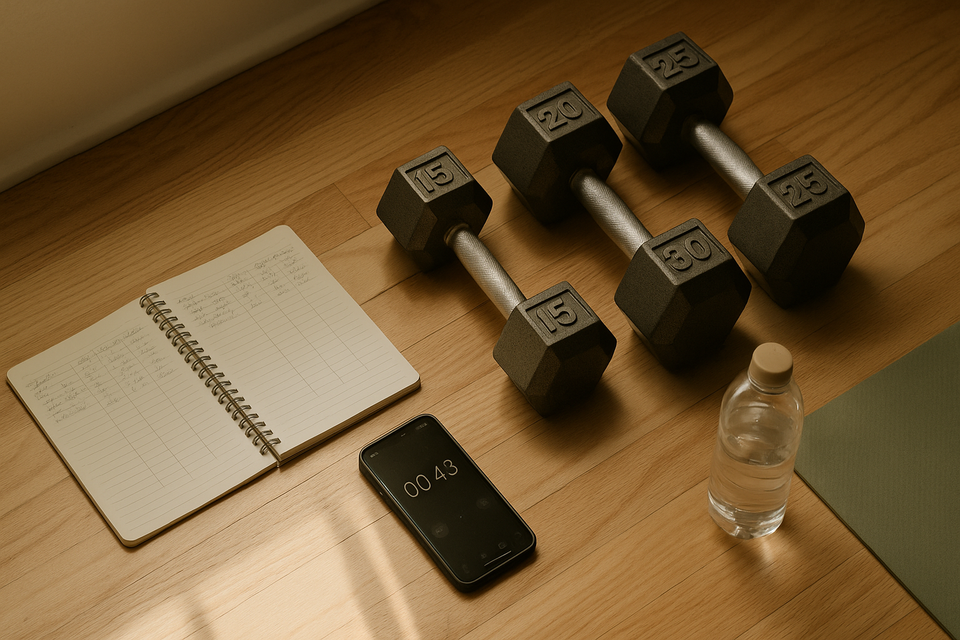
- Strength gains measured by weight lifted or reps completed provide concrete evidence of functional improvement.
- Endurance improvements tracked through distance, time, or heart rate recovery show cardiovascular and muscular adaptations.
- Body composition measurements via scans or smart scales reveal changes in body fat percentage and muscle mass that weight alone obscures.
- Energy levels and how workouts feel signal improved fitness and recovery capacity in ways no device can fully capture.
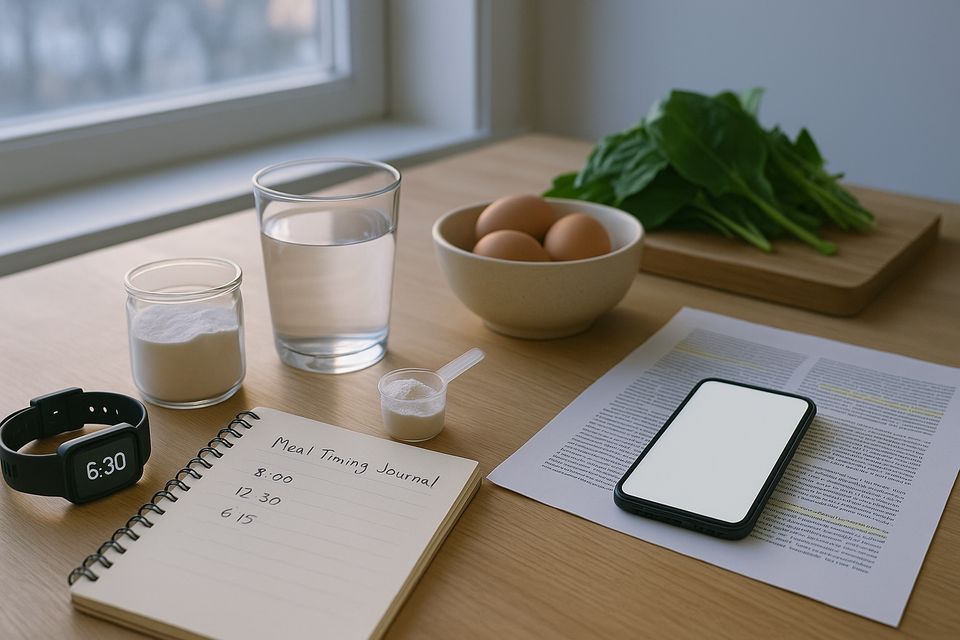
Smart scales and wearables log details like body fat, muscle mass, and water levels, syncing everything to your phone so you can see patterns instead of guessing. In 2026, sensors that monitor heart rate, recovery, and activity are embedded in smartwatches, sports watches, smart rings, and screenless straps, making fitness tracking about far more than counting steps.
The Fitness Social Media Paradox and Self-Efficacy
Fitness social media creates contradictory effects. Some 2026 research indicates that fitness social media exposure enhances exercise intention, training readiness, and health behavior participation, while other studies demonstrate it exacerbates appearance-based normative pressure and negative self-evaluations, undermining potential benefits.
The key mechanism is self-efficacy: confidence in your ability to maintain routine physical activity. Self-efficacy exerts the strongest influence on exercise identity, which drives exercise adherence. Users must develop the confidence to keep moving and internalize exercise into their core self-concept, not tie motivation solely to appearance outcomes.
Studies from the American Psychological Association show that reducing social media use by just 50% can significantly improve body satisfaction. For readers navigating the fitness social media paradox, intentional consumption matters: curate feeds around function and performance, unfollow accounts that trigger comparison, and set daily time limits.
What This Means for Readers
Editorial analysis — not reported fact:
If you're feeling stuck in the comparison trap, know that the 2026 landscape is designed to amplify insecurity. AI-generated bodies, algorithm-driven feeds, and relentless appearance pressure are not a reflection of your worth or progress. The shift toward body neutrality offers a practical exit: you don't have to love your body every day, but you can respect what it does and build confidence through what it accomplishes.
Start by auditing your social media. Spend one week tracking how much time you spend scrolling and how you feel afterward. If certain accounts leave you deflated, unfollow them. Replace them with content focused on strength, endurance, mobility, and function. Set a daily social media limit and stick to it. The research is clear: cutting use by half improves body satisfaction.
Rethink how you measure progress. If the scale makes you anxious, step away from it. Track strength gains by logging the weight you lift or reps you complete. Measure your waist, hips, and chest monthly with a tape measure. Notice how your clothes fit, how your energy levels shift, and how workouts feel. These markers reflect real change, even when the scale stays flat.
If you're using a smart scale or wearable, focus on trends over days and weeks, not daily fluctuations. Water retention, digestion, sleep, and hormonal cycles all influence weight. A single data point means little; patterns over time tell the story.
For those navigating fitness while on GLP-1 medications, reject the false binary between "natural" and "assisted" progress. Strength training, mobility work, adequate protein, and consistent movement matter regardless of the path you're on. Body composition, energy, and functional capacity are valid goals that transcend weight alone.
Above all, build self-efficacy. Confidence comes from showing up, not from looking a certain way. The strongest predictor of lasting fitness habits is believing you can maintain them and weaving movement into your identity. Start small, stay consistent, and measure progress by what your body can do, not just how it appears.
If body image concerns interfere with daily life, exercise habits, or mental health, consult a qualified healthcare professional, therapist, or registered dietitian who specializes in body image and disordered eating.
Sources & Further Reading
- Clemson University Body Image, Eating, Access, and Media Lab research on AI-generated body images — how AI bodies reduce body satisfaction even when viewers know they're fake
- American Psychological Association studies on social media and body image — evidence that reducing social media use by 50% improves body satisfaction
- Cleveland Clinic explainer on body neutrality — how body neutrality differs from body positivity and focuses on function over appearance
- ACE Fitness on body neutrality in fitness — how fitness professionals are adopting body-neutral language and weight-inclusive approaches
- Psychology Today on self-efficacy and fitness adherence — why confidence in maintaining routine activity drives lasting exercise habits
- Women's Health on alternatives to weighing yourself — practical progress metrics beyond the scale
- Wirecutter guide to smart scales — how smart scales and wearables track body composition and trends
- Research on fitspiration and thinspiration image effects by gender — gendered responses to fitness social media content
Editorial coverage of publicly reported health, fitness, wellness, nutrition, and active living developments. Move Weekly has no commercial relationship with any companies, gyms, studios, brands, events, experts, products, or organizations named.