Building Strength in 2026: Longevity Over Aesthetics
Strength training has overtaken weight loss as America's top fitness goal. New ACSM guidelines emphasize consistency, progressive overload, and functional movements.
Key Takeaways
- Strength training is now the top fitness goal for 2026, overtaking weight loss as Americans shift focus from aesthetics to longevity, independence, and real-life performance capabilities.
- ACSM's updated 2026 resistance training guidelines emphasize consistency over complexity, validating that bodyweight exercises, resistance bands, and home-based routines work when done regularly with sufficient effort and progressive overload.
- Progressive overload—gradually increasing stress on muscles through heavier weights, more reps, better form, or shorter rest—is the foundational principle for building strength, and proper form must always precede adding weight to avoid strengthening faulty movement patterns.
- Women represent the fastest-growing segment in strength training, with enrollment at digital fitness platforms multiplying tenfold from 2023 to 2024, though gender-based stigma and knowledge gaps remain barriers.
- Functional compound movements like squats, deadlifts, and rows are replacing isolated machine exercises as lifters prioritize strength that translates to everyday activities and long-term capability over muscle isolation.
- The home fitness equipment market will reach $22 billion in 2026, driven by continued adoption of strength training gear, with adjustable dumbbells remaining the most versatile and popular choice for home exercisers.
Why Strength Training Overtook Weight Loss as America's Top Fitness Goal
Strength training has become the number-one fitness priority for Americans in 2026, marking a fundamental shift in how people think about their bodies. The focus has moved from short-term aesthetics to long-term capability, independence, and resilience. According to new research synthesized in ACSM's updated resistance training guidelines, adults who skip resistance training can lose muscle and bone density each decade, increasing injury risk and limiting independence later in life, while strength training helps slow and often reverse that decline.
This reframing resonates across demographics. Fewer than 30 percent of U.S. adults meet the recommended guidelines for muscle-strengthening activity, yet demand is accelerating rapidly. More people are prioritizing strength, balance, and energy that lasts for decades, not just months. The biggest trend in fitness isn't a new fad diet or machinery; it's strength training for longevity and real-life performance.
ACSM's 2026 Guidelines Make Strength Training More Accessible
The American College of Sports Medicine updated its resistance training guidelines for the first time since 2009, synthesizing 137 systematic reviews representing more than 30,000 participants. The findings are remarkably liberating for everyday exercisers and remove the barrier of perfectionism that keeps many people from starting.
The core message: consistency beats complexity. Many approaches work as long as people exercise consistently, put forth sufficient effort, and progress over time. The best resistance-training program is the one a person can do consistently, with enough effort and progress over time. Heavy weights are not mandatory; elastic bands, bodyweight exercises, and home-based routines yield marked benefits. Training to fatigue or momentary muscle failure, specific equipment types, and complex periodization did not consistently impact outcomes for the average healthy adult.
The minimum effective dose is straightforward: train all major muscle groups at least two days per week. The biggest gains come from moving from no resistance training to any resistance training at all. This validates the millions of home gym owners and busy professionals who cannot commit to five-day training splits but can commit to two quality sessions weekly.
Progressive Overload Remains the Foundation of Strength Gains
Progressive overload is a key strategy to build strength and muscle over time, involving gradually and intentionally increasing the stress placed on the body during exercise. This encourages muscles to adapt and grow stronger. Without progressive overload, workouts plateau and strength gains stall.
Core progressive overload strategies include gradually increasing weights by 2.5 to 5 pounds to ensure muscles face new challenges, doing more reps or sets with the same weight to signal adaptation, improving form and control by slowing down each rep or increasing range of motion, and reducing rest time between sets to force faster adaptation. Choose the weight you can lift while maintaining proper lifting form, and only when you can move that weight with proper form should you increase difficulty.
The form-first principle is critical. If you add weight to a squat while your heels lift, knees cave inward, and back rounds heavily, you may be strengthening compensation patterns instead of building reliable strength. Quality execution always precedes increased load.
Women Drive the Fastest Growth in Strength Training Participation
Weight training was the fastest-growing sport among women in 2024, and interest in strength training at digital fitness platforms has drastically increased, with enrollment multiplying tenfold in 2024 compared to 2023. Strength training can be especially beneficial in the perimenopausal and menopausal years, helping maintain bone density, metabolic health, and functional independence.
Barriers persist, however. Conservative estimates indicate four in five U.S. adults do not engage in any resistance training, and commonly cited barriers for women include gender-based stigmas, discouragement, negative comments, poor knowledge of how to do resistance training, and poor gym accessibility.
Science-backed insights for women include that women tend to close the strength gap in eccentric or lowering movements, meaning they might perform especially well during slow, controlled reps. Muscle endurance, especially in isometric holds, can slightly favor women, possibly due to muscle fiber composition and hormonal influences. Women also burn fat more efficiently, benefiting from longer-duration training sessions.
Functional Compound Movements Replace Machine Isolation
The days of training solely for aesthetics are fading; more lifters are prioritizing movements that improve performance both inside and outside the gym. Compound movements such as squats, deadlifts, bench presses, and rows should be the foundation of any strength program because these exercises engage multiple muscle groups and allow for heavier lifting, which is ideal for applying progressive overload.
Functional strength translates directly to everyday activities: carrying groceries, lifting children, climbing stairs, getting up from the floor, and maintaining balance. This practical focus aligns with the longevity mindset driving 2026's strength training boom. Strength training in 2026 emphasizes hitting the minimum effective dose and then progressing strategically rather than surviving marathon workouts, meaning fewer total sets per muscle group per week but higher quality execution.
Home Gym Adoption Continues to Surge
The home fitness equipment market will grow from $19.8 billion in 2025 to $22.03 billion in 2026, with growth attributed to increasing health awareness, expansion of home-based exercise routines, and rising adoption of strength training equipment. Nearly 52 percent of households own at least one major fitness machine, including treadmills, exercise bikes, or strength-training equipment.
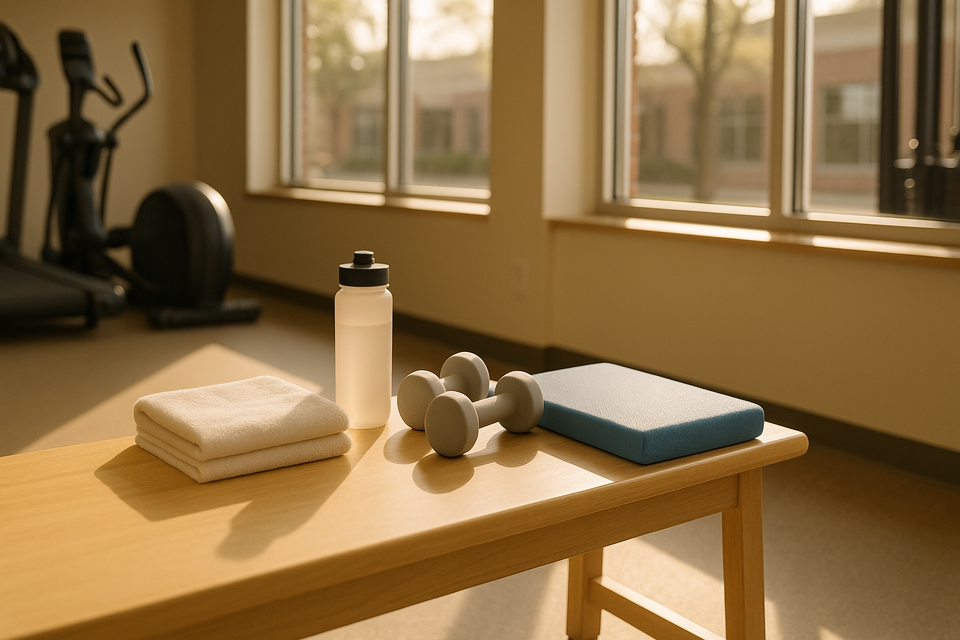
Both fixed and adjustable dumbbells consistently top sales charts for home strength equipment, serving as the most versatile single piece of strength training equipment. The ACSM's validation of home-based routines and bodyweight exercises removes the psychological requirement for a commercial gym membership, making strength training accessible to parents, shift workers, rural residents, and anyone who prefers exercising at home.
Smart Recovery Replaces the "No Days Off" Mentality
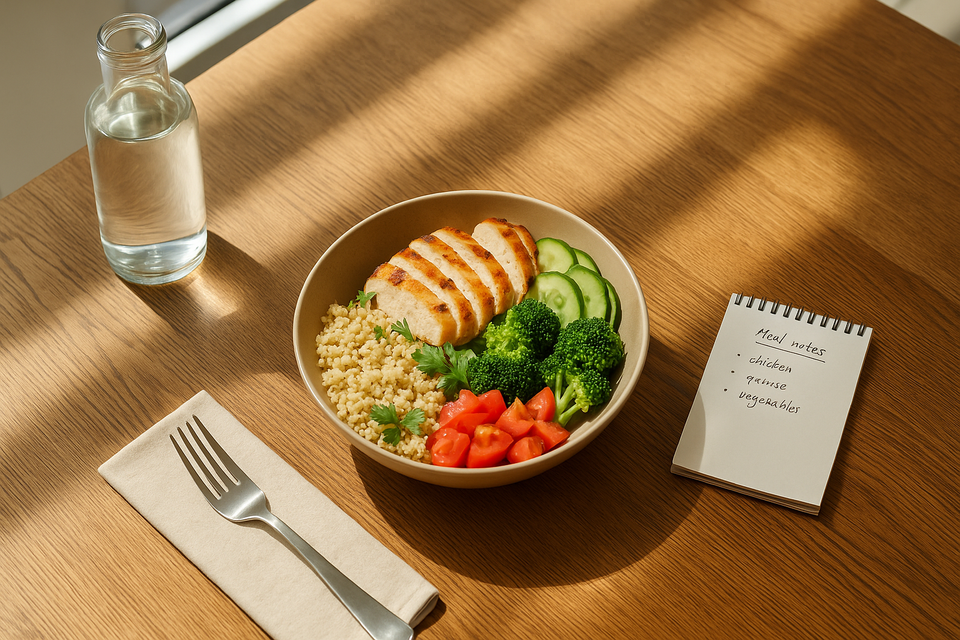
Gym-goers are realizing that progress doesn't always mean pushing harder; it often means recovering smarter. The old "no days off" mentality is being replaced by a deep appreciation for active recovery, flexibility, and mobility. Muscles grow and adapt during rest, not during the workout itself. Adequate sleep, nutrition, hydration, and rest days between intense sessions are now understood as non-negotiable components of strength programming, not optional extras.
This shift aligns with the longevity focus. Building strength sustainably over decades requires listening to the body, managing fatigue, and avoiding overtraining and injury. Quality over volume is the guiding principle for 2026.
What This Means for Readers
Editorial analysis—not reported fact:
If you have avoided strength training because you thought you needed a gym membership, complex programming, or heavy barbells, the 2026 ACSM guidelines offer permission to start simple. Two sessions per week, using resistance bands or bodyweight exercises at home, with a focus on progressive overload and proper form, will yield measurable strength gains. You do not need perfection; you need consistency and effort.
If you are a woman who has felt unwelcome in the weight room or unsure where to begin, know that you represent the fastest-growing segment of strength training participation. Seek out beginner-friendly programming, consider starting at home if a gym feels intimidating, and prioritize compound movements that build full-body strength. The science supports you, and the community is expanding rapidly.
If you are motivated by longevity rather than aesthetics, you are part of the defining trend of 2026. Strength training is not about looking a certain way; it is about staying capable, independent, and resilient as you age. Every rep you perform today is an investment in your future mobility, balance, and quality of life.
Before beginning any new strength training program, especially if you have existing health conditions, injuries, or concerns, consult a qualified healthcare professional or certified strength and conditioning specialist to ensure your approach is safe and appropriate for your individual needs.
Sources & Further Reading
- ACSM Updates Resistance Training Guidelines—American College of Sports Medicine's 2026 evidence-based recommendations for resistance training, synthesizing 137 systematic reviews and more than 30,000 participants
- Strength Training Trends for 2026—SELF magazine's reporting on the shift toward longevity-focused strength training and participation growth among women
- Progressive Overload in Strength Training—SELF magazine's guide to the foundational principle of gradually increasing training stress for muscle adaptation
- Resistance Training for Women: Science Meets Practice—ACSM Health & Fitness Journal article on barriers, benefits, and science-backed strategies for women in strength training
- Home Fitness Equipment Market Growth Report—Market analysis projecting the home fitness equipment market reaching $22.03 billion in 2026
Editorial coverage of publicly reported health, fitness, wellness, nutrition, and active living developments. Move Weekly has no commercial relationship with any companies, gyms, studios, brands, events, experts, products, or organizations named.