Smart Eating Out: 2026 Guide to Healthy Fast-Casual Ordering
From protein-first strategies to smart swaps at Cava, Chipotle, and McDonald's, here's how to navigate restaurant menus for fitness and wellness goals in 2026.
Key Takeaways
- Healthy fast-casual market growth: The healthy fast-casual restaurant sector is projected to reach $100.5 billion in 2026, driven by consumer demand for protein-rich, portable meals that fit active lifestyles and wellness goals.
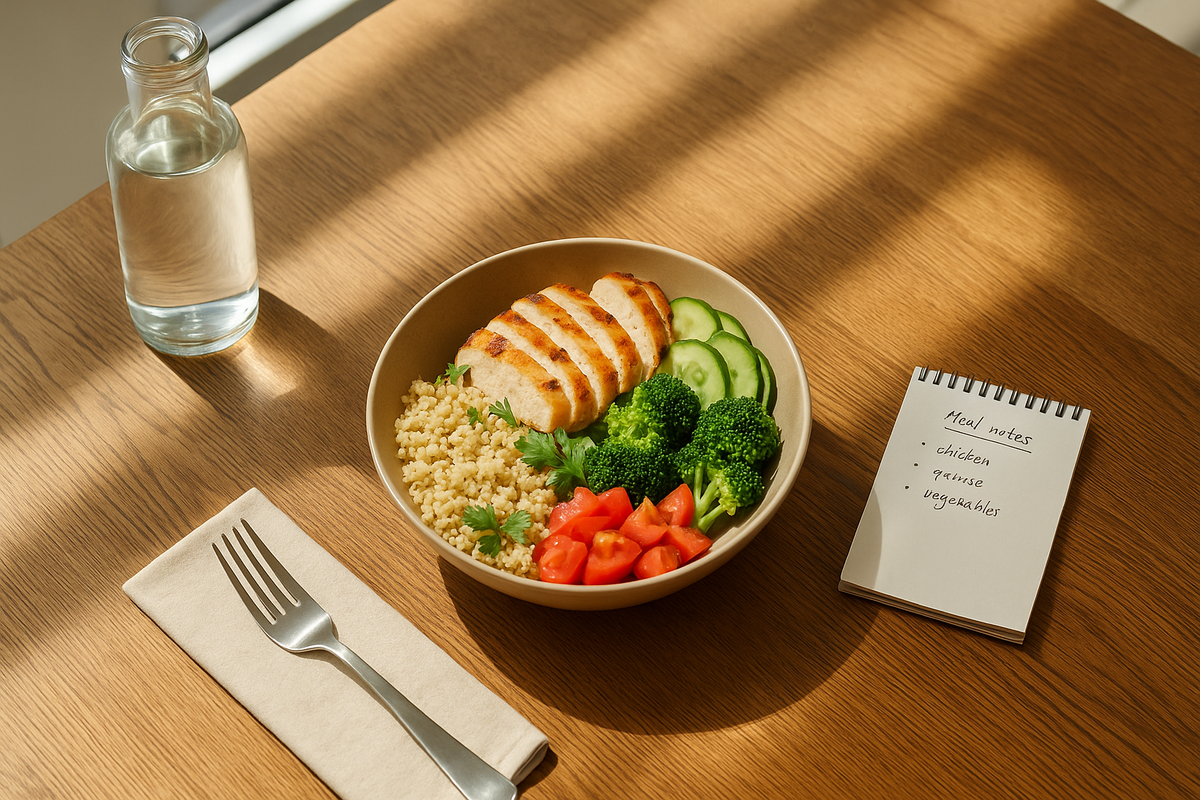
- Protein-first ordering strategy: Start with lean protein (grilled chicken, egg whites, beans, lean beef) and build from there—research shows consuming 20–40 grams of protein per meal maximally stimulates muscle protein synthesis, supporting fitness and recovery goals.
- Build-your-own bowls lead for nutrition control: Chains like Cava and Chipotle offer the easiest path to healthier fast-casual meals through customizable bowls that prioritize vegetables and protein while minimizing calorie-dense extras.
- Simple menu swaps double protein without calorie overload: Skip the bun, order sauces on the side, swap fries for extra protein, and choose grilled over fried to hit 25–30 grams of protein per meal without major calorie increases.
- Sodium and hidden calories remain major pitfalls: According to the CDC, Americans consume roughly 70% of daily sodium from restaurant and processed foods, with a single entrée often exceeding the American Heart Association's 2,300-milligram daily limit—and restaurant salads are frequently calorie traps.
- Takeout meal-prep trend offers cost savings: Ordering catering-size portions from fast-casual chains for at-home assembly has gained traction since fall 2025, with consumers reporting 14 meals for around $134, cheaper per meal than ordering fresh daily.
Why Restaurant Health Guides Matter More in 2026
For Americans balancing fitness routines, busy work schedules, and wellness goals, eating out is no longer a splurge—it's a practical necessity. The healthy fast-casual market is projected to reach $100.5 billion in 2026, fueled by rising demand for high-protein, nutrient-dense meals that support active lifestyles. Fast-food and fast-casual chains are responding by expanding protein-forward menus, making it easier than ever to find nutrition-friendly options when you're short on time.
But "healthy" marketing claims don't always match nutritional reality. Menu transparency has improved, but navigating the flood of choices still requires strategy. This guide breaks down the smart ordering principles, specific chains and dishes that deliver, and practical tips to help you hit your protein and nutrition goals without derailing your budget or your wellness routine.
The Chains and Menu Strategies That Actually Work
In 2026, Cava and Chipotle are the easiest fast-casual chains for healthier orders because their build-your-own bowl formats put you in control. You choose the protein base, pile on vegetables, and decide exactly which extras make the cut. Cava's Mediterranean-focused menu centers on ingredients like grilled chicken, falafel, hummus, eggplant, and leafy greens—all staples of eating patterns widely associated with positive health outcomes.
Newer concepts are taking the formula further. According to 2026 nutrition comparisons, Breadless Jerk Chicken & Mango leads with 28 grams of protein at just 280 calories and 13 grams of net carbs, beating grain-based competitors on both calorie efficiency and glycemic control. These breadless or greens-wrapped options appeal to glucose-conscious consumers and those using GLP-1 medications, while maximizing nutrient density.
Even mainstream chains are adapting. McDonald's unveiled a new menu in 2026 that visually highlights options with more than 15 grams of protein per serving, including the Egg McMuffin with 17 grams and the McDouble with 22 grams. Starbucks and Dunkin' have both expanded protein-centric beverage menus, reflecting the shift toward high-protein eating patterns that now rank among the most popular in the United States.
How to Order for Protein, Performance, and Satiety
The foundation of smarter takeout ordering is simple: start with the protein and build the plate from there. Research shows that consuming 20–40 grams of protein at each meal maximally stimulates muscle protein synthesis, critical for anyone training regularly or trying to maintain muscle during a calorie deficit. The same research base indicates that consuming 1.6 grams of protein per kilogram of body weight during a calorie deficit reduces fat-free mass loss.
Prioritize lean proteins like grilled chicken, egg whites, beans, and lean beef, and use simple menu swaps to hit your targets. Skip the bun, add extra meat, swap fries for a protein side, or order a double portion of grilled chicken. A grilled chicken burger or wrap typically delivers 25 to 30 grams of protein, while an egg-and-cheese breakfast muffin clocks in around 15 to 20 grams—solid options when you're in a pinch.
Order sauces and dressings on the side to control added sugars, sodium, and calories. Choose grilled, steamed, baked, or broiled preparations over fried, crispy, or creamy dishes. And remember: restaurant salads are often calorie traps loaded with dressing, cheese, and fried toppings. Build your meal around protein and vegetables first, and treat extras as optional add-ons rather than defaults.
Sodium, Hidden Calories, and What to Watch For
Even when you order strategically, restaurant meals come with pitfalls. According to the Centers for Disease Control and Prevention, Americans consume roughly 70% of their daily sodium intake from restaurant and processed foods. A single standard restaurant entrée can contain more sodium than the American Heart Association's recommended daily ceiling of 2,300 milligrams.
Calorie labeling on menus has become ubiquitous, and a recent systematic review found that calorie labels have a small but meaningful impact on consumer choices. In the U.S., four out of five Americans say they regularly consult nutrition labels when buying packaged foods, according to the most recent U.S. Department of Agriculture survey. But only 43% said labels swayed their decisions in fast-food and sit-down restaurants, and the research shows that labeling effects vary widely across settings and consumer segments.
The lesson: use calorie and sodium information as a guide, not gospel. Compare options, but also prioritize whole-food ingredients, lean proteins, and vegetables over any single number. Choose cuisines built on vegetables and legumes rather than refined carbohydrate bases—Mediterranean, Mexican bowl-style, and Asian stir-fry or soup formats tend to offer the most flexibility.
The Takeout Meal-Prep Hack Gaining Traction
A practical trend that gained steam since fall 2025 is using fast-casual chains for at-home meal prep. The strategy is straightforward: order catering or large to-go portions from chains like Chipotle and assemble individual prepped meals at home. In September 2025, one consumer shared that she spent $134.04 at Chipotle and got 14 meals out of it—cheaper per meal than ordering fresh daily at lunch.
This approach appeals to time-strapped consumers who want the convenience and nutrition control of meal prep without the grocery shopping, chopping, and cooking. You're essentially outsourcing the prep labor to the restaurant while retaining portion control and cost savings. It works best with customizable bowl formats where you can order large quantities of grilled protein, beans, vegetables, and grains separately, then portion and store them in your own containers.
What This Means for Readers
Editorial analysis—not reported fact:
If you're training for a race, hitting the gym regularly, or simply trying to feel better and move more, eating out doesn't have to sabotage your progress. The 2026 fast-casual landscape offers more high-protein, nutrient-dense, and transparent options than ever before. But smart ordering still requires a strategy: lead with protein, load up on vegetables, control extras, and watch sodium.
For busy professionals juggling meetings and workouts, the Egg McMuffin or grilled chicken bowl can be a legitimate 20-gram protein hit on the road. For parents managing meal chaos, ordering a large Chipotle spread and portioning it into meals at home saves time and money while keeping nutrition on track. For older adults prioritizing muscle maintenance and metabolic health, choosing grilled over fried and skipping calorie-dense sauces makes takeout work within wellness goals.
The key is treating restaurant meals as part of your overall nutrition plan, not exceptions to it. Use the tools available—menu labels, build-your-own formats, and simple swaps—and remember that consistency matters more than perfection. If you have specific health conditions, dietary restrictions, or nutrition goals tied to medical care, consult a registered dietitian or healthcare provider to tailor these principles to your needs.
Sources & Further Reading
- Healthy Fast-Casual Market Projections for 2026—Market analysis and consumer demand trends
- Cava and Chipotle: Best Fast-Casual Chains for Healthy Orders—Build-your-own bowl nutrition comparison
- Protein Intake and Muscle Protein Synthesis Research—Evidence on 20–40 gram protein targets per meal
- Protein and Fat-Free Mass Retention During Calorie Deficit—Research on 1.6 g/kg body weight protein intake
- McDonald's Protein-Focused Menu Launch—2026 menu update highlighting high-protein options
- CDC Data on Sodium Intake from Restaurant Foods—70% of daily sodium from restaurant and processed foods
- American Heart Association Sodium Recommendations—Daily 2,300-milligram ceiling guidance
- Systematic Review: Calorie Labeling Impact on Consumer Behavior—Research on menu label effectiveness
- USDA Survey on Nutrition Label Use—Consumer behavior data on label consultation
- Fast-Casual Meal-Prep Trend Explainer—Cost and time savings from ordering catering portions
Editorial coverage of publicly reported health, fitness, wellness, nutrition, and active living developments. Move Weekly has no commercial relationship with any companies, gyms, studios, brands, events, experts, products, or organizations named.