Daily Rituals in 2026: How Americans Build Wellness Routines
From morning breathwork to evening skincare rituals, 79% of US adults now prioritize mental health equally with physical health, reshaping daily routines.
Key Takeaways
- Mental health parity: 79% of US adults now rank mental health as equally or more important than physical health, driving demand for daily rituals like journaling and evening wind-downs that support both physical and emotional wellness.
- Morning routine engagement: Morning routine videos have surpassed 38 billion cumulative views across TikTok and Instagram as of 2026, with cold-plunge and "5 a.m. club" content driving a 27% year-over-year spike in wellness brand affiliate conversions.
- Habit stacking mechanics: Habit stacking links new behaviors to existing daily routines, such as performing wall sits while brushing teeth or writing three priorities after pouring morning coffee, making consistency easier without requiring extra time or motivation.
- Sleep-skincare connection: A four-week bedtime ritual combining skincare with self-massage improved perceived sleep quality, mental health, vitality, and state anxiety in recent research, highlighting the biological link between cortisol regulation and skin barrier function.
- Snack-sized consistency: The wellness landscape in 2026 has shifted away from all-or-nothing mentality toward lighter, shorter, more consistent activity, with thriving adults prioritizing two or three non-negotiable habits over extreme protocols like daily ice baths or tracking 14 biomarkers.
How Americans Are Reframing Morning Routines as Wellness Foundations
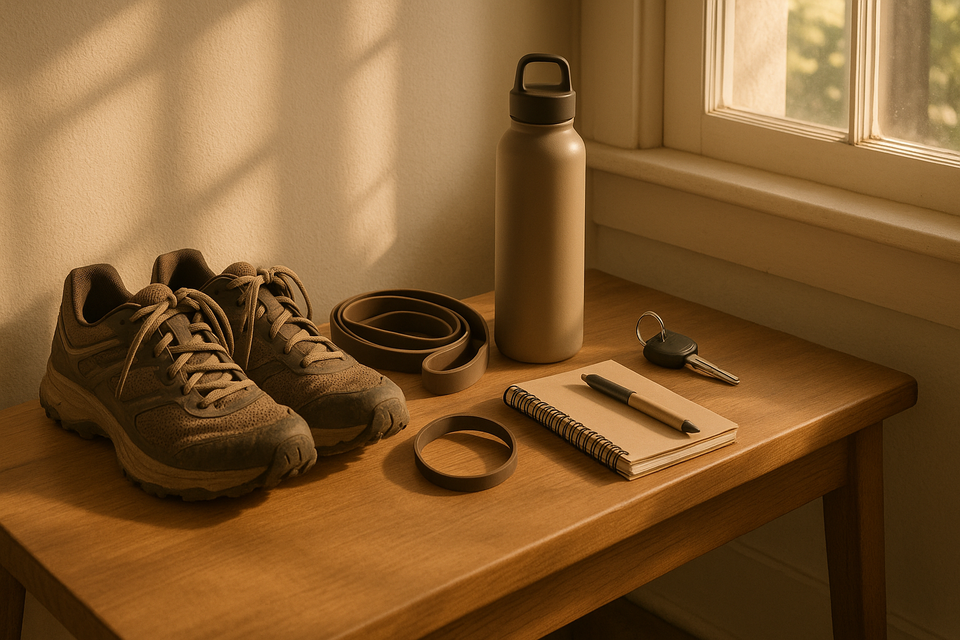
The morning is no longer a rushed prelude to the workday. In 2026, it has become a foundational wellness window where intentional rituals set the tone for metabolic health, mental fitness, and nervous system regulation. Morning routine videos have surpassed 38 billion cumulative views across TikTok and Instagram, with cold-plunge and "5 a.m. club" clips alone driving a 27% year-over-year spike in wellness brand affiliate conversions.
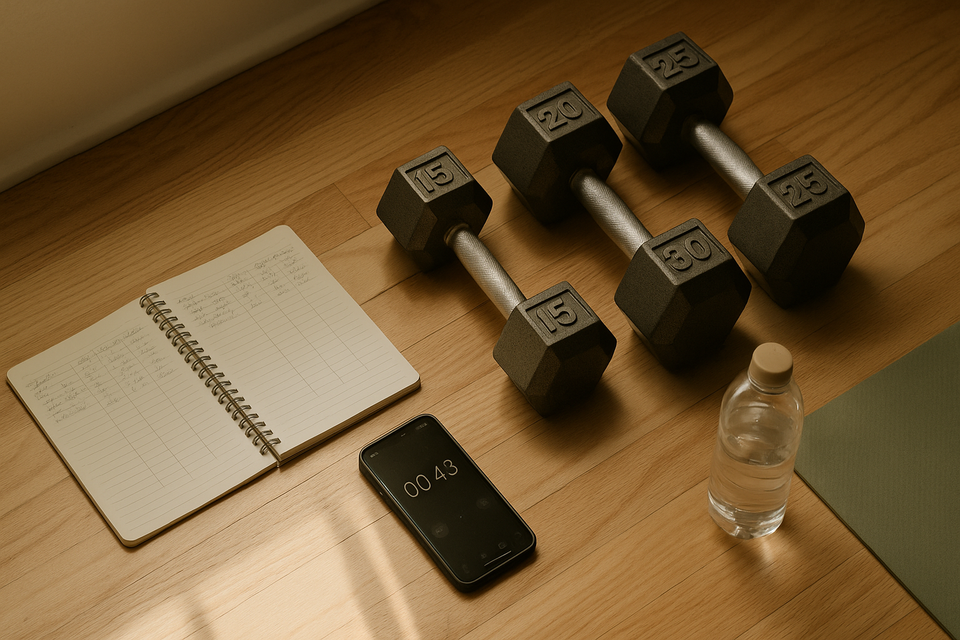
A practical framework emerging this year centers on the morning nervous system reset: spending five minutes on breathwork before checking your phone. Box breathing, which involves four counts in, four counts hold, four counts out, and four counts hold, activates the parasympathetic nervous system and establishes a calm baseline for the day. Movement integration is equally critical. An integrated daily approach combining strength training, aerobic movement, and mindfulness stabilizes heart rate variability and supports long-term vitality.
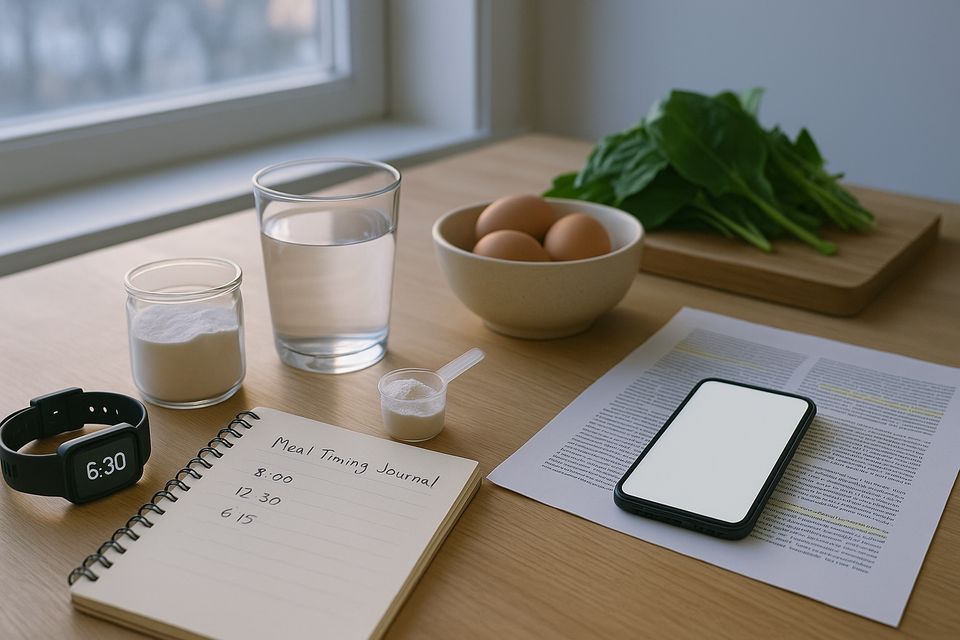
Breakfast trends in 2026 lean toward protein-rich smoothies, adaptogenic oats, and gut-friendly fermented foods. The key, according to wellness experts, is simplicity. The adults thriving are not the ones doing ice baths every morning and tracking 14 biomarkers; they are the ones who picked two or three habits, made them non-negotiable, and built from there.
Evening Routines and the Rise of Sleep-Wellness Integration
The pervasive presence of digital overstimulation, coupled with escalating stress and burnout, has propelled the evening routine into the spotlight as a vital coping mechanism in 2026. Wellness priorities this year embrace rest and recovery as foundational, with skyrocketing interest in sleep sanctuaries, which include sleep-optimized routines, circadian lighting, and rigorous sleep hygiene, alongside slow evenings featuring screen-free routines, magnesium baths, and herbal infusions.
Skincare is now explicitly tied to sleep and stress regulation. Cortisol, the stress hormone that keeps you wired at 11 p.m., also breaks down collagen and disrupts your skin barrier. Poor sleep shows up on your face, and a rushed, stressful bedtime routine, or the absence of one entirely, can quietly sabotage both. The soothing properties of warm water help to relax muscles, lower cortisol levels, and hydrate the skin, while mood lighting and aesthetic bedroom transformations signal to the mind and body that it is time to wind down.
Research backs this approach. A four-week bedtime ritual combining skincare with self-massage improved perceived sleep quality, mental health, vitality, and state anxiety, with participants who followed the routine reporting better sleep and less anxiety.
Journaling as a Proactive Mental Wellness Tool
Proactive wellness practices like journaling, mindfulness, and therapy check-ins are increasingly common among adults who do not have a diagnosed condition. In 2026, mental wellness tools have become more accessible, from mood-tracking journals to personalized mental fitness apps to workplace emotional safety programs. 79% of US adults now rank mental health as equally or more important than physical health, placing daily rituals, especially journaling and evening wind-downs, at the center of consumer wellness priorities.
Engaging in reflective writing can help clear emotional clutter and enhance decision-making skills. Consumer behavior reflects this prioritization, with journaling generating 27,100 monthly searches as an analog practice for processing emotions and tracking mental health patterns. The 2026 trend for journaling is "Digital-Real Hybrid," where people use their journals to disconnect from screens but employ digital tools like Canva or Pinterest to design elements that they then print and paste.
Shadow Work Prompts, guided sheets that ask deep questions to help unlock mental blocks, and Visual Habit Trackers, such as coloring in a bookshelf for every book read or filling a jar with color to track mood, are particularly popular formats this year.
Habit Stacking: The Science Behind Sustainable Routine Building
Habit stacking involves linking a new habit to one you already have, a method that leverages the strength of existing routines to build new ones without requiring extra time or relying on motivation. The habit-stacking fitness approach, for example, involves attaching short exercises to existing daily habits, such as performing wall sits while brushing teeth or writing your top three priorities after pouring your morning coffee.
The foundation matters. If you open a habit-stacking app and feel lost because you don't have a stable routine to build on, focus on establishing one consistent daily sequence before attempting to stack. Two to three weeks for the anchor habit, then begin adding. The patience required to build the foundation pays dividends in the durability of everything you stack on top of it.
Social accountability strengthens adherence. When another person can see whether you checked in, the stack stops being a vague intention and starts becoming a shared standard. A friend, partner, coach, or small group can provide enough structure to keep the routine alive after the initial motivation fades.
Skincare-Adjacent Wellness: Ritual Over Function
Modern self-care skincare rituals are not about performance; they are about presence. The biological needs of your skin at 8:00 a.m. are fundamentally different from its needs at 10:00 p.m. Morning is for defense and vitality, while evening is for deep restoration and cellular renewal. By aligning your routine with your circadian rhythm, you maximize efficacy and create a moment of intentional self-care that signals transition between the demands of the day and the restorative requirements of night.
The shift in 2026 is toward treating skincare as a wellness practice rather than a cosmetic obligation. The warm water, the tactile engagement with texture, the quiet minutes alone in the bathroom, all function as a nervous system regulator. This reframing has made skincare-adjacent wellness a gateway into broader self-care habits for many consumers who previously dismissed wellness rituals as inaccessible or time-consuming.
What This Means for Readers
Editorial analysis — not reported fact:
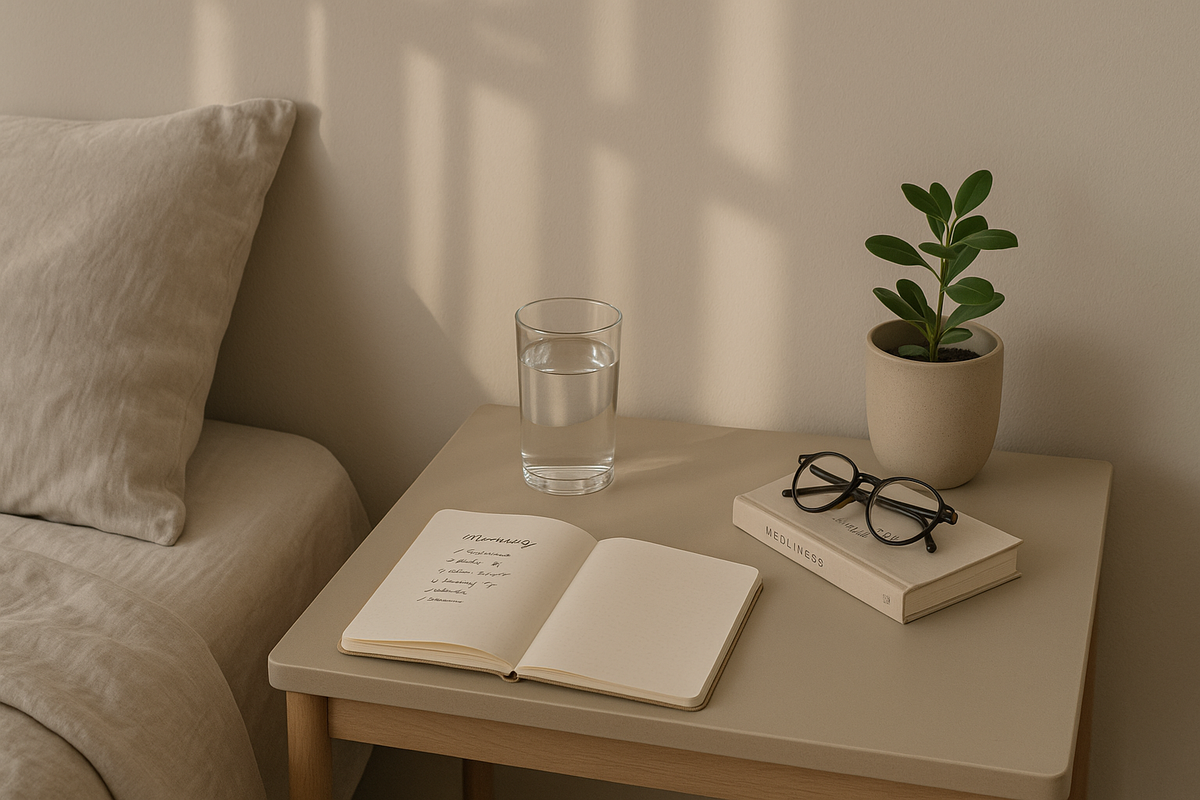
The daily ritual revolution of 2026 offers a practical entry point for readers who feel overwhelmed by the complexity of modern wellness advice. You do not need to overhaul your entire lifestyle overnight. Start with one anchor habit: five minutes of breathwork before checking your phone, a ten-minute evening walk, or a three-item gratitude entry in a journal kept on your nightstand. Once that habit feels automatic, typically after two to three weeks, stack a complementary behavior onto it.
For busy professionals, habit stacking transforms idle moments into wellness opportunities. Wall sits while brushing teeth, calf raises while waiting for coffee to brew, or a two-minute stretching sequence after closing your laptop for the day all compound over weeks and months. For parents juggling competing demands, a shared evening routine with children, such as a screen-free wind-down with herbal tea and a picture book, models healthy boundaries and creates consistency.
For active adults already committed to fitness, integrating journaling or skincare rituals into post-workout recovery extends the mindfulness you bring to movement into other domains of self-care. For older adults, simple morning and evening rituals support circadian rhythm stability, which is associated with better sleep quality, metabolic regulation, and cognitive function.
The wellness landscape has shifted away from all-or-nothing extremes. The adults thriving in 2026 are not the ones tracking every biomarker or adhering to punishing protocols. They are the ones who identified two or three non-negotiable habits, built them into daily sequences, and allowed those small, consistent actions to compound into meaningful change. That approach is accessible, sustainable, and grounded in the reality of everyday life.
Sources & Further Reading
- CDC mental health data — Statistics on mental health prioritization among US adults
- TikTok and Instagram morning routine engagement — Data on cumulative views and wellness brand affiliate conversions
- Physical Activity Guidelines for Americans — Guidance on integrated daily movement approaches
- PubMed bedtime ritual research — Study on skincare and self-massage bedtime routines and sleep quality
- American Psychological Association on proactive wellness — Information on journaling, mindfulness, and mental health practices
Editorial coverage of publicly reported health, fitness, wellness, nutrition, and active living developments. Move Weekly has no commercial relationship with any companies, gyms, studios, brands, events, experts, products, or organizations named.