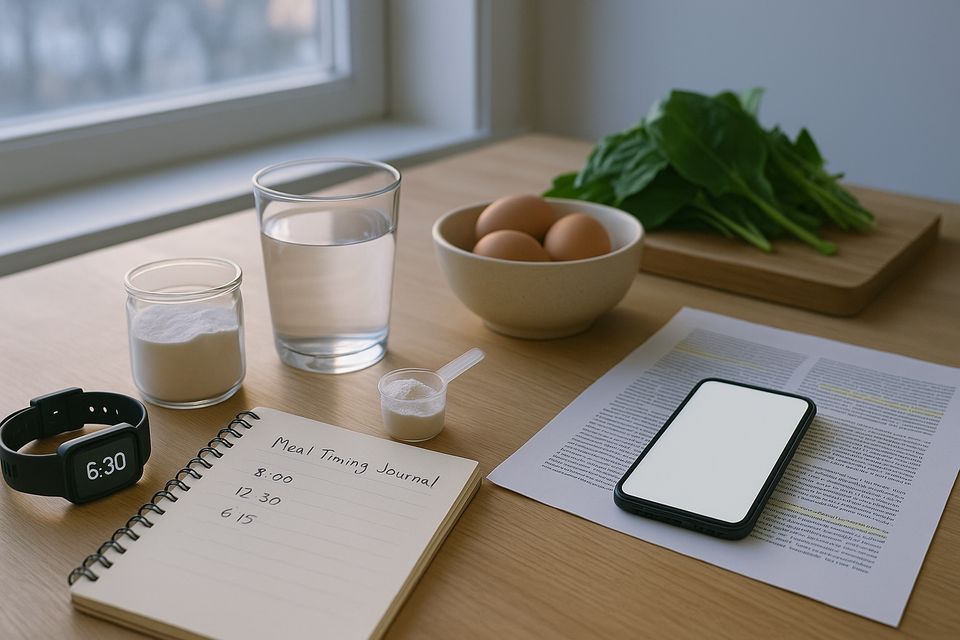
Meal Prep in 2026: Budget-Friendly, High-Protein Strategies
The meal prep market hits $36.4 billion in 2026 as consumers turn to DIY strategies, viral cottage cheese recipes, and high-protein breakfasts to cut costs and eat healthier.
Key Takeaways
- Meal prep market growth: The global meal prep market is anticipated to reach $36.4 billion in 2026, driven by consumer demand for convenient, portion-controlled, and healthier eating options.
- DIY meal prep saves money: Commercial meal prep kits cost 30–45% more per serving than home-cooked meals from raw ingredients, and DIY meal prep can reduce monthly food bills by 30% or more for American families.
- Cottage cheese comeback: Cottage cheese delivers 28 grams of protein per cup at a lower cost than Greek yogurt, fueling viral TikTok recipes that pack 15–20 grams of protein per serving in under 15 minutes.
- High-protein breakfast matters: Recent studies show high-protein breakfasts using eggs, Greek yogurt, or cottage cheese fuel your body properly and support energy throughout the day.
- Smart strategies cut costs: Focus on inexpensive proteins like chicken thighs, ground turkey, beans, and eggs, plus affordable grains and seasonal vegetables; most Americans already have $200–400 worth of food at home to use first.
- Food safety basics: Cool food quickly, store at 40°F or below, consume refrigerated meals within 3–5 days, and freeze anything you won't eat within that timeframe.
Why Meal Prep Became a Mainstream Wellness Habit in 2026
Meal prep search interest peaked in February 2026, reflecting New Year's resolutions and heightened focus on healthy eating and household organization. The global meal prep market is anticipated to reach $36.4 billion in 2026 and grow to $84.8 billion by 2035, driven by consumer demand for convenience, portion control, and healthier options.
Approximately 64% of consumers prefer convenient ready-to-cook meals, 57% prioritize portion-controlled diets, and 48% rely on meal planning for time management, according to industry market research. About 46% of urban consumers turn to meal prep due to time constraints from work schedules exceeding 40 hours per week. At the same time, the rise of "struggle meals" on social media captures the reality of rising food costs and the need to make every grocery dollar count.
The Budget Reality Driving DIY Home Cooking
Commercial meal prep kits cost approximately 30–45% more per serving compared with traditional home-cooked meals prepared from raw ingredients, and around 41% of consumers report that meal prep services exceed their weekly food budget when ordering 5–7 meals per week, per recent market data. This price gap is driving renewed interest in DIY home meal prep.
Studies show that meal planning is one of the most effective strategies for reducing food waste and household food spending, with DIY meal prep resulting in food bill reductions of 30% or more each month for American families. Most Americans already have $200–400 worth of food sitting at home, and using what you own before buying more is the fastest way to reduce grocery spending immediately.
The USDA's three P's for meal planning on a budget are plan, purchase, and prepare. Planning ahead saves both time and money over the long term, especially when you focus on inexpensive proteins such as chicken thighs, ground turkey, beans, and eggs, plus affordable grains like rice, pasta, and oats, and seasonal vegetables purchased in bulk.
Cottage Cheese's Viral Comeback as a High-Protein MVP
Cottage cheese has 28 grams of protein per cup and costs less than Greek yogurt, the dairy product that replaced its popularity in the 1980s. Google Trends data shows searches for cottage cheese recipes exploded in late 2024, and the momentum continued into 2026 as cottage cheese tacos and baked cottage cheese recipes went viral on TikTok, even leading to shortages in some grocery stores.
Most of these viral recipes come together in under 15 minutes with just a handful of ingredients, packing 15–20 grams of protein per serving. Cottage cheese is back because it works: it's affordable, packed with protein, and wildly versatile when treated like an actual ingredient instead of a compromise.
High-Protein Breakfast Strategies for Busy Mornings
Recent studies show that a high-protein breakfast is crucial for fueling your body properly. Eggs, Greek yogurt, cottage cheese, turkey, and chicken are go-to ingredients for building a protein-packed breakfast that supports energy and satiety throughout the day.
Simple options include cottage cheese pancakes, savory egg hashes, and baked oatmeal bars. Quick meal prep egg cups for busy weekdays or fluffy protein waffles for weekend family brunches deliver maximum nutrition with minimal effort. Whether you're grazing throughout the day or sticking to three full meals, starting with protein sets a strong foundation.
Quick Healthy Lunch Formulas for Work and Home
Popular meal-prep lunch ideas include Greek quinoa bowls offering a mix of protein, fiber, and healthy fats to keep energy steady, and hearty bean and farro salads bringing together plant-based protein, fiber, and grains into one dish. Portable sandwich and wrap options pack impressive macros: a turkey avocado sandwich contains about 30 grams of protein and 6 grams of fiber, while a Greek yogurt tuna wrap packs 30 grams of protein and keeps saturated fat low.
A hummus veggie pita delivers close to 10 grams of protein along with 8 grams of fiber, and a chicken Caesar wrap provides around 30 to 35 grams of protein paired with whole-grain carbs. These formulas work because they're flexible, affordable, and easy to batch-prep on Sunday for the week ahead.
Snacking Trends and Protein-Driven Convenience
Most consumers snack at least once a day, with some now grazing throughout the day instead of eating three full meals. Scanner data for 2025 showed dollar sales and unit sales for sweet snacks outpacing salty snacks, with notable growth in refrigerated snack bars (18.9%) and refrigerated yogurt (13.2%).
Protein remains the core satiety driver, linked to weight management, energy, and strength. Plant proteins from peas, lentils, nuts, and seeds continue to diversify, while dairy stays strong, with Greek yogurt consumption rising significantly among consumers seeking high-protein options. In December 2025, Chipotle introduced its first-ever high-protein snack offering, a grab-and-go meat cup containing approximately four ounces of chicken or steak, to tap into rising consumer demand for convenient, protein-rich snacking options.
Food Safety and Storage Basics for Meal Prep
Cool food quickly, store at 40°F or below, and consume refrigerated meals within 3–5 days. Freeze anything you won't eat within that timeframe to maintain quality and safety.
Most cooked proteins and grains last 4–5 days in the refrigerator. Soups and stews last up to 5 days in the fridge or 3 months in the freezer. Overnight oats are good for 3–4 days. These guidelines help you plan batch cooking sessions that align with safe storage windows, reducing waste and protecting your health.
What This Means for Readers
Editorial analysis — not reported fact:
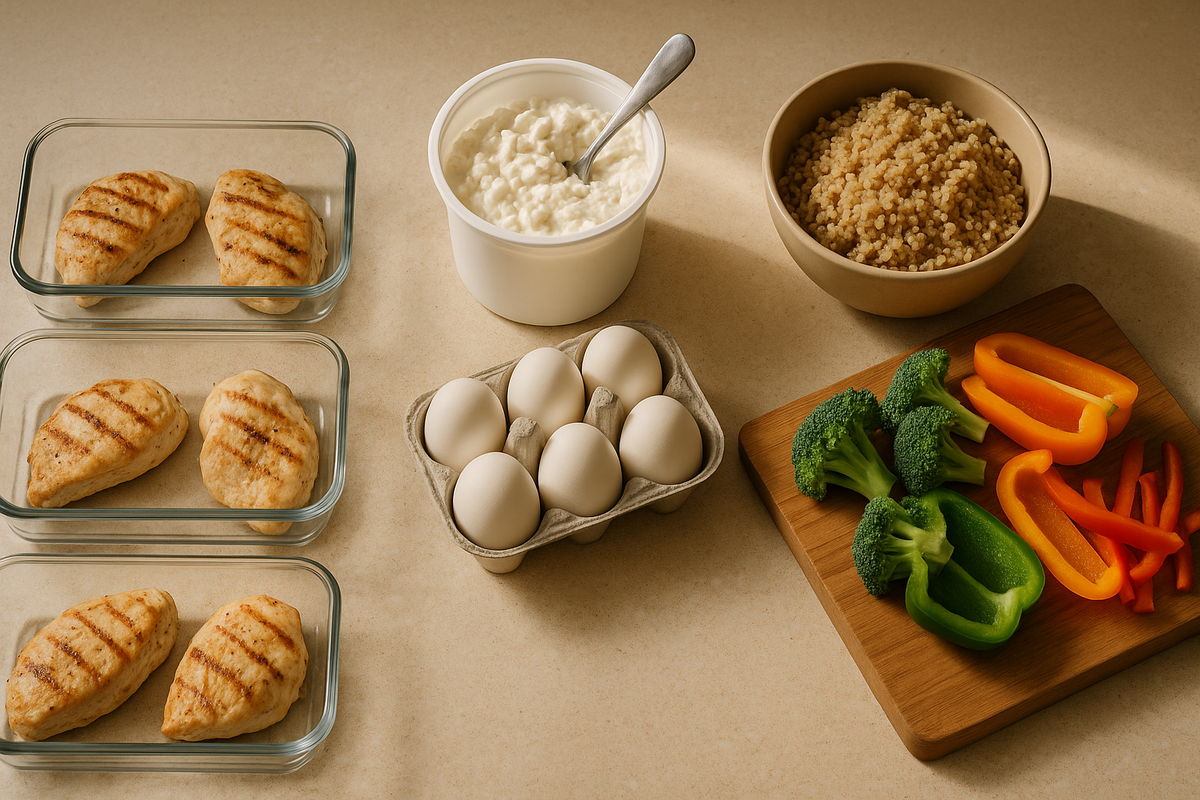
Meal prep in 2026 isn't about perfection or expensive subscription boxes. It's about taking back control of your time, your budget, and your health with simple, repeatable strategies that fit real life. Whether you're batch-cooking chicken thighs and rice on Sunday, blending cottage cheese into a viral TikTok pancake recipe, or packing a hummus veggie pita for lunch at your desk, the fundamentals are the same: plan around affordable proteins, use what you already own, and store food safely.
If you're new to meal prep, start with one or two breakfasts or lunches per week. Use the USDA's plan-purchase-prepare framework to build a simple routine. If you're already prepping, consider swapping in cottage cheese for Greek yogurt to save money without sacrificing protein, or explore high-protein snack options like refrigerated yogurt or grab-and-go protein cups to fuel your grazing habit.
The 30% monthly savings from DIY meal prep can add up to hundreds of dollars over a year, money you can redirect toward other wellness priorities, whether that's a gym membership, a new pair of running shoes, or simply peace of mind. And with refrigerated meals lasting 3–5 days and freezer storage extending shelf life to months, you can prep in rhythm with your schedule, not against it.
Sources & Further Reading
- Meal Prep Market size, share, and growth projections through 2035 — global market data, consumer preferences, and demand drivers for meal prep services and solutions
- USDA meal planning guidance and food safety resources — official federal guidance on meal planning strategies, food storage, and safe handling practices
- TikTok viral cottage cheese recipes and meal prep trends — social media platform where cottage cheese tacos, baked cottage cheese, and other high-protein recipes gained widespread popularity in 2024–2026
- Chipotle high-protein snack cup launch — December 2025 introduction of grab-and-go meat cups as first-ever high-protein snack offering
- Greek yogurt consumption and protein trends — rising consumption patterns among consumers seeking convenient, high-protein dairy options
Editorial coverage of publicly reported health, fitness, wellness, nutrition, and active living developments. Move Weekly has no commercial relationship with any companies, gyms, studios, brands, events, experts, products, or organizations named.