Daily Rituals Replace Quick-Fix Wellness in 2026
Americans are shifting from optimization to sustainability, embedding small intentional practices into morning routines, habit stacking, and sleep recovery.
Key Takeaways
- Daily rituals are replacing quick-fix wellness as 67% of Americans now practice mental and emotional self-care, shifting from optimization culture to sustainable, intentional habits that support long-term stress management and energy.
- Morning routines balance speed with intention: 90% of morning meals are prepared in under 15 minutes, yet consumers are proactively integrating functional beverages and multi-benefit wellness products as foundational lifestyle tools rather than emergency fixes.
- Habit stacking leverages behavioral science by attaching new behaviors to existing routines, such as doing five squats after pouring coffee or taking a five-minute walk after dinner, building consistency within six weeks without requiring extra time.
- Emotional fitness is 2026's biggest wellness shift: the practiced ability to recognize, manage, and recover from difficult emotions like an athlete maintains conditioning, with expressive writing shown to reduce physician visits by 43% and decrease anxiety by 9%.
- Sleep is now treated as active recovery, equal in importance to exercise and nutrition according to the American Academy of Sleep Medicine, with personalized sleep coaching, AI-driven plans, and sleep-focused environments moving from elite performance into everyday wellness.
- Evening rituals prioritize emotional comfort and digital boundaries, as excessive dopamine stimulation from screens disrupts natural wind-down, making pre-bed journaling, soothing hobbies, and device-free time essential for restorative sleep in 2026.
Why Rituals Beat Quick Fixes in 2026
In 2026, the ultimate status symbol is no longer working harder but recovering smarter. After years of hustle culture, Americans are recognizing that energy, focus, and joy are finite resources that deserve intentional care. 58% of consumers are experiencing moderate to extreme stress daily, driven by hybrid work pressures, AI-driven disruptions, information overload, and persistent global uncertainties affecting over one in five adults.
The response is not another supplement or device but a cultural pivot from optimizing to sustaining. 67% of Americans currently practice mental and emotional self-care, with stress reduction as a major driver. Rather than chasing extreme methods or one-off wellness purchases, people are embedding small, intentional practices into daily life. This shift represents wellness as a form of self-regulation, a way to sustain baseline health year-round rather than swinging between aspiration and burnout.
Morning Routines: Fast, Functional, and Intentional
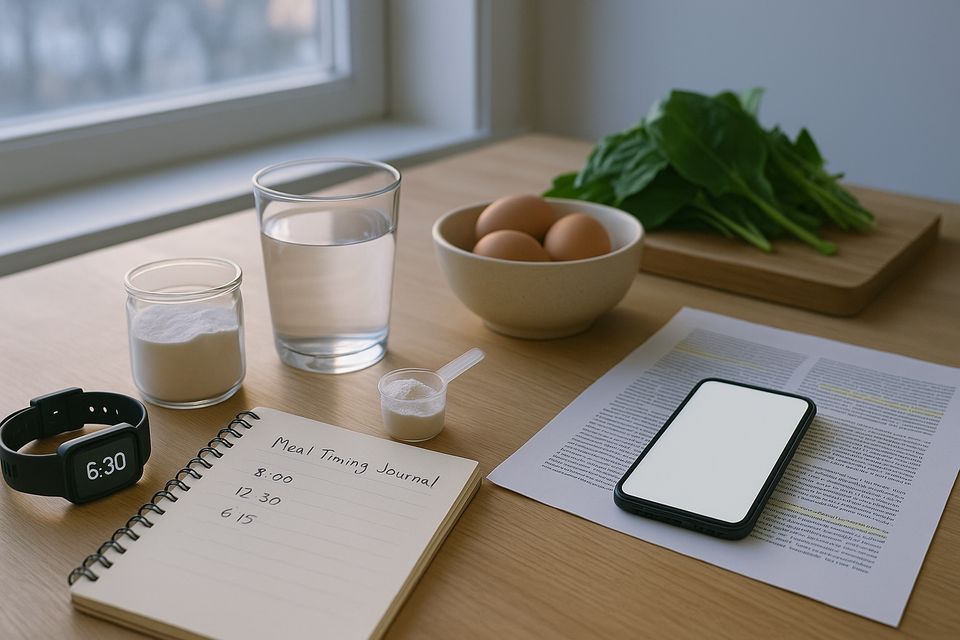
The morning meal has reclaimed its status as the anchor of the day in 2026. Speed remains essential, with 90% of morning meals prepared in less than 15 minutes, but convenience no longer means mindlessness. Consumers are proactively integrating functional beverages and wellness blends into daily routines, treating them as foundational lifestyle tools rather than emergency interventions.
The era of single-function supplements is giving way to multi-benefit formulas that deliver hydration, adaptogens, probiotics, antioxidants, and electrolytes all at once. Rather than stacking five separate products, consumers want one that works harder. Gen Z and Millennials are particularly driving this shift toward ritual-based wellness, though Gen Z's reliance on restaurants for morning meals is growing faster than its population due to life transitions and limited cooking skills.
What makes these routines stick is not perfection but consistency. A five-minute ritual performed daily outperforms an elaborate 30-minute sequence attempted sporadically. The goal is not to add complexity but to anchor intention into moments that already exist.
Habit Stacking: The Behavioral Science of Small Wins
Habit stacking is the practice of attaching a new behavior to an existing one using the format: after I do this, I will do that. It works because it uses established neural pathways to encode new behaviors rather than requiring the creation of entirely new ones. This eliminates the "I don't have time" barrier and allows movement, mindfulness, or wellness practices to fit seamlessly into routines you already have.
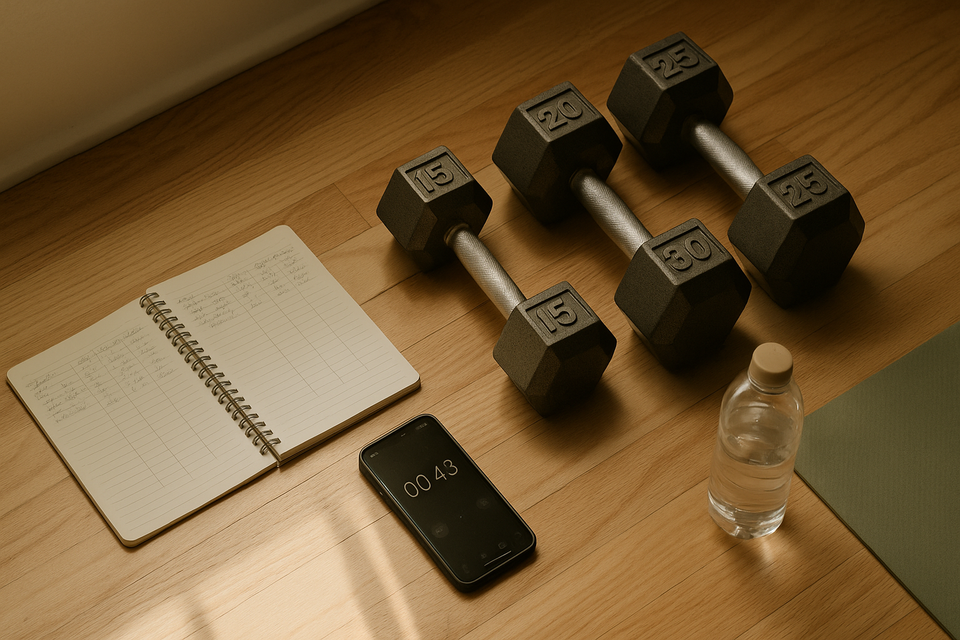
Real-world examples include doing five bodyweight squats after pouring morning coffee, taking one slow breath when you sit down at your desk, or taking a five-minute walk after finishing dinner. Habit stacking for fitness helps you build consistency by working with your existing schedule, not against it.
Within six weeks, these micro-rituals begin to feel less like discipline and more like the natural shape of your day. Maintaining a daily journal to track progress can be motivating, as seeing even small wins reinforces the habit loop. Apps like Fabulous, born in Duke University's Behavioral Economics Lab, act as digital coaches guiding users through morning routines, exercise, and meditation using science-based frameworks.
Emotional Fitness and Journaling: Training Your Inner Resilience
Emotional fitness is 2026's biggest wellness shift. Unlike emotional intelligence, which is a trait you measure, or mental health, which is a state you protect, emotional fitness is something you actively train. It is the practiced ability to recognize, manage, and recover from difficult emotions consistently, the way an athlete maintains physical conditioning.
The conversation has moved from "how do I feel?" to "how quickly can I recover, adapt, and respond?" Wearables and apps now deliver personalized insights for stress management, while corporate wellness programs, schools, and daily habits like meditation, movement, journaling, and social connection make emotional fitness accessible to everyone.
Journaling is central to this practice. Research published in Family Medicine and Community Health in 2022 found that journaling could improve mental health outcomes for people struggling with issues such as anxiety and PTSD. Expressive writing reduces physician visits by 43% and decreases anxiety by 9%. It creates a buffer between stimulus and response, a space where you can process rather than react.
Journaling does not require elaborate prompts or perfect prose. Three sentences about what you noticed, what you felt, or what you want to carry forward can be enough. The value is in the ritual itself, the act of pausing to reflect before moving to the next task or stimulus.
Evening Routines and Sleep: Recovery as a Performance Strategy
Sleep is no longer passive in 2026. It is active recovery, strategic and powerful. The American Academy of Sleep Medicine emphasizes sleep as the third pillar of health, equal in importance to exercise and nutrition. The wellness industry is responding with personalized mattresses, breathable bedding, blackout systems, acoustic management, and temperature regulation tools that together form what researchers now describe as the sleep ecosystem.
Hotels including Six Senses, Equinox Hotels, and 1 Hotels have introduced sleep-focused room designs that treat temperature, light, and sound as active wellness variables rather than incidental features. Sleep coaching is no longer just for athletes or executives; AI apps now offer personalized sleep plans tailored to individual goals and patterns, and certified coaches are accessible through digital platforms and wellness clinics.
Evening routines in 2026 prioritize emotional comfort and digital boundaries. Excessive dopamine stimulation from screen time significantly impacts nighttime calmness, disrupting the body's natural wind-down process. Reducing exposure to digital devices before bed is a key component of effective evening routines. Practices that cultivate psychological safety and peace, such as journaling, soothing hobbies, or slow skincare rituals, are essential for reducing stress and promoting truly restorative sleep. Notably, 38% of consumers cherish evening skincare rituals, with that figure rising to 47% among Gen Z and 45% among Millennials.
What This Means for Readers
Editorial analysis — not reported fact:
If you feel overwhelmed by aspirational wellness advice or guilty about skipped workouts and abandoned routines, 2026's ritual-based approach offers a more forgiving path. The shift from optimization to sustainability means you do not need to overhaul your life overnight. Instead, identify one existing moment in your day and attach one small behavior to it. Pour coffee, do five squats. Finish dinner, walk five minutes. Sit at your desk, take one slow breath.
For busy professionals and parents, habit stacking removes the need to find extra time. For wellness-curious consumers, it lowers the barrier to entry. For active adults managing stress, it provides a framework that does not depend on willpower alone but on the architecture of your existing routines.
If sleep has become a source of anxiety rather than rest, consider treating your evening routine as seriously as your morning one. Set a device curfew 30 minutes before bed. Journal three sentences about your day. Invest in blackout curtains or a white noise machine if light or sound disrupts your sleep. These are not indulgences but foundational practices that support every other area of health.
The data is clear: consistency beats intensity, ritual beats willpower, and recovery is as important as effort. The question is not whether you have time for wellness but whether you are willing to weave it into the time you already have.
As with any changes to your routine, especially those related to stress, sleep, or emotional health, consult a qualified healthcare professional if you are managing chronic conditions, taking medications, or experiencing persistent mental health challenges.
Sources & Further Reading
- American Psychological Association Stress in America survey — data on stress prevalence among U.S. consumers
- McKinsey & Company wellness market insights — consumer self-care behavior and stress management trends
- James Clear on habit stacking — behavioral science framework for building consistent routines
- Fabulous app — science-based digital coaching for morning routines and habit formation
- Family Medicine and Community Health journaling research — peer-reviewed evidence on journaling for mental health outcomes
- American Academy of Sleep Medicine — guidance on sleep as a pillar of health equal to exercise and nutrition
Editorial coverage of publicly reported health, fitness, wellness, nutrition, and active living developments. Move Weekly has no commercial relationship with any companies, gyms, studios, brands, events, experts, products, or organizations named.