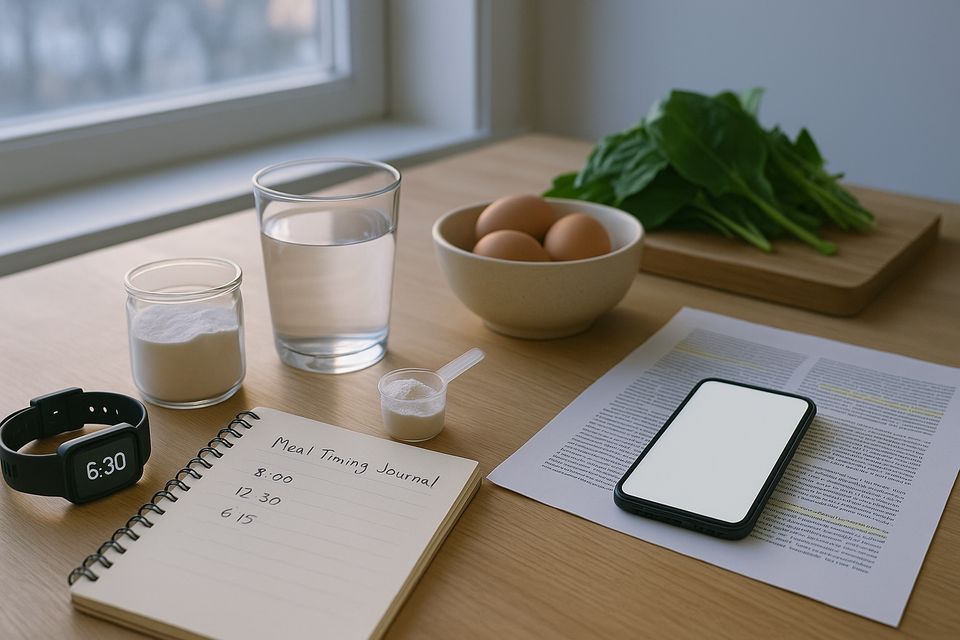
The Protein Distribution Revolution: Breakfast & Budget Meals in 2026
Why spreading 25–40g of protein across meals beats cramming it into dinner, and how breakfast, budget staples, and meal planning apps are reshaping everyday eating.
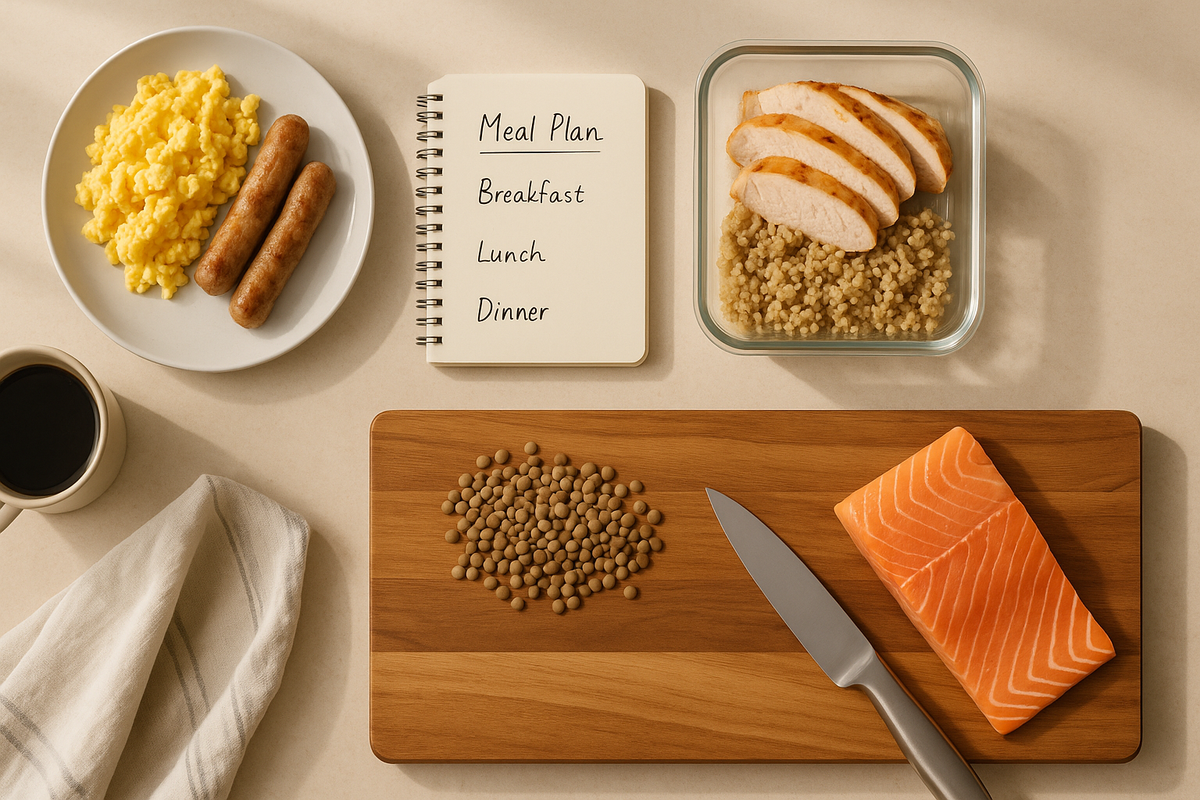
Key Takeaways
- Protein distribution matters more than total amount: Spreading 25–40 grams of protein across 3–4 meals throughout the day produces better muscle protein synthesis than concentrating 80 grams at dinner with minimal intake at breakfast, making breakfast and snacks central to fitness-focused eating.
- Breakfast motivations have surged 75% in the past year, driven by protein-packed options like poached eggs, cottage cheese, and Greek yogurt replacing traditional cereals and pastries, with emerging trends like high-protein breakfast soups appealing to consumers prioritizing metabolic health and gut wellness.
- Budget-conscious protein strategies emphasize staples: Eggs, chicken thighs, canned fish, lentils, beans, and tofu deliver the most grams of protein per dollar and batch-cook effectively, allowing consumers to meet wellness goals without premium price tags.
- Meal planning app adoption jumped 47% in 2025, with early adopters saving an average of 3 hours per week on meal planning and shopping while reducing food waste by up to 40%, as AI-driven recommendations and smart grocery integration become baseline expectations.
- Quick preparation claims are up 35%, with approximately 64% of consumers preferring convenient ready-to-cook meals and 48% relying on meal planning for time management, reflecting demand for nutrition that fits real schedules without sacrificing health goals.
- Texture and snacking innovation are reshaping everyday eating, with sharp year-over-year increases in consumer interest for flaky (50%), crispy (49%), airy (43%), and gooey (43%) textures, and refrigerated snack bars seeing 18.9% sales growth alongside string cheese, boiled eggs, and Greek yogurt as prep-friendly staples.
Why Breakfast Became the Cornerstone of Protein-Forward Eating
For decades, American dinner plates carried the protein load while breakfast leaned on convenience carbs. That dynamic flipped in 2026. Eighty-five percent of U.S. consumers now consider protein important to supporting their wellness goals, and the science of protein timing is reshaping when and how people eat. Research shows that spreading 25–40 grams of protein across three to four meals produces better muscle protein synthesis than concentrating 80 grams into dinner and eating just 10 grams at breakfast.
Breakfast-related motivations have grown 75% in the past 12 months, driven by protein-packed options like poached eggs, cottage cheese, and Greek yogurt that now account for a significant portion of breakfast-related social shares. This shift reflects a broader understanding that protein supports not only muscle building but also weight management, satiety, sleep quality, and long-term vitality.
An emerging trend within this movement is particularly striking: breakfast soups have emerged as the premier choice for those prioritizing high protein, low carbohydrates, and superior gut health, driven by a deeper understanding of metabolic health and the "fiber-maxxing" movement. This represents a cultural pivot away from protein shakes and smoothies toward warming, savory, nutrient-dense first meals.
Budget Protein Strategies That Deliver Results Without Premium Price Tags
Meeting protein goals does not require expensive cuts or specialty products. American consumers are discovering that high-protein eating on a budget means anchoring meals to eggs, chicken thighs, canned fish, lentils, beans, and tofu, ingredients that deliver the most grams of protein per dollar and batch-cook effectively for the week ahead.
Practical consumer guidance emphasizes simplicity and repetition: the best meal plans stay simple and repeatable, leaning on a handful of ingredients that show up in different ways throughout the week, which cuts down on shopping lists, speeds meal prep, and reduces food waste. String cheese, boiled eggs, cottage cheese, and Greek yogurt serve as easy, affordable snack choices that help consumers stay full between meals and are simple to prep ahead.
This approach aligns with broader consumer behavior. Meal prep motivations are up 22%, and quick-preparation claims are up 35%, as U.S. consumers balance demanding schedules with wellness goals. The convergence of budget consciousness and health priorities is driving a focus on low-cost staples like eggs, beans, canned fish, ground turkey, and pantry-based meal bases that form the backbone of sustainable, protein-forward eating.
How Meal Planning Apps Became Essential Kitchen Tools in 2026
Meal planning app adoption rates jumped 47% in 2025, with early adopters saving an average of 3 hours per week on meal planning and shopping while reducing food waste by up to 40%. The technology has matured beyond rigid nutrition trackers that demand daily inputs and overwhelm users with detailed dashboards. In 2026, people stick with meal planning apps that reduce decisions, simplify grocery shopping, and fit real schedules.
The convergence of AI-powered recipe recommendations that learn user tastes, smart grocery lists that communicate with delivery services in real time, and nutrition tracking that integrates with fitness goals is now the baseline expectation. Apps focused on weekly plans and flexible meals work better than rigid trackers; most meal planning apps are deleted because they add friction instead of removing it, with users abandoning tools after the first few weeks when daily inputs become burdensome.
The best all-around meal-planning apps for busy families in 2026 offer AI-driven weekly plans, dynamic grocery lists, family-friendly swaps, and built-in variety and budget controls, reflecting consumer demand for technology that supports rather than complicates everyday routines.
The Convenience Paradox: Home Prep vs. Ready-to-Cook Solutions
Approximately 64% of consumers prefer convenient ready-to-cook meals, 57% prioritize portion-controlled diets, 48% rely on meal planning for time management, and 39% seek healthier food options, while nearly 33% prefer subscription-based weekly meal prep solutions. However, approximately 44% of fitness enthusiasts rely on meal prep services to maintain high-protein diets containing 25–40 grams of protein per meal, meaning home prep remains the backbone for serious practitioners.
Convenience is up 44%, skewing 77% toward food formats rather than restaurant occasions. Consumers are making active functional choices in the grocery and home-prep context, choosing formats that do not require effort. This has driven demand for quick healthy meals at the intersection of nutritious and quick, expanding beyond the easy skillet dinner to highlight how pantry staples and freezer favorites can serve as the centerpiece of a dish.
Comfort food led the list of in-home meal preparation preferences across generations, cited by 55% of those surveyed, followed by fast preparation time. The expectation is no longer convenience or nutrition but both, delivered in formats that support real-world schedules.
Snacking Evolution: Texture, Protein, and Prep-Friendly Choices
Most consumers snack at least once a day, and texture has become as important as flavor in snack innovation. Tastewise analysis found sharp year-over-year increases in consumer interest for flaky textures (50%), crispy (49%), airy (43%), and gooey (43%). For sweet snacks, refrigerated snack bars saw notable sales growth of 18.9%, followed by refrigerated yogurt at 13.2%. For salty snacks, meat snacks showed 13.1% gains.
These trends reflect a broader shift toward snacks that deliver protein, satiety, and sensory satisfaction. String cheese, boiled eggs, cottage cheese, and Greek yogurt remain easy, affordable snack choices that help consumers stay full between meals and are simple to prep ahead, fitting seamlessly into the protein distribution strategies that now define wellness-focused eating.
TikTok's Role in Democratizing Meal Prep Culture
TikTok has transformed cooking trends and consumer behavior, driving demand for new kitchen tools and simplifying recipe sharing. Meal prepping videos made simple high-protein recipes and efficient storage solutions go viral, but they also made workstation sinks and fridge organizers a trend. TikTok's video format shows people how to cook, not just what to make, with creators demonstrating how to use products that make cooking fun and easy.
This visual, process-oriented approach has driven actual consumer behavior, making meal prep accessible to beginners and normalizing batch cooking, ingredient repetition, and the use of budget staples. The platform's influence extends beyond recipes to reshape expectations around kitchen efficiency, storage, and the aesthetics of everyday meal preparation.
What This Means for Readers
Editorial analysis — not reported fact:
The protein distribution revolution offers a clear, actionable framework for readers who want results without overhauling their entire routine. Start with breakfast: aim for 25–40 grams of protein in the morning using eggs, Greek yogurt, cottage cheese, or even savory breakfast soups if you are open to non-traditional options. This single shift can improve satiety, energy, and muscle protein synthesis throughout the day.
For budget-conscious consumers, focus on staples that deliver protein per dollar: eggs, chicken thighs, canned fish, lentils, beans, and tofu. Batch-cook these ingredients on weekends and repurpose them across simple, repeatable meals throughout the week. This strategy cuts shopping time, reduces food waste, and supports consistent protein intake without premium price tags.
If you are overwhelmed by daily meal decisions, consider a meal planning app that emphasizes weekly plans, dynamic grocery lists, and AI-driven recommendations that learn your preferences. Apps that reduce friction rather than adding it can save hours each week and help you stay consistent without rigid tracking or daily inputs.
For snacking, keep prep-friendly, high-protein options on hand: string cheese, boiled eggs, Greek yogurt, or refrigerated snack bars. These choices support protein distribution across meals and help you avoid energy crashes between breakfast, lunch, and dinner.
The convergence of protein science, budget strategies, technology-enabled planning, and convenience-focused formats means you do not need to choose between health, time, and affordability. You can anchor your eating to a handful of effective principles and let repetition, simplicity, and smart planning do the heavy lifting.
As with any nutrition change, consult a registered dietitian or qualified healthcare professional if you have specific health conditions, dietary restrictions, or questions about protein intake that fit your individual needs.
Sources & Further Reading
- Nutrition Insight: Protein Important to 85% of U.S. Consumers for Wellness Goals — survey data on consumer protein priorities and wellness associations
- Food Dive: Breakfast Motivations Grow 75% in Past 12 Months — coverage of breakfast-related motivations and protein-packed options driving social shares
- Food Dive: Breakfast Soups Emerge as High-Protein, Gut Health Choice — trends in savory, nutrient-dense breakfast formats and the fiber-maxxing movement
- Food Dive: Meal Prep Motivations Up 22%, Quick-Preparation Claims Up 35% — consumer behavior data on meal prep and convenience priorities
- Food Dive: Meal Planning App Adoption Jumped 47% in 2025 — data on time savings, food waste reduction, and app adoption trends
- Food Dive: Consumer Preferences for Convenient Ready-to-Cook Meals — market data on portion control, meal planning, subscription services, and fitness enthusiast behavior
- Food Dive: Comfort Food and Fast Preparation Lead In-Home Meal Preferences — generational survey data on meal preparation priorities
- Food Dive: Snack Texture Trends Show Sharp Increases in Flaky, Crispy, Airy, and Gooey Interest — Tastewise analysis of texture preferences and refrigerated snack sales growth
- Food Dive: TikTok Transforms Cooking Trends and Consumer Behavior — coverage of social media influence on meal prep culture and kitchen tool demand
Editorial coverage of publicly reported health, fitness, wellness, nutrition, and active living developments. Move Weekly has no commercial relationship with any companies, gyms, studios, brands, events, experts, products, or organizations named.