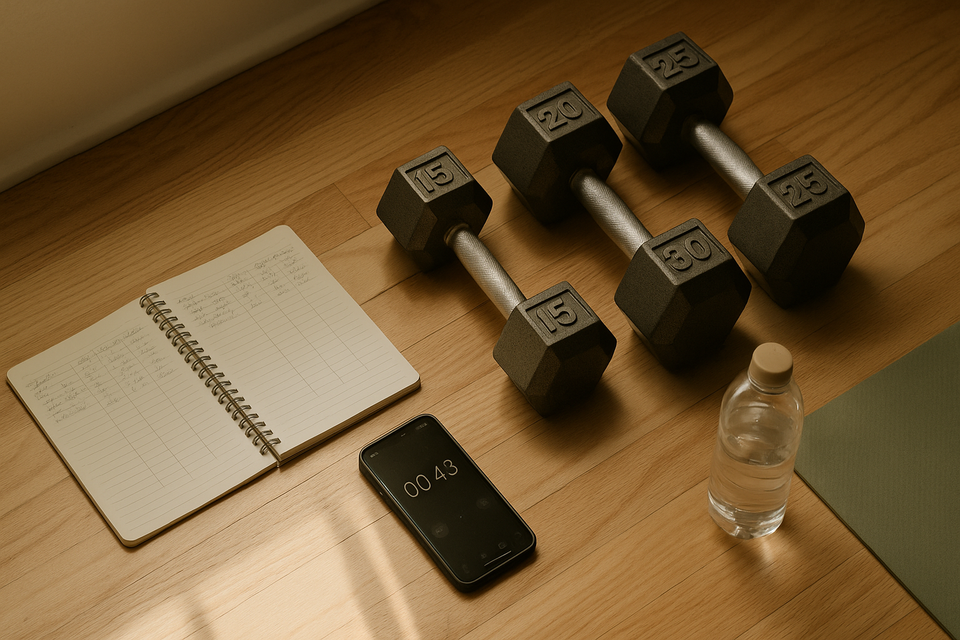
Exercise for Mental Health: The 2026 Movement Shift
78% of Americans now exercise for mental health over appearance, with research showing 43% fewer poor mental-health days and anxiety relief in as little as 10 minutes.

Key Takeaways
- Mental health motivation now drives most exercise habits: 78% of Americans cite emotional or mental well-being as their top reason for working out in 2026, surpassing physical fitness and appearance goals for the first time at scale.
- Exercise reduces poor mental-health days by 43%: Research shows people who exercise report 1.49 fewer poor mental-health days per month compared to those who don't, with regular vigorous activity reducing depression and anxiety disorder risk by 25% over five years.
- Short, low-intensity sessions work best for anxiety: A 2026 systematic review found brief, moderate-intensity exercise most effectively reduces anxiety symptoms, with benefits peaking at 45-minute sessions and 3-4 ten-to-fifteen-minute bouts throughout the day offering accessible options for busy schedules.
- All movement types support mental health: Resistance training reduces depressive symptoms, while yoga and mindfulness-based formats offer additional stress reduction, and walking or running can boost mood and ease anxiety after just 20-30 minutes.
- Social connection amplifies emotional benefits: Run clubs, walking groups, and studio classes provide community support that combats loneliness, a major mental health risk factor, with social connectedness protecting adults from depression and anxiety disorders.
- Movement supports but does not replace professional mental health care: Physical activity may help manage stress, anxiety, and depressive symptoms for some people, but it is not a substitute for therapy, medication, or guidance from licensed mental health professionals.
Why Americans Are Choosing Movement for Mental Health Over Appearance Goals
For the first time, mental and emotional well-being has become the primary reason Americans exercise. According to recent consumer data, 78% of exercisers now cite mental or emotional health as their top workout motivation, ahead of physical fitness or appearance goals. This shift represents a fundamental change in how everyday people think about movement.
The change is showing up in national fitness trends, too. Exercise for mental health jumped from number eight to number six on the American College of Sports Medicine's 2026 fitness trends, one of the fastest rises in the trend report's 20-year history. The driver is clear: rising anxiety, burnout, and a widespread desire for emotional resilience amid modern pressures have made movement feel less like optional self-care and more like a necessary intervention.
As of 2026, more than one in three Americans report planning a mental health-related New Year's resolution, up 5% from the previous year, with younger adults ages 18 to 34 significantly more likely to prioritize emotional health goals. People are exercising less to look different and more to feel different, seeking relief from stress, anxiety, and emotional overwhelm in their daily routines.
What the Research Says About Exercise and Mental Health
The science backing exercise as a mental health tool has become increasingly robust. A large review of studies suggests that exercise can ease depression about as effectively as psychological therapy, while a 2026 systematic review published in the British Journal of Sports Medicine concluded that short, low-intensity exercise was best for reducing anxiety across 63 studies.
The mechanisms are physiological and neurological. Exercise acts as a predictable, dosable stressor that improves stress-axis regulation, reduces systemic inflammation, modulates neurochemical systems, and promotes neuroplasticity in brain circuits involved in emotional regulation. The real-world impact is measurable: people who exercised reported a 1.49-day reduction in poor mental-health days over the previous month compared with those who did not, a 43.2% improvement.
Long-term benefits are just as compelling. Those who got regular vigorous exercise were 25% less likely to develop depression or an anxiety disorder over the next five years. However, more is not always better: benefits peaked at around 45-minute sessions, and exercising for more than three hours a day was associated with worse mental health, suggesting moderation matters.
For busy schedules, the research offers practical flexibility. Exercise can be done in three to four moderate-intensity sessions, each lasting 10 to 15 minutes throughout the day, making mental health benefits accessible without requiring long blocks of time.
Which Types of Movement Work Best for Emotional Well-Being
Aerobic activity, mind-body practices, and resistance training can all be associated with improvements in anxiety or depression symptoms in some study groups, meaning there is no single "best" modality for everyone. The choice depends on individual preference, access, and how the activity feels emotionally.
Resistance training reduces depressive symptoms, while low-intensity, mindfulness-based formats such as yoga may offer additional value for stress reduction and emotional well-being. Multiple meta-analyses have confirmed that yoga practice can effectively alleviate stress and improve symptoms of depression and anxiety, making it a strong option for people seeking calmer, more grounded movement experiences.
Walking and running also deliver measurable mood benefits. Walking and running have been shown to reduce stress, ease symptoms of anxiety and depression, and boost overall mood, promoting the release of endorphins that can improve your sense of well-being after just 20 to 30 minutes of movement. These activities are accessible, require minimal equipment, and can be done solo or socially, depending on what feels supportive.
The Role of Social Connection in Mental Health and Movement
Social connectedness, via strong support and expansive networks, protects adults from depression and anxiety disorders, and run clubs combat social isolation. Running groups, walking clubs, and studio classes offer a chance to connect with people who share similar goals and values, and this sense of community can address loneliness, which is a growing mental health concern.
Loneliness is a major risk factor for mental health decline. Studies show that social support plays a crucial role in maintaining mental health, and a walking club provides a sense of belonging that solo walking cannot. For people feeling isolated, burnt out, or disconnected, group movement offers both physical and relational benefits that compound over time.
How Gyms and Studios Are Responding to the Mental Health Shift
The fitness industry is adapting quickly to meet demand for mental health-focused programming. Clubs are adding breathwork classes, meditation, sound therapy, vibrational healing, wellness pods, and somatic movement such as Qi Gong or Feldenkrais classes. Gyms are also expanding recovery-oriented experiences, including stretching sessions, foam rolling workshops, cryotherapy rooms, infrared saunas, and massage treatments to promote muscular recovery and stress relief.
Despite growing offerings, there is a gap in how mental health benefits are communicated. While a need exists for exercise-based programs that positively address mental health, many gyms and studios do not explicitly promote these outcomes. Framing exercise around mental health benefits may better align programs with motivation and support long-term engagement, especially as members increasingly seek training that helps them release tension, sleep better, and build mental resilience.
Exercise professionals can bridge this gap by using language like "stress relief," "mood boost," or "resilience" in marketing, client communication, and class instruction, helping people connect movement to the emotional outcomes they are actively seeking.
Burnout, Emotional Resilience, and the 2026 Wellness Landscape
Burnout is no longer limited to high-powered careers. Burnout is showing up in students, remote workers, parents, creatives, and even people who technically "have it easy", making emotional resilience a widespread priority. In response, 2026 is introducing a new category of health: emotional fitness, emphasizing both cognitive performance and emotional resilience.
Exercise fits into this framework as a form of "good stress" that trains the nervous system to handle future stress more effectively. Movement is becoming not just a physical stimulus, but also a moment of focus, release, and recovery. For many people, the emotional experience around movement matters as much as the activity itself, as a competitive class may feel energizing to one person and discouraging to another.
Movement Supports Mental Health but Is Not a Substitute for Professional Care
It is essential to recognize the limits of exercise as a mental health intervention. Physical activity may support mental well-being for some people, including those experiencing symptoms of anxiety or depression, though the evidence does not make movement a substitute for therapy, medication, crisis care, or guidance from a licensed professional. Clinicians and public health educators often include movement in broader conversations about emotional health, daily routines, sleep, stress, and social support, but it remains one tool among many.
For people managing chronic mental health conditions, experiencing severe symptoms, or navigating life transitions, consulting a qualified mental health professional is essential. Movement can complement treatment, but it cannot replace it.
What This Means for Readers
Editorial analysis — not reported fact:
If you have been exercising primarily to change how you look, the research suggests there may be more immediate and meaningful benefits waiting in how you feel. A 20-minute walk, a 30-minute strength session, or a yoga class can deliver measurable improvements in mood, stress, and emotional resilience without requiring a dramatic time commitment or advanced fitness level.
For people feeling burnt out, anxious, or emotionally drained, movement offers a tool that is accessible, low-cost, and backed by evidence. The key is finding a type of movement that feels supportive rather than punishing. If competitive classes leave you stressed, try walking with a friend or a solo yoga session. If you thrive on energy and community, a run club or group fitness class may offer the connection and release you need.
As gyms and studios continue to expand mental health-focused programming, look for language that speaks to stress relief, mood, and resilience, not just calories or aesthetics. Ask instructors about breathwork, recovery classes, or mindfulness-based formats if those align with what you are seeking. And if you are managing a mental health condition or feeling stuck, consider movement as part of a broader plan that includes professional support, social connection, sleep, and routine.
Sources & Further Reading
- ACSM's Top 20 Fitness Trends for 2026 — annual survey identifying exercise for mental health as a top-six trend
- British Journal of Sports Medicine 2026 systematic review — 63 studies on exercise and anxiety reduction
- Harvard Health on exercise and depression — overview of research comparing exercise to therapy
- The Lancet Psychiatry study on exercise and mental health days — data on 1.2 million U.S. adults
- Mayo Clinic on depression and exercise — practical guidance on dose and frequency
- IDEA Health & Fitness Association trend report — how fitness professionals are addressing mental health benefits
- Verywell Fit on running and mental health — social connection and mood benefits of run clubs
- IHRSA on holistic wellness in gyms — breathwork, meditation, and recovery programming
- Mindbody 2026 wellness trends — burnout and emotional fitness as consumer priorities
- American Psychological Association on 2026 mental health resolutions — consumer survey on mental health priorities
Editorial coverage of publicly reported health, fitness, wellness, nutrition, and active living developments. Move Weekly has no commercial relationship with any companies, gyms, studios, brands, events, experts, products, or organizations named.