Protein Meal Prep in 2026: Why Americans Shift to Simplicity
71% of Americans are actively eating more protein in 2026, up from 59% in 2022. How time-strapped, budget-conscious consumers are making meal prep realistic.
Key Takeaways
- Protein consumption: 71% of Americans are actively trying to eat more protein in 2026, up from 59% in 2022, with beef, chicken, and eggs as the top choices.
- Time reality: Most Americans spend less than 30 minutes preparing weeknight dinners, and almost half eat the same breakfast foods every morning to simplify their routines.
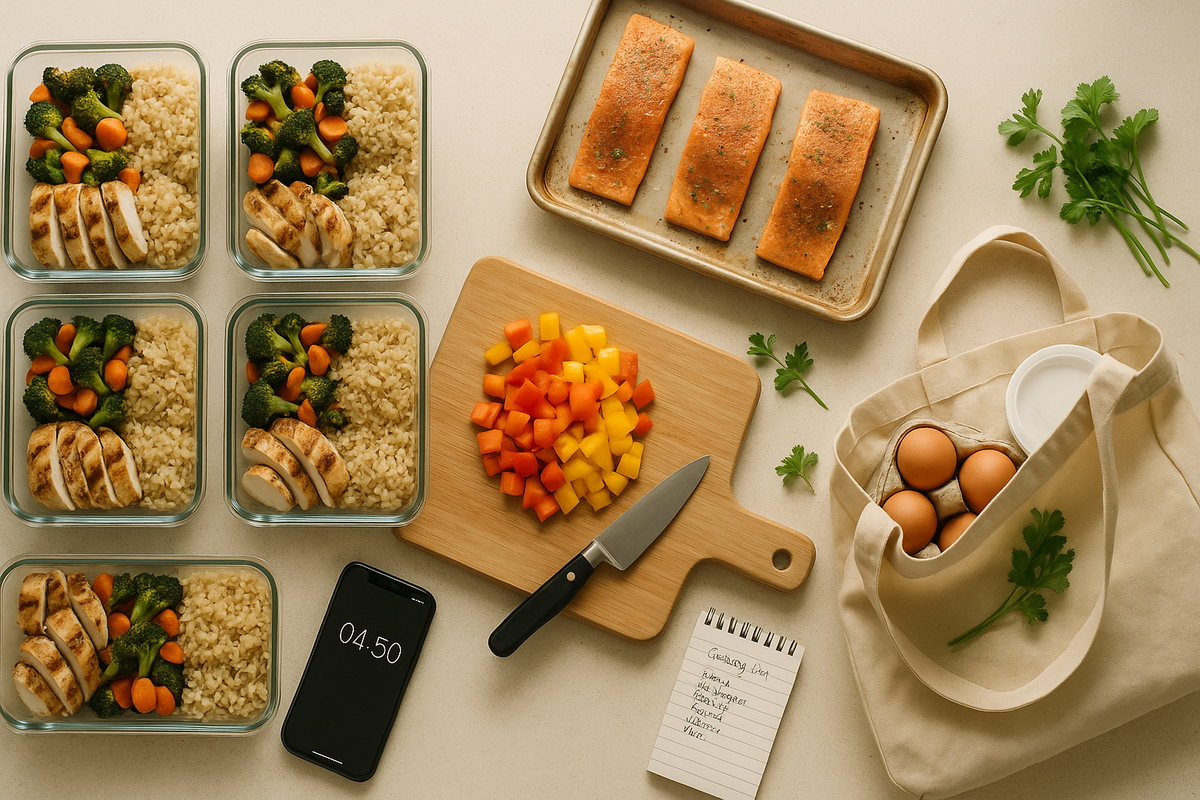
- Meal-prep standard: One 1-2 hour meal-prep session on Saturday or Sunday after grocery shopping has become the new norm, replacing daily from-scratch cooking.
- Budget-friendly protein: Eggs, lentils, canned tuna and salmon, Greek yogurt, and beans deliver affordable, nutrient-dense protein for cost-conscious shoppers.
- Five-ingredient simplicity: Quick meal plans with five or fewer ingredients are trending, prioritizing speed, minimal clean-up, and "good enough" over Instagram-perfect meals.
- Breakfast all day: 79% of Americans eat breakfast foods outside traditional morning hours, with grab-and-go formats like breakfast sandwiches, mini quiches, and cottage cheese snack boxes leading 2026 breakfast trends.
Why Protein-Forward Meal Prep Became a Mainstream Habit in 2026
American eating habits have shifted decisively toward protein-focused meal prep in 2026, driven by a pragmatic blend of health goals, time pressure, and economic reality. According to nutrition trend analysis published by Amy's Nutrition Kitchen, 71% of Americans say they're actively trying to consume more protein, up from 59% in 2022. This isn't a passing fad: protein intake increased by 61% in the U.S. in 2024 compared to 48% in 2019, with beef, chicken, and eggs remaining the preferred options.
The surge reflects more than marketing hype. Consumers associate protein with quality, satiety, and tangible health benefits, and they're willing to pay more for it even when budgets are tight. Frozen foods positioned as gut-healthy, nutrient-dense, and high-protein have grown 33% over the past three years, while 237 new nutrition bars debuted in the U.S. market in 2025 through mid-July alone, following 541 launches in 2024.
Yet this protein boom coexists with a striking reality: most Americans spend less than 30 minutes preparing weeknight dinners, and almost half eat the same breakfast foods every morning to simplify their routines. The tension between wanting health-conscious eating and facing time and cost constraints has pushed meal prep from aspirational to essential.
The Shift from Homemade Everything to Smart Simplicity
The idealized vision of cooking every meal from scratch has given way to what one industry observer calls "smart simple": strategic batch cooking, freezer-friendly leftovers, and five-ingredient meal plans that reduce prep time and minimize clean-up. Five-ingredient meal plans prioritizing speed and simplicity are trending across social platforms and meal-planning communities, with one 1-2 hour meal-prep session on Saturday or Sunday afternoon after grocery shopping becoming the new standard.
This shift is efficiency-driven, not laziness. One viral TikTok video showed meal-prepping with Sam's Club prepared foods, creating five meal-prep containers for $26.44, roughly $5 per serving at 460 calories each. The post resonated because it reflected a pragmatic truth: good enough beats perfect when you're managing work, family, and a tight budget.
People are batch cooking protein-rich staples like lentil chili, freezing single servings for quick lunches, and embracing store brands to stretch dollars. The uncertain economy, shaped by fluctuating tariffs, prolonged government shutdown, and escalating prices, has forced budget-conscious food choices at the breakfast table and beyond.
Breakfast Trends: Protein, Fiber, and Grab-and-Go Formats
79% of Americans eat breakfast foods outside traditional morning hours, reflecting both the flexibility of modern schedules and the appeal of quick, satisfying options. Breakfast trends in 2026 revolve around adding protein and fiber through whole-food ingredients, with small, grab-and-go formats like breakfast sandwiches, mini quiches, and mini crostini toasts leading the category.
Cottage cheese has made a major comeback as a breakfast protein powerhouse. Cottage cheese snack boxes featuring hard-boiled eggs, fresh fruit, and nuts or seeds deliver protein, healthy fats, and fiber to curb cravings and keep energy steady through busy mornings. The format works for office workers, commuters, parents, and college students who need satisfying meals without slowing down.
Consumer preferences reflect comfort food with surprising twists, better-for-you options emphasizing protein content and free-from claims, and global flavors providing a sense of adventure. The message is clear: breakfast doesn't have to be elaborate to be effective.
Budget-Friendly Protein Staples That Actually Work
High-protein eating doesn't require expensive specialty products or premium cuts of meat. Cost-effective protein options include eggs, lentils, canned tuna and salmon, Greek yogurt, and beans, all known for affordability and nutrient density. Beans deliver both protein and fiber, making them ideal for chili and burrito bowls. Rice remains affordable and versatile, while sweet potatoes offer a nutrient-rich carb source that supports recovery and sustained energy.
Lentil chili gets better with time, loaded with plant-based protein and fiber; batch cook on Sunday and freeze single servings for quick lunches throughout the week. Creamy, high-protein lasagna soup made with ground beef, broken lasagna noodles, and dairy-free ricotta is another example of a cozy, quick weeknight dinner that works for easy meal prep.
Plant-based proteins including lentils, chickpeas, and tofu are showing up in everything from curries to tacos, as consumers move away from overly engineered meat substitutes and embrace honest, whole-food simplicity. The focus is on satiety, clean ingredients, and portion-controlled satisfaction, not perfection.
Global Flavors and Social Media Influence on Meal Planning
Families are reaching for inspiration from Asian stir-fries, Mediterranean salads, and Latin American bowls, with flavor-packed ingredients like harissa, coconut aminos, or chipotle sauce adding variety without extra effort. 52% of people report social media influenced them to try new foods, with Gen Z in particular using social media to expand eating habits; 61% of Gen Z makes dietary decisions based on influencer advice, especially for multicultural meals.
TikTok has become a meal-planning tool, with users scrolling for visual inspiration faster than they might browse Pinterest boards. The Prepdeck, a meal-prep tool, went viral on TikTok with one video accumulating over 5 million views and more than 700,000 likes, demonstrating how one product can replace several traditional kitchen tools. Social platforms aren't just selling gadgets; they're shaping how Americans decide what to make for dinner and how to structure their weekly meal prep.
What This Means for Readers
Editorial analysis — not reported fact:
The 2026 shift toward protein-forward, simplified meal prep reflects a broader cultural reckoning with the myth of the perfect home cook. If you're batch-cooking lentil chili on Sunday, rotating the same high-protein breakfast all week, or assembling meal-prep containers from affordable grocery staples, you're not cutting corners. You're being realistic.
For busy professionals, parents, and anyone managing a tight budget, the message is clear: one 1-2 hour meal-prep session after grocery shopping can anchor your week. Focus on five-ingredient recipes, affordable protein staples like eggs, beans, canned fish, and Greek yogurt, and freezer-friendly meals that reheat well. Lean into global flavors for variety without complexity, and don't hesitate to use prepared foods strategically to save time.
If you're new to meal prep, start small. Pick one or two recipes, cook in bulk, portion into single servings, and freeze. The goal isn't Instagram-worthy perfection; it's having a satisfying, protein-rich meal ready when you need it. For personalized nutrition guidance, especially if you're managing specific health conditions, dietary restrictions, or weight goals, consult a registered dietitian or healthcare professional.
Sources & Further Reading
- Nutrition Trends 2026 — Amy's Nutrition Kitchen — Comprehensive analysis of protein consumption trends, breakfast habits, budget meal strategies, and consumer preferences shaping American eating in 2026
- Quick Prep Meals — Mighty Meals — Five-ingredient meal plans, batch cooking strategies, and time-saving meal-prep techniques for busy weeknights
Editorial coverage of publicly reported health, fitness, wellness, nutrition, and active living developments. Move Weekly has no commercial relationship with any companies, gyms, studios, brands, events, experts, products, or organizations named.