Free & Affordable Fitness: The Real Cost in 2026
Gym memberships range from $10 to $300 monthly in 2026, but free outdoor Fitness Courts, community classes, and digital apps are making fitness accessible to all.
Key Takeaways
- Gym membership costs vary widely in 2026: Budget gyms start at $10 to $15 per month for basic access, mid-range facilities run $40 to $80 monthly with group classes and amenities, while luxury clubs charge $150 to $300 or more each month.
- Free outdoor fitness infrastructure is expanding nationwide: The National Fitness Campaign is funding 5,000 free-to-use Fitness Courts across America by 2030, making advanced outdoor fitness accessible within 10 minutes of every American, and research shows neighborhoods with outdoor fitness equipment see 15-23% higher physical activity rates.
- Community centers and local organizations offer affordable group fitness: Programs including Zumba, Tai Chi, strength training, and walking programs are available at low or no cost through municipal recreation departments and nonprofit wellness centers across the country.
- Free digital fitness apps deliver professional-quality workouts: Platforms like Nike Training Club provide on-demand workouts, training plans, and virtual coaching at no cost, while affordable VR headsets and remote personal training eliminate geographical and financial barriers to expert guidance.
- Home gym equipment can be built affordably: Budget-friendly products mostly fall well under $100, and secondhand sports stores, Facebook Marketplace, Craigslist, and local buy/sell/trade pages offer used hand weights, yoga mats, and stationary bikes at significant savings.
- Healthy eating on a budget follows a simple pattern: Build meals around affordable protein, high-fiber carbs, vegetables, and small amounts of healthy fat using nutrient-dense supermarket staples that offer broad health benefits at minimal cost.
What Gym Memberships Actually Cost in 2026
As of 2026, gym memberships span a wide price spectrum depending on amenities, location, and brand. Planet Fitness offers an entry-level "Classic" plan for $15 to $20 per month with unlimited access to your home gym location plus online and group fitness classes. Crunch ranks among the most affordable national chains, with memberships starting at about $10 per month for single-club access, while higher tiers at $20 to $30 monthly add group fitness classes, multi-club access, and guest passes.
Budget gyms typically charge between $15 and $30 per month for basic access to cardio equipment, strength machines, and free weights. Mid-range gyms generally cost between $40 and $80 per month and often include group fitness classes, locker rooms, and additional amenities. Luxury health clubs usually charge between $150 and $300 or more each month. On average, Americans pay about $65 per month, or $780 annually, for gym access.
Many consumers overlook discounts that make memberships more affordable. Some health insurance plans offer membership discounts to local gyms, and workplaces often provide wellness perks including insurance reimbursement or employer subsidies. Student, senior, and military discounts further reduce costs for eligible members.
Free Outdoor Fitness Courts Are Expanding Across America
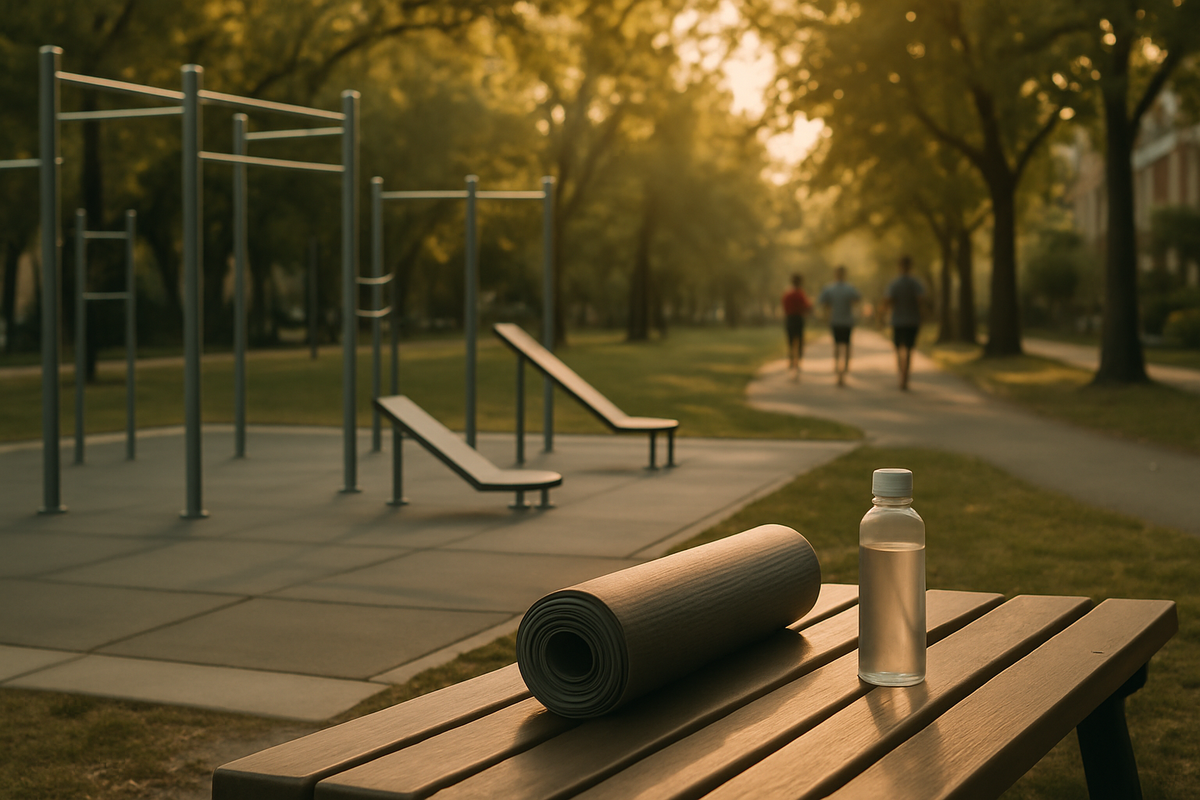
The most significant development in accessible fitness for 2026 is the rapid expansion of free public outdoor fitness infrastructure. The National Fitness Campaign is funding 5,000 free-to-use Fitness Courts across America by 2030, aiming to make world-class outdoor fitness accessible within 10 minutes of every American. The Fitness Court is a permanently installed, seven-movement bodyweight circuit built for adults of all ages, abilities, and fitness levels, requiring no power and offering digital connectivity via the free Fitness Court App.
Research from the Trust for Public Land demonstrates that neighborhoods with outdoor fitness equipment show 15 to 23 percent higher physical activity rates among residents compared to similar neighborhoods without such amenities, with particularly strong impacts in underserved communities. Across the country, municipal recreation teams are activating outdoor fitness spaces with ambassador-led programming, community events, and citywide networks that give every resident access to free fitness resources.
Numerous studies support the critical role of public parks and open spaces in improving health and wellness. Access to parks and other recreation facilities is related to higher levels of physical activity for individuals of all ages, and landmark research shows that people who use parks and open spaces are three times more likely to achieve recommended physical activity levels.
Community Classes and Subsidized Programming
Community centers and local organizations nationwide provide affordable or free fitness classes as a way to stay active while connecting with others. Municipal programs like Raleigh Parks Health & Wellness support residents through a wide range of offerings including group fitness classes, strength training, walking programs, and movement for all abilities. These classes are welcoming to all fitness levels, from complete beginners to experienced exercisers.
Nonprofit health organizations also offer free community wellness programs. EmblemHealth Neighborhood Care supports wellness goals with free fitness classes, health education, nutrition workshops, and family-friendly events right in local communities. Seasonal programs like the Beach Cities Summer Free Fitness Series offer in-person Mindful Yoga and Zumba workshops rotating between Hermosa Beach, Manhattan Beach, and Redondo Beach on designated Mondays from 6:30 to 7:30 p.m.
Fitness and wellness programs through recreation departments include a variety of affordable opportunities for ages 15 and up to try workout programs geared to individual fitness levels, ranging from Zumba to Tai Chi.
Free and Low-Cost Digital Fitness Options
Mobile apps deliver on-demand workouts, virtual coaching, and progress analytics directly to your device, democratizing professional guidance and making high-quality training available without gym memberships. Nike Training Club is one of the best free workout apps, allowing users to access a large variety of workouts, educational content, training plans, and expert guidance at no cost.
Remote personal training eliminates geographical barriers, allowing users to train anywhere, anytime. By eliminating travel and gym membership costs, this approach provides affordable access to a global network of trainers. Affordable headsets like the Meta Quest 3 and an increasing variety of platforms make VR workouts accessible to a growing audience, bringing immersive fitness experiences into home environments.
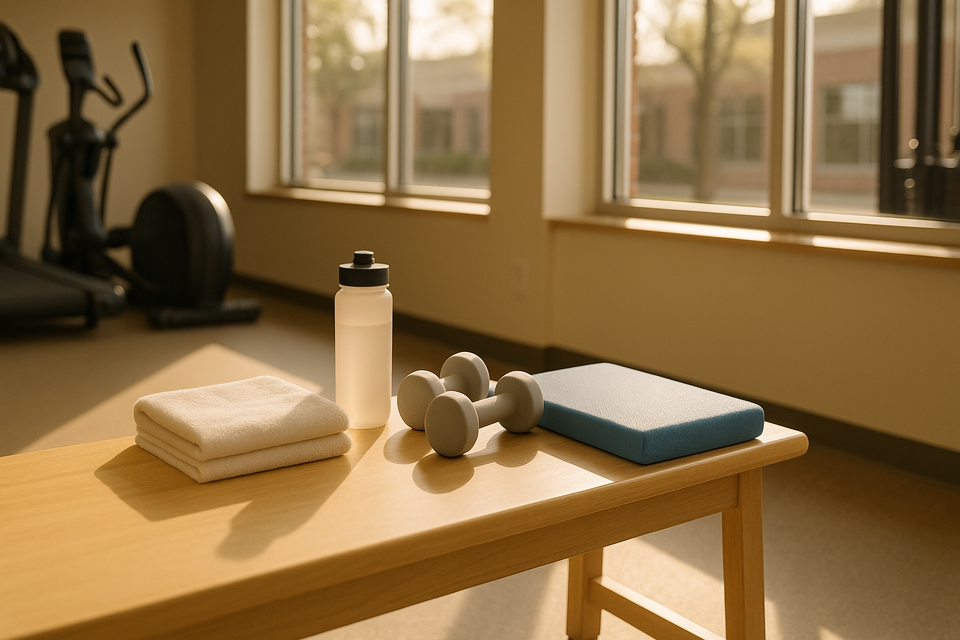
For those who prefer exercising without screens, building a small home gym remains budget-friendly. You can look for a small set of hand weights, yoga mat, or stationary bike at secondhand sports stores, Facebook Marketplace, Craigslist, or local buy/sell/trade pages. Budget home gym products mostly fall well under $100, making them ideal for anyone building an affordable gym setup in 2026.
Eating Healthy on a Budget in 2026
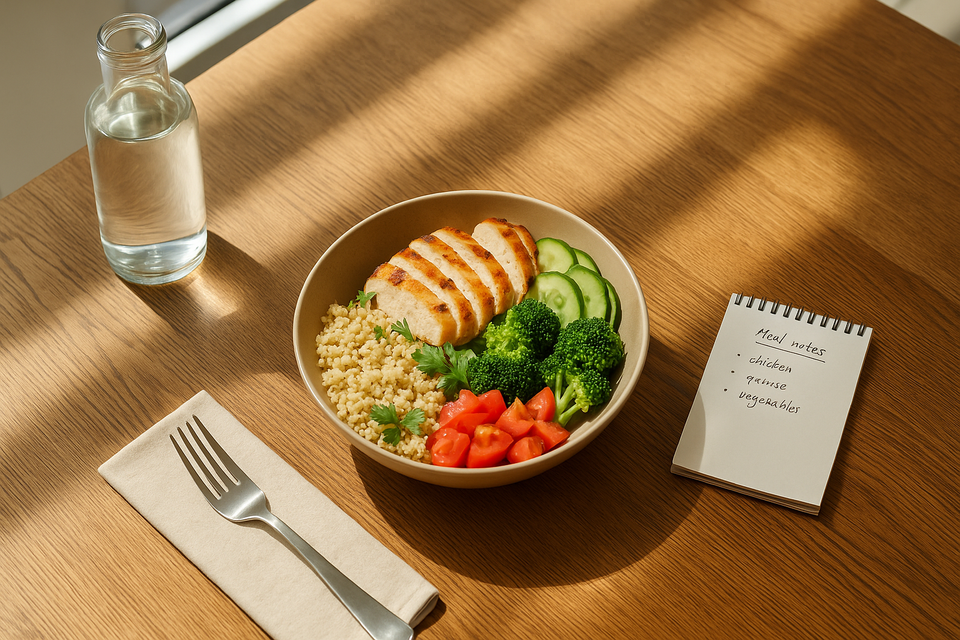
Eating healthy on a budget in 2026 is less about finding perfect discount hacks and more about repeating a simple pattern. Build meals around affordable protein, high-fiber carbs, vegetables, and small amounts of healthy fat, shop with a focused list, and reduce waste instead of chasing complicated rules.
Budget-friendly staples are loaded with nutrients, easy to find, and versatile enough to work into everyday meals. From pantry staples to fresh produce, they can offer broad health benefits at minimal cost. Some of the most nutrient-dense foods available are among the cheapest items in the supermarket, making nutritious eating accessible regardless of income level.
What This Means for Readers
Editorial analysis — not reported fact:
The financial barrier to fitness is dropping rapidly, and the options available in September 2026 give everyday Americans more pathways to consistent activity than ever before. If you're currently paying $65 or more per month for a gym you visit inconsistently, consider whether a $10 to $15 budget membership or a free outdoor Fitness Court within 10 minutes of home might better match your actual habits. The expansion of free outdoor infrastructure means that bodyweight strength circuits, cardio work, and structured programming are now genuinely accessible without monthly fees.
For parents juggling tight schedules and tighter budgets, free community classes through municipal recreation departments offer both fitness and social connection, often with childcare or family-friendly timing. Busy professionals who travel frequently or work irregular hours will find that free apps like Nike Training Club and remote personal training options remove the friction of gym hours and commute time, making 20-minute strength sessions or 30-minute cardio workouts feasible in hotel rooms, parks, or living rooms.
Building a minimal home gym for under $100 using secondhand equipment creates a permanent, no-excuse fitness space that pays for itself within two months compared to mid-range gym fees. Combine that setup with free digital programming, and you have professional-quality guidance without ongoing costs. The same practical approach applies to nutrition: focusing on affordable protein sources, high-fiber carbs, and nutrient-dense vegetables means healthy eating becomes a matter of smart shopping habits rather than premium grocery budgets.
If you have health insurance through an employer, check whether your plan includes gym discounts or wellness reimbursements. Many members leave these benefits unused simply because they don't know they exist. Similarly, if you're a student, senior, or military member, ask about discounts before signing up for any paid membership.
The core takeaway is that cost is no longer a valid reason to avoid physical activity. Whether your budget allows $10 per month, $50 per month, or truly nothing at all, there are structured, effective, and accessible options available in 2026. The challenge shifts from affordability to consistency, and that's a challenge worth tackling.
Sources & Further Reading
- Planet Fitness membership options and pricing — details on Classic plan and included amenities
- Crunch gym membership tiers and costs — single-club and multi-club access pricing
- National Fitness Campaign and Fitness Court initiative — free outdoor fitness infrastructure expansion and 2030 goals
- Trust for Public Land research on outdoor fitness equipment — physical activity rate impacts in neighborhoods with public fitness amenities
- Raleigh Parks Health & Wellness programs — municipal fitness classes, strength training, and walking programs
- EmblemHealth Neighborhood Care community wellness — free fitness classes and health education events
- Nike Training Club app — free workouts, training plans, and educational content
Editorial coverage of publicly reported health, fitness, wellness, nutrition, and active living developments. Move Weekly has no commercial relationship with any companies, gyms, studios, brands, events, experts, products, or organizations named.