From Routines to Rituals: Daily Habits Americans Built in 2026
Morning routines are getting shorter and more intentional in 2026. Hydration before coffee, 10-minute movement, habit stacking, journaling, and phone-free evenings are replacing extreme optimization.
Key Takeaways
- Morning routines have shifted toward simplicity: 43% of Americans say drinking coffee is the most important part of their morning, followed by exercise (32%) and showering (26%), with the most effective routines prioritizing 10-20 minutes of intentional movement over hour-long workouts.
- Hydration before caffeine matters: Drinking water—ideally with electrolytes or lemon—before coffee helps reset the system after 7-8 hours of sleep, supports cognitive function, and prevents cortisol spikes that can leave you anxious and inflamed.
- Habit stacking builds consistency without motivation burnout: Researchers at Stanford University's Behavior Design Lab find that attaching new behaviors to existing automatic routines, like drinking water after waking or taking supplements after brewing coffee, creates sustainable change by eliminating the "I don't have time" barrier.
- Journaling supports measurable mental and physical health: Regularly writing down what's on your mind is linked to decreased mental distress, lower blood pressure, reduced symptoms of depression, improved immune function, and better relationships with others.
- Evening wind-down rituals replace digital overstimulation: Phone-free evenings, cozy hobby nights with reading or knitting, warm baths, and candles support melatonin production, faster sleep onset, deeper rest, and skin cell repair during overnight recovery.
- Little luxury moments define 2026 self-care: Gen Z is driving popularity of small, frequent indulgences—multi-functional skincare, sunrise alarm clocks, and transforming mundane routines into intentional rituals—that offer comfort and joy without major spending or overwhelming optimization.
Why Morning Routines Are Getting Shorter and More Intentional in 2026
The conversation around morning routines has shifted dramatically in 2026. The most effective routines aren't the longest or most disciplined, but rather the ones that are consistent, intentional, and built around how people actually live. Americans are moving away from extreme productivity hacks toward realistic, sustainable rituals that merge wellness with daily life.
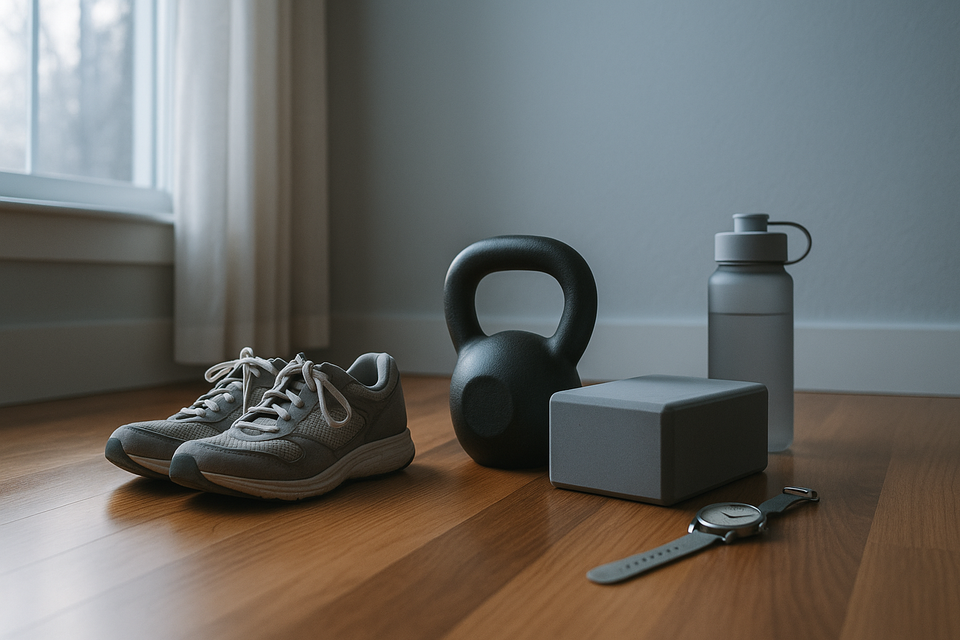
According to recent research, 43% of Americans say drinking coffee is the most important part of their morning routine, followed by exercise at 32% and taking a shower at 26%. But morning movement itself has evolved. In 2026, productivity experts increasingly recommend that ten to twenty minutes is enough—whether that's a quick strength circuit, a walk outside, mobility work, or light stretching. The goal is activation rather than intensity.
One of the most important shifts involves hydration. After 7-8 hours of sleep, the body is naturally dehydrated. Drinking a glass of water—ideally with electrolytes or lemon—before coffee helps reset the system, support cognitive function, and improve energy levels almost immediately. Eating and hydrating before caffeine matters because bodies already have cortisol in the morning, and caffeine on an empty stomach only spikes it higher, leaving you anxious and inflamed.
The Rise of Multi-Functional Morning Products and Decision Reduction
In 2026, multi-functional skincare products combining moisturizer, SPF, and antioxidants into a single step are trending, alongside sunrise alarm clocks with built-in sound machines. The shift reflects a deeper principle: a consistent morning routine kit isn't about aesthetics but about reducing the number of decisions you have to make before 9 a.m.
Willpower and decision-making ability are limited resources that get used up throughout the day. By streamlining morning choices—whether through simplified skincare, pre-planned workout clothes, or automatic coffee timers—people preserve mental energy for what matters most later in the day.
Low Dopamine Mornings and the Backlash Against Extreme Routines
The "low dopamine morning" routine became a TikTok trend in recent months, involving waking up early—sometimes at 4 a.m.—to "detox" from dopamine by limiting pleasurable activities like caffeine, talking to people, and listening to music. The trend has been particularly popular with people with ADHD, for whom focus can be challenging.
However, mental health professionals caution that engaging in such restrictive and extreme behavior can actually be counterproductive in reducing stress and can lead to rigidity and obsessive behaviors that harm mental health rather than help it. A more balanced approach involves stepping outside first thing in the morning, as natural sunlight—especially within the first hour after waking—sends a powerful signal to the brain that it's a new day. Digital detox before sleep is another important 2026 trend, with reducing social media usage before bedtime helping improve sleep quality and morning mental clarity significantly.
Habit Stacking: How Small Triggers Build Sustainable Change
Researchers at Stanford University's Behavior Design Lab emphasize that small behaviors are often the foundation for lasting behavior change because they're easier to sustain. Habit stacking is a strategy that helps new behaviors become part of your daily routine by attaching them to habits you already perform automatically, using existing routines as triggers for new actions rather than relying on motivation alone.
Instead of trying to overhaul your schedule to make space for fitness or wellness, habit stacking allows you to fit movement and self-care into routines you already have, eliminating the "I don't have enough time" barrier and helping build consistency. Real-world examples include drinking a full glass of water after waking up, or taking daily supplements after brewing coffee. When thinking of what habits to stack, experts recommend starting with things that are very simple, like brushing and flossing, or making coffee and meditating.
Journaling for Mental and Physical Health: What the Research Shows
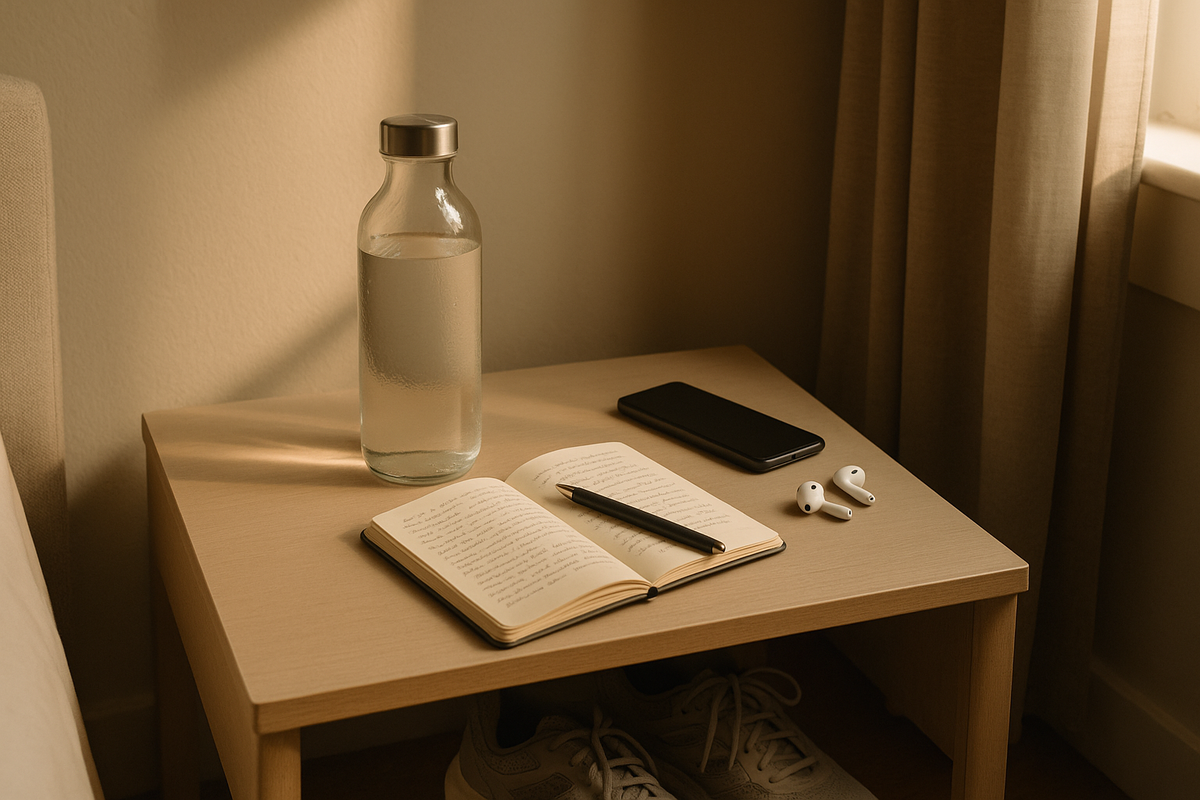
Journaling about your feelings is linked to decreased mental distress. Research shows that regularly writing down what's on your mind can help you release emotions and make sense of life events. Studies on journaling show participants reap both physical and mental health benefits, such as a boost in mood, reduced feelings of distress, improved immune function, lower blood pressure, and decreased symptoms of depression.
Journaling also can help improve relationships with others. Wellness journal templates and worksheets provide a structured way to track daily health and emotional well-being. If wellness journals previously felt either boring—same prompts every day—or overwhelming with forced positivity, newer options in 2026 are designed around emotional nuance, backing from mental health professionals, and practical support during difficult periods rather than toxic positivity.
Evening Wind-Down Rituals: From Digital Overstimulation to Restoration
Embracing soft life wind-down routines with candles and calm lighting is a significant trend in 2026, transforming evenings into a sanctuary for mental and physical restoration. Cozy hobby nights, replacing mindless social media scrolling, are growing in popularity. Activities like reading, knitting, or gentle journaling foster emotional comfort, reduce digital overstimulation, and support overall well-being.
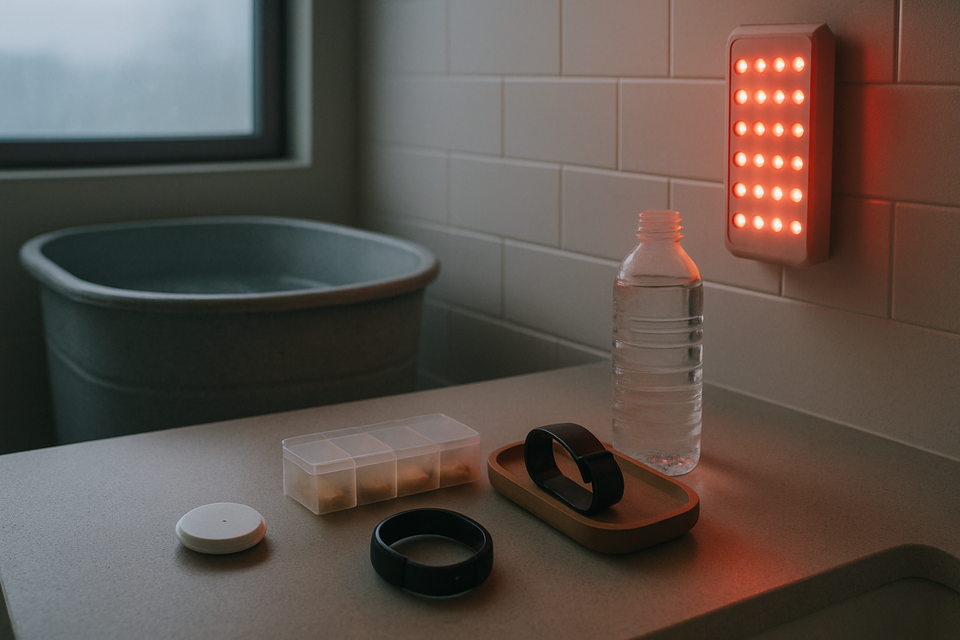
Phone-free evenings dramatically improve sleep quality by allowing the body to naturally prepare for rest. Without the stimulating effects of screens, melatonin production can proceed unhindered, leading to faster sleep onset and deeper sleep essential for skin cell repair. Warm baths, showers, and water-based relaxation are being embraced as essential evening components, offering profound physical and mental relief. The soothing properties of warm water help relax muscles, lower cortisol levels, and hydrate the skin.
While daytime skincare focuses on protection, nighttime is all about repair, recovery, and renewal. As you sleep, skin goes into overdrive with increased cell turnover, making evening skincare routines less about product application and more about creating an intentional ritual that signals the body it's time to rest.
What This Means for Readers
Editorial analysis — not reported fact:
The shift from routines to rituals in 2026 reflects a broader cultural move toward achievable, joyful daily practices rather than overwhelming optimization. For busy professionals, parents, and wellness-curious consumers, this means permission to start small. A 10-minute morning walk, a glass of water before coffee, or five minutes of journaling before bed can be more sustainable—and ultimately more effective—than ambitious overhauls that fizzle out after a week.
Habit stacking offers a practical framework for anyone who feels they "don't have time" for self-care. By linking new behaviors to existing automatic routines, you eliminate the friction of scheduling and the burden of motivation. For beginners, this might look like doing a 60-second plank after brushing your teeth, or stretching while the coffee brews.
The trend toward little luxury moments—multi-functional products, cozy hobby nights, phone-free evenings—suggests that self-care in 2026 doesn't require expensive memberships or elaborate rituals. It's about transforming mundane daily actions into intentional moments of care, whether that's lighting a candle during your evening skincare routine or choosing a print book over scrolling before bed. These small, frequent indulgences function as low-cost luxuries that offer comfort, restoration, and a sense of control in everyday life.
For those interested in journaling or morning sunlight exposure, the evidence base is solid enough to warrant experimentation. As with any wellness practice involving mental health, stress management, or sleep quality, individuals with chronic conditions or significant mental health concerns should consult a qualified healthcare professional to determine what's appropriate for their situation.
Sources & Further Reading
- National Center for Biotechnology Information: Morning routine survey data — research on Americans' most important morning habits including coffee, exercise, and showering
- Stanford University Behavior Design Lab — research on small behaviors and habit formation strategies including habit stacking
- University of Rochester Medical Center: Journaling for mental health — evidence on physical and mental health benefits of regular journaling including mood, immune function, and blood pressure
Editorial coverage of publicly reported health, fitness, wellness, nutrition, and active living developments. Move Weekly has no commercial relationship with any companies, gyms, studios, brands, events, experts, products, or organizations named.