High-Protein Snacks & Prebiotic Sodas Dominate 2026 Grocery
Nearly 61% of consumers want high-protein snacks, while prebiotic sodas doubled in size over the past year. Here's what's reshaping grocery aisles and meal delivery.
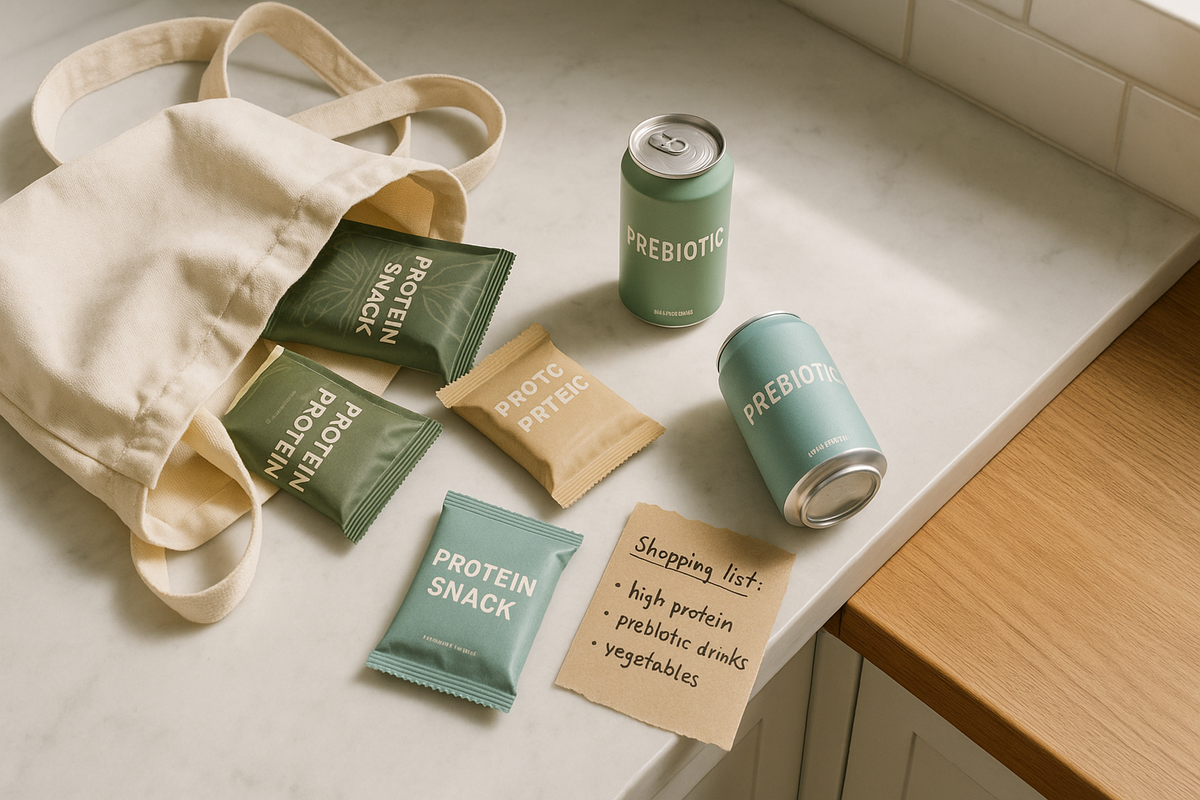
Key Takeaways
- High-protein snacks are now mainstream: Nearly 61% of U.S. consumers want snacks high in protein, and the protein snacks market is projected to reach $13.65 billion by 2032, with chips and crisps the fastest-growing format.
- Functional beverages are exploding beyond energy drinks: The North American functional beverage market is expected to reach $163.84 billion in 2026, driven by prebiotic sodas, nootropic "brain fuel" drinks, and adaptogen-infused relaxation beverages.
- Prebiotic sodas doubled in size over the past year: Coca-Cola launched Simply Pop in February 2026 to enter the fast-growing prebiotic soda category, which still represents only 2% of the $42.4 billion U.S. soft drink market.
- Meal delivery services now emphasize customization: 65% of users seek customizable meal plans as of 2026, with services like Factor, Fuel Meals, and Trifecta offering dietitian-designed, macro-balanced options for weight loss, muscle gain, and wellness goals.
- Fiber is emerging as protein's rival macronutrient: Consumers are increasingly prioritizing fiber for gut health, while clean-label expectations mean simply adding protein to a product no longer guarantees success.
Why High-Protein Snacks Moved From Specialty to Everyday Staple
Nearly half of U.S. consumers now snack three or more times daily, and 61% say they want snacks high in protein. That shift is reshaping grocery aisles nationwide. The global protein snacks market is projected to nearly double in value, reaching $13.65 billion by 2032, driven by consumers seeking foods that deliver both satisfaction and function.
What matters most is how protein is showing up. Bars remain core performers, but the fastest growth is happening in everyday formats like chips, crisps, baked bites, and drinkable or plant-based proteins. Chips and crisps are the fastest-growing product type, pairing the world's most popular snack format with high-protein functionality. Brands such as Bare and Quest Chips are pioneering protein-rich chips and crisps, while protein-packed nuts and seeds are gaining traction among millennials.
Real-world behavior backs this up. Protein-forward snack conversations have increased by 17% over the past 12 months, with low-sugar pairings over-indexing among Gen Z and Millennial audiences. One in five high-protein snack buyers repurchase within 30 days, signaling that these products are becoming routine fuel rather than occasional indulgence.
A cautionary note for shoppers: adding protein doesn't automatically mean a product is healthy. Industry sources report a "graveyard" of high-protein products that failed because they didn't meet consumers' clean-label expectations, sourcing standards, or brand alignment.
Prebiotic Sodas and Brain-Fuel Drinks Redefine Functional Beverages
The North American functional drinks market is projected to grow from $151.80 billion in 2025 to $163.84 billion in 2026, driven by consumers seeking beverages that offer benefits beyond basic hydration. While energy drinks hold the largest market share at 40.6% in 2026, the most dynamic growth is happening in prebiotic sodas, nootropic drinks, and adaptogen-infused relaxation beverages.
In February 2026, Coca-Cola entered the prebiotic soda market with Simply Pop, a functional beverage targeting health-conscious consumers. The category has doubled in size over the past year, yet still makes up only 2% of the $42.4 billion U.S. soft drink market, signaling significant room for expansion.
The market landscape is shifting in three key ways. First, "brain fuel" nootropics are replacing traditional caffeine, with ingredients like lion's mane mushroom, L-theanine, and ashwagandha appearing in ready-to-drink formats. Second, prebiotic sodas are displacing conventional soft drinks among wellness-focused consumers. Third, the "sober curious" movement is driving demand for adaptogenic relaxation beverages that manage stress and support cognitive performance without alcohol.
Consumer perception matters. 88% of consumers consider protein ready-to-drink beverages as healthy or neutral, compared to just 30% for energy drinks, reflecting growing scrutiny of ingredient labels and functional claims.
Meal Delivery Services Now Compete on Customization and Macro Precision
"Fitness meals near me" has become one of the most searched phrases in 2026, and demand for convenient, nutritious meals has skyrocketed as consumers balance busy schedules with specific fitness goals. The meal delivery market now offers genuine differentiation beyond basic convenience.
Factor is recognized as the best healthy meal delivery service overall in 2026, offering high-protein, dietitian-approved meals with at least two fruits or vegetables per dish. Fuel Meals was named the best overall high-protein meal delivery service in April 2026, with dedicated plans for muscle gain and weight loss catered to both men and women, featuring easy prep, meal variety, and balanced macros.
Trifecta earned recognition for weight loss and overall wellness thanks to its comprehensive approach, offering macro-balanced prepared meals alongside tracking tools and community forums. The service features high-quality plant- or animal-based proteins, healthy fats, and plenty of fresh produce, most of which is organic and sourced from small local farms using free-range, humane methods and responsibly wild-caught seafood.
Two consumer trends are reshaping the category in 2026. First, services are moving away from mandatory subscriptions, giving consumers more flexibility. Second, 65% of users now seek customizable plans, moving past one-size-fits-all menus to accommodate specific macro targets, dietary preferences, and training goals.
Fiber Emerges as Protein's Rival Macronutrient for Gut Health
While protein continues to dominate snack and meal formulations, fiber is emerging as a priority macronutrient as consumers increasingly understand its role in maintaining good gut health. This shift is closely tied to the explosion of prebiotic sodas and probiotic-rich functional beverages that emphasize digestive wellness.
The convergence of fiber and protein is creating a new standard for "functional" foods. Consumers are no longer satisfied with single-benefit products. Instead, they're seeking snacks and meals that deliver multiple wellness outcomes, from sustained energy and satiety to digestive support and immune function.
For grocery shoppers, this means reading labels more carefully. Products that combine high protein with meaningful fiber content, clean ingredient lists, and transparent sourcing are outperforming those that rely on protein alone. The "graveyard" of failed high-protein products serves as a reminder that consumers now expect holistic nutrition, not isolated macros.
What This Means for Readers
Editorial analysis — not reported fact:
If you're navigating the grocery aisle in 2026, the explosion of high-protein snacks, functional beverages, and meal delivery options offers genuine convenience, but it also demands sharper label literacy. Not every product labeled "high-protein" or "functional" meets clean-label standards or delivers meaningful nutrition beyond a single macro. Look for snacks that pair protein with fiber, functional beverages with transparent ingredient lists, and meal services that allow customization to match your training goals.
For everyday active adults, the practical win is time. Protein chips can replace less-satisfying snacks during busy workdays. Prebiotic sodas offer a tangible alternative to conventional soft drinks without sacrificing flavor. Meal delivery services like Factor, Fuel Meals, and Trifecta eliminate meal prep while supporting muscle gain, weight loss, or general wellness, provided you choose a plan that aligns with your macros and budget.
For beginners or wellness-curious consumers, the current market makes it easier than ever to build nutrition habits that support movement and recovery. Start with one category, whether it's swapping your afternoon snack for a high-protein option, trying a prebiotic soda instead of regular soda, or testing a week of meal delivery to understand portion sizes and macro balance. The key is treating these products as tools, not shortcuts, and pairing them with whole foods, hydration, and consistent movement.
As always, if you have specific health conditions, dietary restrictions, or nutrition questions tied to medical needs, consult a registered dietitian or healthcare professional before making significant changes to your eating patterns.
Sources & Further Reading
- Datassential protein snacks market research — consumer preferences and snacking frequency data
- Business Research Insights protein snacks market report — global market projections through 2032
- Food Business News on chips and crisps growth — format innovation in protein snacks
- Expert Market Research North America functional drinks market — 2025-2026 market size and growth drivers
- Business Research Insights functional drinks market report — energy drinks market share and consumer perception data
- Coca-Cola Simply Pop launch announcement — February 2026 prebiotic soda market entry
- Health.com best healthy meal delivery services — Factor and other top-rated services in 2026
- Health.com Fuel Meals review — April 2026 high-protein meal delivery evaluation
- Health.com Trifecta review — weight loss and wellness meal delivery assessment
Editorial coverage of publicly reported health, fitness, wellness, nutrition, and active living developments. Move Weekly has no commercial relationship with any companies, gyms, studios, brands, events, experts, products, or organizations named.