How Adaptive Fitness Is Reshaping American Gyms in 2026
Specialized adaptive gyms, sensory-friendly design, and new certifications are making strength training accessible for neurodivergent individuals, plus-size bodies, and beginners.
Key Takeaways
- Adaptive fitness market growth: The US fitness platforms for disabled market reached USD 1.06 billion in 2025 and is projected to hit USD 1.12 billion in 2026, reflecting surging demand for accessible exercise options nationwide.
- Specialized adaptive gyms are expanding: Facilities like Inclusive Fitness in Massachusetts, Inclusively Fit in Michigan, and Special Strong serve neurodivergent individuals, people with intellectual and developmental disabilities, cerebral palsy, Down syndrome, autism, ADHD, and stroke survivors with individualized programming and sensory-friendly environments.
- Professional certification programs now available: The American College of Sports Medicine partnered with NCHPAD to offer an Inclusive Fitness Specialist Certificate Course, while new credentials cover size-inclusive training and neurodiverse group fitness instruction.
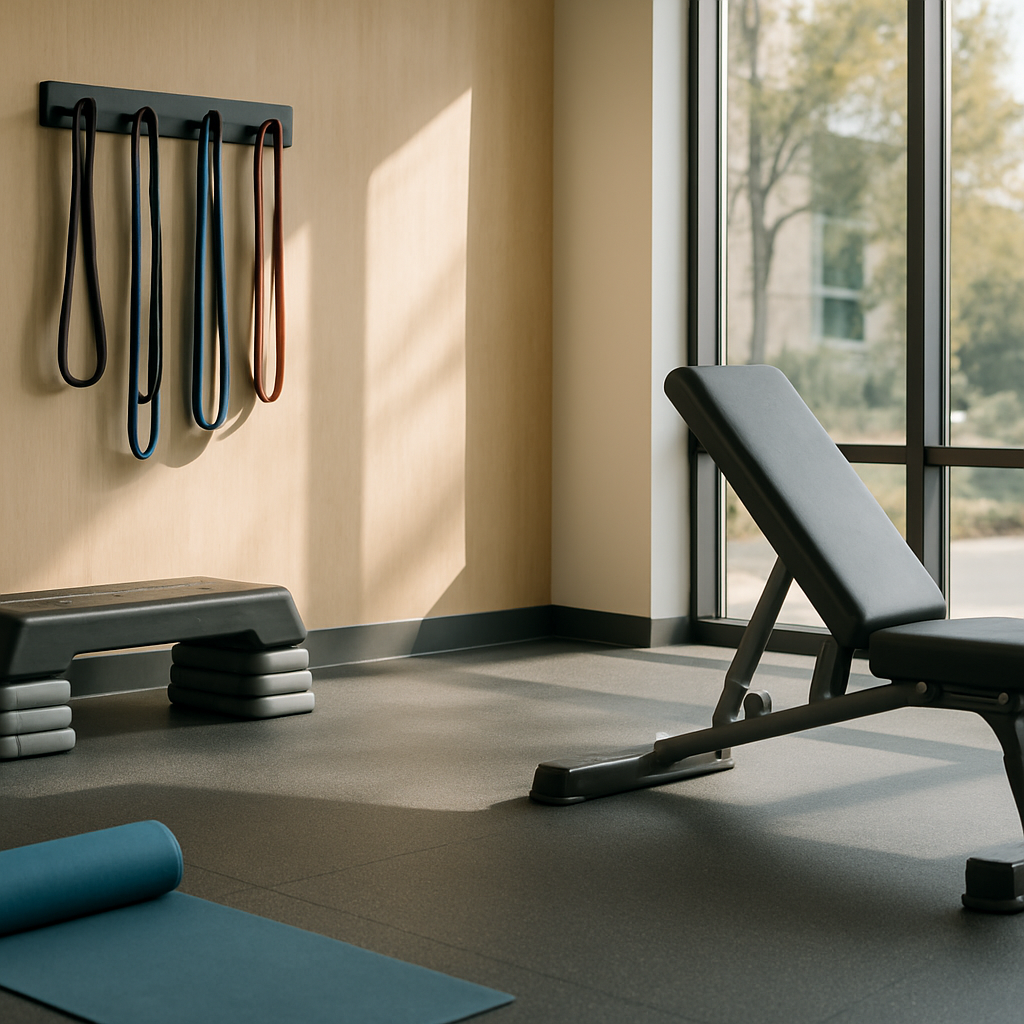
- Sensory-friendly design reduces barriers: Adaptive gyms incorporate natural light, sound-absorbing materials, calm zones, private changing areas, and consistent lighting temperatures to support neurodivergent clients and reduce sensory overwhelm.
- Plus-size and body-positive fitness studios eliminate intimidation: Companies like Power Plus Wellness and All Bodies Strong offer movement classes, aerial yoga, water aerobics, and reformer Pilates in spaces with no diet talk, no mirrors, and expert coaching for fat bodies and full-figured individuals.
- Inclusive gyms drive business results: When clients feel seen and supported, they stay longer and refer friends, making accessibility both an ethical imperative and a revenue strategy for fitness operators in 2026.
Why Adaptive and Inclusive Fitness Is Reshaping American Gyms in 2026
For decades, traditional gyms systematically excluded people with disabilities, neurodivergent individuals, plus-size bodies, and beginners. In 2026, a new wave of specialized facilities, certification programs, and equipment innovations is finally addressing that gap. The US fitness platforms for disabled market was valued at USD 1.06 billion in 2025 and is projected to reach USD 1.12 billion in 2026, signaling massive consumer demand for accessible fitness options.
This shift isn't just ethical. Inclusive gyms and trainers attract more diverse clientele, and when clients feel seen, they stay longer and tell their friends. Trainers can now expand their offerings through adaptive programs, trauma-informed coaching, or services for older adults, neurodivergent clients, or beginners, reshaping the entire fitness industry's approach to who belongs in the weight room.
How Specialized Adaptive Gyms Are Serving Underserved Communities
Adaptive gyms are expanding nationwide to serve populations that mainstream facilities have overlooked. Inclusive Fitness relocated from its longtime West Roxbury location to a new adaptive fitness center at 460 Providence Highway in Dedham, Massachusetts, and today serves teens and adults throughout Greater Boston from its Dedham and Burlington locations. The facility provides adaptive fitness, functional strength training, and expert coaching for autistic and neurodivergent athletes, as well as individuals with intellectual and developmental disabilities.
Inclusively Fit operates a 5,000-square-foot professionally staffed and fully equipped fitness center in Sterling Heights, Michigan, designed with the special needs community in mind. The gym serves clients with autism, ADHD, cerebral palsy, cognitive impairments, Down syndrome, and youth obesity. Special Strong, launched in 2016 by Daniel and Trinity, is one of the only fitness centers in the country specializing in adaptive and inclusive fitness training for individuals with mental, physical, and cognitive challenges. Special Strong personal trainers have proudly served over 1,500 clients with conditions including autism, cerebral palsy, Down syndrome, multiple sclerosis, traumatic brain injuries, stroke survivors, spina bifida, and paraplegia.
Mission-oriented nonprofits are also scaling access. Adaptive Training Academy, founded in 2012 by a service-disabled veteran, provides real-world education via live seminars and online courses, as well as grant funding and guidance to support the creation and operation of adaptive programs in gyms across the world. Through a generous grant from the Colorado Disability Opportunity Office, NeuAbility offers training and tools to gyms and recreation centers to create more adaptive environments through a specialized training and adaptive exercise tools program.
Neurodivergent-Specific Fitness Design and Sensory-Friendly Environments
Unlike typical gyms, neurodivergent-friendly facilities prioritize accessibility, individualized programming, sensory-friendly environments, and welcoming communities where every athlete can succeed. According to Inclusive Fitness, every athlete deserves a space where they're respected, challenged, and supported physically, mentally, and emotionally. Their facilities include private changing areas, calm zones, and a layout that is intentionally sensory-considerate to reduce overwhelm and support regulation.
Sensory-friendly elements include ample natural light, non-distracting color schemes, and sound-absorbing materials to create a calming atmosphere. Harsh lighting can be a major sensory barrier, so gyms should consider offering dimmed or low-light zones, reducing strobe-style or rapidly changing studio lighting, or using consistent lighting temperatures across spaces. These simple but high-impact changes make a significant difference for neurodivergent clients.
Adaptive fitness integrates structured exercise routines with sensory-friendly techniques, motor skill development, and individualized programming to help neurodiverse individuals build strength, coordination, and confidence. Regular exercise has been proven to alleviate ADHD symptoms, improving focus, reducing hyperactivity, and enhancing cognitive function, making it an essential component of ADHD management.
Professional Certifications Equip Trainers for Inclusive Coaching
The fitness industry is responding with new professional credentials. The American College of Sports Medicine partnered with the National Center on Health, Physical Activity and Disability to bring the Inclusive Fitness Specialist Certificate Course, an online program designed to equip fitness professionals with the skills and knowledge needed to create inclusive, safe, and effective fitness environments for people with disabilities.
With over 70% of U.S. adults living in larger bodies according to the National Institute of Diabetes and Digestive and Kidney Diseases, the Size Inclusive Fitness Specialist program prepares trainers to work with an underserved market by offering inclusive training methods rooted in a weight-neutral, body-positive approach. Glassbox Fitness offers a Neurodiverse Group Classes certification that equips trainers with the skills to lead in-person group fitness classes specifically tailored for neurodiverse populations, with trainers gaining expertise in group dynamics, inclusive coaching techniques, and modification strategies for different ability levels.
Plus-Size and Body-Positive Fitness Spaces Eliminate Diet Talk and Intimidation
Plus-size and body-positive fitness studios are creating welcoming spaces that eliminate the intimidation and judgment many full-figured individuals experience in traditional gyms. Power Plus Wellness, founded by Jessie Diaz-Herrera and Maddy Jones, is a Latina-owned wellness company creating private movement classes and immersive experiences for fat bodies to live freely. They offer events and private classes like aerial yoga, water aerobics, reformer Pilates, dance classes, and expert-led talkbacks on topics that matter to their community.
All Bodies Strong is a gym with no diet talk, no mirrors, and expert coaches who make members feel comfortable no matter their skill level. For many full-figured individuals, the greatest barrier in making a commitment to health and fitness is finding size-inclusive gym options minus the stares, intimidation, and lack of assistance for modifications. Body-positive gyms allow members to be any size, enjoy a fitness routine, and push their body to the limit.
Louise Green has been coaching plus-size athletes since 2008 and offers several online coaching programs to help athletes reach their athletic goals, including the BIG FIT GIRL app.
Beginner-Friendly Strategies That Lower the Barrier to Strength Training
Most people who want to start strength training have no idea where to begin and are quietly intimidated by the free weight area. If a gym's squat rack section feels like a private club, they're leaving people out. Coaching cues posted near equipment, beginner-friendly strength classes on the schedule, and coaches who actively greet newer members in the weight room go a long way toward reducing intimidation.
Gyms that prioritize accessibility for beginners recognize that small design and staffing choices can dramatically lower the psychological barrier to entry, helping more people build the confidence to start lifting weights.
What This Means for Readers
Editorial analysis — not reported fact:
If you've ever felt unwelcome in a traditional gym, skipped a workout because the weight room felt too intimidating, or struggled to find a trainer who understands your body or neurodivergent needs, 2026 is bringing real options. Adaptive and inclusive fitness facilities are no longer niche experiments. They're a growing, economically viable sector that recognizes you deserve expert coaching, safe equipment, and a community that respects your goals.
For parents of neurodivergent kids, adults managing ADHD or autism, plus-size individuals tired of diet culture, stroke survivors rebuilding strength, or anyone who's been told they don't fit the gym mold, specialized adaptive gyms and certified inclusive trainers offer a fundamentally different experience. You can find sensory-friendly spaces with calm zones and private changing areas, body-positive studios with no mirrors and no diet talk, or beginner strength programs that meet you where you are.
If you're a fitness professional, the new certification programs from ACSM, Glassbox Fitness, and size-inclusive training organizations offer concrete tools to serve clients traditional gyms have overlooked. The business case is clear: inclusive gyms retain members longer and benefit from word-of-mouth referrals when clients feel truly seen and supported.
Before starting any new exercise program, especially if you have a disability, chronic condition, or are managing a neurodivergent diagnosis, consult a qualified healthcare professional or certified adaptive fitness specialist to design a safe, individualized plan.
Sources & Further Reading
- US fitness platforms for disabled market report — market valuation and 2026 growth projections
- Adaptive Training Academy — nonprofit providing education, seminars, and grant funding for adaptive gym programs
- NeuAbility — Colorado-based organization offering training and adaptive exercise tools for gyms and recreation centers
- Inclusive Fitness — adaptive fitness center in Massachusetts serving neurodivergent athletes and individuals with intellectual and developmental disabilities
- Inclusively Fit — Michigan fitness center designed for the special needs community
- Special Strong — adaptive fitness center serving over 1,500 clients with mental, physical, and cognitive challenges
- American College of Sports Medicine Inclusive Fitness Specialist Certificate Course — online certification program for fitness professionals
- National Institute of Diabetes and Digestive and Kidney Diseases — data on U.S. adults living in larger bodies
- Glassbox Fitness Neurodiverse Group Classes certification — credential for trainers leading neurodiverse group fitness classes
- Power Plus Wellness — Latina-owned wellness company offering private movement classes for fat bodies
- All Bodies Strong — body-positive gym with no diet talk and no mirrors
- Louise Green coaching and BIG FIT GIRL app — online coaching programs for plus-size athletes
Editorial coverage of publicly reported health, fitness, wellness, nutrition, and active living developments. Move Weekly has no commercial relationship with any companies, gyms, studios, brands, events, experts, products, or organizations named.