Recovery Is No Longer Optional: How Americans Rest in 2026
From DOMS science to wearables and foam rollers, Americans are redefining recovery as a core fitness strategy focused on longevity, not just performance.
Key Takeaways
- Recovery mindset shift: Americans are moving away from "no days off" culture toward structured rest days, sleep optimization, and mobility work, with longevity and healthy aging now outpacing physique goals as top fitness motivations in 2026.
- DOMS timing and duration: Delayed onset muscle soreness typically peaks 48 to 72 hours after intense or unfamiliar exercise and can last five to seven days, but is not harmful and signals your body is adapting to new demands.
- Evidence-based recovery tools: Active recovery, massage, compression garments, and foam rolling show small to large decreases in soreness, while textured and firmer foam rollers outperform smooth versions for lower limb muscle recovery.
- Consumer recovery market explosion: Recovery has evolved into a full consumer routine spanning foam rollers, massage guns like the Hyperice Hypervolt 2 and Theragun Prime, compression boots, cold plunge tubs, and infrared saunas as Americans build layered recovery stacks.
- Wearables drive personalized rest: Nearly half of U.S. adults now own fitness trackers or smartwatches, with devices like Oura, WHOOP, and Garmin providing heart rate variability, sleep tracking, and recovery scores to guide daily training load decisions.
- Muscle repair happens during rest: Research confirms that strength gains and muscle repair occur during recovery periods, not while training, making adequate rest essential for sustainable progress over time.
Why Recovery Became a Priority in 2026
Recovery protocols like structured rest days, sleep optimization, foam rolling, and tech-assisted aids have become standard parts of training regimens in 2026. According to National Academy of Sports Medicine survey data, clients are no longer driven primarily by how they look, but by how they live, with longevity and healthy aging now the fastest-growing client goals, outpacing traditional physique motivations. This marks a fundamental cultural shift away from "no days off" mentality.
The rise of JOMO (the joy of missing out) reflects this transition. ACE Fitness reports that pressure is being rejected in favor of balance and joy, as older adults redefine what "active" looks like and fitness providers emphasize that rest and recovery are equally important for sustainable progress. Gyms are now offering guided stretching, mobility classes, red light therapy, and modern recovery tools that fit how people really train.
When members and trainers talk about recovery in 2026, they're increasingly focused on "health span," staying strong, mobile, and energized as we age. Consumer interest reflects this urgency: muscle recovery searches are up 351% year over year, signaling that recovery is now a consumer decision, a product category, and a defining part of modern fitness culture.
Understanding DOMS: What Happens When Muscles Repair
DOMS (Delayed Onset Muscle Soreness) is that familiar, aching stiffness that hits 24 to 72 hours after a workout, especially after something intense or unfamiliar. After eccentric activity, soreness usually starts to manifest eight to 24 hours later and peaks 48 to 72 hours later. Research on people with DOMS has found that it can last for five to seven days.
Importantly, DOMS is not usually harmful or dangerous. It's often an accidental side effect of pushing your body into new territory. A review in the Journal of Strength and Conditioning Research highlighted how muscle repair and strength gains happen during recovery, not while you're training. Getting enough rest helps you keep improving, but pushing too hard without proper recovery can slow you down over time.
What the Science Says About Recovery Methods
Not all recovery techniques are created equal. Research published in Frontiers in Physiology found that active recovery, massage, compression garments, immersion, contrast water therapy, and cryotherapy induced a small to large decrease in DOMS, while other methods showed no change. Massage research has shown that it is quite useful for recovery and can decrease DOMS, though it doesn't help restore function more quickly despite reducing pain.
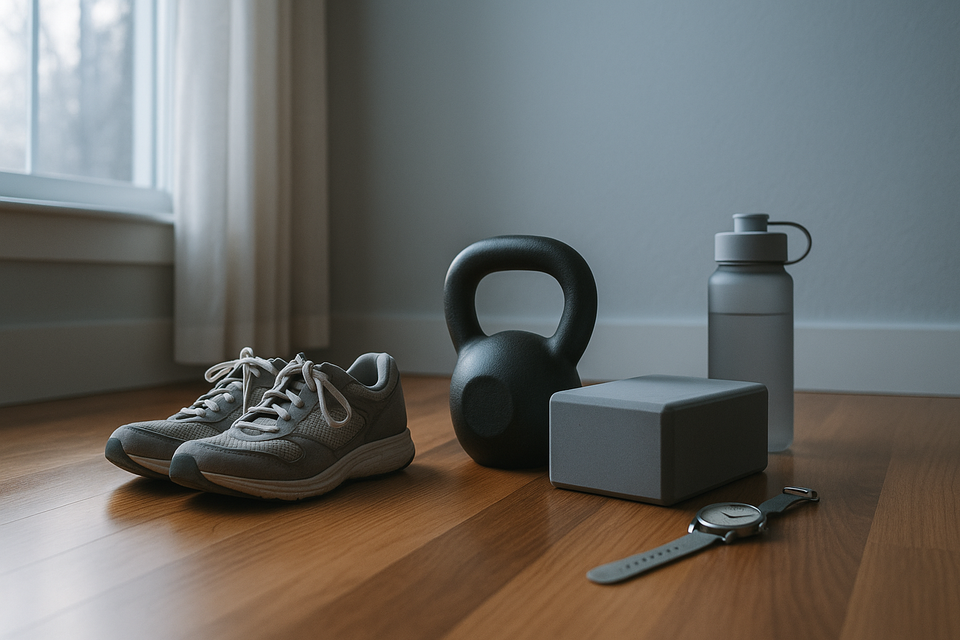
Foam rolling has earned its place in recovery routines with solid evidence. Textured foam rollers produce greater skin temperature increases and faster recovery responses than smooth rollers, and firmer foam rollers provide superior DOMS relief for lower limb muscle recovery. Foam rollers, massage sticks, and targeted balls consistently outperform battery-powered gadgets for daily recovery.
However, the scientific evidence on vibrating foam rollers and massage guns for DOMS is limited. While it's conceivable that vibration is useful, it hasn't actually been demonstrated yet, and it's very unlikely that it's a dramatic effect. That said, massage guns remain popular consumer tools for targeted soft tissue work.
The Recovery Tools Americans Are Actually Buying
Recovery has evolved from a post-exercise ritual into a full consumer routine spanning nutritional support, active recovery tools, and passive recovery practices. Consumers are building layered recovery stacks across supplements, tools, and sleep rituals. The TriggerPoint Grid Foam Roller stands out as the best overall choice for its versatility and deep tissue benefits.
Massage guns saw a notable peak in May 2025, suggesting a product launch or seasonal trend that significantly boosted consumer interest. Popular options include the Hypervolt 2 from Hyperice, a three-speed cordless massage gun that can run for about three hours when fully charged and can be used with the Hyperice app for guided recovery sessions. The Theragun Prime is recommended as the best overall massage gun for people who want powerful percussion without an exorbitant price tag.
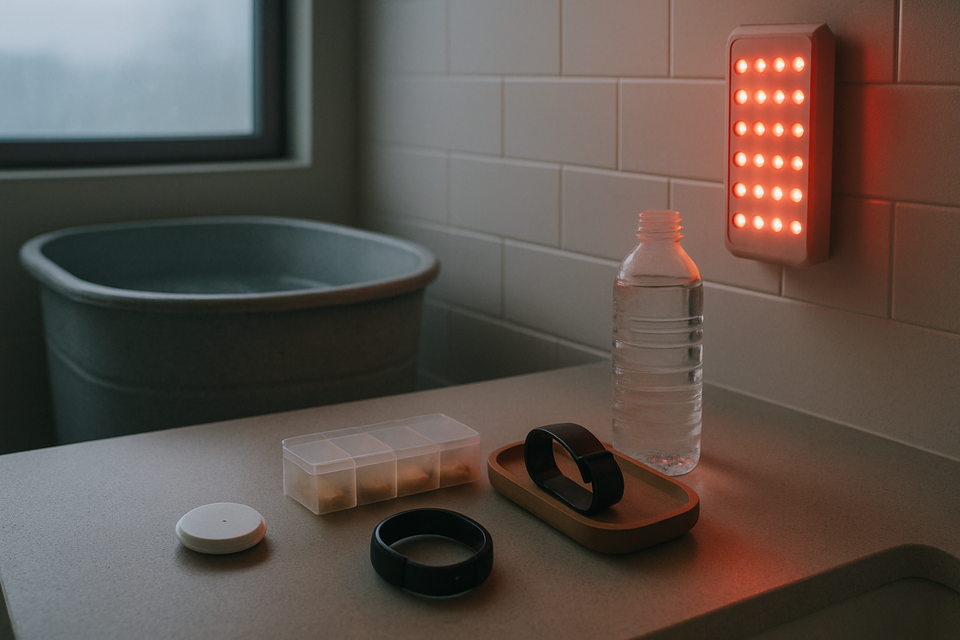
Beyond handheld tools, compression boots, cold plunge tubs, and infrared saunas are becoming common as the consumer recovery market has exploded with members actively seeking them out. Foam rollers maintain relatively stable search interest throughout the year, suggesting a consistent baseline demand for this more traditional recovery tool.
How Wearables Are Turning Recovery Into Personalized Data
Nearly half of U.S. adults now own a fitness tracker or smartwatch, so the question is no longer whether people will use wearables. What matters now is teaching people how to use them in ways that best support their health and behavior change. Wearables are no longer a niche thing: members are already tracking their sleep, stress, heart rate variability, and recovery scores before they even walk through a gym door.
Oura leads in raw HRV and sleep tracking accuracy according to peer-reviewed studies, while WHOOP offers the most integrated strain-to-recovery loop, making it the strongest choice for athletes who train hard and want daily load management. Garmin is the best value long-term with no subscription, and its Training Readiness feature has closed much of the recovery gap with WHOOP and Oura.
Both WHOOP and Oura track HRV continuously, and a 2019 review published in Frontiers in Physiology confirmed that nocturnal HRV correlates significantly with sleep quality, cognitive performance, and physical recovery. Advanced wearable devices and apps now use artificial intelligence to provide personalized training guidance and recovery insights, assessing sleep quality, training load, and heart rate variability.
What This Means for Readers
Editorial analysis — not reported fact:
If you've been training hard without taking rest seriously, 2026 is the year to rethink that approach. The data and consumer behavior patterns are clear: recovery is no longer optional, and it's not a sign of weakness. It's a strategic component of long-term fitness that helps you stay strong, mobile, and injury-free for decades.
For everyday fitness consumers, this shift opens practical doors. You don't need a $400 massage gun or a $300-per-month WHOOP subscription to recover well. A firm, textured foam roller and a consistent mobility routine will get you meaningful results. If you're already using a Garmin or Apple Watch, explore the recovery metrics you're already collecting. If soreness lasts more than a week or limits your daily function, consider consulting a physical therapist rather than pushing through.
For busy professionals and parents, recovery can be as simple as scheduling one or two true rest days per week, prioritizing seven to eight hours of sleep, and using a foam roller for 10 minutes after strength sessions. For active older adults, the focus on health span and longevity means recovery work like stretching, walking, and soft tissue care can help you stay active and independent longer.
The "no days off" mentality is fading because it doesn't work for most people over time. Recovery is how you build a fitness practice that lasts.
Sources & Further Reading
- National Academy of Sports Medicine: Fitness Trends — Survey data on client goals shifting toward longevity and healthy aging
- ACE Fitness: Fitness Trends 2026 — Analysis of JOMO, balance, and recovery emphasis in fitness culture
- Men's Health: Delayed Onset Muscle Soreness Explained — Overview of DOMS timing, duration, and causes
- Health: DOMS — Research on soreness duration and recovery timelines
- Journal of Strength and Conditioning Research: Muscle Repair During Recovery — Peer-reviewed review on rest and strength gains
- Frontiers in Physiology: Recovery Methods and DOMS — Evidence on active recovery, massage, compression, and cryotherapy
- Men's Health UK: Best Way to Ease DOMS — Summary of massage research for recovery
- Men's Health UK: Best Foam Rollers — Comparison of textured vs. smooth, firm vs. soft foam rollers
- Tom's Guide: Best Massage Guns — Review of Hypervolt 2 and other massage gun options
- Men's Health: Best Massage Guns — Theragun Prime recommendation and features
- CNET: Best Fitness Trackers — Comparison of Oura, WHOOP, and Garmin for recovery tracking
- Frontiers in Physiology: HRV and Sleep Quality — Peer-reviewed review linking nocturnal HRV to recovery and cognitive performance
Editorial coverage of publicly reported health, fitness, wellness, nutrition, and active living developments. Move Weekly has no commercial relationship with any companies, gyms, studios, brands, events, experts, products, or organizations named.