Weekend Wellness Plans: Fitness, Brunch, Recovery in 2026
From Saturday run clubs and hiking to protein-packed brunch spots and Sunday recovery rituals, here's how to balance active pursuits, nutrition, and rest every weekend.
Key Takeaways
- Community run clubs and group workouts are now a top-20 fitness trend in 2026, with free or low-cost Saturday morning clubs meeting in major cities nationwide and ending at local coffee shops, making social fitness an accessible weekend anchor.
- Walking has become the second most popular weekend activity in 2025, with trends like the 6-6-6 walking challenge and Japanese walking seeing search interest surges of nearly 3,000 percent heading into 2026.
- Spending at least 120 minutes per week in nature enhances mental wellbeing and general health by lowering cortisol levels, with hiking offering cardiovascular benefits alongside mental clarity and reduced anxiety.
- Healthy brunch culture shifted decisively in summer 2026 toward lifestyle-driven dining experiences, with protein-packed options like cottage cheese, poached eggs, and Greek yogurt dominating menus alongside alcohol-free mocktails and artisanal kombuchas.
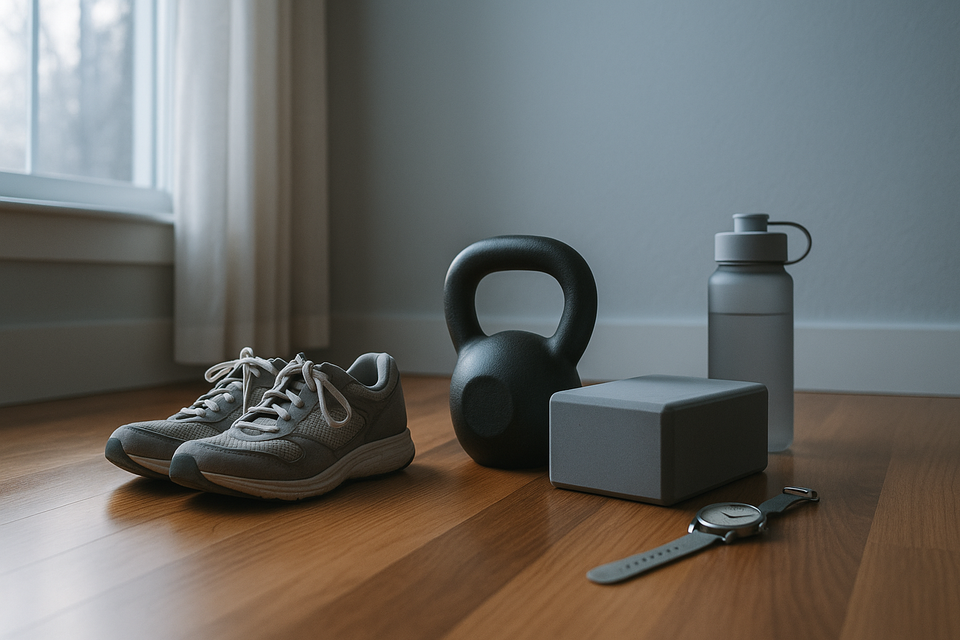
- Recovery is now essential, not optional, with fitness experts recommending one to two rest days per week and a balanced approach of 2-3 days higher-intensity training, 2-3 days active recovery like walking or yoga, and one day of restorative breathwork or bodywork.
- Fitness festivals and city events are reshaping weekend wellness calendars, with major gatherings like FitFest Tampa Bay, Music City Fit Expo, and Motor City Fit Fest scheduled throughout 2026 as community-driven opportunities for movement and connection.
Community Workouts Make Weekends Social and Active
Adult recreation and sport clubs, including community-based fitness groups like running clubs, cycling clubs, and recreational leagues, entered the top 20 fitness trends for the first time in 2026, reflecting a fundamental shift toward social fitness outside traditional gym settings. Run clubs are now endemic to major US cities, with evidence from Portland, San Diego, Philadelphia, New York, Detroit, Denver, Charlotte, Grand Rapids, Austin, and beyond showing that social running clubs meet every Saturday morning with runners of varying abilities, ending runs at local coffee shops.
In 2026, community-driven training is thriving as more people turn to group workouts and fitness communities for both social connection and motivation. Exercising in a group has been shown to significantly improve adherence to fitness routines. These groups span all demographics and pace levels, from women's collectives to LGBTQ+ communities to neighborhood-based clubs. Many are free or low-cost, making them accessible weekend anchors for everyday consumers seeking both exercise and belonging.
Walking Trends Reshape Weekend Movement
Walking has quietly become a dominant weekend wellness activity. Strava's Year in Sport Trend Report saw walking as the second most popular sport of 2025, just behind running when it comes to the total number of users recorded, with other walking trends on the rise in 2026 including the 6-6-6 walking challenge and walking yoga, which saw a 2,414 percent increase in search from 2024 to 2025.
In PureGym's annual fitness report, "Japanese walking" saw a staggering 2,986 percent surge in interest, making it one of the fastest-growing fitness trends for 2026. This reflects a broader consumer shift toward accessible, low-barrier movement that can be woven into weekend routines without specialized equipment, gym memberships, or advanced fitness levels.
Hiking Delivers Physical and Mental Health Benefits
Studies show regular hiking improves blood pressure, reduces cholesterol levels, and strengthens heart muscle, with the sustained moderate-intensity effort typical of most hikes falling into the ideal range for cardiovascular health. Beyond physiology, research on forest bathing shows decreased anxiety, improved mood, and enhanced feelings of wellbeing, with hikers often reporting mental clarity and perspective that emerges during time on trails, helping them process problems and reduce rumination.
Critically, spending at least 120 minutes a week in natural settings enhances mental wellbeing as well as general health, because exposure to nature can lower cortisol levels and soothe the mind. Group hiking provides exercise benefits while fostering social connections that support mental health, with shared outdoor experiences creating bonds and opportunities for meaningful conversation without the distractions of technology. For readers juggling weekend family time, social plans, and fitness goals, a Saturday or Sunday morning hike offers a practical way to address all three.
Healthy Brunch Culture Reflects Lifestyle-Driven Dining
The brunch landscape has fundamentally shifted toward wellness-conscious options. Summer 2026 marks a significant shift from casual meals to lifestyle-driven dining experiences, reflecting a broader cultural movement where health-conscious individuals and Gen Z foodies are seeking experiences that align with their values, with the traditional brunch menu evolving to incorporate lighter, more nutritious, and innovative options.
Key trends include cottage cheese making a significant comeback on 2026 brunch menus, showcasing its versatility in both sweet and savory dishes, with creative applications including whipped cottage cheese for a creamy base on gourmet breakfast toasts, blended into pancake batters for a protein boost, or incorporated into savory bowls with fresh herbs and smoked salmon. Protein-packed options like poached eggs, cottage cheese, and Greek yogurt are making major waves, with data revealing that high-protein options are accounting for a significant portion of breakfast-related social shares.
The health-conscious consumer of 2026 is driving demand for sophisticated, alcohol-free alternatives to mimosas and Bloody Marys, such as artisanal kombuchas, sparkling teas, and elaborately crafted mocktails with fresh ingredients and unique flavor profiles, catering to a desire for inclusive social experiences that prioritize wellness. Across major cities including Dallas, Phoenix, Denver, New York, Houston, and Nashville, healthy brunch spots now prioritize nutrient-rich, organic items that better align with everyday healthy living, combining familiar comfort foods with current health trends, utilizing fresh, local produce, plant-based options, and gluten-free methods.
Recovery Days Are Essential, Not Optional
Recovery is no longer optional in 2026, with fitness trends highlighting recovery as a core part of your routine, not an afterthought. Typically, at least one to two rest days per week are recommended, though some fitness experts suggest three to four rest days when working out intensely. Importantly, active recovery days involve low-intensity activities like walking, stretching, yoga, or light cycling that boost blood flow without overloading your muscles or nervous system.
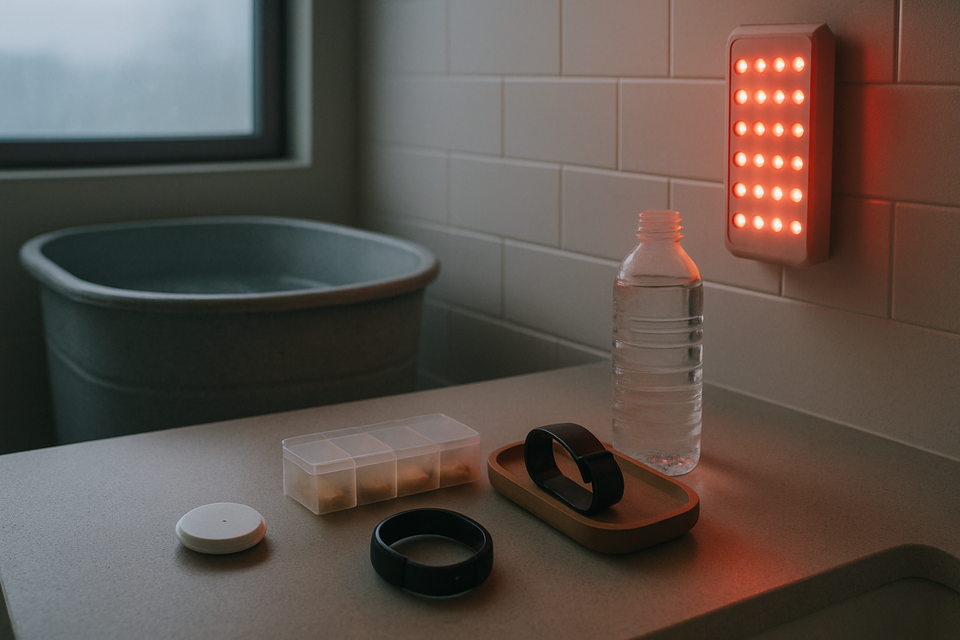
According to SELF's recent reporting on rest and recovery, a well-balanced week of fitness and recovery should look like two to three days of higher-intensity strength or cardio training, two to three days of active recovery focusing on walking or light movement, one day of restorative recovery incorporating breathwork and bodywork, and as needed, a passive rest day of total relaxation. Much of the progress made from training actually happens during rest, when your body repairs tissues, replenishes energy stores, and rebalances nervous system activity.
For weekend planning, this means Sunday can serve as an intentional recovery day featuring gentle yoga, foam rolling, a leisurely neighborhood walk, or simply catching up on sleep without guilt. Pairing Saturday's active pursuits with Sunday's restorative practices creates a sustainable rhythm that supports long-term adherence and reduces burnout.
Fitness Festivals and City Events Drive Weekend Calendars
Weekend wellness is becoming event-driven, with major US cities hosting fitness festivals and community gatherings throughout 2026. FitFest Tampa Bay, Florida's ultimate sports festival and fitness expo, occurs April 4, 2026 and August 15-16, 2026, offering fitness reimagined through live competitions, wellness vendors, special guests, and family fun. Music City Fit Expo takes place June 5-6, 2026 in Nashville, while Motor City Fit Fest 2026 occurs July 18-19 in Detroit, described as a high-energy, community-driven fitness weekend bringing together Detroit's top trainers, wellness brands, and fitness enthusiasts designed to inspire movement, connection, and a healthier lifestyle.
These events offer readers opportunities to sample new workouts, meet trainers and wellness brands, and connect with like-minded consumers in a festival atmosphere. For those seeking structure and inspiration, marking a fitness festival on the calendar provides a motivating goal and a chance to explore trends outside everyday gym routines.
What This Means for Readers
Editorial analysis — not reported fact:
A balanced weekend in 2026 looks different than it did even two years ago. Instead of choosing between fitness, social connection, nutrition, and recovery, readers can now design weekends that integrate all four. Start Saturday with a free community run club that ends at a local coffee shop, building both cardiovascular fitness and social ties. Follow with a mid-morning hike in a nearby state park to hit the 120-minute weekly nature threshold while enjoying time with family or friends. Refuel at a wellness-focused brunch spot featuring high-protein options and creative mocktails that align with health goals without sacrificing flavor or experience.
Sunday becomes an intentional recovery day: sleep in, take a gentle neighborhood walk, practice restorative yoga, or simply rest. For readers training for a specific event or managing busy weekday schedules, this rhythm offers structure without rigidity. For parents, the weekend framework accommodates family hikes and group activities. For those new to fitness, community workouts and walking trends provide low-barrier entry points. For wellness-curious consumers, fitness festivals offer exploration and inspiration.
The key shift is treating weekends as deliberate wellness opportunities rather than unstructured downtime. With community infrastructure now in place, from run clubs to healthy brunch menus to urban fitness festivals, readers have accessible, practical options to move better, fuel smarter, and recover intentionally every weekend.
Sources & Further Reading
- ACSM's Top 20 Fitness Trends for 2026 — American College of Sports Medicine annual fitness trends survey including adult recreation and sport clubs
- Runner's World: Run Clubs and Coffee Shops — nationwide coverage of social running clubs meeting Saturday mornings and ending at local cafes
- PureGym Annual Fitness Trends Report — walking trends including Japanese walking and 6-6-6 challenge, plus Strava Year in Sport data
- REI: Why Hiking Is Good for You — physical and mental health benefits of hiking, including cardiovascular improvements, forest bathing research, and social connection
- Food & Wine: Healthy Brunch Trends Summer 2026 — cottage cheese comeback, protein-packed menus, and alcohol-free beverage trends
- SELF: Rest and Recovery Workouts — expert guidance on active recovery, rest day frequency, and balanced weekly training structure
- FitFest Tampa Bay — April and August 2026 Florida fitness festival and expo
- Music City Fit Expo — June 2026 Nashville fitness event
- Motor City Fit Fest — July 2026 Detroit community fitness weekend
Editorial coverage of publicly reported health, fitness, wellness, nutrition, and active living developments. Move Weekly has no commercial relationship with any companies, gyms, studios, brands, events, experts, products, or organizations named.