Meal Prep in 2026: Functional Breakfasts & Budget Protein
Breakfast motivations are up 75% and budget concerns remain high. How everyday movers are building functional, affordable meal prep routines in 2026.
Key Takeaways
- Functional breakfast motivations have grown 75% in the past year, with consumers seeking meals that deliver protein, fiber, and steady energy rather than just convenience.
- Budget protein staples like eggs, chicken thighs, and lentils remain essential as nearly two-thirds of US consumers report being extremely or very concerned about high grocery prices as of January 2026.
- Greek yogurt is experiencing 39% social growth as a bridge ingredient that delivers both gut health benefits and protein across breakfast, snacking, and meal prep formats.
- Healthy lunch prep follows a simple formula: solid protein source, non-starchy vegetables, modest whole-food carbs, and a small amount of healthy fat, a structure research links to satiety and weight management.
- Cabbage has emerged as a breakout ingredient in 2026, with recipe saves up 35% to 110% across sautéed, fermented, and soup formats, and Amazon reporting 12% year-over-year growth in cabbage sales.
- Convenience formats are up 44%, skewing 77% toward home prep rather than restaurant meals, as consumers prioritize functional choices in frozen aisles and batch-cooked staples.
Why Meal Prep Motivations Are Shifting in 2026
Meal prep is no longer just about saving time. Meal prep motivations are up 22% and quick-preparation claims are up 35%, reflecting a fundamental shift in how US consumers approach everyday cooking. The driver is functional intent: consumers' top motivations in the US functional food space are health at 96.6%, energy at 60.3%, and gut health at 52.1%. Everyday eaters now want their meals to deliver specific wellness outcomes, not just fill a plate.
Add persistent budget pressure and the picture sharpens. Nearly two-thirds of consumers were still extremely or very concerned about high food prices at grocery stores as of January 2026, making affordable, nutritionally intentional meal prep essential for active adults balancing fitness routines, busy schedules, and rising costs.
The Functional Breakfast Moment: Protein, Fiber, and Prep-Ahead Formats
Breakfast has become the anchor meal for functional eating. Breakfast-related motivations have grown 75% in the past 12 months, and easy-to-prepare formats are up 55%. A balanced breakfast typically includes protein, fiber, healthy fats, and a range of nutrients to help you feel full and provide steady energy throughout the morning, according to guidance from nutrition experts.
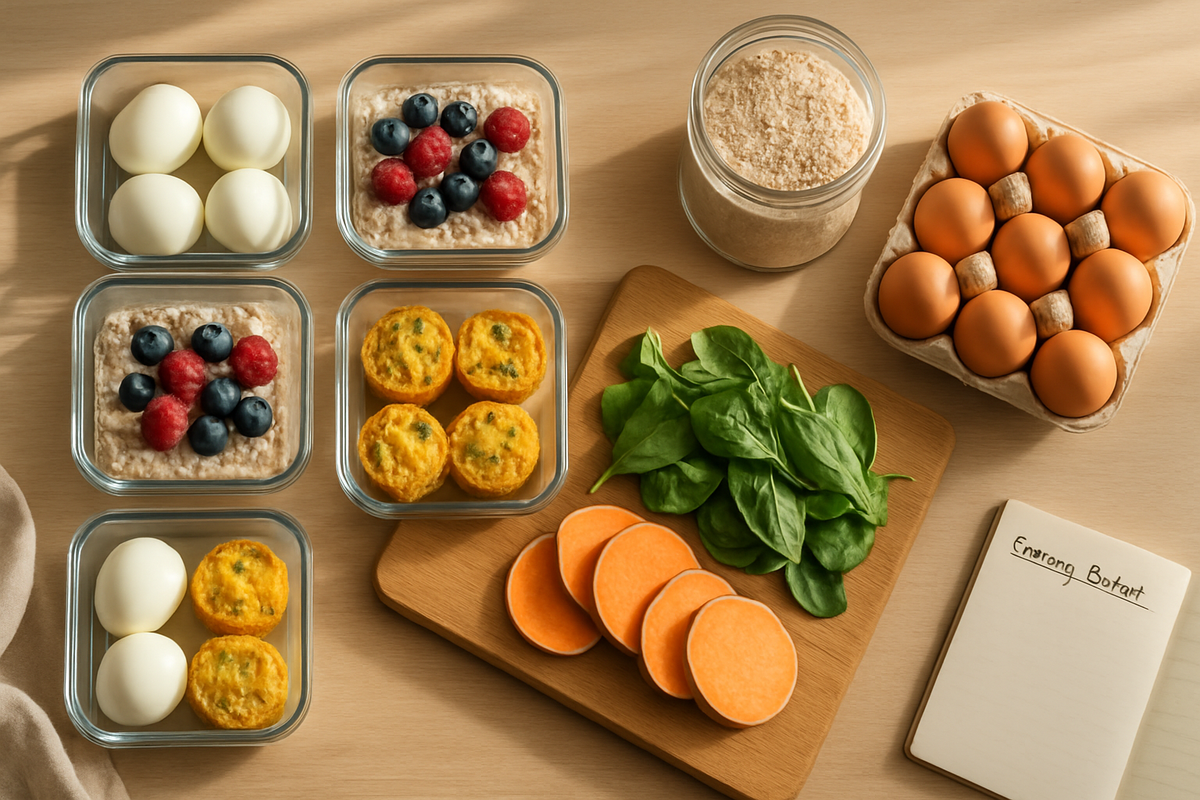
Popular structures include eggs, Greek yogurt, oatmeal, chia seeds, berries, cottage cheese, whole grain toast, and nuts. Real-world examples that work: overnight oats made by mixing oats, Greek yogurt, and milk and letting it sit in the fridge overnight as a simple way to add protein while keeping breakfast interesting. For time-strapped movers, doing a little prep work in advance can go a long way, such as chopping extra veggies when making dinner and saving the pre-chopped veggies in the fridge to easily add to omelets in the morning, or hard boiling a bunch of eggs to enjoy them all week as a portable protein source.
Budget-Friendly Protein Strategies That Actually Work
Protein remains the foundation of meal prep in 2026, but budget constraints are reshaping ingredient choices. Eggs are one of the most affordable protein foods available, with about six grams of protein per large egg. Chicken thighs and drumsticks are the tastiest parts, hard to overcook unlike a chicken breast, and markedly cheaper than breasts and wings, and are versatile for a crispy roast or a quick braise, per recent Bon Appétit reporting.
Lentils are sneaky higher-protein, lower-effort legumes that don't have to be soaked and are so affordable, making them a staple for batch cooking. Soups make the ideal high-protein, budget-friendly meal because they usually contain less costly meat and more veggies, broth, or legumes, and frozen veggies are usually more cost-effective. Buying in bulk can lower the cost, especially for chicken, quinoa, and beef, and using dried beans soaked overnight for even cheaper meals creates a large pot to portion out for lunches, and freezing cooked beans is a great way to save time and money.
Greek Yogurt and the Gut Health Bridge
Greek yogurt is showing 39% social growth as the gut health and protein bridge ingredient, aligning with probiotics at 69% growth, high protein at 18%, and morning occasion growth at 75%, and is strong in snacking, breakfast, and blended formats across retail. This positions Greek yogurt as a multi-purpose staple for 2026 meal prep, whether as a breakfast base, a post-workout snack, or a cooking ingredient that adds creaminess and protein to smoothies, bowls, and sauces.
Protein continues to be king, but fiber is gaining traction as consumers seek gut health, holistic digestive wellness, and natural ways to feel fuller longer. The pairing of Greek yogurt with fiber-rich add-ins like chia seeds, berries, and oats creates a meal structure that addresses both trends in a single bowl.
The Lunch Prep Formula and Bento-Style Organization
A healthy lunch formula is straightforward: start with a solid protein source such as chicken, fish, eggs, or legumes, add volume with non-starchy vegetables, include a modest portion of whole-food carbs, and finish with a small amount of healthy fat, and research consistently shows that meals built this way promote satiety and support weight management. Begin by selecting two to three recipes that share overlapping ingredients and prep proteins and chop vegetables in advance, then portion meals into containers for grab-and-go convenience.
With the rise of aesthetically pleasing and organized meal prep content on TikTok, bento boxes are a practical and trendy item for packing lunches and snacks, per USA Today reporting. This format supports intentional eating by visually separating protein, vegetables, carbs, and snacks, making it easier to hit nutrition goals without overthinking portions.
Cabbage, Comfort Food, and the 2026 Ingredient Shift
Cabbage is trending as a breakout vegetable, with saves increased by 35% for sautéed bok choy and fermented cabbage, 45% for cabbage alfredo, 95% for golumpki soup, and 110% for cabbage dumplings, and Amazon's grocery unit reported about 12% year-over-year growth in cabbage sales in 2025, with 25% for fermented cabbage products such as sauerkraut and kimchi, according to Food & Wine trend analysis. This surge reflects both budget-consciousness and gut health interest, as cabbage delivers volume, fiber, and versatility at a low cost.
When consumers were asked about in-home meal preparation preferences, comfort food led the list of priorities across generations, cited by 55% of those surveyed, followed by fast preparation time. Sheet pan dinners, slow cooker meals, and batch-cooked proteins remain dominant formats for busy households.
Convenience Formats and the Frozen Aisle Upgrade
Convenience is up 44%, skewing 77% toward food formats rather than restaurant occasions, and consumers are making active functional choices in the grocery and home-prep context, and they are choosing formats that do not require effort. The frozen aisle is experiencing a wave of new frozen meals, appetizers, and sides, meaning good news for those consumers eager to create a delicious and even restaurant-worthy eating experience at home.
The no-subscription model gains traction as consumers reject forced commitments, preferring flexibility to order when needed without penalties for pausing service, acknowledging that life circumstances change, and meal prep solutions should adapt accordingly. This reflects broader fatigue with subscription boxes and a preference for on-demand grocery shopping that fits unpredictable schedules.
Snacking as a Strategic Meal Component
Most consumers snack at least once a day, with only 1% stating that they never snack, and some consumers now graze throughout the day instead of eating three full meals. This shift makes intentional snacking a critical part of meal prep. Greek yogurt, hard-boiled eggs, cottage cheese, nuts, and pre-portioned hummus with vegetables fit naturally into this pattern, offering protein and fiber to bridge longer gaps between meals or support recovery after workouts.
For active adults and everyday movers, snacking isn't idle eating; it's a practical tool to maintain energy, manage hunger, and avoid impulsive choices later in the day.
What This Means for Readers
Editorial analysis — not reported fact:
The 2026 meal prep landscape is defined by intentionality. If you're balancing a fitness routine, a tight grocery budget, and limited time, the most effective strategy is to focus on a few high-leverage habits: prep a batch of hard-boiled eggs or baked chicken thighs on Sunday, stock Greek yogurt and frozen vegetables, and embrace flexible formats like soups, sheet pan dinners, and bento-style lunches that let you mix and match throughout the week.
Start with breakfast. If you can nail a protein- and fiber-rich morning meal that takes five minutes to assemble, whether overnight oats or a veggie omelet with pre-chopped ingredients, you set a functional baseline for the rest of the day. Lunch follows the same principle: a simple formula of protein, vegetables, whole-food carbs, and healthy fat, prepped in advance and portioned into containers, removes decision fatigue and keeps you on track even during chaotic workdays.
Budget-conscious movers should lean into eggs, chicken thighs, lentils, and cabbage, all of which deliver high nutrition per dollar. Buy in bulk where possible, embrace frozen vegetables, and don't overlook the frozen aisle for upgraded convenience options that save time without sacrificing quality. If you're experimenting with gut health or higher fiber intake, Greek yogurt and fermented cabbage products offer an accessible entry point.
Finally, let go of perfection. The rise of no-subscription models and grab-and-go formats reflects a broader truth: meal prep should adapt to your life, not the other way around. Whether you batch-cook once a week or rely on strategic frozen staples and quick-assembly meals, the goal is the same: fuel your body intentionally, affordably, and without burnout.
Sources & Further Reading
- Innova Market Insights 2026 food trends report via Food Dive — covers functional food motivations, breakfast growth, convenience formats, and consumer budget concerns
- EatingWell guide to high-protein breakfast recipes — explains balanced breakfast structure and prep-ahead strategies
- EatingWell guide to affordable high-protein foods — details budget protein staples including eggs and lentils
- Bon Appétit guide to cheap high-protein foods — covers chicken thighs, soups, and bulk buying strategies
- EatingWell meal prep lunch guide — outlines the healthy lunch formula and batch-cooking tips
- USA Today report on bento boxes and meal prep containers — examines TikTok-driven meal prep trends
- Food & Wine 2026 trending ingredients report — analyzes cabbage growth and recipe save data
Editorial coverage of publicly reported health, fitness, wellness, nutrition, and active living developments. Move Weekly has no commercial relationship with any companies, gyms, studios, brands, events, experts, products, or organizations named.