Self-Care Rituals: How Americans Are Redefining Wellness
Self-care is shifting from rushed routine to intentional ritual in 2026, with 74% of US consumers integrating deliberate practices into daily life for genuine stress reduction.
Key Takeaways
- Self-care is shifting from rushed routine to intentional ritual: 74% of US consumers now integrate self-care into daily wellness practices, with younger generations leading the movement toward deliberate, multi-sensory routines that provide genuine psychological benefits.
- Morning routines are identity markers and habit-building opportunities: Viral routines like influencer Ashton Hall's pre-4 am ritual garnered over 770 million views in 2026, driving product sellouts and revealing consumer hunger for consistent, low-decision morning practices.
- Sleep is finally being treated as a wellness priority, not a luxury: With more than 1 in 3 US adults getting insufficient sleep, Americans in 2026 are investing in wearable sleep trackers, sleep tourism, and redesigned bedrooms as recovery sanctuaries to improve workplace productivity and emotional well-being.
- Journaling reduces anxiety and supports mental health: According to the University of Rochester Medical Center, daily journaling helps process emotions and identify behavioral patterns, while gratitude journaling specifically improves sleep, mental health, and immune function per UC Berkeley research.
- Skincare routines are becoming sensory wellness practices: The "skincare bakery" phenomenon reframes 10-15 minutes of skincare as a multi-sensory ritual that activates the parasympathetic nervous system, with psychodermatology research documenting measurable stress-reduction benefits when combined with deliberate technique.
- Habit stacking makes new wellness practices easier to sustain: Pairing new habits with existing ones, such as journaling after starting coffee or stretching after closing your laptop, leverages behavioral science to build sustainable daily rituals without overwhelming decision fatigue.
Why Self-Care Is Being Reimagined as Ritual in 2026
Self-care in America has evolved from a luxury indulgence into a functional wellness necessity, particularly for burned-out consumers navigating economic uncertainty. What sets 2026 apart is the deliberate shift away from optimization theater toward what experts describe as "efficiency with intention." The American Psychological Association's 2023 Stress in America survey found 76% of adults reported stress-related health impacts, including skin reactions, sleep disruption, and emotional fatigue, creating urgent demand for science-backed daily practices.
According to multiple consumer trend reports, 74% of US consumers now integrate self-care into their beauty and wellness rituals, with younger generations particularly committed to this shift. The distinction that matters: self-care is no longer a rushed functional chore but a deliberate practice with genuine psychological benefits. This reflects a broader 2026 wellness philosophy centered on sustainable habits that work within real life, not aspirational perfection.
Morning Routines: Structure, Identity, and Viral Habit-Building
Morning routines have become identity markers for American consumers in 2026, driven partly by social media virality and partly by genuine need for daily structure. Influencer Ashton Hall's pre-4 am routine, which includes removing mouth tape, hydrating with bottled water, push-ups, meditation, and face dunks in ice water, went viral on X with over 770 million views. The unexpected winner was Saratoga Water, which saw grocery stores relocate their product to checkouts for increased impulse purchases, leading to nationwide sellouts.
Beyond the viral spectacle, the trend reveals actionable insight for wellness consumers: there is real opportunity to create new habits with products and practices that are consistent and require minimal decision-making. Breakfast in 2026 is about both fuel and feeling, with a resurgence of childhood favorites rebuilt with modern nutrition standards. Popular options include savory breakfast bakes, protein-packed smoothies, and freezer-friendly comfort foods that are solo, adaptable, and quick, fitting the needs of today's morning routines.
Practical Morning Ritual Components
The most sustainable morning routines share common elements: hydration upon waking, movement (even 5-10 minutes), a nourishing meal that doesn't require complex prep, and a moment of intention-setting whether through journaling, meditation, or simply sitting with coffee before the day accelerates. The key is consistency over complexity.
Evening Routines and the Sleep Wellness Movement
More than 1 in 3 adults in the United States get less sleep than they should, according to CDC data. The 2026 response represents a cultural turning point: better sleep is now linked with improved workplace productivity and emotional well-being, which is why Americans are finally treating sleep as a priority rather than a luxury.
Building a relaxing sleep ritual has become standard wellness advice, with evidence-based practices including meditation, soothing music, warm baths, dim lights, and cooling down the bedroom with a fan. Evening journaling is particularly restorative; for those overwhelmed by blank pages, a simple 5-minute to-do list for the next day suffices to calm the mind.
Tech-Enabled Sleep Tracking and Sleep Tourism
Wearables like Oura, WHOOP, and Fitbit now focus on sleep quality, tracking heart rate variability, oxygen levels, and deep sleep stages, with AI translating raw data into personalized insights and actionable recommendations. Sleep tourism has emerged as a growth category in 2026, with Americans booking trips specifically to catch up on quality rest. Luxury hotel brands like Hilton and Six Senses offer retreats featuring dark rooms, guided breathing, AI-enhanced beds, circadian-friendly lighting, aromatherapy, and expert coaching.
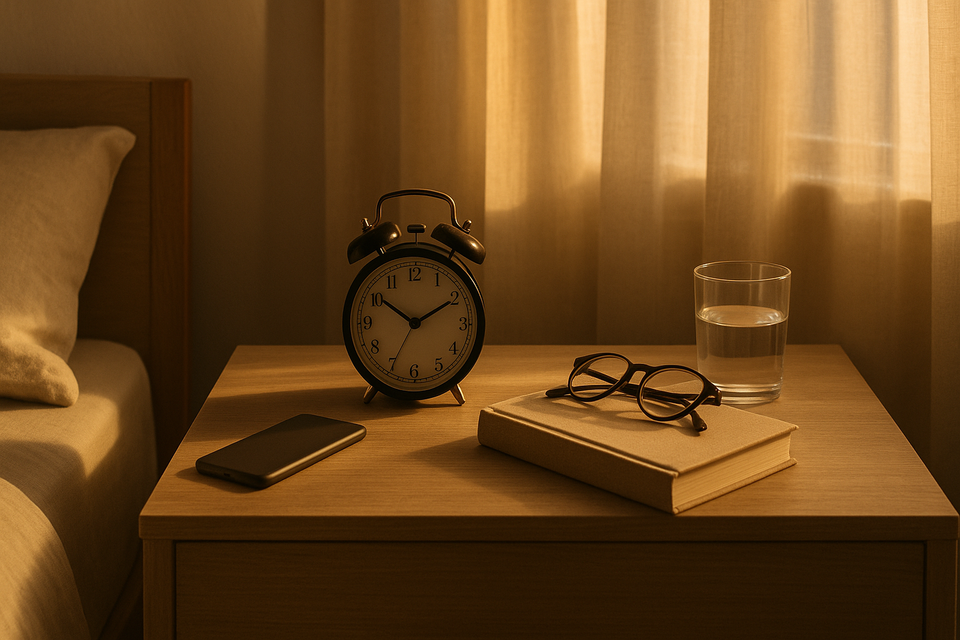
The bedroom itself is being reimagined not just for sleep but as a sanctuary for recovery. Must-have features include blackout curtains, natural linens, circadian lighting, eco-friendly materials, soundproofing, and air purifiers. What is genuinely new in 2026 is how intentional people are about digital hygiene: more consumers practice unplugging with red light filters, stopping scrolling an hour before bed, reading physical books, or using analog clocks to reclaim evening hours.
Journaling as a Mental Health Cornerstone
According to the University of Rochester Medical Center, journaling can reduce anxiety, lower stress, and support mental health, with writing helping you process emotions and identify patterns in behavior. This isn't aspirational wellness advice but evidence-based practice accessible to anyone with pen and paper.
Gratitude journaling has been specifically associated with improved mental health, better sleep, and enhanced immune function according to research from UC Berkeley's Greater Good Science Center. The practice helps end your day on a positive note and reinforces emotional wellness by shifting attention toward what is working rather than what is stressful.
Habit Stacking with Journaling
Habit stacking involves pairing a new habit with an existing habit to make it easier to adopt, a technique particularly effective for integrating journaling into daily routine. A good example: tell yourself that after you start your coffee, you'll write one paragraph in your journal, or after you turn off your work computer, you'll stretch your arms for 30 seconds. This behavioral science approach reduces decision fatigue and anchors new practices to established cues.
The Skincare Bakery Phenomenon: Sensory Self-Care with Scientific Backing
A "skincare bakery" is a sensory self-care practice where you treat your skincare routine like a personal baking ritual, reframing the 10-15 minutes already spent on skincare as a deliberate wellness practice with genuine psychological benefits, not a rushed functional chore. This trend exemplifies the 2026 shift toward intentional ritual.
The concept has foundation in psychodermatology, where research has documented measurable connections between chronic stress, elevated cortisol, and impaired skin barrier function. Multi-sensory rituals activate the parasympathetic nervous system and inhibit stress-response molecules. Research from the University of Rochester showed patients with psoriasis who engaged in daily sensory relaxation practice saw clinically significant acceleration of lesion clearance when combined with standard treatment.
Practical Application of Skincare as Ritual
To practice skincare as ritual rather than routine: remove phones entirely (they function as cortisol triggers), replace with a dedicated timer, apply products with deliberate slow technique, warm moisturizer between palms, bring cupped hands to face, and inhale once. This simple addition reclaims the mental space needed for the ritual to provide genuine stress-reduction benefits.
Consumer behavior supports this trend: 38% of consumers (47% of Gen Z and 45% of millennials) cherish evening skincare rituals, using this time to unwind. The broader "Sensorial Synergy" trend frames beauty routines as multi-sensory moments featuring texture, fragrance, ritual, and emotional uplift, with beauty increasingly linked to mood, wellness, and ritual rather than simply the end result.
What This Means for Readers
Editorial analysis — not reported fact:
The reimagining of self-care as ritual rather than checklist creates permission to slow down without guilt. For busy professionals, this means your existing 10 minutes of skincare or 5 minutes of morning coffee can become genuine wellness practices simply by removing digital distractions and adding deliberate attention. For parents juggling competing demands, habit stacking offers a realistic path: pair one new small practice with something you already do every day.
The viral morning routines and luxury sleep tourism may feel out of reach, but the underlying science is accessible: your body responds to consistency, sensory cues, and intentional pauses regardless of whether those happen at 4 am or 7 am, in a hotel or your own bedroom. The wearable sleep data is useful, but you don't need a $300 ring to know that dimming lights, cooling your room, and putting your phone in another room will improve your rest.
For those struggling with stress-related health impacts, the evidence from psychodermatology and behavioral science offers concrete starting points. Journaling for 5 minutes after your evening skincare, or stretching for 30 seconds after closing your laptop, costs nothing and requires no expertise. The 2026 wellness shift is about making space for practices that actually fit your life, not aspirational routines that add to your stress load.
If you are considering new wellness practices, particularly those involving supplements, significant dietary changes, or practices intended to address chronic stress or sleep disorders, consult a qualified healthcare professional to ensure they are appropriate for your individual health needs.
Sources & Further Reading
- American Psychological Association: 2023 Stress in America survey — documents stress-related health impacts including skin reactions and sleep disruption affecting 76% of US adults
- CDC sleep recommendations and statistics — reports more than 1 in 3 US adults get insufficient sleep
- University of Rochester Medical Center: Journaling for Mental Health — explains how writing reduces anxiety, lowers stress, and helps process emotions
- UC Berkeley Greater Good Science Center: Gratitude research — documents associations between gratitude journaling and improved mental health, sleep, and immune function
- Psychodermatology research overview — covers connections between stress, cortisol, and skin barrier function
- Oura Ring sleep and wellness tracking — example of wearable technology tracking sleep stages, heart rate variability, and providing AI-driven insights
Editorial coverage of publicly reported health, fitness, wellness, nutrition, and active living developments. Move Weekly has no commercial relationship with any companies, gyms, studios, brands, events, experts, products, or organizations named.