Wellness Myths: Cold Plunges, Red Light, Detox Teas
Cold plunges help recovery but won't burn fat. Red light therapy has FDA-approved uses but cosmetic claims are overblown. Detox teas lack evidence and may pose risks.
Key Takeaways
- Cold plunges can reduce muscle soreness and improve perceived recovery within 24 hours after intense exercise, but research quality is low and protocols for safe temperature, duration, and timing remain unclear.
- Red light therapy has FDA-authorized medical uses for pattern hair loss, certain ulcers, and acute radiation dermatitis, but there is no scientific evidence supporting weight loss, cellulite removal, or mental health claims.
- Detox teas have no credible scientific evidence showing they eliminate toxins or produce lasting weight loss; some contain undeclared pharmaceutical ingredients and may pose safety risks.
- TikTok health misinformation is widespread: a 2025 JAMA Network Open review found only 6.4 percent of health-related posts cited evidence, and nearly half of all health videos contain non-factual information.
- Biohacking trends promoted on social media often lack safety data and medical oversight, with February 2025 medical reports confirming hospitalizations due to improper use of TikTok-promoted supplements.
Why Wellness Trend Myths Are Spreading Faster Than Facts
Viral wellness trends dominate American social media in 2026, from cold plunge tubs at luxury gyms to red light therapy devices in home bathrooms, detox tea subscriptions, and biohacking routines flooding TikTok feeds. The gap between hype and science, however, is widening. Recent research shows nearly half of health-related TikTok videos contain non-factual information, while medical reports from February 2025 confirm several cases of hospitalization due to improper use of supplements promoted on TikTok.
For everyday Americans interested in fitness and wellness, separating what actually works from what's overhyped or genuinely risky has become a critical skill. Move Weekly examined the current evidence on four of the most popular wellness trends to help readers make informed decisions.
Cold Plunges: Real Benefits Exist but Are Modest and Timing-Dependent
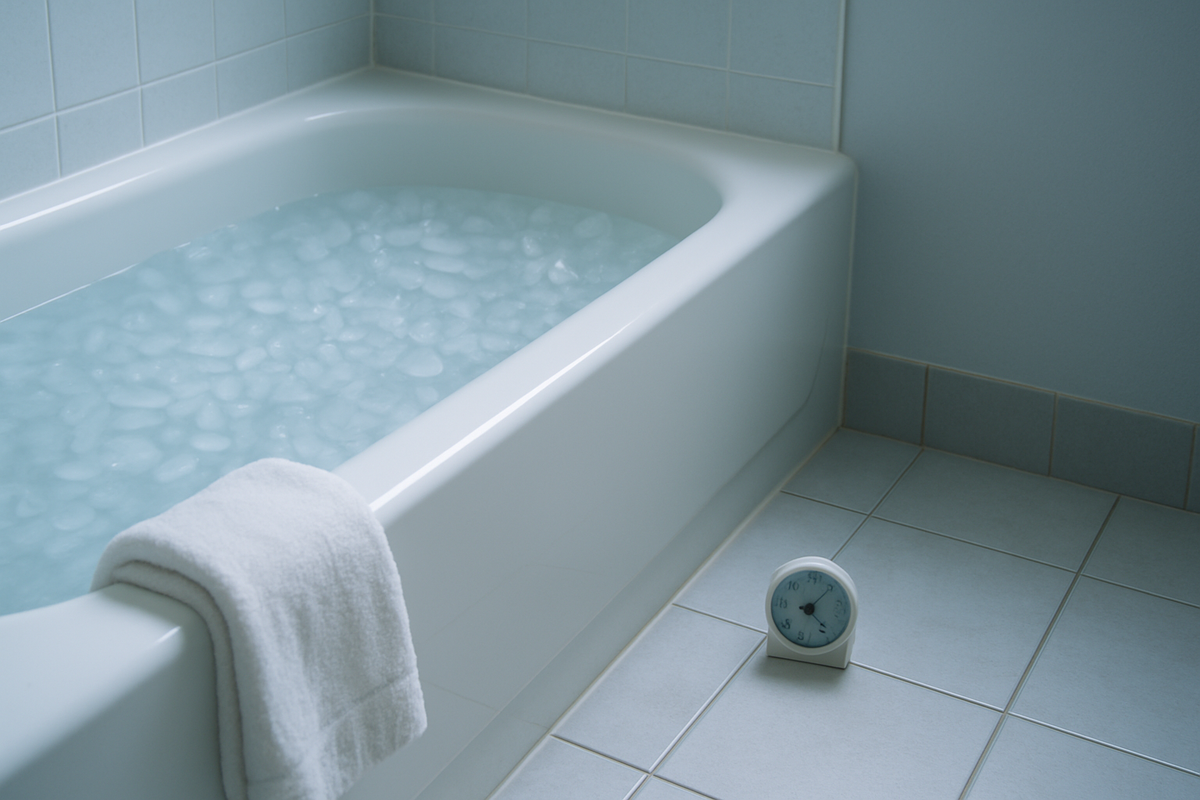
Cold water immersion has legitimate recovery benefits, but they are narrower than social media suggests. A 2025 clinical review reported that cold water immersion immediately after intense exercise improved perceived recovery and reduced muscle soreness within the first 24 hours, particularly when immersion lasted under 15 minutes. However, researchers stressed that the quality of these studies was generally low and that safety and optimal protocols for temperature, timing, and duration remain unclear.
An analysis of 11 studies published January 29, 2025, in PLOS One found that cold-water therapy may temporarily lower stress, improve sleep quality, and slightly enhance quality of life, but there was little evidence to support improvements in mood or immunity.
Common Cold Plunge Myths Debunked
Several viral claims about cold plunges lack scientific support. The idea that cold plunges burn fat fast is overstated: cold exposure does activate brown adipose tissue and can slightly increase energy expenditure, but the effect on body weight is modest at best.
The notion that cold plunging is only for elite athletes is also false. Recent survey data reveals that 68 percent of cold plunge users are recreational fitness enthusiasts, not professional athletes. And while cold water immersion is a serious physiological stimulus that should be approached with caution by those with cardiovascular conditions, a blanket ban is an oversimplification. With proper medical guidance, many people with cardiac concerns can use controlled cold exposure safely.
Cold plunge tub myths spread rapidly online in 2024, with viral videos and influencers promoting extreme or inaccurate claims, coinciding with a rise in misinformation and exaggerated health claims around cold therapy.
Red Light Therapy: Solid Evidence for Specific Uses, Cosmetic Claims Overblown
Red light therapy has legitimate evidence for some medical applications but faces significant marketing hype around beauty and general wellness. A 2025 consensus review found the therapy works for treating pattern hair loss, peripheral neuropathy, several types of ulcers, and acute radiation dermatitis. The Food and Drug Administration has authorized the marketing of red light therapy devices to treat dry age-related macular degeneration and for the temporary relief of pain from fibromyalgia.
Since 2020, red-light therapy in the mouth has been included in clinical guidelines for preventing and treating cancer-therapy-related oral mucositis.
What Red Light Therapy Cannot Do
Despite widespread claims, there is no scientific evidence to support red light therapy use in weight loss, cancer, cellulite removal, or mental health conditions like depression and seasonal affective disorder. Experts caution that the red light device market is "a little bit like the Wild West." While many devices for sale are FDA cleared, that means they are safe but not necessarily effective. Some tested devices did not actually put out enough energy to have any effect.
Even red light treatments in a dermatology clinic are not a sure bet. Their effectiveness can vary, depending on the wavelength of red light and the duration and frequency of treatment. Overall, studies show that there is benefit with hair growth, and there is evidence to suggest it can reduce inflammation of tissues, but it all depends on the strength and duration of the treatment, which is largely unknown when people buy tools for use at home.
Detox Teas and Cleanses: No Scientific Evidence and Potential Harms
The detox industry is massive but scientifically hollow. The global detox products market was valued at over $66 billion in 2024, with projections approaching $95 billion by 2030. Despite this commercial success, no credible scientific evidence demonstrates that detox teas enhance toxin elimination beyond what the body naturally accomplishes through the liver and kidneys.
Detox teas can cause short-term changes in digestion or water balance, which may look or feel encouraging at first. People often see a lower scale weight because they are losing water from diuretics, moving their bowels from laxatives, and sometimes eating less due to restrictive programs that come with the tea. But there is no solid scientific evidence that these products detox the body or lead to lasting weight loss.
Safety Risks of Detox Products
Analytical studies identified undeclared pharmaceutical ingredients, high levels of stimulants, and inconsistencies between labeled and actual product contents in teas marketed as natural. A 2025 study found that removing fiber from juicing can significantly increase inflammatory bacteria in as little as three days.
Biohacking and Viral TikTok Health Trends: Widespread Misinformation and Real Risks
TikTok is the primary vector for wellness misinformation among US consumers, especially younger audiences. A JAMA Network Open review of 982 posts reported 87.1 percent touted benefits, 14.7 percent mentioned harms, only 6.1 percent referenced overdiagnosis or overuse risks, and just 6.4 percent cited evidence. A June 2025 Birmingham University analysis concluded that 52 percent of trending videos tagged #MentalHealthTips contained misinformation.
In early 2025, TikTok feeds are flooded with self-proclaimed health gurus promoting so-called biohacking tips. These short, engaging videos offer everything from dangerous microdosing protocols to extreme fasting and DIY supplement stacks. One of the newest trends is methylene blue, a bright blue chemical. Creators claim it can help improve memory, increase focus, and fight fatigue, despite limited safety data for consumer use.
February 2025 medical reports confirm several cases of hospitalization due to improper use of supplements promoted on TikTok, underscoring the real-world consequences of following unverified health advice from social media influencers.
What This Means for Readers
Editorial analysis — not reported fact:
For everyday Americans trying to improve their health and wellness, the flood of viral trends creates a minefield of misinformation. Cold plunges can be a useful recovery tool if you are doing intense training and use them immediately after exercise for short durations, but they are not a miracle fat-loss solution. Red light therapy has genuine medical applications for hair loss and certain skin conditions, but home devices vary widely in quality and effectiveness, and cosmetic claims for weight loss or cellulite are not supported by science.
Detox teas offer no proven benefit and may contain undeclared ingredients or cause digestive distress. And biohacking trends on TikTok are particularly risky, with the majority of health content lacking evidence and some promoting protocols that have led to hospitalization.
Before adopting any wellness trend, check whether the claims are supported by credible research from medical organizations, peer-reviewed journals, or public health agencies. Be wary of influencers who do not cite sources or who make sweeping promises. And for any trend involving supplements, extreme fasting, cold exposure, or other physiological stressors, consult a qualified healthcare professional, especially if you have existing health conditions.
Sources & Further Reading
- Clinical review on cold water immersion for exercise recovery — 2025 research on muscle soreness and perceived recovery benefits
- PLOS One analysis of cold-water therapy — January 2025 review of stress, sleep, and quality of life effects
- Cold exposure and brown adipose tissue — research on modest energy expenditure effects
- 2025 consensus review on red light therapy — evidence for hair loss, ulcers, and dermatitis treatment
- FDA guidance on red light therapy devices — authorized uses and clearance information
- Global detox products market valuation — industry size and projections through 2030
- 2025 study on juicing and inflammatory bacteria — fiber removal and gut health effects
- FDA warnings on detox tea marketing — regulatory guidance on insufficient evidence
- JAMA Network Open review of TikTok health posts — analysis of evidence citation rates and misinformation
- Birmingham University analysis of mental health TikTok videos — June 2025 findings on misinformation prevalence
- Medical reports on TikTok supplement hospitalizations — February 2025 documentation of adverse events
Editorial coverage of publicly reported health, fitness, wellness, nutrition, and active living developments. Move Weekly has no commercial relationship with any companies, gyms, studios, brands, events, experts, products, or organizations named.