Daily Rituals: How US Consumers Build Sustainable Self-Care
84% of US consumers now prioritize wellness, shifting from quick fixes to sustainable daily rituals grounded in circadian science, habit stacking, and rest.
Key Takeaways
- Wellness priorities are shifting in 2026: 84% of US consumers now rank wellness as a top or important priority, with nearly 30% of Gen Z and millennial consumers prioritizing wellness significantly more than one year ago, according to McKinsey's Future of Wellness survey.
- Morning routines now emphasize circadian science: Smart circadian lighting automatically adjusts brightness and color temperature throughout the day to mimic natural sunlight, with bright, blue-enriched light in the morning to signal wakefulness, boost alertness, and suppress melatonin.
- Habit stacking builds sustainable change: This practice anchors new behaviors to existing daily rituals, such as performing wall sits while brushing teeth or reading during morning coffee, removing friction and increasing consistency.
- Journaling delivers clinical benefits: Research shows that writing about three good things daily for 14 days produces reductions in depressive symptoms similar to the efficacy of antidepressants for mild to moderate depression, while journaling about past trauma lowers blood pressure and heart rate.
- Evening rituals prioritize recovery: An evening self-care routine signals the nervous system that the day is done, allowing cortisol levels to fall and melatonin to rise naturally, improving sleep quality, mood, immunity, and daytime focus.
- Skincare is merging with wellness ritual: The "skinimalism" trend emphasizes multifunctional routines and sensory experiences that focus on feel, scent, and ritual rather than product overload, blurring lines between skincare and holistic self-care.
Why US Consumers Are Choosing Sustainable Daily Rituals Over Quick Fixes
Wellness in 2026 is shifting toward routines that feel realistic, steady, and grounded in everyday life. Consumers are moving away from short bursts of motivation toward approaches that support long-term well-being, where mental clarity, physical balance, nutrition, and steady energy now matter more than extreme goals or quick fixes.
According to McKinsey's Future of Wellness survey, 84% of US consumers now rank wellness as a top or important priority in their lives. Younger generations are driving this shift, with nearly 30% of Gen Z and millennial consumers prioritizing wellness "a lot more" compared with one year ago. Readers want practical frameworks for daily rituals that actually stick, not another aspirational 10-step routine they'll abandon by February.
Morning Routines Built on Light, Movement, and Intention
A summer 2026 morning routine for energy and focus emphasizes light exposure, mindful movement, and hydrating with electrolytes to kickstart the day. This isn't about waking up at 5 AM to meditate; it's about leveraging science to reset your circadian rhythm.
Smart circadian lighting automatically changes brightness and color temperature throughout the day to mimic natural sunlight. Bright, blue-enriched light in the morning signals wakefulness, boosts alertness, and suppresses melatonin, helping the body align with its natural rhythm.
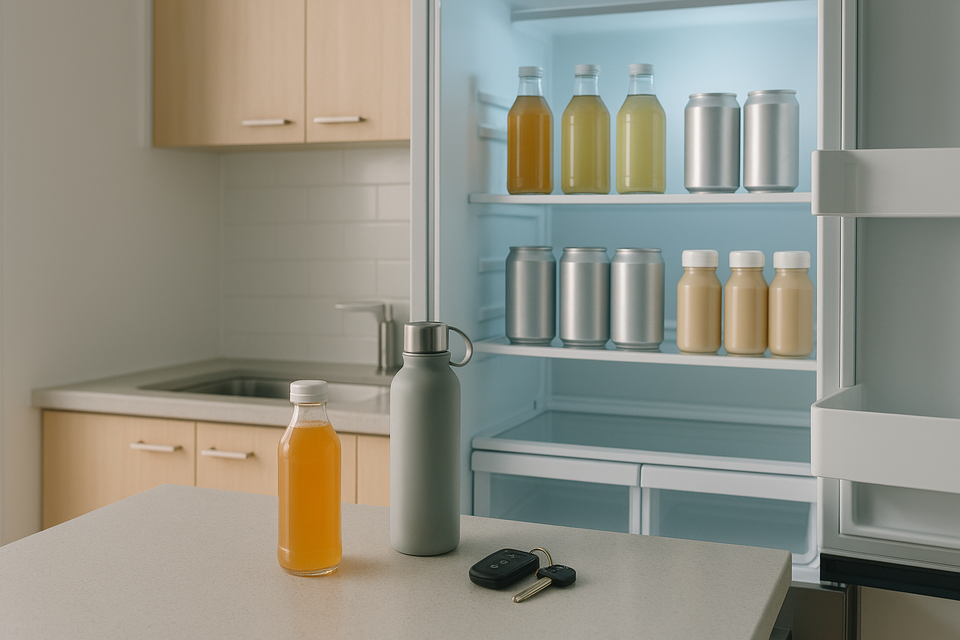
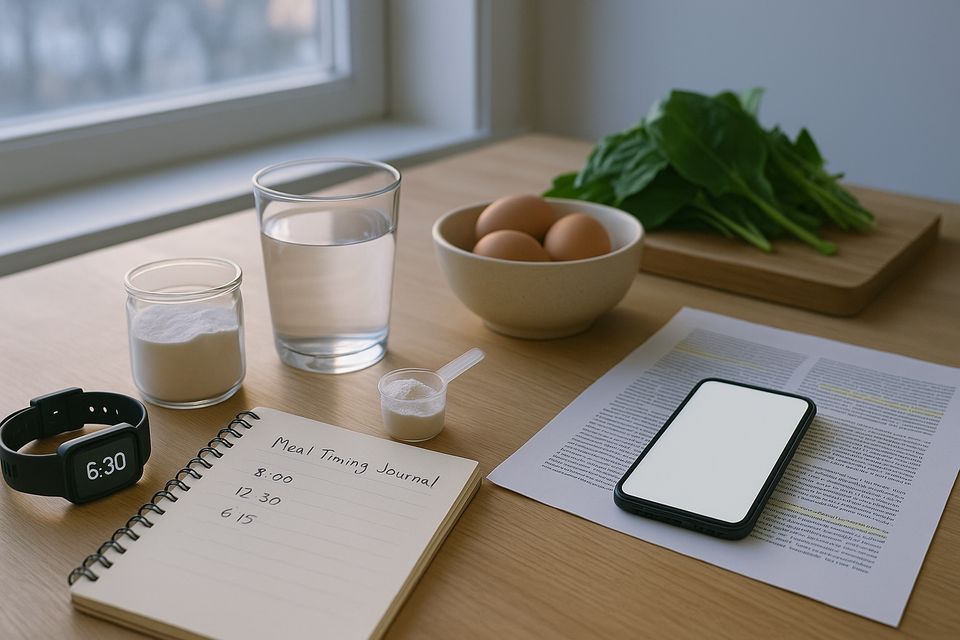
Health-conscious consumers, especially older Gen Z and younger millennial consumers, are increasingly opting for nutrition-focused beverages like protein shakes and diet drinks as part of their wellness routines. A morning walk, a nutrient-rich meal, or a consistent hydration pattern can make a meaningful difference, with preventive health growing stronger each year because individuals see how these small choices shape their overall quality of life.
Habit Stacking: The Gateway to Sustainable Change
Habit stacking is a practice of building new habits onto existing rituals to make meaningful changes in your day-to-day lifestyle. This approach is gaining serious traction because it removes friction. However, habit stacking requires something to stack onto. The single most common reason stacking fails is that people don't have reliable existing habits to serve as anchors. If your mornings are chaotic with no consistent wake time or regular sequence of activities, there is nothing sturdy enough to attach a new behavior to.
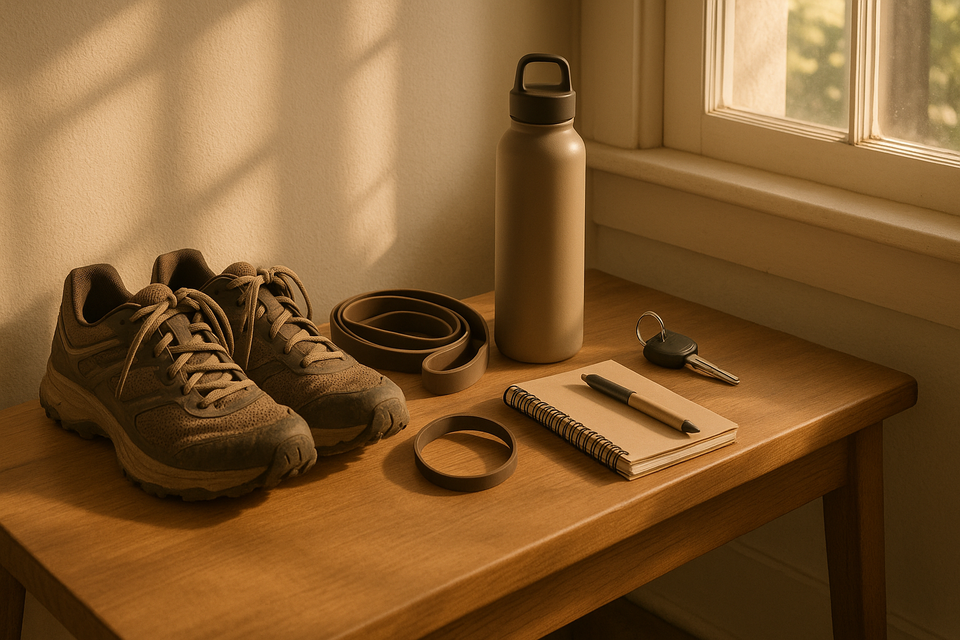
Real examples working for consumers include performing wall sits while brushing teeth as part of a habit-stacking fitness approach. Experts recommend tying new habits to existing ones, such as habit stacking reading to your morning coffee or as part of your wind-down ritual. Anchoring routines to existing habits, such as brushing teeth, helps overcome the common barrier of forgetting.
Popular habit-stacking apps backing this trend include Fabulous, born in Duke University's Behavioral Economics Lab. This science-based app acts as a digital coach guiding you through morning routines, exercise, and meditation, with a "Journeys" feature that gamifies habit building and provides structured guidance for daily routines, with unique focus on creating holistic morning and evening routines.
Journaling Moves from Trendy to Clinically Backed
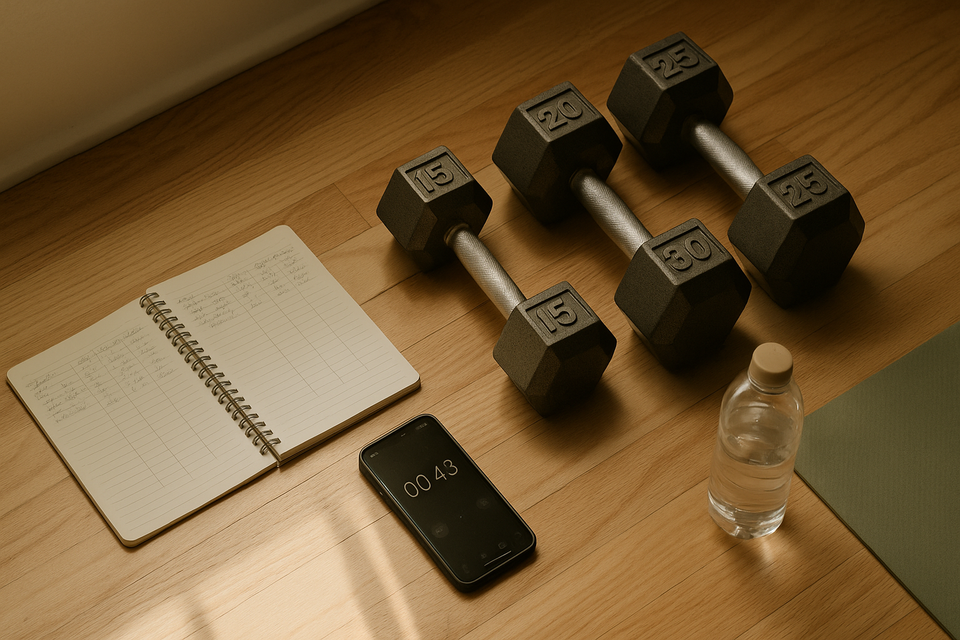
Journaling has moved beyond cute bullet journals. 2026 brings more accessible mental wellness tools, from mood-tracking journals to personalized mental fitness apps to workplace emotional safety programs. The science is solid: in studies on journaling, participants reap both physical and mental health benefits, such as a boost in mood, reduced feelings of distress, and improved immune function.
One study showed that simply recording three good things that happened during the day for 14 days led to reductions in depressive symptoms that were similar to the efficacy of antidepressants for individuals with mild to moderate depression. A landmark study published in the Journal of Abnormal Psychology found that people who wrote about past traumatic experiences had lower blood pressure and heart rates, as well as increases in T-cells, which help fight disease.
Evidence-based approaches like self-compassion and CBT have demonstrated effectiveness, which is why mental health professionals recommend journals grounded in research rather than just popular trends, with backing from Harvard Medical School and University of Oxford professors meaning journals are grounded in actual research. As with any mental health practice, individuals dealing with significant distress or chronic conditions should consult a qualified healthcare professional for personalized guidance.
Evening Routines Treat Rest as Prevention
Wellness in 2026 embraces rest and recovery as foundational, with skyrocketing interest in sleep sanctuaries (sleep-optimized routines, circadian lighting, sleep hygiene), slow evenings (screen-free routines, evening rituals, magnesium baths, herbal infusions), and gentle movement like slow yoga, restorative stretching, and breath-centered cooldowns.
An evening self-care routine signals to your nervous system that the day is done; cortisol levels fall and melatonin is able to rise naturally. Good evening habits improve sleep quality, boosting mood, immunity, and daytime focus. Your nightly routine decides how you feel when you wake up each morning. While many people view evening self-care as a long list of chores, it works better when you see it as a helpful bridge connecting the busy demands of your day to a quiet time of internal rest, where mentally letting go of your work at night improves your well-being and lowers your overall body strain.
Sensory cues, like dim lights and a consistent scent such as lavender, can become strong association cues for sleep. Because these elements are cumulative, you'll notice compounding benefits over weeks.
Skincare-Adjacent Wellness Emphasizes Ritual Over Product Overload
The growing trend known as "skinimalism" consists of multifunctional routines that merge several benefits into one, such as a 2-in-1 acne serum or skincare-infused concealer, resulting in more affordable and convenient products being available on the market, as well as more streamlined routines.
The biggest wellness trends in 2026 are slow beauty, holistic treatments like gua sha, minimalist skincare routines, nervous system regulation, and rest-focused wellness practices, moving away from extremes and back toward balance. Sensory skincare is growing, with products that focus not just on function but on feel, scent, and ritual, tying skincare to wellness and self-care. Premium and mission-driven brands are blurring lines between skincare, wellness, and experience, offering more holistic, emotionally resonant routines.
What This Means for Readers
Editorial analysis — not reported fact:
The daily ritual revolution offers everyday consumers a practical alternative to wellness extremes. Instead of overhauling your entire life in January only to burn out by March, the 2026 approach asks: What can you anchor to what you already do?
For busy professionals, this might mean using your existing coffee habit as a cue to add five minutes of journaling or a quick walk around the block. For parents managing chaotic mornings, it could mean pairing toothbrushing with a wall sit or using smart lighting to help the whole family wake more naturally. For older adults looking to maintain energy and mobility, stacking a hydration routine onto breakfast or anchoring a gentle evening stretch to a favorite TV show creates consistency without added burden.
The shift toward sensory evening routines and circadian-friendly mornings reflects a broader understanding that wellness isn't about perfect discipline. It's about creating conditions where healthy behaviors feel easier, more pleasant, and more sustainable. When your evening routine helps you actually sleep better, and your morning routine genuinely boosts alertness without relying on willpower alone, these practices stop feeling like work and start feeling like self-preservation.
The science-backed benefits of journaling, the friction-removing power of habit stacking, and the compounding effects of consistent sleep and light exposure all point to the same conclusion: small, anchored, repeatable actions build the foundation for long-term well-being. That's a message that resonates in 2026 because it's achievable, measurable, and grounded in everyday life.
Sources & Further Reading
- McKinsey Future of Wellness Survey — consumer wellness priorities and generational trends in the US
- SELF: Summer Morning Routine for Energy and Focus — practical morning routine strategies for 2026
- Harvard Health: Smart Circadian Lighting — how circadian lighting systems work and their impact on alertness
- Food Dive: Wellness Beverage Trends Among Gen Z and Millennials — nutrition-focused beverage preferences among younger consumers
- Harvard Health: How to Use Habit Stacking — behavioral science behind habit stacking and app recommendations
- SELF: Habit-Stacking Fitness Approach — practical examples of exercise habit stacking
- Harvard Health: Building Healthy Reading Habits — applying habit stacking to reading routines
- Men's Health: Tips for Starting a Morning Routine — anchoring morning habits for consistency
- Harvard Health: Writing About Emotions May Ease Stress and Trauma — clinical evidence for journaling's physical and mental health benefits
- Men's Health: Evening Self-Care Routine — how evening rituals support nervous system regulation and sleep quality
- Women's Health: Wellness Trends 2026 — slow beauty, rest-focused wellness, and holistic treatments
- SELF: Skinimalism Skin Care Trend — multifunctional, minimalist skincare routines
Editorial coverage of publicly reported health, fitness, wellness, nutrition, and active living developments. Move Weekly has no commercial relationship with any companies, gyms, studios, brands, events, experts, products, or organizations named.