Why Adults Are Joining Pickleball Leagues and Climbing Gyms
19% of U.S. adults now play team sports, up from 11% in 2020. Pickleball, climbing gyms, and rec leagues are booming as fitness becomes a social experience.
Key Takeaways
- Pickleball participation surged to 24.3 million Americans in 2025, a 22.8% year-over-year increase and 171.8% growth from 2022 to 2025, making it the fastest-growing sport in the United States with the average player age now 35 and trending younger.
- Adult recreational sports leagues generate an estimated $4.64 billion annually, with 19% of U.S. adults now playing team sports compared to 11% in 2020, driven by accountability and social belonging rather than fitness alone.
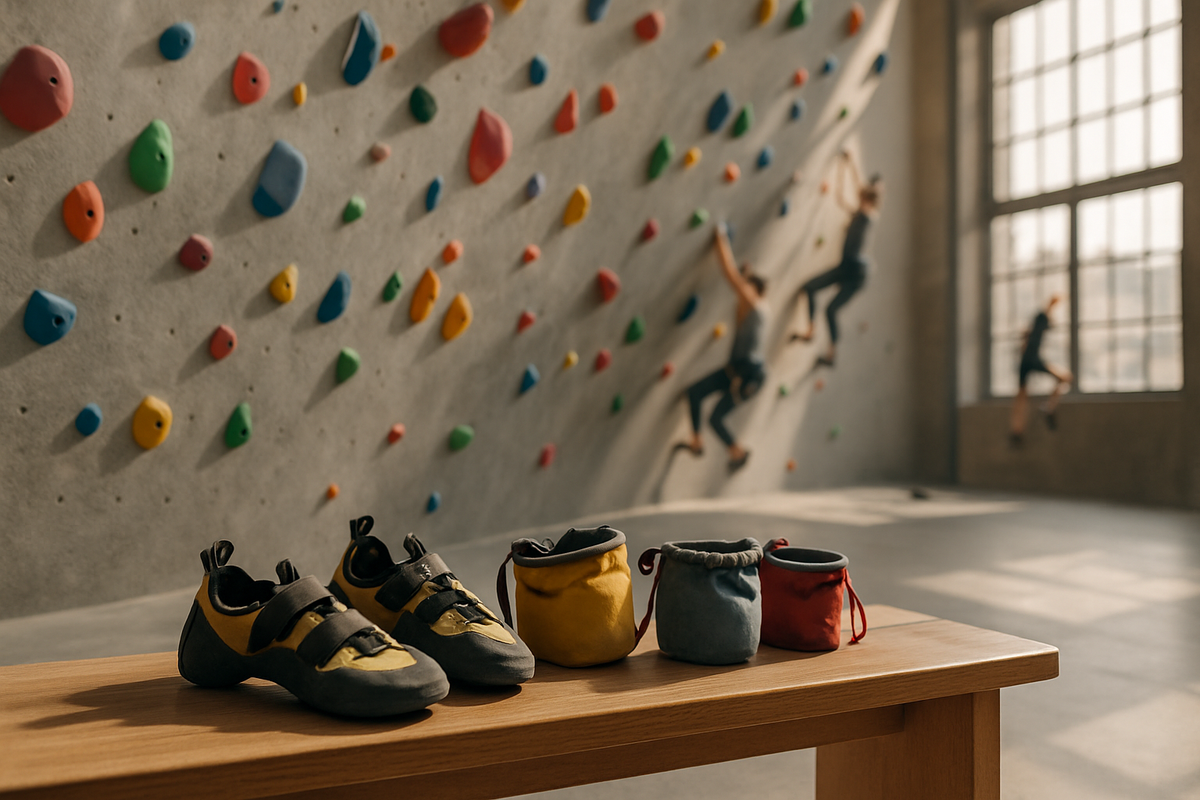
- Rock climbing gyms have expanded to more than 1,800 facilities in North America, attracting over 10 million participants annually as venues add fitness studios, cafes, and co-working spaces to become community hubs.
- Mental and emotional well-being has become the top motivation for exercise, with 78% of exercisers citing stress relief and mental health ahead of physical fitness or appearance goals as of 2026.
- Fitness venues are evolving into "third spaces" for social connection, with group classes, walking clubs, team challenges, and recreational leagues providing routine, structure, and low-pressure opportunities for interaction that support mental health.
Why More Adults Are Choosing Team Sports Over Solo Workouts
More adults are playing recreational sports in the U.S. now than at any point in the past twenty years. According to Sports & Fitness Industry Association data, 19% of U.S. adults now play team sports, up from 11% in 2020. The shift is not primarily about fitness outcomes but about accountability and community: people join because someone figured out that most of us will show up if a group is waiting on us.
Millennials are twice as likely as Generation X adults to participate in team sports, and new CivicScience data suggest stress relief is a growing motivator. This aligns with a broader rise in feelings of stress and declining overall well-being across the country. One national survey found 78% of exercisers cite mental or emotional well-being as their top reason for working out, ahead of physical fitness or appearance goals.
The economics reflect demand: with an average league fee of $90 and a participation rate of 20 percent among U.S. adults, the adult recreational sports sector is estimated to generate around $4.64 billion annually. Forty-seven percent of Gen Z adults aged 18 to 24 and 31% of Millennials aged 25 to 34 show some level of interest in joining a recreational league, according to CivicScience research.
Pickleball's Record-Breaking Growth Continues to Accelerate
24.3 million Americans played pickleball in 2025, representing a 22.8% year-over-year increase. More starkly, pickleball grew 171.8% from 2022 to 2025, making it the fastest-growing sport in the United States. The Sports & Fitness Industry Association called pickleball "the dominant multi-year growth leader across all tracked sports."
The demographic profile is shifting younger. The average age of a pickleball player is now 35 years old, and it's trending younger each year. While the sport initially gained popularity among older adults and retirees, it's now exploding among younger demographics, particularly Gen Z and millennials who are adopting pickleball as both a fitness outlet and a social scene.
Infrastructure is racing to keep pace. By 2026, the U.S. is expected to exceed 20,000 pickleball courts. The pickleball market is anticipated to grow to $2,030.1 million in 2026, and by 2027, revenues are forecasted to climb to $2,259.5 million. Pickleball-only clubs and lounges are appearing in urban and suburban areas, offering a modern social twist with food, drinks, and leagues in venues described as "Topgolf for pickleball."
Rock Climbing Gyms Transition From Niche to Mainstream Fitness Hub
As of 2024, there are over 3,700 dedicated rock climbing gyms operating globally, with more than 1,800 in North America alone. Indoor rock climbing continues to attract participants of all ages, with over 10 million individuals engaging in gym-based climbing activities annually. Adults form the dominant user base, comprising approximately 72% of all rock climbing gym participants globally.
The facilities themselves are evolving beyond climbing walls. Over 60% of new facilities now incorporate fitness studios, cafes, and co-working spaces to enhance user experience and revenue per visit. Auto-belay systems are gaining traction rapidly, appealing to newer climbers and those seeking solo climbing experiences, which lowers barriers for beginners who may not have a belaying partner.
The Climbing Business Journal reported a 15% year-over-year increase in youth participation in climbing gyms in 2023, signaling long-term growth pipelines. The rock climbing equipment market was valued at $1,044.43 million in 2025 and is expected to increase to $1,723.75 million by 2032.
Swimming Clubs and Open Water Events Build Community Around a Solo Sport
Swimming shows 29 million participants in the U.S., making it a stable major fitness activity. There are over 2,800 registered swimming clubs in the USA. While swimming laps remains a somewhat isolated activity, open water swimming events are becoming more and more popular in the USA, and there are a range of distances to choose from, from short sprint races to long-distance endurance events, so anybody can get involved whatever their ability.
The social element transforms the experience from solitary to communal. Swimming clubs and organized open water events provide structure, accountability, and a sense of belonging that mirrors the appeal of adult sports leagues and group fitness classes.
The Rise of Fitness as a "Third Space" for Mental Health and Social Connection
Fitness venues are being reframed as social anchors. When exercise environments become intentional third spaces, they evolve into communities where people feel seen, supported, and motivated to keep showing up. Studies have linked access to third spaces to better mental health, reduced loneliness, and stronger social support. These environments can provide routine, structure, and low-pressure opportunities for interaction, all of which contribute to emotional well-being.
Group classes, walking clubs, team challenges, and social fitness platforms foster consistency while supporting mental and emotional well-being. This trend reflects a growing recognition that fitness is not just physical but social, too. There's a broader cultural shift towards what's described as a "community-first fitness ecosystem." Running continues to grow as the most accessible and inclusive entry point into fitness, appealing across ages, abilities, and lifestyles.
What This Means for Readers
Editorial analysis — not reported fact:
If you've felt unmotivated by solo gym sessions or streaming workout apps, the data suggest you're not alone and that the solution may not be more discipline but more community. Recreational sports leagues, pickleball clubs, climbing gyms, and swimming groups are thriving because they offer something a treadmill cannot: accountability, social interaction, and a reason to show up that extends beyond fitness metrics.
For beginners, the barriers to entry are lower than ever. Many pickleball clubs welcome walk-ins and offer beginner sessions. Climbing gyms now feature auto-belay systems that allow solo visits without needing a partner. Adult sports leagues cater to all skill levels, and the average $90 league fee is competitive with boutique fitness memberships. If stress relief and mental well-being are your primary goals, these community-based activities may deliver better results than isolated workouts.
For parents, busy professionals, and older adults, recreational sports offer flexible formats. Many leagues run evening or weekend sessions, and the social component can double as networking or family time when kids' leagues run parallel to adult programs. If you've been searching for a sustainable fitness routine that doesn't feel like a chore, exploring a local pickleball club, climbing gym, or recreational league may be worth the experiment.
Sources & Further Reading
- Sports & Fitness Industry Association — national sports participation data, pickleball growth statistics, and swimming participation figures
- CivicScience — adult recreational sports league interest, stress relief motivations, and generational participation trends
- Mindbody Wellness Index — mental and emotional well-being as top exercise motivator
- Statista — recreational sports league market size and revenue estimates
- Grand View Research — pickleball market forecasts and court infrastructure projections
- IBISWorld — rock climbing gym industry statistics and global facility counts
- Climbing Business Journal — youth participation trends and facility design innovations
- Market Research Future — rock climbing equipment market valuation and growth forecasts
- American Psychological Association — third spaces, mental health, and social support research
- Runner's World — running as accessible fitness and community-first ecosystems
Editorial coverage of publicly reported health, fitness, wellness, nutrition, and active living developments. Move Weekly has no commercial relationship with any companies, gyms, studios, brands, events, experts, products, or organizations named.