Home Wellness Systems: Sleep, Movement & Recovery Spaces
Americans are building integrated wellness environments at home for sleep, fitness, recovery, and calm, with the market reaching $4.32 billion in 2026.
Key Takeaways
- Home wellness has evolved beyond fitness equipment into integrated environments designed to support sleep, movement, recovery, and mental calm across the entire living space, reflecting post-pandemic shifts in how Americans use their homes.
- The U.S. home fitness equipment market is projected to reach $4.32 billion by 2026, with free weights, treadmills, and yoga accessories leading purchases, while compact, app-connected gear dominates 2026 trends for apartment dwellers and frequent exercisers.
- Recovery corners with foam rollers, massage guns, and yoga mats are becoming standard in home setups, with experts recommending foam rolling three times weekly post-workout or before bed to relieve daily tightness.
- Sleep-optimized bedrooms maintain 60-67°F, complete darkness, and 30-50% humidity, with 2026 design trends favoring tech-free spaces, natural materials, and circadian lighting to support rest as a core wellness priority.
- Health-focused kitchen design reduces friction for nutritious choices by placing whole foods at eye level in clear containers, prioritizing convection ovens for faster cooking, and treating the space as a daily system rather than relying on willpower alone.
- Dedicated calm spaces for meditation and stillness are gaining traction even in small homes, with flexible wellness zones, private spa corners, and thoughtfully designed recovery areas now considered essential rather than indulgent by homeowners.
Why Home Wellness Is Replacing Traditional Gym Memberships
As we move through 2026, the concept of wellness at home has matured from makeshift pandemic workouts into a sophisticated, multi-billion dollar ecosystem. According to industry projections, the U.S. fitness equipment market will reach $4.32 billion by 2026, with the home and individual segment holding the largest share. This shift reflects more than convenience. It represents a cultural reset around what home actually means in American life.
The home is no longer just shelter or a place to sleep between work commutes. For millions of remote workers and families, it has become a health operating system. Smart, at-home strength-training gear now dominates consumer preferences, with technology-driven dumbbells syncing to apps for real-time feedback and guided workouts. The "home gym" of 2026 is defined not by dusty equipment gathering cobwebs, but by integrated digital experiences that rival professional trainers.
Compact Fitness Solutions for Every Living Space
Space constraints no longer prevent Americans from building home workout zones. Homeowners are turning small corners, balconies, and living rooms into functional fitness areas using movable racks, foldable benches, and wall-mounted storage to optimize every square foot. This trend particularly benefits apartment dwellers, who are embracing all-in-one systems and multi-use machines that deliver full workouts without taking over entire rooms.
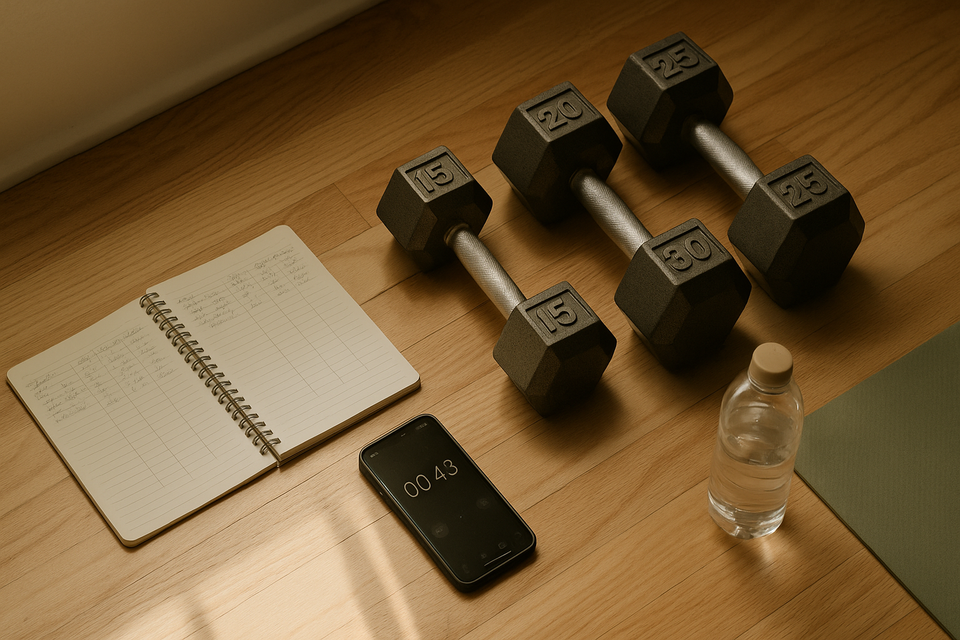
Consumer purchase patterns reveal clear priorities. Free weights are the most likely planned purchase, followed by treadmills, general home gym equipment, and yoga accessories. Within strength training specifically, dumbbells consistently top sales charts, with both fixed and adjustable versions popular. Those who work out most frequently over-index the general population in buying yoga accessories by 13 percentage points, ellipticals by 5 points, and stationary bikes by 4 points, according to Statista consumer research.
Recovery Spaces Become Standard Home Features
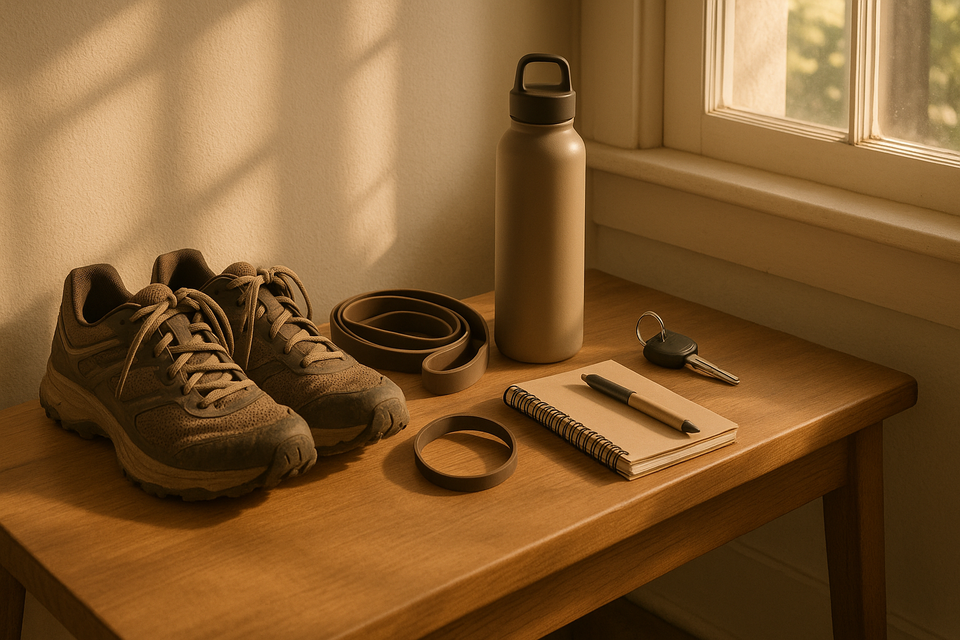
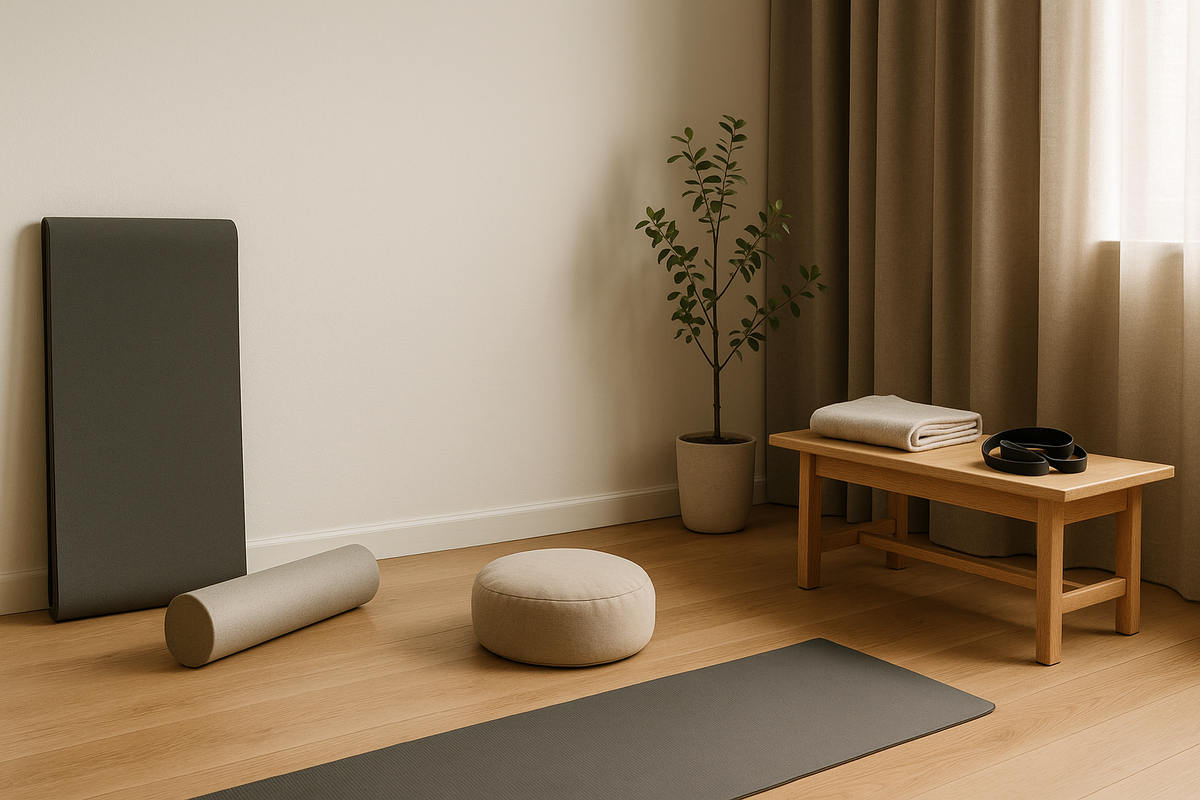
The integration of recovery and mindfulness tools marks a defining shift for 2026 home wellness. Creating recovery corners with yoga mats, foam rollers, and massage guns promotes both physical restoration and stress relief, reflecting the year's trend of mixing mental health with physical fitness routines.
Foam rolling, once confined to gyms and sports facilities, has become a home staple. Experts recommend incorporating foam rolling three times weekly for best results, whether post-workout, in the morning, or before bed to relieve tightness from daily activities. Meanwhile, massage guns have become more affordable and quieter, making them suitable for both home and travel use. Social media and fitness influencers have normalized post-workout recovery rituals, further driving demand for these devices.
Sleep-Optimized Bedrooms Replace Aspirational Master Suites
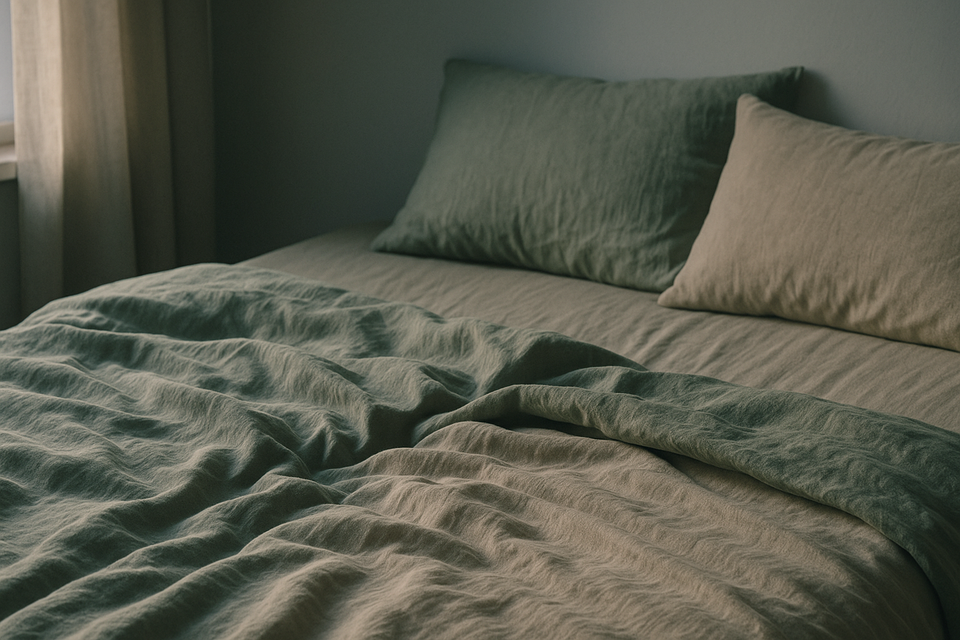
In 2026, bedroom design has shifted from aesthetics alone to supporting measurable sleep quality. The ideal sleep environment maintains 60-67°F temperature, complete darkness, 30-50% humidity, and minimal noise disruption, with a high-quality mattress as the foundation. Cooler room temperatures promote faster sleep onset and deeper rest cycles.
More Americans are creating tech-free bedrooms this year, recognizing that quiet, low-tech spaces allow the mind to truly unwind. Bedrooms are embracing clean lines, multifunctional furniture, and soothing neutral tones with warmth, texture, and calm taking precedence over visual drama. The focus has turned to fewer but better things, with timeless pieces that feel good, perform well, and last longer.
Bringing nature indoors through plants, wood textures, and natural fabrics creates calming environments, with studies showing natural elements lower stress and improve mood. Additionally, 63% of surveyed respondents prioritize good natural daylight in their homes, while thoughtfully placed fixtures, circadian lighting, automated shading and climate controls, indoor air quality, and acoustical planning all support sleep. Designing a home to protect sleep represents one of the highest-impact, least-discussed components of wellness architecture.
Kitchens Designed as Nutrition Support Systems
For busy parents and midlife couples trying to improve long-term nutrition, good intentions often collide with kitchens that make healthy choices feel like extra work. Health-focused kitchen design treats the space as a daily system supporting sustainable wellness through small, repeated choices rather than relying on willpower alone.
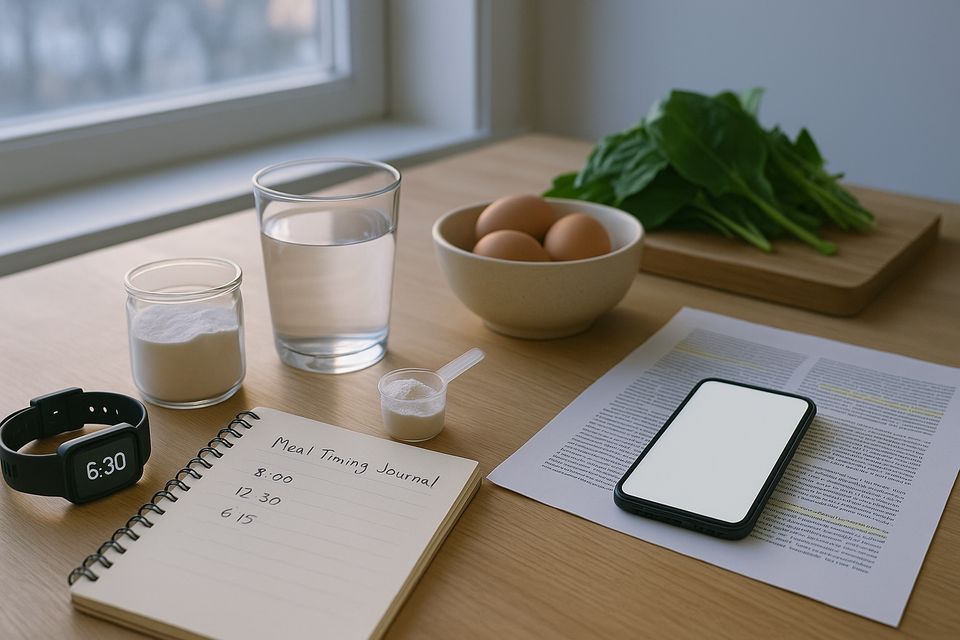
Practical features that reduce friction include convection ovens for faster roasting, quiet dishwashers so cleanup happens daily, and refrigerators with adjustable shelves fitting meal-prep containers. Arranging spaces so whole foods and minimally processed options are easiest to see and reach, using clear containers for whole grains, nuts, seeds, and dried fruits, makes nutritious defaults feel automatic rather than aspirational.
The environment created in kitchens significantly impacts food choices and eating habits. A well-organized kitchen makes healthy eating convenient and enjoyable, while cluttered or poorly stocked kitchens lead to poor dietary decisions. This principle applies to homeowners interested in wellness, especially those juggling work and family responsibilities where kitchen friction compounds across hundreds of daily decisions.
Meditation Corners and Calm Zones Gain Mainstream Adoption
Beyond movement and nutrition, Americans are carving out dedicated spaces for stillness. Growing interest in deliberately designed meditation and calm zones, even small corners within existing rooms, reflects a shift from aspirational wellness aesthetics to functional environments that gently encourage the body and mind to slow down.
Flexible spaces are being repurposed for wellness routines, including yoga areas, quiet recovery corners, and cold plunge or sauna spaces integrated into home layouts. The goal is a home that actively helps people feel better. Personal wellness spaces remain a top priority for many homeowners, with dedicated meditation rooms, private spa zones, and thoughtfully designed home gyms now considered essential rather than indulgent luxuries.
This trend is not about aesthetic perfection. It centers on comfort, containment, and creating environments where stress naturally dissipates. Even a cushion in a quiet corner with good light can serve as a daily anchor for breathing exercises or morning reflection, supporting mental health through environmental design rather than discipline alone.
What This Means for Readers
Editorial analysis — not reported fact:
If you are rethinking how your home supports your wellbeing in 2026, start with one room or one corner rather than attempting a full-home overhaul. For apartment dwellers or those with limited space, compact adjustable dumbbells and a foldable yoga mat can transform a living room corner into a functional workout zone. Frequent exercisers may benefit most from investing in yoga accessories and recovery tools like foam rollers, which over-index among active consumers and support the 3-times-weekly recovery routines experts recommend.
For parents and busy professionals struggling with nutrition despite good intentions, kitchen redesign does not require renovation. Simply moving whole foods to eye-level shelves in clear containers and placing less nutritious snacks in harder-to-reach spots can shift daily choices without relying on willpower. Pairing this with one high-efficiency appliance like a convection oven reduces friction around meal prep.
Sleep quality improvements may offer the highest return on effort. If your bedroom runs warm, lowering the thermostat to the 60-67°F range and adding blackout curtains costs less than most fitness equipment yet directly impacts recovery, mood, and energy. Removing screens and chargers from the bedroom, even if it means buying an alarm clock, creates the tech-free environment that supports deeper rest cycles.
Finally, if stress management is your priority, a dedicated calm space need not be a full room. A chair near a window with a plant, a meditation cushion, and natural light can serve as a daily anchor for breathwork or quiet reflection. The 2026 wellness-at-home movement is less about perfection and more about intentional design that makes healthy defaults feel automatic across sleep, movement, nutrition, and mental calm.
Sources & Further Reading
- Mordor Intelligence: United States Fitness Equipment Market Analysis — market size projections and segment breakdowns for 2026
- Tom's Guide: Home Gym Trends 2026 — compact designs, smart technology, and recovery integration trends
- Statista: Fitness Equipment Purchase Intentions in the U.S. — consumer purchase patterns by equipment category and workout frequency
- RunRepeat: State of Home Workout Report — dumbbell sales data and massage gun adoption trends
- Verywell Fit: Foam Roller Exercises for Beginners — frequency recommendations and usage timing for foam rolling
- Sleep Foundation: Bedroom Environment Guide — optimal temperature, humidity, lighting, and noise levels for sleep quality
- Apartment Therapy: Bedroom Design Trends 2026 — natural materials, neutral tones, and biophilic design elements
- Luum: How Home Design Impacts Sleep Quality — circadian lighting, acoustics, and homeowner priorities for natural daylight
- Zócalo Public Square: The Kitchen as Healthy Eating Hub — kitchen design principles that support sustained nutritious choices
- Apartment Therapy: Home Design Trends 2026 — flexible wellness spaces, meditation rooms, and private spa zones
Editorial coverage of publicly reported health, fitness, wellness, nutrition, and active living developments. Move Weekly has no commercial relationship with any companies, gyms, studios, brands, events, experts, products, or organizations named.