Adaptive & Inclusive Fitness: Gyms Redesigning for Every Body
Gyms are building accessible facilities, adaptive programming, and body-affirming spaces as fewer than 30% of U.S. adults meet strength guidelines.
Key Takeaways
- Adaptive fitness infrastructure is scaling nationwide: Organizations like Inclusive Fitness have delivered over 25,000 sessions to more than 450 athletes, running over 650 monthly sessions for neurodivergent and disabled populations as of 2026.
- Fewer than 30% of U.S. adults meet muscle-strengthening guidelines, a gap driven partly by accessibility barriers across approximately 114,370 gyms and fitness centers nationwide.
- Plus-size fitness spaces are emerging as a distinct market segment, with gyms like All Bodies Strong in Portland addressing equipment weight capacity, seat sizing, and body-affirming culture as approximately 67% of American women wear size 14 or above.
- Accessible facility design includes ramps, automatic doors, adaptive equipment, and specialized staff training at centers such as Ability360 in Arizona and The League's Wellness Center in Baltimore.
- Judgment-free and beginner-safe models like Planet Fitness attract casual exercisers with policies such as the Lunk Alarm to discourage intimidating behavior and create supportive environments for new members.
- Inclusive coaching certifications are expanding professional capacity, with programs from ACSM and the Adaptive Fitness Coalition training instructors to serve clients with physical disabilities, intellectual disabilities, autism, and ADHD.
Why Adaptive and Inclusive Fitness Is Reshaping the Industry in 2026
The U.S. fitness industry is undergoing a fundamental transformation around inclusion. While approximately 114,370 gyms, fitness centers, and health clubs operate across the United States, fewer than 30% of U.S. adults meet the recommended guidelines for muscle-strengthening activity, a gap driven partly by accessibility barriers. In 2026, families, clinicians, and communities increasingly demand training options that work for people with disabilities, neurodivergence, larger bodies, and sensory differences.
Mainstream gym chains and boutique studios are no longer treating inclusion as a side initiative. Fitness evolution in 2026 emphasizes experiences that are personalized, inclusive, and data-driven, supporting diverse lifestyles, ages, and health needs. For everyday consumers—particularly those intimidated by traditional gym culture, adults with disabilities, plus-size athletes, neurodivergent individuals, and complete beginners—the fitness landscape is finally offering welcoming alternatives with real structural change.
National Organizations Scaling Adaptive Programming
Inclusive Fitness was founded by Greg and Kristina Austin, parents of an autistic young man, who believe everyone deserves access to high-quality fitness designed for their needs. The organization offers a welcoming space where neurodivergent athletes can build real strength, having delivered over 25,000 sessions to more than 450 athletes and running over 650 sessions each month as of 2026.
The Adaptive Fitness Coalition serves gym owners and coaches who want to serve adaptive and neurodiverse populations, covering both physical and intellectual disabilities as well as neurodiverse needs like autism and ADHD. The organization offers fully online mentorship and certification courses available across the United States. In North Dallas, Special Strong provides comprehensive, inclusive training for individuals with disabilities, offering specialized programs tailored to unique needs with state-of-the-art equipment and personalized workout plans, with certified trainers specially trained to work with autism.
How Facilities Are Redesigning for Accessibility
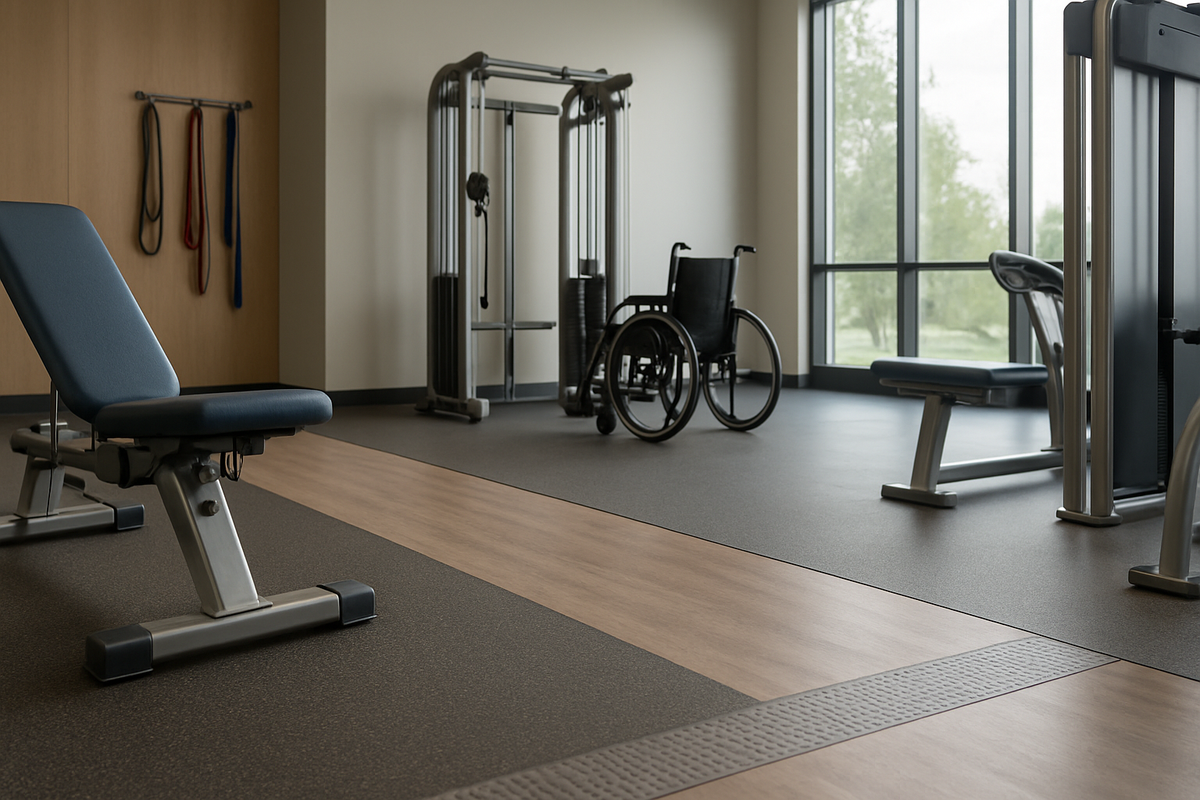
Adaptive fitness centers often feature accessible gym facilities equipped with ramps, automatic doors, and adaptive equipment, with trainers and instructors receiving specialized training in working with different disabilities to ensure every participant feels safe, understood, and supported.
Specific examples demonstrate this infrastructure in practice. US Adaptive Athletics operates a center in Arizona that enables disabled citizens to achieve their fitness and training goals, housing equipment customized to the needs of people with disabilities. Ability360 is a state-of-the-art fitness center that offers programs empowering people with disabilities to lead independent lifestyles, including an area where wheelchair-using athletes can exchange their wheelchair for a sports wheelchair and locker rooms with wide doorways for easier navigation.
In Baltimore, The League's Wellness Center is a multifaceted exercise and rehabilitation fitness center for individuals of all ages and abilities, equipped with state-of-the-art machines and dedicated personal trainers, including rehabilitative services provided by MedStar Health's Good Samaritan Hospital Rehabilitation Services.
Judgment-Free Zones and Beginner-Safe Environments
Planet Fitness' "Judgment-Free Zone" philosophy creates a welcoming and non-intimidating environment for beginners and casual exercisers, catering to those looking for general fitness. The "Judgement Free Zone" was developed by founders Marc and Michael Grondahl in 1992, when they determined that people didn't want to go to the gym because of the judgmental atmosphere most gyms exhibit. Planet Fitness uses a Lunk Alarm that goes off if someone grunts too loud or drops weights hard, to stop show-off behavior that makes beginners uncomfortable.
A judgment-free fitness gym is a place where everyone, regardless of their fitness level, feels welcome and comfortable, focusing on creating a supportive environment to help members pursue personal fitness journeys without fear of judgment. Beyond Planet Fitness, local community centers often offer beginner-friendly programs, and YMCA branches and boutique studios provide slower-paced options for those new to structured exercise.
Plus-Size and Body-Affirming Fitness Spaces
A growing segment of dedicated plus-size fitness spaces is emerging to address long-standing gaps. Christina Malone and Will Lay founded their fat-positive gym, All Bodies Strong, in Portland in 2023. As plus-size athletes, they'd seldom found a space designed for their bodies, with machine weight capacities often too low to use safely, seats not wide or deep enough, and gym culture mercilessly prejudiced against their bodies.
In Atlanta, Clarity Fitness is a scale-free, diet-free, BMI-free, beating-yourself-up-free establishment, Georgia's first body positive fitness studio. The studio aspires to help clients find their version of joyful movement—workouts that don't feel like a burden because you're doing what feels good for your body in that exact moment—with a mission to take care of the body from a place of care, not punish it from a place of hate. Power Plus Wellness curates private body affirming fitness and wellness events for plus-size communities to access movement and healing free of diet culture.
This market segment reflects broader consumer reality. The plus-size clothing market reached $315.27 billion in 2025 and is expected to grow at a CAGR of 5.67% to reach $415.21 billion by 2030, with approximately 67% of American women wearing a size 14 or above—nearly two-thirds of the female population historically underserved by traditional fashion brands.
Inclusive Coaching Certifications and Professional Training
ACSM offers an Inclusive Fitness Specialist Certificate designed to help professionals create safe and effective fitness environments for people with disabilities. The Adaptive Fitness Coalition similarly provides mentorship and certification for coaches who want to serve adaptive and neurodiverse populations effectively.
Size Inclusive Fitness Specialist Programs are also emerging to prepare group fitness instructors to engage in classes with people of various body types in an inclusive and supporting way, creating an atmosphere where all participants feel welcome regardless of size or shape.
What This Means for Readers
Editorial analysis — not reported fact:
If you've avoided gyms because you felt unwelcome, too big, too new, or unable to use standard equipment safely, the fitness industry in 2026 is finally building spaces with you in mind. Look for facilities that explicitly mention accessible equipment, adaptive programming, or judgment-free policies in their marketing. Ask whether trainers hold inclusive fitness certifications and whether the gym has experience working with your specific needs, whether that's autism, wheelchair use, chronic pain, or simply being a complete beginner.
For parents of neurodivergent children or adults with disabilities, organizations like Inclusive Fitness and Special Strong offer structured, safe environments with trainers who understand sensory sensitivities, communication differences, and individualized progression. These are not modified group classes tacked onto a mainstream schedule; they are purpose-built programs with dedicated staff and appropriate equipment.
For plus-size adults, body-affirming gyms like All Bodies Strong and Clarity Fitness eliminate the anxiety of squeezing into too-small equipment or enduring weight-loss-focused messaging. Joyful movement—exercise that feels good rather than punitive—is a legitimate fitness goal, and these spaces are designed to support it.
Before joining any gym, visit in person during the hours you'd typically work out. Observe whether the clientele looks diverse in age, size, ability, and fitness level. Ask about trial sessions, beginner onboarding, and whether staff can accommodate specific needs. The right gym should feel welcoming from the first conversation, not after you've already signed a contract.
If you have a disability, chronic condition, or are managing an injury, consult with a healthcare provider before beginning a new fitness program to ensure the activities and intensity are appropriate for your individual health status.
Sources & Further Reading
- IBISWorld: Number of Gyms, Fitness Centers & Health Clubs in the U.S. — industry size and establishment count
- CDC: Physical Activity Data and Statistics — adult participation in muscle-strengthening activity
- Inclusive Fitness — adaptive programming for neurodivergent athletes, session counts, and founder background
- Adaptive Fitness Coalition — certification and mentorship for coaches serving adaptive and neurodiverse populations
- Special Strong — adaptive fitness programs in North Dallas for individuals with disabilities
- Verywell Fit: Adaptive Fitness Centers — accessible facility features and trainer specialization
- US Adaptive Athletics — Arizona-based adaptive fitness center and equipment
- Ability360 — state-of-the-art fitness center for people with disabilities
- The League for People with Disabilities: Wellness Center — Baltimore fitness and rehabilitation facility
- Planet Fitness: About Planet Fitness — Judgment-Free Zone philosophy and founder history
- All Bodies Strong — fat-positive gym in Portland with adaptive equipment
- Clarity Fitness — Georgia's first body positive fitness studio
- Power Plus Wellness — body affirming fitness events for plus-size communities
- Grand View Research: Plus-Size Clothing Market Report — market size, growth projections, and consumer demographics
- ACSM: Inclusive Fitness Specialist Certificate — professional certification for inclusive fitness environments
- Mindbody: Fitness Trends 2026 — personalized, inclusive, and data-driven fitness evolution
Editorial coverage of publicly reported health, fitness, wellness, nutrition, and active living developments. Move Weekly has no commercial relationship with any companies, gyms, studios, brands, events, experts, products, or organizations named.