Free & Budget Fitness: The Rise of Accessible Wellness in 2026
From $10 gym memberships to free park fitness classes and a 59% surge in run clubs, budget-conscious Americans are redefining wellness accessibility in 2026.
Key Takeaways
- Free fitness apps now dominate the $14 billion U.S. fitness app market, with platforms like Nike Training Club offering 190+ guided workouts at no cost after removing premium tiers in 2021.
- Budget gym memberships start as low as $9.95 per month at Crunch Fitness and $10 per month at Planet Fitness, making structured strength and cardio training accessible to millions of Americans feeling the squeeze of 27% food price increases since 2021.
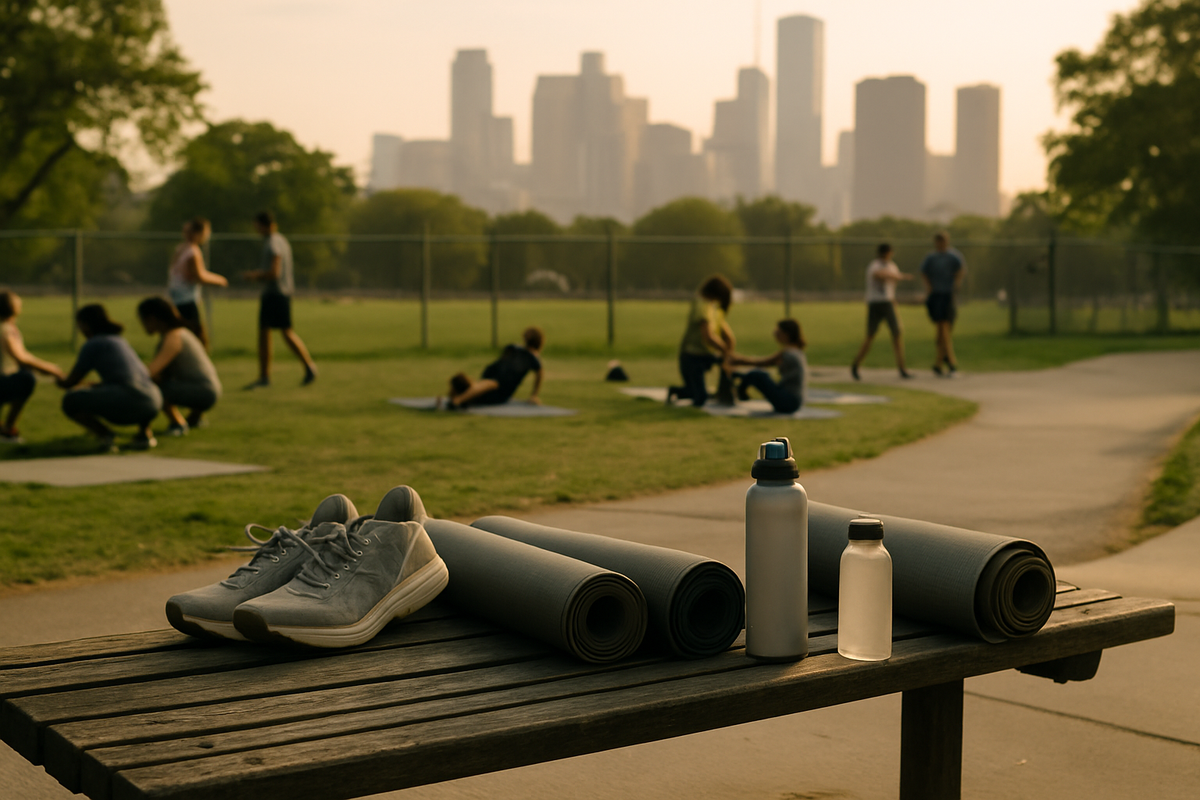
- Free public park fitness classes have expanded nationwide in 2026, with major cities like Chicago, Los Angeles, Phoenix, Portland, and New York offering no-cost yoga, strength training, and group cardio sessions open to all fitness levels.
- Run clubs surged 59% globally in 2024, driven by Gen Z runners seeking social connection, with approximately 50 million Americans now participating in running and jogging activities through free weekly meet-ups.
- Outdoor fitness stations in public parks provide free resistance training, pull-up bars, and cardio equipment in most major U.S. cities, eliminating the cost barrier to strength training entirely.
- Dance studios offer structured cardio for $30–$60 per month with unlimited classes, often costing less than traditional gym memberships while delivering full-body workouts through Zumba, hip-hop, and ballet barre.
Why Budget Fitness Became Mainstream in 2026
Food prices are up 27% compared to five years ago, and gym memberships have become a genuine financial burden for many Americans. As consumers navigate persistent inflation, they're pivoting away from premium fitness studios toward free or low-cost alternatives that deliver results without the monthly dues. This shift represents a fundamental change in how Americans think about wellness accessibility.
The global fitness app market is projected to reach over $14 billion by 2026, with the United States as one of the biggest contributors. More important than the market size is the reason: gym memberships are becoming expensive, schedules are busier, and not everyone has access to personal trainers, according to industry analysts tracking the sector.
This convergence of economic pressure and digital accessibility has created a new wellness landscape where "free" no longer means "low quality." In spring 2026, millions of Americans are discovering that effective fitness programming exists outside the $200-per-month boutique studio model.
Free Fitness Apps That Deliver Real Programming
Nike Training Club offers 190+ guided workouts across strength, endurance, yoga, and mobility, with reviewers highlighting its production quality and celebrity trainer involvement. The app removed its premium tier in 2021, making the full library accessible at no cost. This strategic shift reflects broader industry recognition that ad-supported or brand-building models can sustain high-quality fitness content.
YouTube hosts an enormous library of free fitness content from creators like Sydney Cummings, Heather Robertson, and POPSUGAR Fitness, offering everything from 10-minute ab workouts to 45-minute strength sessions. However, there's a critical quality gap between structured programs and random video consumption.
A 2024 IHRSA study found that people using structured fitness programs were three times more likely to still be exercising six months later than those using unstructured content. The takeaway for readers: free works, but structure matters. Apps that provide progressive training plans, rest day scheduling, and skill progression deliver better long-term results than picking random workout videos daily.
Budget Gym Chains at $10 Per Month
Crunch Fitness offers the lowest starting price at $9.95 per month, followed closely by Planet Fitness at $10 per month for basic home club access. These memberships typically include weight rooms, group classes, and 24/7 access without breaking monthly budgets.
For $22.99 per month, Planet Fitness's Black Card upgrade adds access to all locations nationwide, plus guest privileges and massage chairs. The fitness industry is valued at over $35 billion, meaning competition keeps prices low at the entry level even as premium studios charge 10 to 20 times more.
Dance studios offer a surprisingly affordable alternative to traditional gym memberships, with many charging $30 to $60 per month for unlimited classes. Beyond the cost savings, structured dance workouts deliver cardio, flexibility training, and strength work in every session. Styles like Zumba, hip-hop, and ballet barre provide full-body workouts without the monotony of treadmill routines.
Free Public Park Fitness Classes Across Major Cities
Major U.S. cities have launched free park-based wellness initiatives at scale in 2026. The Chicago Park District celebrates "May in Motion," an initiative dedicated to promoting health, wellness, and an active lifestyle for Chicagoans in all 77 community areas. Since its launch in 2024, the program has inspired residents of all ages and abilities to get moving with access to a multitude of wellness and health programs.
Los Angeles County has at least 31 fitness zones that provide a place where you can engage in moderate- to high-impact resistance exercise alone or in groups, free of charge. LA County's sixty parks are designed for all kinds of fitness needs, from fitness zones to yoga classes to walking clubs.
FitPHX provides free community health and wellness programs open to all ages, levels, and abilities. Portland Parks & Recreation's Fitness in the Park is back for spring and summer 2026, with free group fitness classes led by instructors at Irving Park and expanding to nine locations across Portland beginning Monday, June 22. NYC Parks offers diverse fitness programs, from invigorating dance classes to strength-building routines and tranquil yoga sessions, catering to every fitness level.
Outdoor gyms, free public fitness stations installed in parks and recreation areas, are one of the most genuinely cost-free alternatives available. Most major cities and many suburban parks now have pull-up bars, resistance stations, parallel bars, and cardio equipment fully accessible to the public at no charge.
Run Clubs: The Free Fitness Community Boom
This is perhaps the biggest grassroots fitness trend of 2026. Global run club memberships surged by 59% in 2024, indicating strong and sustained interest in community-based running. In the U.S. specifically, there has been a 25% increase in running clubs over the past five years, with approximately 50 million people now participating in running and jogging activities.
Gen Z is a key demographic in this trend, with nearly half running four to six times a week or daily, and 72% joining run clubs primarily to meet new people. Their preference for social connection over solitary exercise is a major driver of the run club boom.
Run clubs offer something gyms cannot: genuine connection without a membership fee. Most running clubs are free to join, welcome all fitness levels, and meet weekly for social runs that often end at local bars or coffee shops. According to the Bay Area-based fitness platform Strava, runners in grouped activities logged 78% more active time than those who ran solo.
The best ways to find local running clubs include searching Instagram for "[your city] run club," checking with local running stores that often host or know about clubs, looking on Meetup.com, asking at your local gym, or searching the Road Runners Club of America (RRCA) directory. Popular clubs include 214 Run Club in Dallas, Lunge Run Club and Almost Friday Run Club in NYC, Brickell Run Club in Miami, Chicago Run Collective in Chicago, and Venice Run Club in Los Angeles.
What This Means for Readers
Editorial analysis — not reported fact:
The rise of budget-conscious wellness in 2026 means that financial constraints no longer need to dictate your fitness trajectory. If you've been delaying a return to consistent exercise because premium studio memberships felt out of reach, this is your permission structure: effective programming exists at every price point, including free.
For busy professionals, free fitness apps like Nike Training Club offer 20-minute strength sessions that fit into lunch breaks without the commute to a gym. For parents juggling childcare costs, free park fitness classes provide structured workouts while kids play nearby. For older adults on fixed incomes, community run clubs offer low-impact walking groups and social connection that combat isolation as effectively as they support cardiovascular health.
The data on structured programming matters here. If you're using free resources, prioritize apps or YouTube creators who offer progressive training plans rather than one-off workouts. Look for programs that build week to week, include rest days, and teach proper form. The three-times-higher adherence rate for structured programs suggests that a free 12-week beginner strength plan will serve you better than random daily workouts, even if both are technically "free."
For those considering budget gym memberships, the $10-per-month tier at Planet Fitness or Crunch Fitness delivers access to all the equipment needed for a complete strength and cardio program. If you're new to strength training or unsure where to start, consult a qualified personal trainer for an initial session to learn proper form, then continue independently using free workout plans available through the gym or online resources.
Run clubs deserve special attention for their mental health and social benefits. If loneliness or motivation are bigger barriers than cost, a free weekly run club may address both simultaneously. Check local clubs on Instagram or the RRCA directory, and show up to a beginner-friendly run. Most clubs welcome walkers and offer multiple pace groups.
Sources & Further Reading
- Fitness app market projections — global market forecast reaching $14 billion by 2026
- Nike Training Club app — 190+ free guided workouts across multiple training modalities
- 2024 IHRSA health club consumer report — structured program adherence and long-term exercise continuation data
- Crunch Fitness membership pricing — $9.95 per month entry-level memberships
- Planet Fitness membership options — $10 per month basic access and $22.99 Black Card nationwide access
- Chicago Park District May in Motion — free wellness programs in all 77 community areas
- Los Angeles County Parks fitness zones — 31 free fitness zones and 60 parks with wellness programming
- FitPHX free community fitness programs — no-cost health and wellness programs open to all ages and abilities
- Portland Parks & Recreation Fitness in the Park — free group fitness classes at nine locations, spring and summer 2026
- NYC Parks fitness programs — diverse free fitness classes including dance, strength, and yoga
- Strava Year in Sport 2024 — 59% surge in global run club memberships and grouped activity data
- Road Runners Club of America directory — national directory of local running clubs
Editorial coverage of publicly reported health, fitness, wellness, nutrition, and active living developments. Move Weekly has no commercial relationship with any companies, gyms, studios, brands, events, experts, products, or organizations named.