Home Wellness Spaces: Recovery, Sleep & Healthy Routines
Over 50% of Americans now use home-based workouts as their primary exercise mode. Here's how to design spaces for movement, recovery, sleep, and nutrition in 2026.
Key Takeaways
- Home-based wellness is now mainstream: Over 50% of Americans use home workouts as their primary exercise mode, shifting wellness infrastructure from gyms to intentional home spaces designed for movement, recovery, and restoration.
- 2026 home gyms prioritize smart tech and recovery zones: AI-powered workout platforms adapt training in real time based on daily energy and recovery status, while dedicated recovery corners with foam rollers, massage guns, and mindfulness tools blend mental and physical health.
- Healthy kitchens run on workflow, not gadgets: A prep-to-cook-to-store layout within a few strides, quality basics like a sharp knife and glass storage containers, and AI-powered pantry management make consistent meal prep easier than gear alone.
- Sleep environment optimization reduces cortisol by 15%: The National Sleep Foundation recommends bedroom temperatures of 60-67°F, blackout curtains or eye masks to block early-morning light disruptions, and natural breathable bedding materials like cotton, bamboo, or linen.
- Recovery modalities are moving from elite athletes to everyday routines: Home saunas, cold plunges, red-light therapy, and lymphatic drainage tools have become accessible, with consistent simple rituals outperforming elaborate setups used infrequently.
- Mental health drives home wellness investment: 79% of US adults now consider mental health equal to or more important than physical health, fueling demand for calm spaces, air purification, meditation rooms, and tech-free zones at home.
Why Americans Are Redesigning Homes for Wellness in 2026
More than half of Americans now rely on home-based workouts as their primary exercise mode, marking a permanent shift in where wellness happens. In 2026, the home has evolved from a place people live into a place that helps them live well. Beyond fitness equipment, Americans are investing in natural light, improved air quality, flexible wellness spaces for yoga or recovery, and even dedicated sauna or cold plunge areas.
The driver is clear: 79% of US adults now consider mental health equal to or more important than physical health, according to the American Psychological Association. They want accessible, daily solutions that fit their routines without requiring gym memberships, commutes, or appointment slots. The home wellness trend reflects a broader integration of physical recovery, mental calm, nutrition infrastructure, and restorative sleep into everyday domestic life.
Smart Home Gyms: Adaptive Tech and Recovery-First Design
Free weights, treadmills, general home gym equipment, and yoga accessories lead planned purchases among US consumers. But 2026's biggest shift isn't just equipment ownership. It's the integration of smart technology, space-saving designs, and recovery tools into personalized systems that adapt to your specific needs and goals.
AI-powered workout platforms now learn from your workout history and adjust training in real time. These systems track fitness level, energy, available time, and how you're feeling each day, then recommend exercises that match your current abilities and recovery status. The result is training that bends around life, not the other way around.
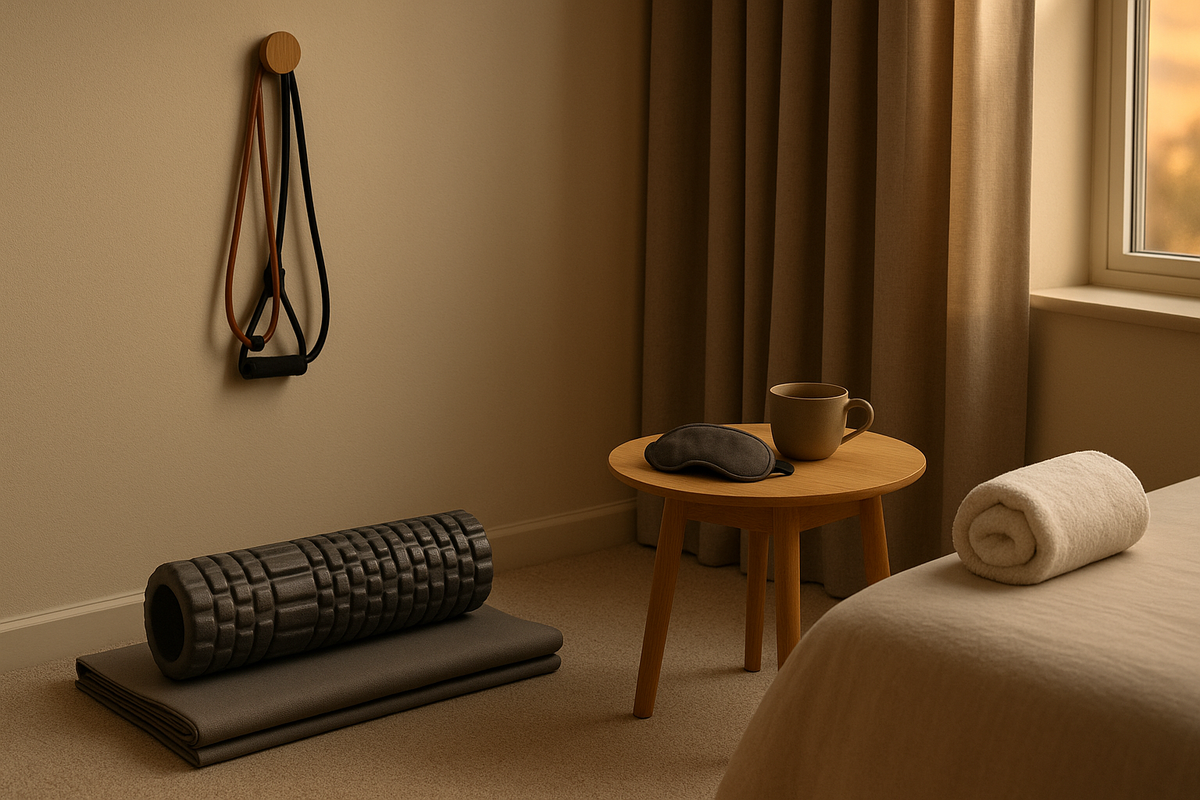
Recovery zones are now standard. Creating a dedicated corner with yoga mats, foam rollers, or massage guns promotes mindfulness and stress relief between sessions. Mixing mental health tools with physical fitness equipment is a defining home gym trend for 2026. For budget-conscious beginners or apartment dwellers, a $500 to $1,500 starter setup around one quality cardio machine and a set of adjustable dumbbells provides a strong foundation without overcommitting space or money.
Healthy Kitchen Setup: Workflow Beats Gadgets
The 2026 healthy kitchen prioritizes function and flow over appliance volume. Core tools include a very good knife, a quality cutting board, airtight food storage with matching lids, a large baking sheet, and at least one large non-reactive pot. When you declutter your kitchen, ensure your equipment works for you, and plan for meals you actually enjoy, meal prep becomes significantly easier.
Two specific upgrades stand out in 2026. Air fryers allow you to achieve crispy texture while using significantly less oil than traditional frying, making vegetables, fish, and lean proteins more convenient and appealing. The convenience factor supports healthier eating habits over time. Glass food storage containers make meal preparation, portion control, and food waste reduction easier, and they're durable, microwave-safe, and easy to clean.
AI is entering meal planning through predictive pantry management. Some systems scan barcodes or use manual logs to track what's in your kitchen, alert you when you're running low, and suggest recipes that match ingredients you already have. But the foundation remains spatial: map a prep-to-cook-to-store workflow before you pick cabinets. Stand where you'll wash, chop, cook, and pack leftovers, then keep those steps within a few strides of each other. Put the sink, trash or compost pull-out, and main prep counter together; keep the stove and spices or oils just to the side; place food containers near the fridge. Fewer detours makes weeknight cooking feel lighter and faster.
Sleep Environment: Science-Backed Temperature, Darkness, and Materials
Temperature is non-negotiable. The National Sleep Foundation recommends 60-67°F (15-19°C) as the optimal bedroom temperature range for quality sleep. Darkness and light control are equally critical. Dr. Cheri Mah, a sleep researcher, recommends using a comfortable eye mask or blackout curtains to block out light sources, noting that early-morning light can come through blinds and cause awakenings you're not even aware of.
Phones, tablets, and TVs emit blue light that disrupts melatonin, the sleep hormone. More people are creating tech-free bedrooms in 2026 to support natural circadian rhythms. Materials also matter: heavy synthetic fabrics trap heat and cause night sweats, while natural materials like cotton, bamboo, linen, and wool regulate temperature and allow airflow, keeping you cool in summer and warm in winter.
The psychological impact is measurable. A 2024 study by the Sleep Foundation revealed that an optimized environment can reduce cortisol levels by 15% before you even close your eyes. High cortisol keeps your brain alert when it should be powering down, making environmental optimization a practical tool for stress management.
Recovery Corners: From Elite Athlete Luxury to Everyday Essential
Home saunas, cold plunges, red-light therapy systems, dedicated recovery spaces, meditation rooms, and air purification systems have become far more accessible than they were even a decade ago. Recovery modalities like cryotherapy, red light therapy, infrared sauna, and lymphatic drainage are moving from elite athlete circles into mainstream wellness routines. Consumers are learning that recovery isn't passive—it's performance for life, helping recharge systems, calm inflammation and digestion, regulate stress hormones, and restore balance.
What makes at-home recovery stick? Practitioners report that homeowners with elaborate wellness suites featuring top-tier saunas, cold plunges, and red light panels sometimes use them twice a month because the setup demands too much mental bandwidth. Meanwhile, people with simpler, more intentional spaces transform their sleep, energy, and stress levels inside 60 days because the ritual was easy to repeat every single day.
Of all at-home recovery modalities available to homeowners, the sauna offers the most well-documented combination of physical and mental benefits, and it integrates naturally into both morning and evening routines. Start with your goals and available space, then build outward from the cornerstone of heat therapy.
What This Means for Readers
Editorial analysis — not reported fact:
The shift toward home wellness infrastructure isn't about buying more gear or building spa-style suites. It's about designing spaces that reduce friction for the habits you want to keep. If you struggle with consistent meal prep, a five-minute kitchen workflow audit—mapping where you wash, chop, cook, and store—will likely have more impact than a new appliance. If sleep is inconsistent, start with temperature and darkness before investing in expensive mattresses or supplements.
For readers just starting, the $500 to $1,500 home gym tier offers a practical entry point: one cardio machine and adjustable dumbbells cover strength and cardio basics without overcommitting space or budget. Pair that with a simple recovery corner—a yoga mat, foam roller, and massage gun in a corner you can access daily—and you've built a system that supports both training and restoration.
The key insight from 2026's home wellness trends is that consistency beats complexity. A tech-free bedroom with blackout curtains, breathable cotton sheets, and a 65°F thermostat will outperform an elaborate sleep environment you only optimize occasionally. A kitchen with glass meal prep containers, a sharp knife, and ingredients within arm's reach will support better nutrition than a pantry full of unused gadgets. And a simple sauna or cold plunge ritual used three times a week will deliver more recovery benefits than an underused wellness suite.
If you're considering home wellness upgrades, start with the space or habit that feels hardest right now—sleep, meal prep, recovery, or movement—and focus on removing one point of friction. The goal is to make healthy routines easier to repeat, not more impressive to describe.
Sources & Further Reading
- National Center for Biotechnology Information: Home-Based Exercise as Primary Mode — research on the shift to home-based fitness in the US
- American Psychological Association: Mental Health Priorities in 2023 — survey data on US adult attitudes toward mental and physical health
- Statista: Home Fitness Equipment Purchase Trends — consumer purchase data for home gym equipment categories
- NCBI: AI-Powered Adaptive Workout Platforms — research on machine learning applications in personalized fitness programming
- Verywell Fit: Best Home Gym Equipment by Budget — buying guide for starter home gym setups
- Real Simple: Essential Kitchen Equipment — core tools and workflow principles for healthy home cooking
- Healthline: Air Fryer Health Benefits — nutritional and convenience benefits of air fryer cooking
- Sleep Foundation: Best Temperature for Sleep — evidence-based bedroom temperature recommendations
- Health: Best Bedding Materials for Temperature Regulation — comparison of natural and synthetic bedding fabrics
- Sleep Foundation: Optimizing Bedroom Environment — research on cortisol reduction and sleep environment factors
Editorial coverage of publicly reported health, fitness, wellness, nutrition, and active living developments. Move Weekly has no commercial relationship with any companies, gyms, studios, brands, events, experts, products, or organizations named.