Longevity & Biohacking Goes Mainstream in 2026
Cold plunges, saunas, and time-restricted eating have moved from niche experiments to evidence-based longevity practices. Here's what Americans are doing.

Key Takeaways
- Biohacking market growth: The global biohacking market is valued at $56.2 billion in 2026 and is projected to reach $134.75 billion by 2030, with North America holding a 38.7% share as mainstream adoption accelerates among everyday consumers.
- Thermal therapy adoption: Cold plunge tubs and saunas have moved from niche circles into mainstream gyms, spas, and home setups, with Finnish research linking frequent sauna use to 40% lower all-cause mortality over 20 years.
- Cold exposure dopamine boost: A single 2-3 minute cold plunge can increase dopamine levels by 200-300% for several hours, rivaling many pharmacological interventions for mood and focus enhancement.
- Time-restricted eating goes mainstream: Time-restricted eating has moved from biohacking niche to mainstream recommendation, with research showing people can lose 3 to 8 percent of their starting weight over several months.
- Wearable tracking prevalence: 55% of regular exercisers in the US now use wearables to monitor biometrics, reflecting the shift from elite optimization to everyday health tracking.
- Consumer spending intent: 70% of consumers intend to increase spending on longevity-focused products, with Millennials and Gen Z driving over 41% of annual biohacking spending as the movement becomes culturally normalized.
Why Longevity and Biohacking Moved from Lab to Lifestyle in 2026
Biohacking has transitioned from a subculture of self-experimentation into a scientifically validated, multi-billion-dollar healthcare revolution. The global biohacking market is valued at $56.2 billion in 2026, growing at a compound annual growth rate of 24.8%, and is projected to reach $134.75 billion by 2030.
This is no longer about chasing superhuman status. Longevity has shifted to evidence-based habits that meet people where they are, looking to live healthier today and for as long as possible. North America is forecasted to maintain dominance with a 38.7% share of the global biohacking market in 2026, and 70% of consumers intend to increase spending on products focused on longevity.
For active, health-conscious everyday Americans, this means separating real longevity practices from hype and understanding what actually works. 55% of regular exercisers in the US now use wearables to monitor biometrics, reflecting how optimization tools have moved from elite athletes to mainstream wellness routines.
Cold Plunge and Sauna: The Thermal Therapy Trend Reshaping Recovery
Cold plunge tubs have moved from niche biohacking circles into mainstream gyms, spas, and home setups in 2026. Cold plunging involves immersing your body in cold water or water with ice for a few minutes or seconds, and the practice is a serious personal health and wellness activity that continues to trend this year.
The science behind thermal therapy is compelling. Cold exposure activates cold-shock proteins that preserve muscle mass, reduce inflammation, and improve metabolic function, while sauna therapy triggers heat-shock proteins that protect cells from damage, lower cholesterol, and strengthen immune function. When combined systematically, these therapies create the "thermal contrast effect," a synergistic response that exceeds what either therapy delivers alone.
A landmark Finnish study found 40% lower all-cause mortality among frequent sauna users over a 20-year follow-up period. The relationship holds even after controlling for exercise habits, diet, and socioeconomic factors. Frequent sauna use is also associated with significantly lower risk of dementia and Alzheimer's disease, likely through improved cerebral blood flow and reduced neuroinflammation.
On the cold side, a single 2-3 minute cold plunge can increase dopamine levels by 200-300%, with elevated concentrations persisting for several hours, which rivals the dopamine response from many pharmacological interventions.
From Extreme to Accessible: How Thermal Therapy Went Mainstream
While figures like Joe Rogan and Wim Hof have long advocated cold exposure, in 2025 and 2026 the practice broadened beyond the wellness niche. Hollywood stars, tech entrepreneurs, and even politicians began sharing their cold plunge routines, further legitimizing the trend.
Urban wellness venues are increasingly building complete thermal environments that integrate heat, cold, water, rest, and guided ritual. Instead of a quick sauna session, guests engage in multi-hour thermal journeys that combine different temperatures, sensory experiences, and moments of recovery, with multiple sauna types, steam rooms, snow rooms or cold chambers, contrast pools, experience showers, and dedicated relaxation spaces. Major signals include the continued expansion of Bathhouse in the United States and the growing footprint of Othership, with similar concepts emerging in cities from London to Melbourne.
Important Safety Considerations for Thermal Therapy
The rapid change in temperature is not easy on your body and has some very serious risks. Switching between the heat of a sauna and cold, icy water can raise your blood pressure or cause you to go into shock. You should always consult your healthcare provider before adding cold plunges and saunas to your routine, especially if you have cardiovascular conditions, are pregnant, or manage chronic health issues.
Time-Restricted Eating and Intermittent Fasting: From Biohack to Mainstream Protocol
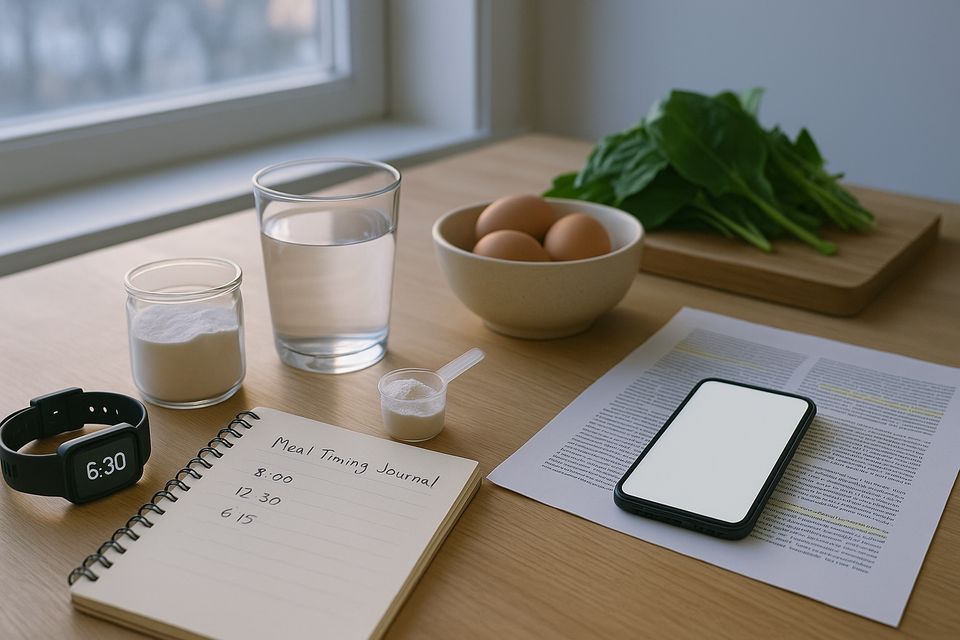
Time-restricted eating has moved from biohacking niche to mainstream recommendation in 2026, with a growing body of research supporting its effects on metabolic health and inflammation. Bioharmony nutrition means eating in alignment with circadian rhythms, metabolic needs, and digestive patterns rather than following a prescriptive diet, with emphasis on nutrient density and polyphenol-rich foods now occupying the center of the longevity plate.
Time-restricted eating involves fasting for 16-18 hours and consuming all daily calories within a 6-8 hour window. This protocol is highly effective for weight loss and metabolic health. Intermittent fasting can help people lose 3 to 8 percent of their starting weight over several months.
Research shows that intermittent fasting, combined with exercise, can lead to significant weight and fat loss without reducing muscle mass or strength. This is particularly appealing to active adults and busy professionals seeking sustainable nutrition habits that align with training schedules and work demands.
Who Is Driving the Biohacking Boom and Why
Millennials and Gen Z drive over 41% of the annual spending in biohacking, reflecting a generational shift toward proactive health optimization rather than reactive disease management. These consumers grew up with wearables, apps, and data-driven fitness, making biohacking a natural extension of their wellness routines.
77% of users adopt biohacking practices specifically for cognitive enhancement, with professionals seeking a competitive edge focused on memory, focus, and mental clarity. 41% of consumers now prioritize supplements for mood support and stress management, driven by the search for "focused calm" to prevent professional burnout.
Biohacking is not just a niche internet subculture anymore. It is everywhere, from TikTok wellness trends to documentaries, podcasts, and health tech expos. With more influencers promoting ice baths, supplements, genetic testing, and lifespan-boosting hacks, biohacking has become one of the most talked-about health topics of 2026.
What This Means for Readers
Editorial analysis — not reported fact:
The longevity and biohacking movement offers everyday Americans a menu of evidence-based practices that no longer require extreme commitment or expense. If you are an active adult already tracking workouts or nutrition, adding a wearable to monitor sleep quality or heart rate variability is a low-friction next step. If you have access to a gym with a sauna or cold plunge, experimenting with 10-15 minute sauna sessions or brief cold exposure after strength training can offer recovery and mood benefits with minimal time investment.
For busy professionals and parents, time-restricted eating may be the most practical longevity protocol to test. Limiting your eating window to 8-10 hours aligns with work schedules and family dinners, and the metabolic benefits are well-documented. Start with a 12-hour overnight fast and gradually narrow the window if it feels sustainable.
The key is separating what works from what is hype. Prioritize practices with peer-reviewed research, clear safety profiles, and realistic integration into your current routine. Longevity is not about perfection or extreme self-experimentation. It is about small, consistent habits that compound over years, helping you feel better today and live healthier for decades to come.
As always, consult a qualified healthcare professional before making significant changes to your diet, exercise, or wellness routine, especially if you are managing chronic conditions, are pregnant, or are taking medications.
Sources & Further Reading
- Global Biohacking Market Analysis 2026 — market size, growth projections, and regional share data
- McKinsey US Wellness Market Report — consumer spending trends and longevity product adoption
- Wearable Device Use Among US Exercisers — prevalence and biometric tracking patterns
- Cold Exposure and Cold-Shock Proteins — mechanisms for muscle preservation and inflammation reduction
- Finnish Sauna Study on All-Cause Mortality — 20-year longitudinal research linking frequent sauna use to longevity
- Sauna Use and Dementia Risk — association with lower Alzheimer's disease incidence
- Cold Plunge and Dopamine Response — neurochemical effects of cold-water immersion
- Johns Hopkins on Intermittent Fasting — weight loss outcomes and metabolic health effects
- Biohacking Market Demographics — Millennial and Gen Z spending patterns
- Cognitive Enhancement and Biohacking Adoption — professional use for memory and focus
- Mood Support Supplement Trends — consumer prioritization of stress management
Editorial coverage of publicly reported health, fitness, wellness, nutrition, and active living developments. Move Weekly has no commercial relationship with any companies, gyms, studios, brands, events, experts, products, or organizations named.