Meal Prep in 2026: Quick High-Protein Recipes on a Budget
High-protein diets now lead US eating patterns. Learn quick meal prep strategies, budget-friendly recipes, and make-ahead breakfasts that fit active lifestyles.
Key Takeaways
- High-protein diets are now the top eating pattern for Americans in 2026, with consumers seeking meals that deliver 20-40 grams of protein alongside quick prep times and budget-friendly ingredients like eggs, canned beans, tofu, lentils, and Greek yogurt.
- Meal prep has shifted from aspirational content to practical necessity, as 40% of Gen Z consumers report they don't have money to experiment with food, prioritizing comfort and fast preparation over novelty.
- Overnight oats and make-ahead breakfasts are trending, with overnight oats recipes seeing 33% more engagement on EatingWell this year as busy consumers reach for grab-and-go options packed with protein and fiber.
- Snacking patterns are replacing traditional three-meal structure, with most consumers snacking at least once daily and many grazing throughout the day, driving demand for portable, high-protein snacks like energy balls and meal prep bowls.
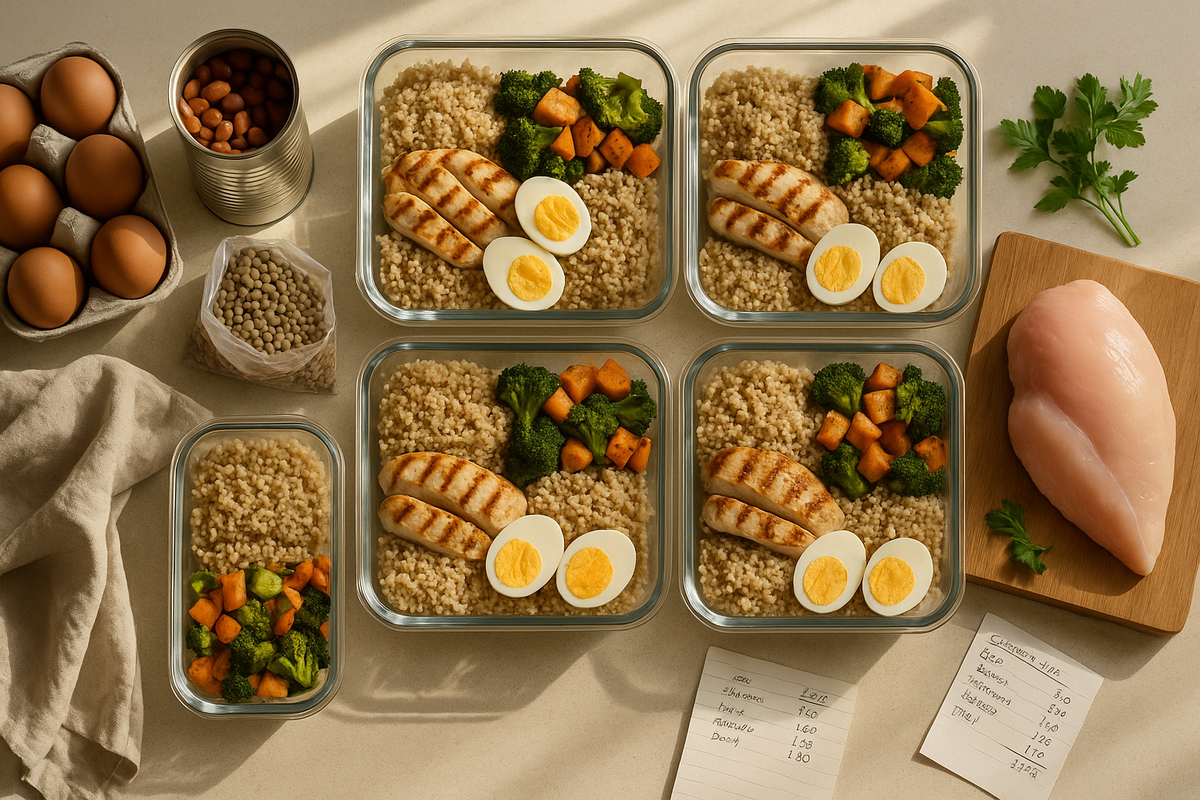
- Bowl-based meal prep dominates lunch planning because of flexible, build-your-own formats that pair affordable proteins with grains and roasted vegetables, keeping energy stable and supporting active lifestyles.
- Fiber is gaining ground alongside protein, as consumers seek gut health and digestive wellness through fiber-forward pastas, breads, crackers, and bars that complement high-protein eating patterns.
Why Meal Prep Became Essential in 2026
US consumers are increasingly deliberate about spending, prioritizing value and practicality while simplifying how they eat. In 2026, meal prep has evolved from aspirational fitness content into a weeknight survival skill. According to Whole Foods Market trend forecasting, consumers are raising expectations for what their food delivers, seeking meals that function as fuel for focus, energy, and muscle recovery.
The shift is real. Food Dive reports that 40% of Gen Z consumers say they don't have money to experiment, and when asked about meal prep preferences, comfort food and fast preparation time lead priorities. Simultaneously, high-protein diets are now the top eating pattern for Americans, positioning meal prep as the bridge between tight budgets, busy schedules, and functional nutrition.
High-Protein Foundations That Fit Any Budget
Cost-conscious consumers are turning to affordable protein staples that stretch across multiple meals. According to EatingWell's budget meal coverage, eggs, canned beans, tofu, lentils, and Greek yogurt are versatile, filling, and easy to buy in larger quantities without overspending. These ingredients form the backbone of budget high-protein meals, each built to deliver solid portions, reliable leftovers, and flavors that hold up through the week.
Real-world examples matter. Lentils are affordable, filling, and easy to cook in large batches, with leftovers lasting multiple days. Add leftover chicken for extra protein. Canned tuna offers another quick win: mix it with avocado, lemon juice, and onion, then scoop into lettuce leaves for a simple, fresh meal that doesn't require much prep. Delish highlights recipes using affordable cuts and simple add-ins that turn into complete dinners, focusing on chicken and ingredients that stretch.
For athletes and active adults, Runner's World notes that athletes should aim for 20-40 grams of protein per meal and 30-60 grams of carbohydrates, possibly more if eating before an intense workout. Egg muffin cups deliver on this target: distribute chopped veggies and 8-10 whisked eggs with salt, pepper, shredded cheese, or meat into a 12-muffin tin, bake at 350°F for approximately 30 minutes, and reheat throughout the week.
Overnight Oats and the Make-Ahead Breakfast Boom
Breakfast prep is experiencing a surge in 2026. EatingWell reports that overnight oats recipes received 33% more engagement this year, signaling widespread adoption of make-ahead breakfasts like overnight oats, chia pudding, and parfaits packed with essential nutrients.
The format is simple: combine oats, milk or yogurt, and favorite fruits in a jar, leave in the fridge overnight, and grab in the morning. Whole Foods touts "instant reimagined" as a 2026 trend, highlighting tinned fish, instant espresso, and pre-made protein bowls that transform the microwave meal into a more flavor-packed, healthy experience. For active lifestyles, these grab-and-go options solve the morning time crunch while delivering protein and fiber to fuel the day ahead.
Lunch Prep and the Rise of Bowl Culture
Bowl-based meals dominate meal prep because they offer flexible, build-your-own formats that adapt to individual tastes and macros. High-protein meal prep ideas for healthy lunches include chicken bacon ranch wraps, taco bowls, and high-protein meal prep bowls, all designed to keep energy levels stable and cravings at bay.
Vegetarian options are equally practical. Lunch prep can focus on legumes, tofu, or dairy alternatives paired with grains and roasted vegetables for filling, balanced midday meals. Portion-controlled snacks prepped in containers help prevent overindulging and support consistent energy throughout the afternoon. The bowl format works because it scales easily, accommodates leftovers, and travels well to offices, gyms, or outdoor activities.
Snacking Replaces the Three-Meal Day
Most consumers snack at least once a day, with some now grazing throughout the day instead of eating three full meals, according to Food Dive's snacking trend analysis. This shift demands new meal prep thinking: not just three-meal plans, but portable, snackable formats that deliver protein and fiber on the go.
Refrigerated snack bars saw notable sales growth of 18.9%, followed by refrigerated yogurt at 13.2% and sweet goods at 11.3%. Rice cakes led salty snacks with roughly 25% year-over-year dollar gains, followed by meat snacks at 13.1%. Homemade snacks are trending alongside packaged options. No-sugar-added lemon drop energy balls, naturally sweetened with Medjool dates and packed with oats, cashews, and hemp seeds, deliver fiber and plant-based protein in every bite, perfect for stashing in the fridge for a quick grab-and-go snack.
Fiber Gains Ground Alongside Protein
While protein continues to dominate, fiber is gaining traction as consumers seek gut health and holistic digestive wellness. Brands are launching more fiber-forward products like pastas, breads, crackers, and bars with added fiber. Fiber, global flavors, and quick healthy meals will dominate 2026 food and health trends, according to multiple industry forecasts.
This dual focus on protein and fiber reflects consumer desire for meals that support muscle recovery, sustained energy, and digestive comfort. Meal prep strategies now emphasize pairing high-protein staples with fiber-rich grains, legumes, and vegetables to create balanced, functional meals that feel satisfying and support active lifestyles.
Tools and Apps Making Meal Prep Easier
MealPrepPro creates weekly plans specifically designed for batch cooking, helping users prepare a week's worth of meals in a single afternoon while tracking calories and macros. The app is designed for people who dedicate a day to meal prepping, bodybuilders, and fitness enthusiasts.
MyFitnessPal remains a top pick among nutrition coaches, known for its extensive food database and AI-powered meal plan generator that adapts to individual goals, with features like barcode scanning, custom recipes, and seamless integration with fitness wearables. These tools lower the barrier to consistent meal prep by automating planning and tracking, freeing up mental energy for cooking and execution.
What This Means for Readers
Editorial analysis — not reported fact:
If you're juggling work, workouts, and everyday life in 2026, meal prep is no longer optional. It's the most reliable way to eat well without spending extra money or scrambling for takeout. Start with one meal category: batch-cook overnight oats for weekday breakfasts, or prep three high-protein lunch bowls on Sunday using eggs, lentils, or canned tuna. Focus on ingredients that cost less, store well, and taste good reheated.
For active adults aiming to support muscle recovery and energy, prioritize 20-40 grams of protein per meal and look for opportunities to add fiber through whole grains, beans, and vegetables. If traditional three-meal structure doesn't fit your day, embrace snackable meal prep: portion out energy balls, Greek yogurt cups, or veggie-egg muffins that travel easily to the gym, office, or trail.
Use apps like MealPrepPro or MyFitnessPal to take the guesswork out of planning and macros, especially if you're new to batch cooking. The goal isn't perfection. It's having real, flavored food ready when you need it, so you can move better, feel better, and stay consistent with the nutrition that supports your active lifestyle. As with any significant dietary change, consult a registered dietitian or qualified healthcare professional if you have specific health conditions, allergies, or nutrition goals.
Sources & Further Reading
- Food Navigator USA: High-protein diets are now the top eating pattern for Americans — Consumer trend data on protein prioritization in 2026
- Food Dive: Gen Z meal prep priorities and budget constraints — 40% of Gen Z consumers report they don't have money to experiment with food
- EatingWell: Budget-friendly high-protein meal ideas — Affordable protein staples and recipes for everyday cooking
- EatingWell: Overnight oats recipes see 33% engagement increase in 2026 — Make-ahead breakfast trend data
- Whole Foods Market: 2026 food and wellness trends — Consumer expectations for functional food and "instant reimagined" products
- Delish: High-protein meal prep recipes — Practical recipes using affordable cuts and simple ingredients
- Runner's World: High-protein breakfast meal prep for athletes — Protein and carbohydrate targets for active adults
- EatingWell: High-protein lunch meal prep ideas — Bowl-based meals and vegetarian lunch options
- Food Dive: Snacking and grazing patterns replace three-meal structure — Consumer behavior shift toward frequent, smaller eating occasions
- Food Navigator USA: Refrigerated snack bar sales growth data — 18.9% sales increase and other snack category trends
- Food Navigator USA: Fiber-forward products and gut health — Brand launches and consumer interest in fiber
- Food Dive: Fiber, global flavors, and quick healthy meals dominate 2026 — Industry forecast of top food and health trends
- MealPrepPro: Meal prep planning app — Batch cooking tools and macro tracking for fitness enthusiasts
- MyFitnessPal: Nutrition tracking and meal planning — AI-powered meal plans and food database for everyday users
Editorial coverage of publicly reported health, fitness, wellness, nutrition, and active living developments. Move Weekly has no commercial relationship with any companies, gyms, studios, brands, events, experts, products, or organizations named.