How Busy Professionals Are Moving More at Work in 2026
From walking pads to 10-minute micro-workouts, workplace wellness programs are evolving to fit movement, recovery, and stress management into the 9-to-5 workday.
Key Takeaways
- Sitting for 6-8 hours daily increases health risks significantly: Excessive sitting is linked to a 16% higher risk of death from all causes and a 34% increased risk of cardiovascular disease, even among people who exercise outside of work.
- Three 10-minute exercise sessions throughout the day are as effective as one 30-minute workout for cardiovascular health, making micro-movements a practical solution for busy professionals.
- Walking pads under standing desks add approximately 4,500 steps daily and burn an extra 420 calories over a 4-hour workday, helping employees reach activity goals without sacrificing free time.
- Companies with effective wellness programs report 9% voluntary attrition compared to 15% for organizations with less effective programs, and 88% of employees now consider wellness benefits when evaluating job offers.
- 74% of employees report negative mental health at work, driving 2026 workplace wellness programs to prioritize stress management, mindfulness, recovery spaces, and nervous system regulation alongside physical movement.
- AI-powered personalization integrates with wearables like Apple Watch, Fitbit, Garmin, and Oura to deliver tailored workout recommendations based on individual activity levels, recovery status, and personal goals.
Why Workplace Movement Became a Retention Strategy in 2026
The average office worker sits 6 to 8 hours a day, and research links excessive sitting to a 16% higher risk of death from all causes and a 34% increased risk of cardiovascular disease, even among people who exercise regularly outside of work. As roughly 52% of the U.S. workforce now enjoys hybrid working arrangements in 2026, workplace wellness programs are evolving from generic gym membership discounts to targeted solutions that integrate movement, stress management, and recovery into the workday itself.
The business case is clear: companies with effective wellness programs report significantly lower voluntary attrition of 9%, compared to 15% for those with less effective programs, and organizations with comprehensive wellness programs can reduce voluntary employee turnover by as much as 25%. According to industry research, 88% of employees consider wellness benefits when evaluating potential job offers. Yet a perception gap persists: 81% of employers believe their wellness program positively impacts company culture, but only 55% of employees agree.
Micro-Workouts and Desk Integration: What Actually Works
Three 10-minute exercise sessions spread throughout your day are as effective as one 30-minute workout for cardiovascular health, according to guidance from the American Heart Association. This research has transformed how busy professionals approach workplace movement, shifting from "I'll exercise after work" to "I'll move now, in small bursts."
Successful workplace programs include walking meetings, desk exercises, and lunchtime fitness classes that fit various schedules. Setting a reminder to stand and stretch every 60 to 90 minutes, and linking stretches to existing events such as before lunch, after a client call, or before logging off, makes the habit stick. Experts recommend aiming for 2 to 5 minutes of stretching or light exercise every hour, focusing on neck rolls, shoulder stretches, seated twists, desk push-ups, and standing calf raises to counteract the effects of desk work without leaving your workspace.
Walking Pads: The 2026 Desk Accessory That Adds 4,500 Steps
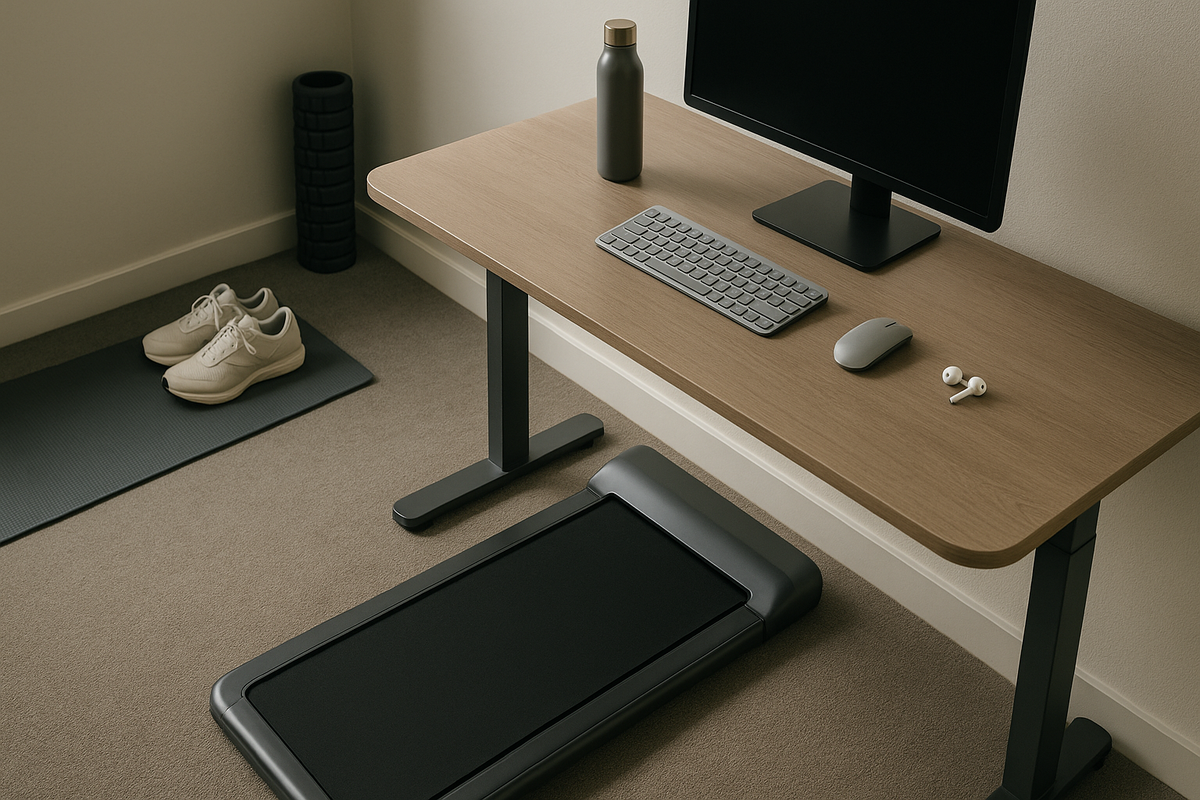
Walking pads, compact treadmills that fit under standing desks and allow employees to walk while they work, are trending in 2026, with companies offering shared units, stipends, or rotating schedules. Data published in The New York Times shows that treadmill desk users walk an average of two miles, about 4,500 steps, more per day than those who remain seated, making it a highly efficient way to reach the gold standard of 10,000 steps a day without sacrificing free time.
Research published in PLOS ONE found that walking at a treadmill desk increases energy expenditure by approximately 105 extra calories per hour compared to sitting, or an additional 420 calories over a typical 4-hour walking session during a workday. A review of 23 studies found evidence that standing desks and the use of walking pads helped make people more active in the workplace, reduced stress, and improved overall mood.
The Burnout Crisis Driving Mental Wellness Programs
In 2026, 74% of employees report negative mental health at work, and 49% say they experience stress every single day. This crisis is pushing workplace wellness beyond physical fitness into nervous system regulation, recovery, and emotional resilience.
To manage stress while working long hours, professionals are practicing mindfulness, meditation, and journaling, taking short relaxation breaks, going for walks, and setting clear work-life boundaries. Companies are investing in assisted stretching, breathwork, restorative spaces, quiet rooms, and even nap pods, acknowledging the reality of high stress and constant demands. These recharge spaces help people reset emotionally and mentally, improve focus, and return to work with more energy and perspective.
People are paying closer attention to how habits affect their energy levels, productivity, and stress management, rather than following strict trends, and many are experimenting with routines that feel realistic and sustainable over time. Mental wellness remains a major priority in 2026, with professionals recognizing that productivity and emotional well-being are closely connected, especially in high-pressure work environments.
AI-Powered Personalization and Wearable Integration
AI-driven personalization is transforming corporate fitness in 2026, with platforms that integrate with employee wearables such as Apple Watch, Fitbit, Garmin, and Oura recommending workouts based on activity levels, recovery status, and personal goals. Instead of a one-size-fits-all program, each employee gets a tailored experience.
The most effective corporate fitness benefits in 2026 include a dedicated mental health and mindfulness component, including guided meditation libraries, stress management workshops, or mindfulness-focused fitness classes that combine gentle movement with breathing exercises. Since 69% of employees sleep fewer than the recommended seven hours, companies are adding programs that help employees build healthier routines, and 62% of employees say community and social support are essential for sustaining long-term wellness habits.
Program Design: What Drives Engagement and Retention
Optimal engagement occurs with 4 to 8-week challenges, providing time for habit formation without causing fatigue. Shorter 2 to 4-week challenges are effective for focused goals, while 12-week programs are better suited for comprehensive behavior change. Most fitness challenges that are part of wellness programs are team-based, and even if individualistic, shared goals play a vital role and help build team spirit and camaraderie, leading to employee retention.
Walking meetings, desk-based stretches, and lunchtime group activities organized by a dedicated wellness committee integrate seamlessly with daily work routines. Encouraging employees to spend at least 20 minutes outside each day and allowing flexibility for outdoor breaks, walking lunches, or end-of-day movement supports mental health, improves sleep, and boosts overall mood.
Structured wellness programs deliver $1.50 to $3 for every dollar spent, cut sick days, and drive 70 to 88% employee engagement when built with smart segmentation and real measurement.
What This Means for Readers
Editorial analysis — not reported fact:
If you work a 9-to-5 job, the research is clear: waiting until after work to move is no longer a sufficient strategy for long-term health. The good news is that you don't need a gym membership or a full hour to make a difference. Three 10-minute movement breaks, strategically placed throughout your workday, deliver the same cardiovascular benefits as a single 30-minute session.
Start small: set a calendar reminder to stand and stretch every 90 minutes. Link stretches to existing habits, such as before lunch or after back-to-back meetings. If your employer offers wellness benefits, explore whether walking pads, standing desks, mindfulness apps, or wearable integration are available. If not, advocate for them by sharing the retention and ROI data with HR or leadership.
For busy professionals juggling calls, emails, and deadlines, the shift toward micro-movements, AI-personalized fitness, and workplace recovery spaces represents a rare alignment of personal health goals and employer incentives. This is the moment to build sustainable habits that fit your schedule, not the other way around. Consider consulting a healthcare professional if you have chronic conditions, injuries, or specific mobility concerns before starting a new movement routine.
Sources & Further Reading
- National Institutes of Health research on excessive sitting and cardiovascular disease risk — peer-reviewed evidence on health impacts of prolonged sitting
- SHRM report on wellness programs and voluntary attrition rates — industry data on retention outcomes
- Employee Benefit News analysis of comprehensive wellness programs — reduction in voluntary employee turnover
- American Heart Association physical activity guidance for adults — cardiovascular health recommendations including micro-workout effectiveness
- The New York Times report on walking pads and treadmill desks — data on daily step increase and real-world usage
- PLOS ONE research on energy expenditure at treadmill desks — peer-reviewed calorie burn findings
- SHRM analysis of wellness program ROI and engagement metrics — dollar-for-dollar return and participation rates
Editorial coverage of publicly reported health, fitness, wellness, nutrition, and active living developments. Move Weekly has no commercial relationship with any companies, gyms, studios, brands, events, experts, products, or organizations named.