The Everyday Cooking Renaissance: Simple Meals That Fuel Busy Lives
Most Americans spend less than 30 minutes on weeknight dinners. How protein trends, air fryer hacks, and fibermaxxing are reshaping home cooking in 2026.
Key Takeaways
- Most Americans spend less than 30 minutes preparing weeknight dinners, driving demand for simple, nutritious recipes that fit busy schedules while costing three times less than dining out.
- The global protein snacks market reached $32 billion in 2025, with U.S. consumers now spending $124 annually per capita on protein products—up from $98 in 2022—as protein-focused foods dominate grocery aisles from yogurt to frozen meals.
- Air fryer recipes have become a viral cooking trend in 2026, with simple hacks like hard-boiled eggs at 270°F for 15 minutes and ready-to-cook high-protein frozen wings transforming everyday meal prep routines.
- The 30/30/30 method—consuming 30 grams of protein within 30 minutes of waking, then completing 30 minutes of low-intensity exercise— has emerged as a sustainable wellness routine focused on repeatable behaviors rather than extreme restrictions.
- "Fibermaxxing" is the nutrition buzzword for 2026, with fiber called "the new protein" as consumers aim for 25 to 35 grams daily from whole foods like fruits, vegetables, beans, and whole grains to support gut health and natural fullness.
- Families are turning to global flavors from Asian stir-fries, Mediterranean salads, and Latin American bowls to make weeknight dinners exciting, while flexitarian eating patterns mix vegetarian nights into weekly routines for health and sustainability.
Why Home Cooking Is Surging in 2026
American families are cooking at home more than ever, not because of elaborate recipe trends, but because of simple economics and time pressure. Home cooking costs three times less than dining out, a crucial factor as rising food costs push households toward budget-friendly solutions. At the same time, most Americans spend less than 30 minutes preparing dinner on weeknights, creating urgent demand for recipes that deliver nutrition without complexity or stress.
The shift reflects a broader rejection of cooking-as-performance in favor of cooking-as-fuel. Families want meals that work with packed schedules, limited budgets, and real-life energy levels, while still supporting health goals like protein intake, stable blood sugar, and sustainable eating patterns.
The Protein Boom Reshaping Grocery Aisles and Home Kitchens
What was once a niche category for gym-goers has become one of the country's most dominant mainstream food trends in 2026. The global protein snacks market was valued at approximately $32 billion in 2025 and is forecast to grow at a compound annual growth rate of around 8–9% through the end of the decade. North America accounts for roughly 38% of global market share, with U.S. consumers spending an estimated $124 annually per capita on protein snacks in 2025, up from about $98 in 2022.
Protein bars, shakes, frozen meals, yogurts, chips, waffles, and even bottled coffee drinks branded with gram counts now appear throughout grocery stores. For many consumers, the appeal has little to do with fitness goals. Busy schedules and elevated restaurant prices have pushed more Americans toward grab-and-go foods that function as quick meals. TikTok creators regularly post high-protein grocery haul videos featuring products from Costco and Trader Joe's, while Reddit communities discuss and debate the best protein snacks available at warehouse clubs and supermarkets.
The structural forces behind the protein trend appear durable. An aging U.S. population is increasingly focused on muscle preservation, the growing influence of GLP-1 weight-loss medications is shaping dietary habits, and continued innovation in plant-based protein formats is expected to sustain demand well into the next decade.
Viral Cooking Trends Making Meal Prep Easier
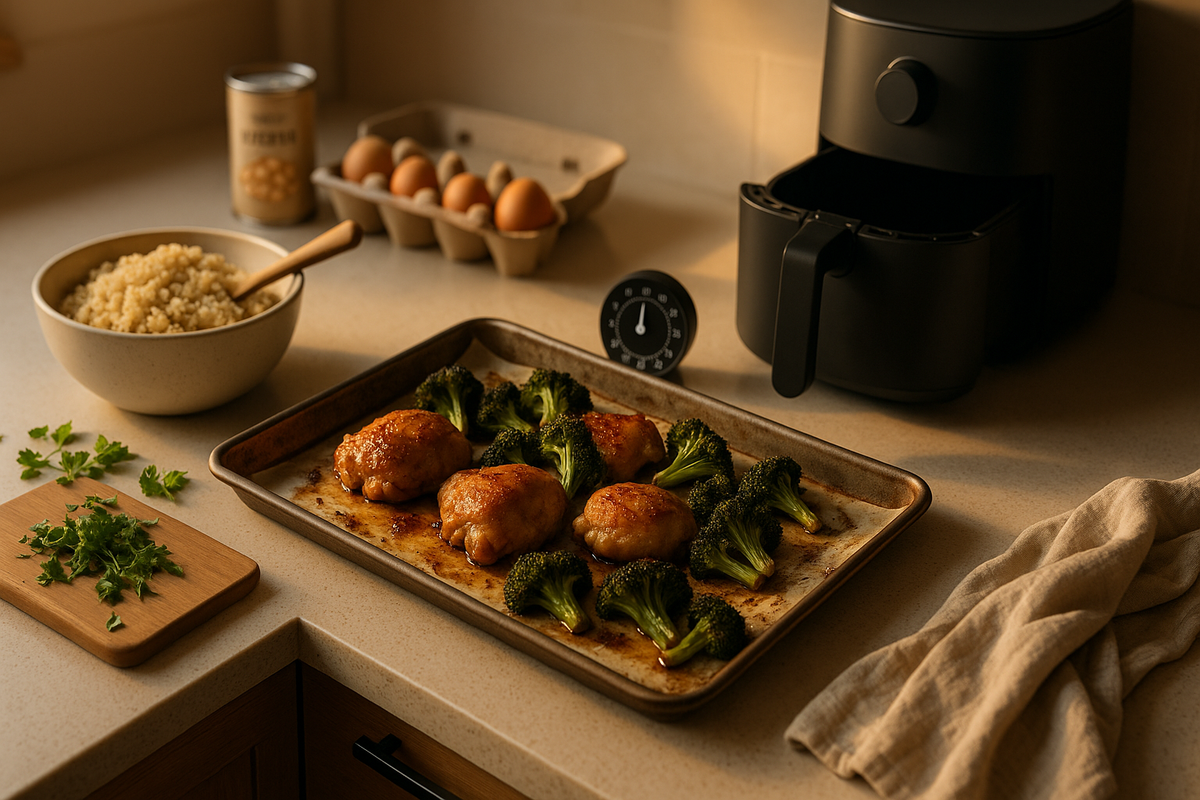
Air fryer recipes have become one of the biggest viral food trends in 2026, with creative twists like crispy bacon, mini cupcakes, and taquitos leading the way. One standout trend is making hard-boiled eggs in an air fryer at 270°F for around 15 minutes, a simple hack that's transforming everyday meal prep routines across the USA.
Ready-to-cook frozen options are gaining massive popularity, with high-protein choices like Buffalo-style bone-in chicken wings and spicy chicken breast bites becoming go-to favorites for quick, satisfying meals made in minutes. Trader Joe's viral recipes continue their reign, with the soup dumpling bake combining Soyaki, Thai-Style Red Curry Sauce, and coconut milk becoming a social media sensation, while bulgogi bowls and marry me meatballs have secured spots as staple meals.
Families are reaching for inspiration from Asian stir-fries, Mediterranean salads, and Latin American bowls, with global flavors making dinner exciting even when time is short. Plant-based proteins are another big trend shaping quick prep meals, with options like lentils, chickpeas, and tofu showing up in everything from curries to tacos. Flexitarian eating is on the rise, with many families mixing vegetarian nights into their routines for both health and sustainability.
The 30/30/30 Method and the New Breakfast Routine
In summer 2026, the 30/30/30 method has become one of the most discussed approaches to nutrition and fitness, with social media creators, trainers, and nutrition-focused influencers fueling its rise. The routine has participants consume 30 grams of protein within 30 minutes of waking and then complete 30 minutes of low-intensity exercise. Rather than promising dramatic overnight changes, the method focuses on building repeatable behaviors that support long-term wellness.
Key breakfast strategies include planning ahead by preparing ingredients the night before, including protein such as eggs, nuts, dairy, or plant-based proteins to keep you full longer, and adding fiber from fruits, vegetables, and whole grains to support digestion. The best breakfast ideas in 2026 are simple, balanced meals built around ingredients like oats, fruit, whole grains, and everyday staples that provide steady energy and are easy to repeat. Overnight oats made by mixing oats, Greek yogurt, and milk then letting it sit in the fridge overnight is a simple way to add protein while still keeping breakfast interesting.
Building Better Lunches to Avoid the Afternoon Slump
Lunch is the mid-day meal that refuels after a busy morning and ensures you are energized for the rest of the day. A balanced lunch helps keep blood sugar levels stable and prevents the 3 PM energy slump. If you find yourself reaching for snacks by 2 PM, the issue is almost always not enough protein at lunch. Lunches that pack 25+ grams of protein keep you full through the afternoon.
Common approaches include brown rice and ground chicken bowls with crunchy veggies, fresh herbs, and peanut dressing, or chickpea bowls with sweet potatoes, pumpkin seeds, and feta cheese for vegetarian protein and fiber. Both options are easy to prep in advance, travel well, and offer the protein and fiber combination that sustains energy without requiring elaborate cooking skills.
Budget-Friendly High-Protein Eating Without Overspending
One of the easiest ways to save money on groceries is to choose protein sources that give you more for your money, building a go-to list of affordable, high-protein foods you can mix and match throughout the week. Budget-friendly protein options like eggs, canned beans, tofu, lentils, and Greek yogurt are versatile, filling, and can be used in dozens of different recipes. They're easy to buy in larger quantities without overspending, making them practical staples for families navigating higher grocery costs in 2026.
These ingredients work across breakfast, lunch, and dinner. Eggs can be hard-boiled in an air fryer for grab-and-go snacks, scrambled with vegetables for a quick dinner, or baked into casseroles for meal prep. Canned beans can be tossed into salads, mashed for veggie burgers, or simmered into soups. Tofu absorbs marinades and works in stir-fries, tacos, and grain bowls.
Fibermaxxing: The New Nutrition Buzzword for 2026
The big term for 2026 is "fibermaxxing," with many calling fiber "the new protein." The best way to max fiber is to skip ultra-processed fiber-forward products like powders and bars and fill your plate with fruits, vegetables, whole grains, nuts, seeds, and beans. The goal is to aim for 25 to 35 grams per day to benefit gut health and help you feel full naturally.
Traditional plant-based meats appear to be plateauing, but whole-food plant proteins such as lentils, chickpeas, edamame, hemp, and quinoa are becoming the next focus. Hybrid options blending animal and plant proteins are also emerging, offering flexibility for families who want variety without committing to a fully plant-based diet.
What This Means for Readers
Editorial analysis — not reported fact:
The 2026 cooking landscape rewards simplicity, not sophistication. If you're feeling overwhelmed by meal prep advice, focus on three practical shifts: stock your kitchen with affordable, high-protein staples like eggs, Greek yogurt, canned beans, and tofu; experiment with one or two viral cooking methods like air fryer hard-boiled eggs or Trader Joe's sauce hacks that genuinely save time; and aim for balanced plates that combine protein, fiber, and global flavors without requiring advanced cooking skills.
For busy professionals and parents, the 30/30/30 method offers a realistic morning framework, while strategic lunches with 25+ grams of protein can eliminate afternoon energy crashes and snack cravings. For families navigating tight budgets, prioritizing whole-food proteins and fiber-rich ingredients over processed snacks delivers better nutrition per dollar. And for anyone tired of cooking feeling like a chore, leaning into flexitarian meals, global bowl formats, and ready-to-cook frozen proteins can make weeknight dinners genuinely enjoyable again.
As with any nutrition trend, individual needs vary. Protein and fiber goals should align with your activity level, age, and health status. If you're managing a chronic condition, taking medication, or have specific dietary restrictions, consult a registered dietitian or healthcare provider to tailor these strategies to your circumstances.
Sources & Further Reading
- Weeknight dinner preparation time statistics — data on how long Americans spend cooking on busy evenings
- Home cooking vs. dining out cost analysis — financial comparison showing home-cooked meals cost three times less
- Global protein snacks market valuation and forecast — industry report on $32 billion market and growth projections through the decade
- U.S. per capita spending on protein snacks — consumer spending trends from 2022 to 2025
- The 30/30/30 method in 2026 — coverage of the viral wellness routine and its adoption by social media creators and health professionals
- Air fryer recipe trends in 2026 — viral cooking hacks including hard-boiled eggs and ready-to-cook frozen proteins
- Trader Joe's viral recipes and product hacks — social media sensations including soup dumpling bakes and bulgogi bowls
- Fibermaxxing and the "new protein" trend — nutrition guidance on reaching 25 to 35 grams of daily fiber from whole foods
Editorial coverage of publicly reported health, fitness, wellness, nutrition, and active living developments. Move Weekly has no commercial relationship with any companies, gyms, studios, brands, events, experts, products, or organizations named.