Wellness Myths 2026: Cold Plunges, Red Light & Detox Teas
Cold plunges work at 50–60°F, red light therapy has proven niches, detox teas are myths, TikTok spreads misinformation 5-to-1, and biohacking spending doubles despite thin evidence.
Key Takeaways
- Cold plunges work best at moderate temperatures: Science supports 50–60°F water for 2–4 minutes to reduce muscle soreness and elevate mood, but extreme cold or long sessions aren't necessary and cardiovascular risks are real for people with heart conditions.
- Red light therapy has proven medical uses but overstated wellness claims: A 2025 consensus review confirmed safety and effectiveness for ulcers, neuropathy, radiation dermatitis, and pattern hair loss, yet no credible evidence supports weight loss, cancer treatment, cellulite removal, or mental health claims.
- Detox teas are a $3.7 billion industry built on myth: No credible research shows commercial detox teas enhance toxin elimination beyond what healthy livers and kidneys already do continuously, and some products have caused serious harm including liver damage requiring hospitalization.
- TikTok health misinformation outperforms expert advice by 5-to-1: Content from unqualified users gained 2.5 billion views versus 500 million for qualified sources, and nearly half of analyzed health videos contained non-factual information, yet more than 50% of Gen Z gets health advice from the platform.
- Biohacking spending has doubled since 2021 despite thin evidence: The global biohacking market reached $24.81 billion in 2024 and 63% of affluent U.S. consumers now spend $500+ annually on longevity devices, yet mainstream health experts caution most claims lack rigorous clinical trials.
Cold Plunges: What Science Actually Supports
Cold water immersion has surged from elite athlete recovery tool to mainstream wellness ritual, with 68% of cold plunge users now recreational fitness enthusiasts rather than professionals. The good news: moderate cold exposure is safe and beneficial for most healthy people when done correctly.
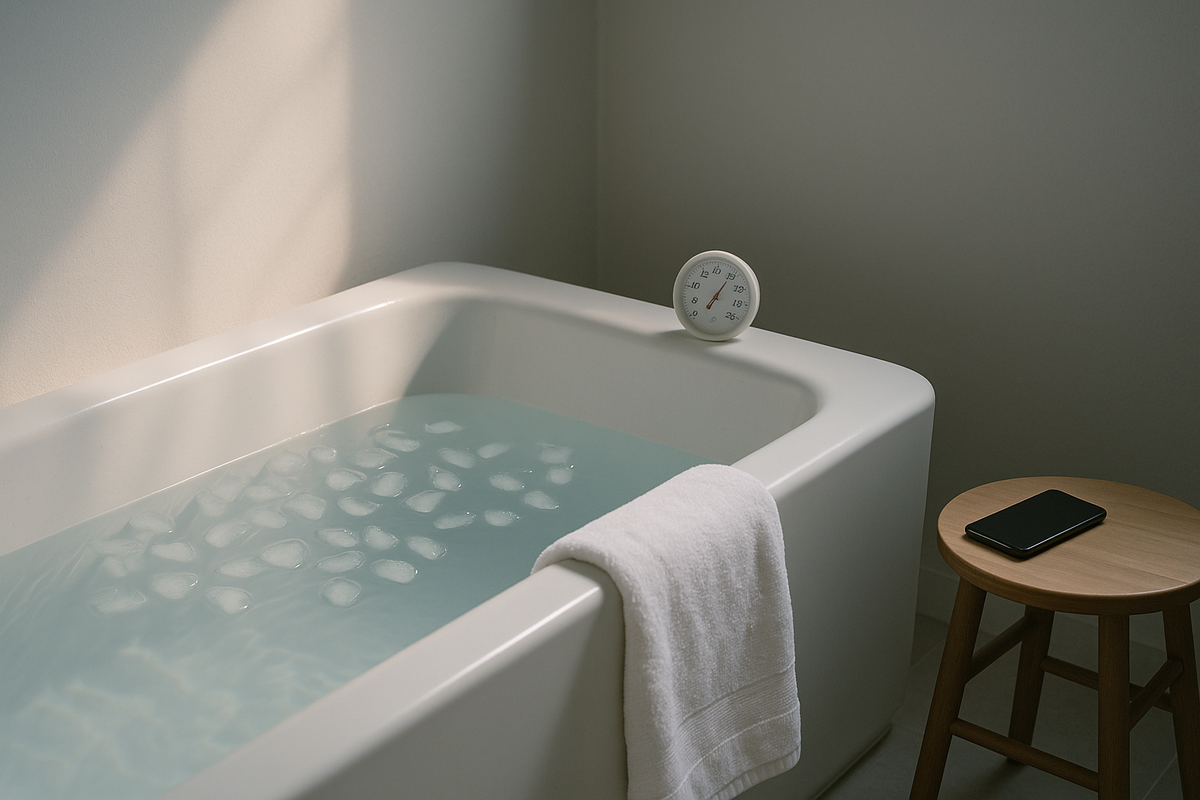
According to Harvard Health guidance, the temperature sweet spot is 50–60°F for 2–4 minutes. Science-backed benefits include reduced muscle soreness and mood elevation, but viral claims about muscle growth enhancement and immunity boosting lack strong research support. For those focused on strength gains, waiting 1–2 hours after lifting before cold plunging eliminates potential interference with muscle adaptation.
The risks are serious for vulnerable populations. Cold plunges are not advisable for anyone with cardiovascular disease, especially people with heart rhythm abnormalities, and extreme temperatures or prolonged sessions promoted in viral videos can be dangerous even for healthy individuals.
Red Light Therapy: Proven Medical Niches Versus Wellness Hype
Red light therapy masks racked up over 70 million TikTok views in recent years, but the science tells a more nuanced story than influencer testimonials suggest. In 2025, specialists in a major consensus review concluded red light therapy was safe and effective for several types of ulcer, peripheral neuropathy, acute radiation dermatitis, and androgenic alopecia (pattern hair loss).
A separate review of 17 clinical trials studying tendinopathy treatment found low-to-moderate quality evidence of effectiveness. Dermatologists note that devices can improve skin health and have anti-aging properties when FDA-cleared devices are used correctly, typically for 5–10 minutes per session.
However, there's no scientific evidence to support red light therapy use for weight loss, cancer treatment, cellulite removal, or mental health conditions like depression and seasonal affective disorder. Even legitimate dermatology treatments vary in effectiveness depending on wavelength, duration, and frequency, making at-home devices an uncertain investment for many purported uses.
Detox Teas: A Multi-Billion Dollar Industry Built on Liver Myths
The detox tea market hit $3.7 billion in 2026, fueled by social media promotion and celebrity endorsements. The science is unambiguous: no credible evidence demonstrates that commercial detox teas enhance toxin elimination beyond what the liver and kidneys already accomplish continuously.
Johns Hopkins hepatologists note there's little science supporting the claims made on detox tea labels, and products like liver cleanses are not regulated by the FDA and haven't been adequately tested in clinical trials. The risks extend beyond wasted money. The FDA and FTC have penalized several detox products for containing illegal and potentially harmful ingredients and making false claims.
In one high-profile 2014 case, investigators found the antidepressant drug fluoxetine (Prozac) inside a Japanese product called Toxin Discharged Tea, which can cause serious and life-threatening side effects when taken with other medications. A 2024 survey of 9,685 adults found that herbal and dietary supplements like turmeric and green tea were associated with 20% of liver damage incidents, leading to approximately 23,000 emergency department visits and 2,154 hospitalizations.
TikTok Health Trends: When Misinformation Outperforms Expertise
More than 50% of Gen Z now gets health advice from TikTok, and for one-third of users, the app is their main source of health advice. The platform's algorithm creates a troubling dynamic: content from users with no qualifications gained almost five times more views than that from qualified individuals, with 2.5 billion views for unqualified sources versus 500 million for credentialed experts.
Nearly half of the TikTok health videos analyzed by researchers contained non-factual information, with a large proportion of misleading videos coming from nonmedical influencers. Specific debunked trends illustrate the pattern of viral spread outpacing scientific correction.
Mouth taping accumulated 38.5 million views in late 2022 with claims of improved sleep and jawline appearance, yet experts say the answer to whether it works is "probably not." For people with sleep apnea, chronic nasal congestion, or other structural airway issues, mouth taping can dangerously restrict airflow. Influencers claimed drinking raw potato juice can "cure" strep throat, but there's no evidence at all that these compounds can treat any infections in humans. Warm lemon water does hydrate and provide vitamin C, but "detox" claims are overblown since your liver and kidneys already handle that job.
Biohacking Market Growth Outpaces Scientific Validation
The global biohacking market reached $24.81 billion in 2024 and is projected to hit $69.09 billion by 2030, growing at 18.95% annually. Consumer spending patterns reveal shifting priorities: surveys conducted in Q3 2025 indicate that 63% of U.S. consumers aged 30–60 with household incomes above $100,000 would spend $500 or more annually on longevity devices and subscriptions, compared with just 31% in 2021.
Venture-capital investment into U.S.-based longevity device and data companies exceeded $4.7 billion in 2025 alone, and the average committed biohacker spends $214 per month on supplements, specialized food, and tracking tech. This financial commitment far outpaces the clinical evidence supporting many biohacking interventions, which range from blood biomarker panels and continuous glucose monitors to $8,000 infrared saunas and nootropic supplement stacks.
Mainstream health experts caution that most biohacking claims lack the rigorous clinical trials required to validate safety and effectiveness for general populations. The gap between marketing promises and peer-reviewed evidence remains wide, even as consumer spending accelerates.
What This Means for Readers
Editorial analysis — not reported fact:
If you've felt whiplash trying to separate legitimate wellness practices from expensive placebos, you're responding rationally to a media ecosystem where misinformation spreads five times faster than expertise. The practical path forward involves three steps: check whether claimed benefits have support from primary health organizations or peer-reviewed research rather than influencer testimonials, recognize that your liver and kidneys are already highly effective detox systems that don't require $40 tea subscriptions, and remember that moderate, evidence-backed practices like 3-minute cold showers or FDA-cleared red light devices for specific conditions will always outperform extreme, unproven protocols.
For cold plunges, you don't need a $5,000 tub or ice-bath challenges to get real benefits. A 2–4 minute cold shower at the end of your regular routine delivers the same muscle soreness reduction and mood boost. For red light therapy, consult a dermatologist about FDA-cleared devices if you're addressing pattern hair loss or skin concerns, but skip the weight-loss and depression claims entirely. For detox teas, save your money and hydrate with water, herbal tea, or warm lemon water for vitamin C without the liver damage risk.
When evaluating TikTok health trends, look for the creator's credentials and cross-reference claims with sources like the CDC, NIH, or major academic medical centers before trying anything that affects your body. If a trend promises to "cure," "detox," or "optimize" without citing peer-reviewed research, that's a red flag. And if you're investing in biohacking tools or longevity subscriptions, ask whether the same $214 monthly spend might deliver better returns through a gym membership, whole food groceries, or an extra hour of sleep.
For any wellness practice involving supplements, dramatic diet changes, or medical claims, consult a qualified healthcare professional, especially if you have cardiovascular disease, take medications, or manage chronic health conditions.
Sources & Further Reading
- Harvard Health: Cold plunge — what to know before you go — Evidence-based guidance on safe temperatures, duration, cardiovascular risks, and user demographics
- Medical News Today: Red light therapy — what to know — 2025 consensus review findings on proven uses and unsupported claims
- Healthline: Red Light Therapy Benefits and Side Effects — Clinical trial evidence for tendinopathy and dermatology applications
- Johns Hopkins Medicine: Detoxing Your Liver — Fact Versus Fiction — Expert analysis on detox tea claims, liver function, and supplement-related liver damage statistics
- Harvard Health: Do detox diets work? Are they healthy? — FDA and FTC enforcement actions against detox products
- Forbes: TikTok Health Trends — Nearly Half Are Dangerously Inaccurate — Research on misinformation rates and view counts for qualified versus unqualified creators
- Healthline: Mouth Taping for Sleep — Does It Work? — Expert assessment of viral mouth taping trend and safety concerns
- Harvard Health: TikTok health trends — which are worth following? — Debunking of raw potato juice and warm lemon water detox claims
- Grand View Research: Biohacking Market Size & Growth Report — Market valuation, growth projections, and consumer spending patterns through 2030
Editorial coverage of publicly reported health, fitness, wellness, nutrition, and active living developments. Move Weekly has no commercial relationship with any companies, gyms, studios, brands, events, experts, products, or organizations named.