Mobility Training Becomes Essential Fitness Priority in 2026
Fitness culture has shifted from intensity to longevity-focused movement. Learn why mobility matters, how it differs from flexibility, and the daily habits that prevent injury.
Key Takeaways
- Mobility training is now essential, not optional: In 2026, fitness culture has shifted from intensity-obsessed workouts to longevity-focused movement that prioritizes your body's ability to move joints with control through their full range of motion.
- Flexibility and mobility are different: Flexibility is passive range of motion (how far you can stretch), while mobility is active range of motion requiring strength and control throughout the movement—you can touch your toes but still struggle to hold a deep squat.
- Dynamic stretching before, static stretching after: Use dynamic stretches that mimic your workout to prepare muscles and joints beforehand; save static holds for cooldowns to improve flexibility and aid recovery, as static stretching before intense activity can impair performance.
- Mobility work prevents overuse injuries: Most exercise-related injuries stem from accumulated strain on joints that don't move properly, not single incidents, and incorporating mobility training early reduces these risks considerably.
- Small time investment, major impact: A dedicated 10-15 minute mobility routine 3-4 times per week, plus dynamic warm-ups before every workout, is enough to maintain full range of motion and reduce joint pain.
- Approximately 12% of American adults have mobility limitations: Loss of mobility affects one-third to half of adults ages 65 and older, but prolonged sitting and remote work are creating mobility issues in younger populations through reduced hip extension and shoulder mobility.
Why Mobility Became Essential in 2026
American fitness culture has undergone a fundamental shift in 2026. Rather than chasing extreme workout challenges or rapid weight-loss programs, everyday enthusiasts are prioritizing functional fitness, mobility, and long-term sustainability. This reflects a broader understanding that physical activity should support not only short-term goals, but a lifetime of healthier movement.
The data underscores why this matters now. According to CDC statistics, approximately 12% of American adults have some kind of mobility issue that impacts their ability to safely walk and climb stairs. Loss of mobility affects a third to half of those ages 65 and older. But this isn't just an aging issue. Prolonged sitting correlates with reduced hip extension and shoulder mobility, contributing to lower back pain and poor posture, and as remote work becomes more common, people are seeking accessible, time-efficient methods to offset these effects.
The focus has shifted from chasing intensity to improving health and performance that lasts, connecting technology, recovery, and longevity in ways that make fitness more personal. Strong muscles are nearly useless unless you can move your body in a graceful, pain-free manner.
Understanding the Critical Difference Between Flexibility and Mobility
A major misconception exists in consumer fitness circles about what these terms actually mean. Flexibility is the passive range of motion of a joint—how far you can stretch it. Mobility is the active range of motion of a joint, requiring strength and control throughout the movement.
You can be flexible, able to touch your toes, but still lack mobility if you struggle to maintain a deep squat with control. Mobility training builds the active strength needed to use your flexibility functionally. This distinction matters because it changes how you approach movement preparation and injury prevention.
Dynamic vs. Static Stretching: Timing Makes the Difference
The science of stretching has evolved significantly. When heading into a workout, use dynamic stretching to prepare your muscles and joints for the activity, focusing on stretches that mimic the exercise you're about to do—arm circles, leg swings, torso twists. When it's time for a cooldown, switch to longer holds with static stretches, which can improve flexibility and reduce recovery time.
Important caveat: Static stretching before sports, especially sprinting, jumping, and lifting, has been shown to impair your performance. However, static stretching may work best when used in combination with other types of stretches and can still be effective for increasing range of motion when used in short duration as part of a complete dynamic warm-up.
What an Effective Mobility Routine Looks Like
A truly effective mobility routine integrates several components. It starts with dynamic warm-ups—movements that take your joints through their full range of motion such as arm circles, leg swings, torso twists, and cat-cow stretches.
It includes Controlled Articular Rotations (CARs)—slow, deliberate rotations of each joint to explore and expand its end-range capacity. Modern training programs pair resistance work with mobility drills by alternating between a lift and a mobility move, such as lunges followed by hip openers. This approach helps your muscles activate in sequence instead of working separately, and over time, that control can help improve posture and balance while helping you hold better form through each rep.
The Injury Prevention Connection Backed by Sports Medicine
Sports medicine physicians emphasize that mobility work is vital for preventing overuse injuries. The majority of exercise-related injuries are not caused by a single incident, but by accumulated strain on muscles and joints that are not moving properly. When individuals incorporate mobility training early, they reduce these risks considerably.
By increasing your flexibility and mobility, you can reduce your risk of injuries caused by muscle imbalances, poor movement patterns, and joint restrictions. Weak muscles around joints are like bodyguards who call in sick, leaving knees, hips, and shoulders vulnerable to tweaks and tears. Targeted strengthening builds resilience, stabilizes joints, and prevents ACL strains or rotator cuff injuries common in active adults.
How Much Time You Actually Need
The good news: you don't need hours. A dedicated 10-15 minute routine 3-4 times a week, combined with dynamic warm-ups before every workout, is a great start.
Daily mobility such as 10 minutes of yoga flows or joint circles—hips, ankles, wrists—to maintain full range without grinding can help. Arthritis patients report less knee and shoulder pain when pairing these movements with medical management. You can begin your day with a short routine of gentle stretches or mobility exercises such as shoulder rolls, hip circles, or a few minutes of cat-cow stretches, which helps loosen stiff joints and wakes up your muscles, making everyday activities easier and reducing the likelihood of discomfort during the day.
Foam Rolling and Recovery Tools in the Growing Mobility Market
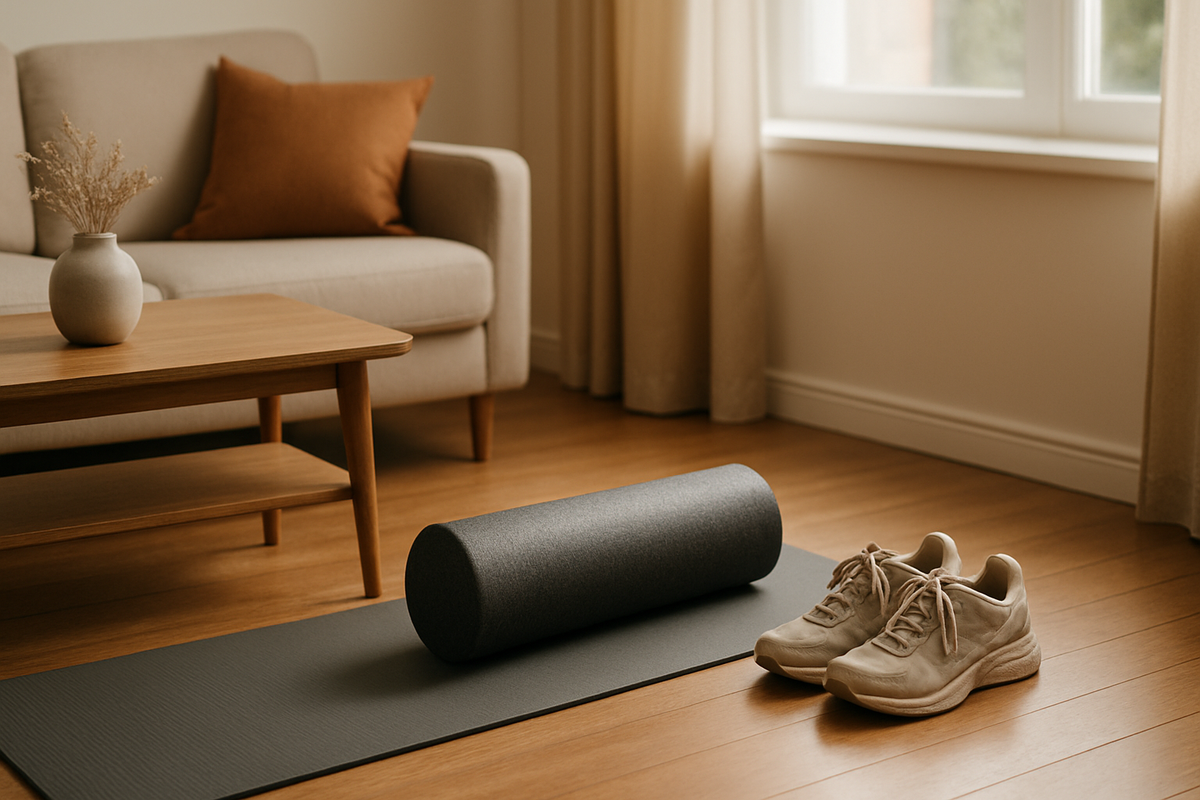
The foam roller market reflects growing consumer adoption of mobility practices. Foam roller market revenue was valued at $300 million in 2024 and is estimated to reach $550 million by 2033, growing at a compound annual growth rate of 7.2% from 2026 to 2033.
The best foam rollers may help improve muscle performance and flexibility and alleviate muscle fatigue and soreness. Engaging in this form of exercise can also help improve range of motion over time and may help improve acute blood circulation during the course of a foam rolling session. These factors are critical to post-exercise recovery and are also beneficial as you age.
Advanced tools incorporate vibration technology to enhance the benefits of traditional foam rolling, providing deeper muscle relaxation and improved blood circulation. As users become more aware of the advantages of vibrating rollers, this segment is expected to gain traction.
Connecting Mobility to Posture and Joint Health in Daily Life
Gentle mobility drills and light stretching help your hips, shoulders, and spine move through their natural ranges with less stiffness. Regular stretching can help improve flexibility and reduce the risk of injury, while increasing blood flow to your muscles.
When your joints move comfortably, you hold better positions during lifts and reduce the strain that comes from compensating with awkward form. This directly translates to everyday activities—carrying groceries, playing with kids, gardening, or sitting at a desk for hours. Better mobility means less compensatory stress on other parts of your body and fewer nagging aches that accumulate over time.
What This Means for Readers
Editorial analysis—not reported fact:
If you're an active adult juggling work, family, and fitness, the 2026 mobility shift offers permission to slow down without feeling like you're falling behind. You don't need to add another hour to your day. Instead, swap five minutes of scrolling for hip circles and shoulder rolls in the morning. Before your next run or strength session, replace static stretches with dynamic leg swings and arm circles. After your workout, spend five minutes in child's pose or a seated forward fold.
For readers over 40, this is especially relevant. The statistics on mobility loss after 65 are sobering, but the window to build resilience is now. A 10-minute daily mobility practice today can mean the difference between moving confidently and struggling with stairs a decade from now. If you're dealing with desk-related stiffness or nagging joint discomfort, consider consulting a physical therapist or certified trainer who can assess your movement patterns and design a personalized mobility plan.
For parents and busy professionals, mobility work is the fitness equivalent of compound interest—small, consistent deposits that pay dividends in reduced pain, better posture, and sustained activity levels. The foam roller market growth signals that more Americans are catching on, but the real value isn't in the tools—it's in the daily commitment to move your joints with intention.
Sources & Further Reading
- CDC statistics on adult mobility limitations—National data on mobility issues affecting American adults, including age-specific prevalence
- Sports medicine research on overuse injury prevention through mobility training—Clinical evidence linking mobility work to reduced accumulated strain injuries
- Foam roller market revenue projections (2024-2033)—Industry analysis of the growing recovery tools market and consumer adoption trends
- Dynamic vs. static stretching performance research—Scientific studies on stretching timing and its impact on athletic performance
Editorial coverage of publicly reported health, fitness, wellness, nutrition, and active living developments. Move Weekly has no commercial relationship with any companies, gyms, studios, brands, events, experts, products, or organizations named.